
 En
En  ZH
ZH
 am
am  ar
ar  hy
hy  az
az  be
be  bn
bn  bs
bs  bg
bg  my
my  cs
cs  da
da  de
de  dv
dv  el
el  et
et  fil
fil  fi
fi  fr
fr  ga
ga  gl
gl  gn
gn  he
he  hi
hi  km
km  hr
hr  hu
hu  is
is  id
id  it
it  ja
ja  kn
kn  rw
rw  ko
ko  lo
lo  lv
lv  lt
lt  lb
lb  lg
lg  mi
mi  ms
ms  mt
mt  ne
ne  nl
nl  no
no  ny
ny  or
or  om
om  pl
pl  pt
pt  ro
ro  ru
ru  sa
sa  sk
sk  so
so  es
es  sr
sr  sw
sw  sv
sv  ta
ta  th
th  tr
tr  uk
uk  ur
ur  vi
vi  cy
cy  xh
xh 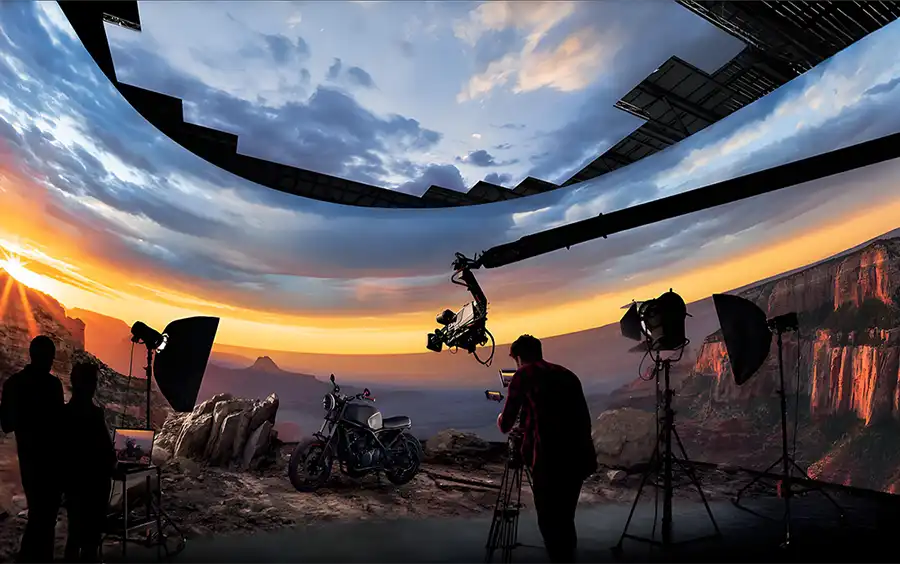
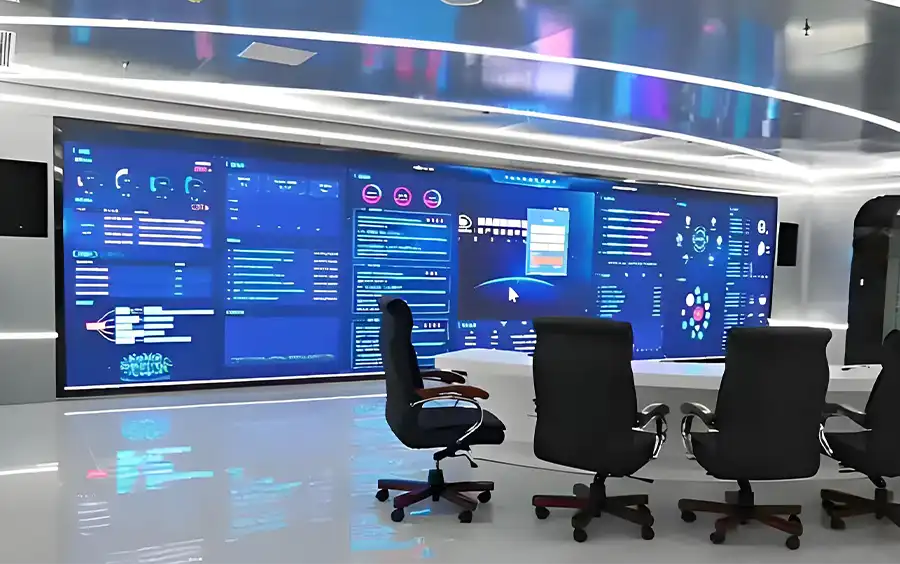
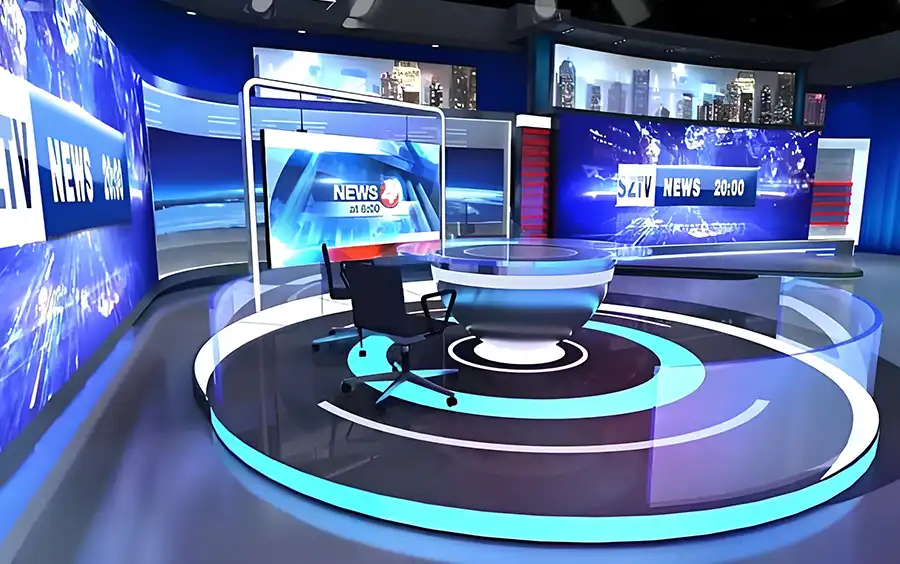
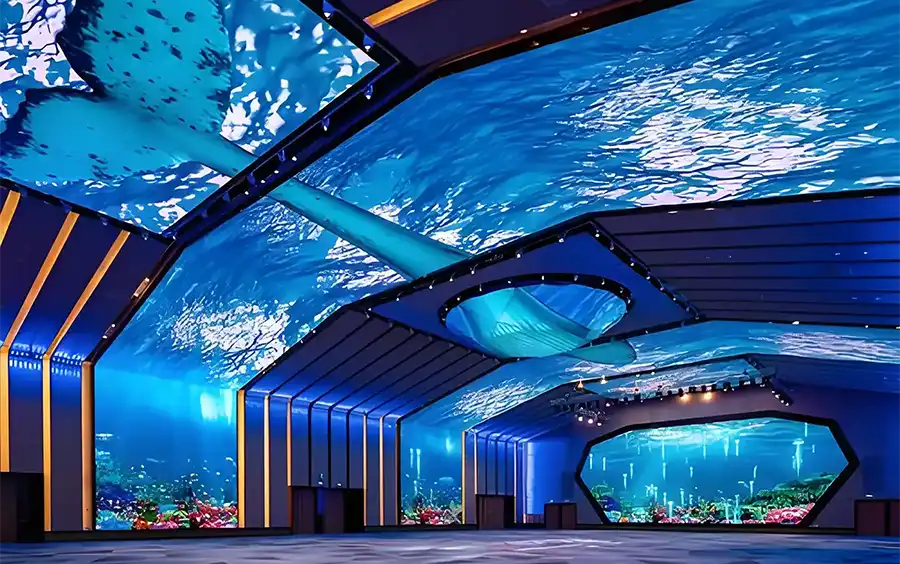
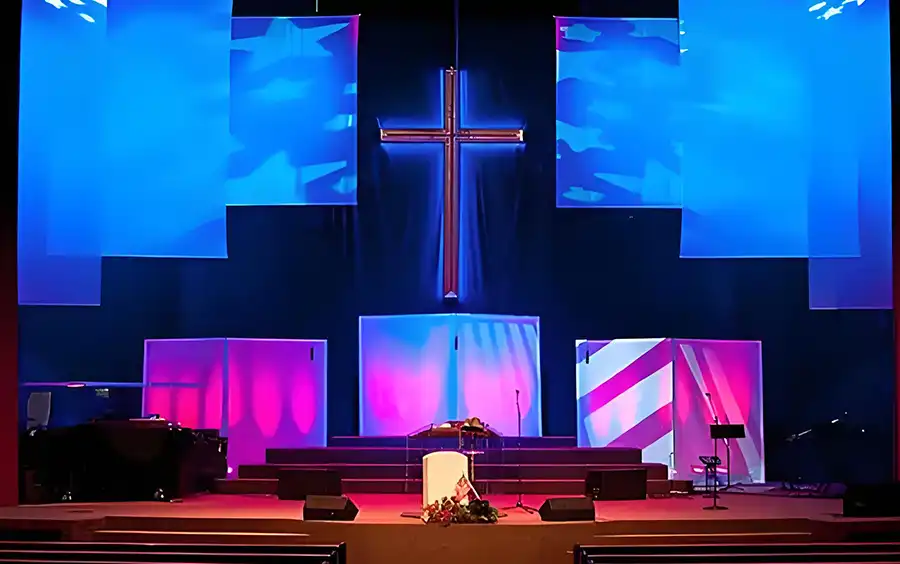

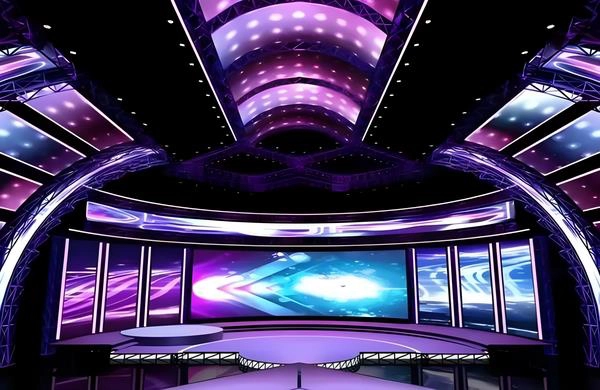
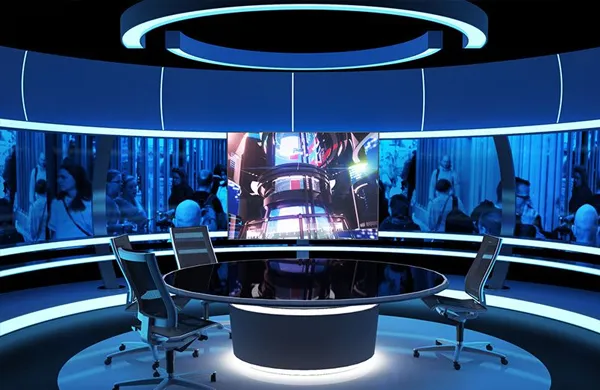
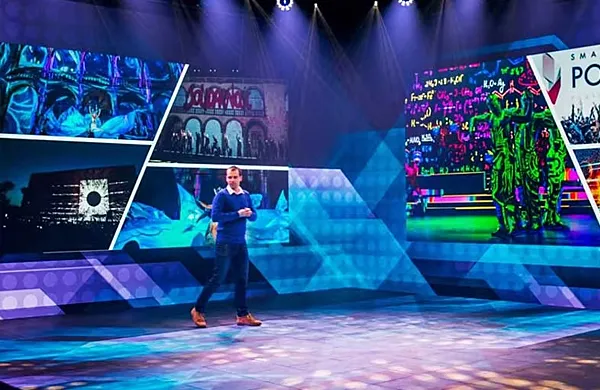
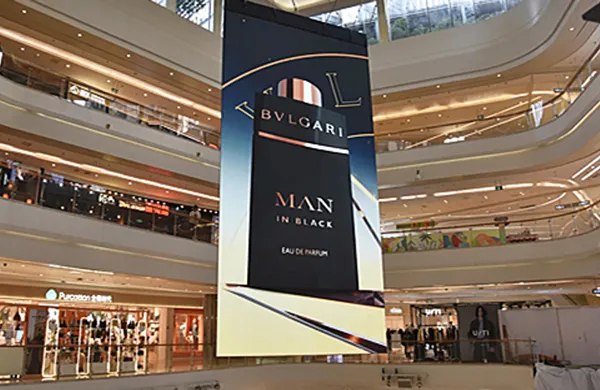
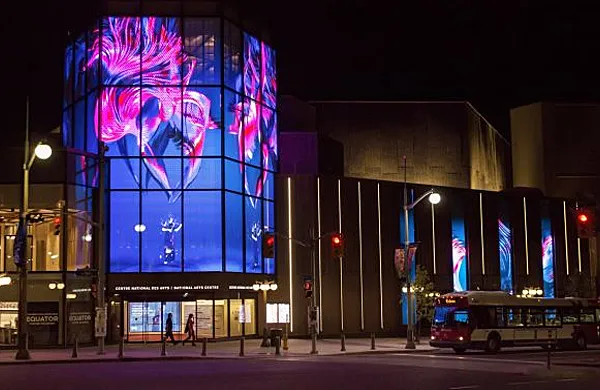
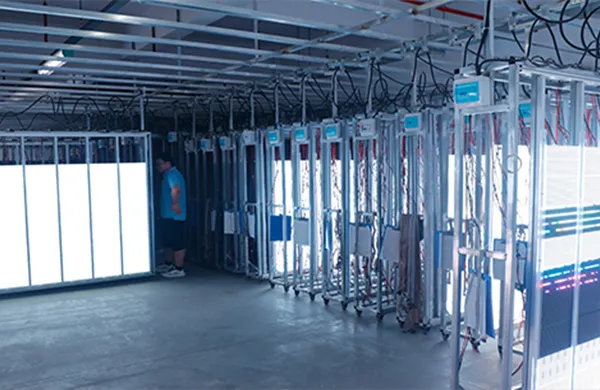
An indoor LED display is a digital screen made of light-emitting diodes (LEDs) designed for interior environments.
Unlike traditional LCDs or projectors, LED displays deliver higher brightness, better color uniformity, and completely seamless visuals.
ReissOpto indoor LED screens are available from P0.9mm to P4mm, offering fine-pitch, high-definition images suitable for close viewing. Whether used for corporate presentations, event backdrops, or commercial advertising, they bring your content vividly to life.
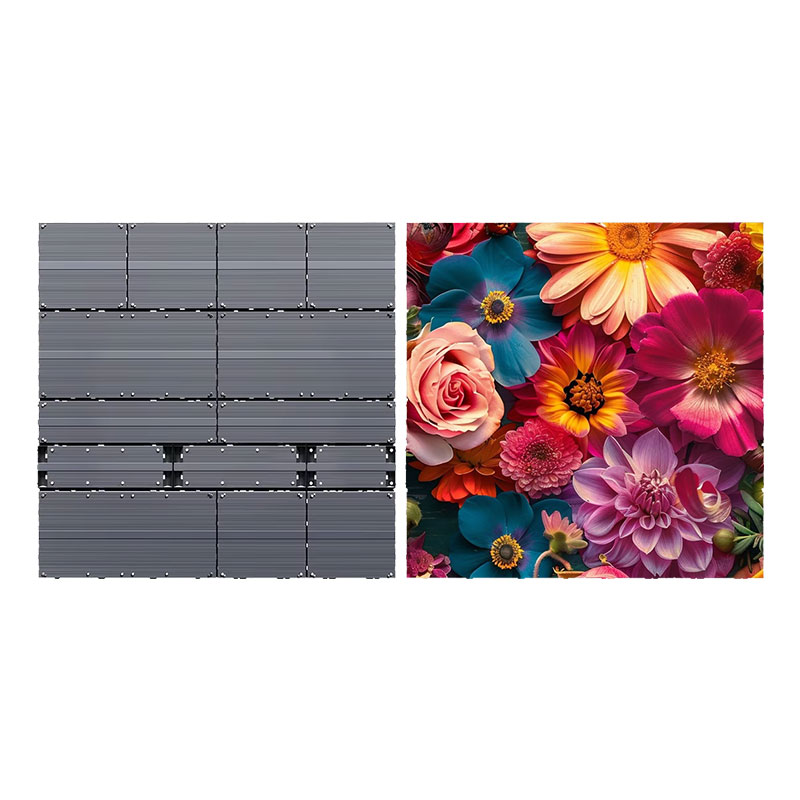
Upgrade your visual experience with high-resolution LED video walls from ReissOpto — a trusted LED display manufacturer in China. Custom 2K, 4K, and 8K large LED screen walls for events, control rooms...
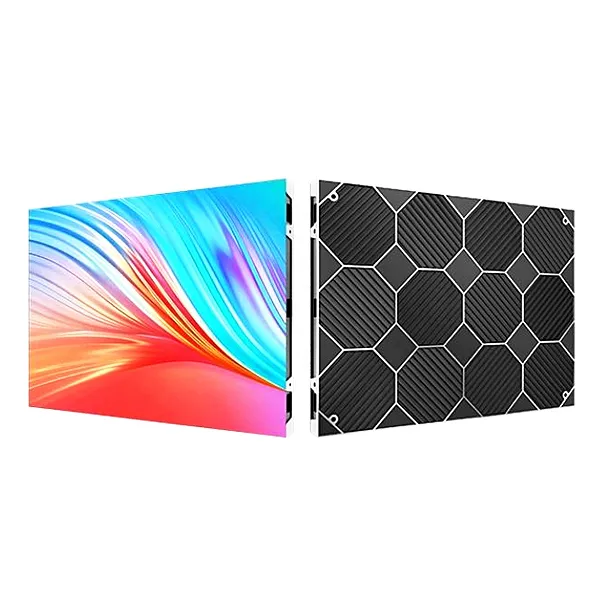
The P3 indoor LED screen delivers an outstanding combination of fine pixel pitch and high brightness, designed for professional indoor environments where clarity, detail, and vivid color reproduction ...
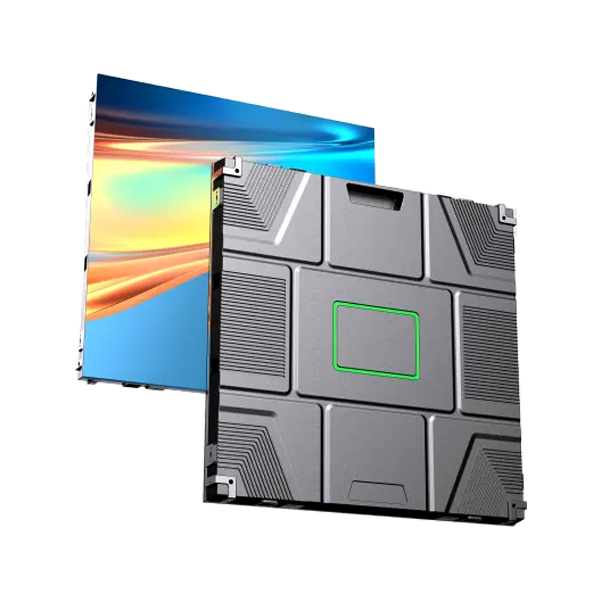
Provides clear, detailed visuals with seamless display, vivid color reproduction, wide viewing angles, and stable, energy-efficient performance for indoor use.
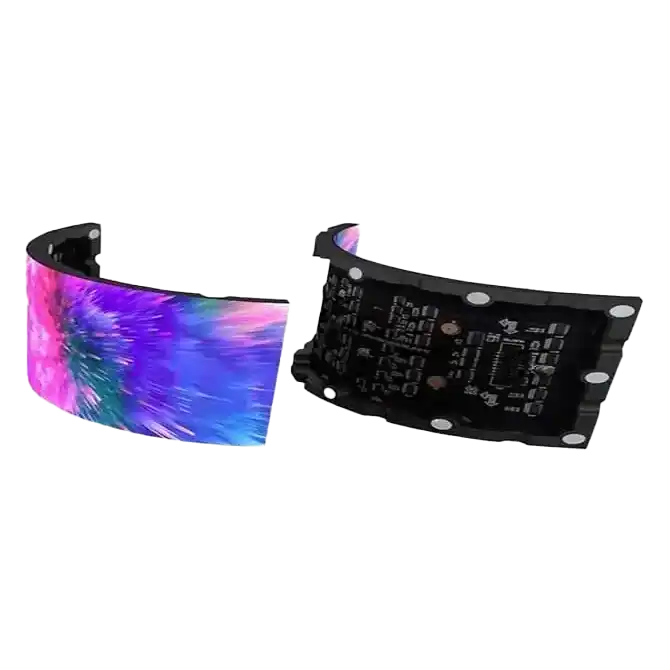
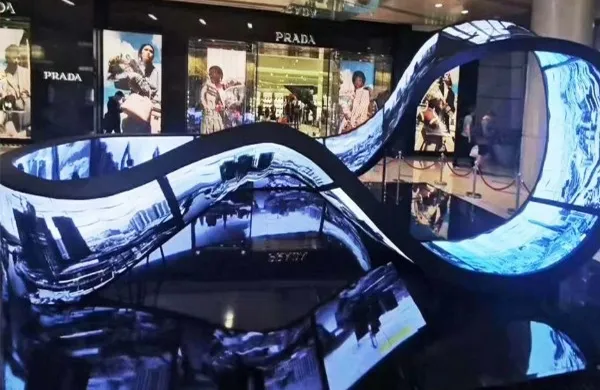
Flexible & Creative LED Displays are innovative indoor display solutions that allow bending, curving, and unique shaping for stunning visual designs in retail spaces, exhibitions, and stage backgr...
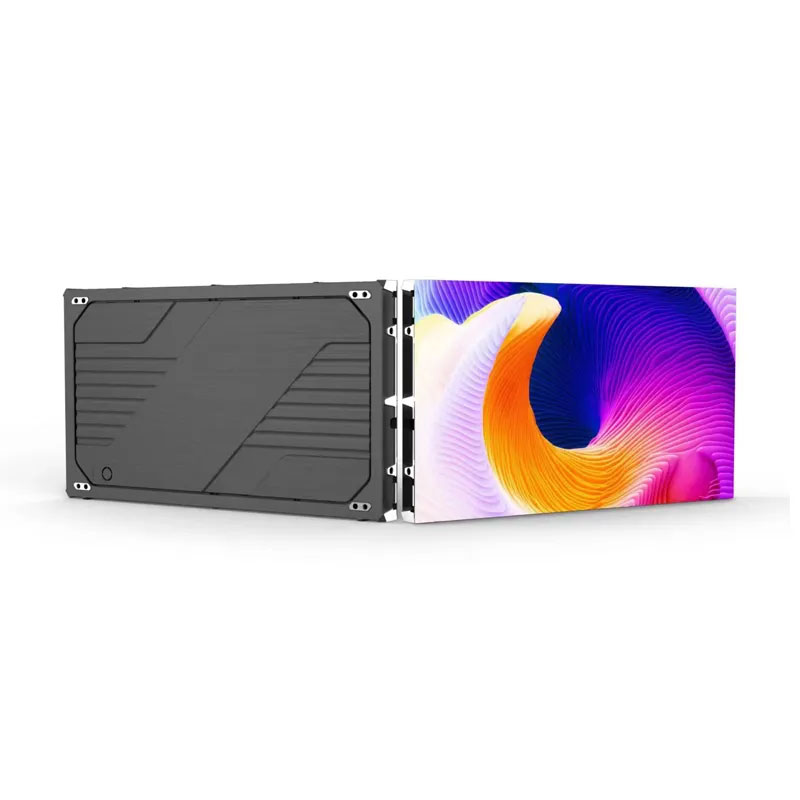
Delivers sharp visuals with seamless design, rich colors, wide viewing angles, stable performance, and energy-efficient operation.
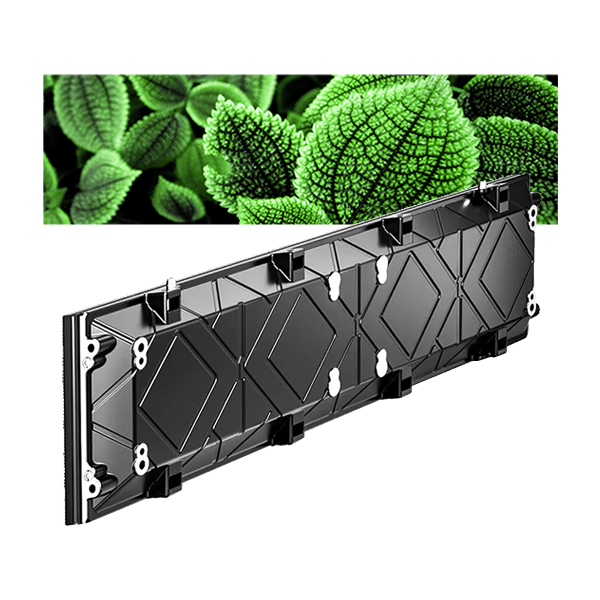
Delivers sharp and vibrant visuals with seamless image quality, excellent color accuracy, wide viewi
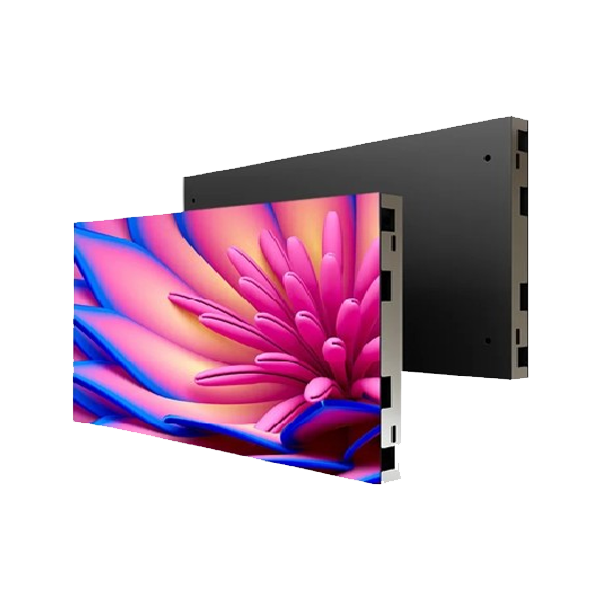
The P0.762 LED screen features an ultra-fine 0.762mm pixel pitch, delivering stunning image clarity and exceptional color performance even at close viewing distances.
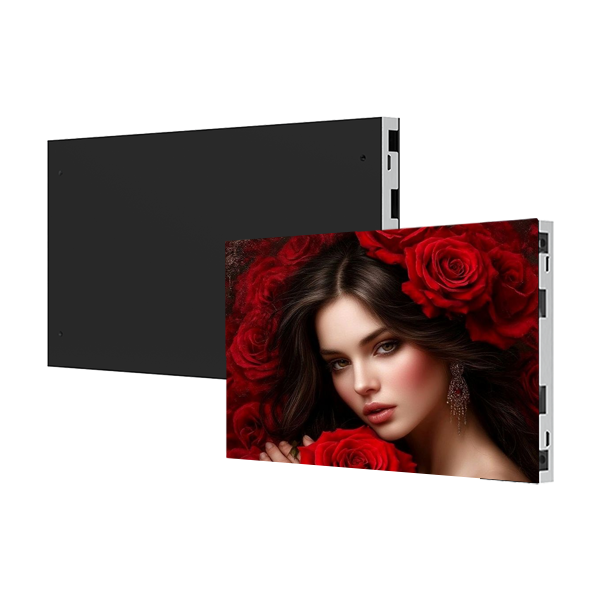
Seamless display with ultra-high resolution, vibrant colors, wide viewing angles, low power use, and reliable indoor performance.
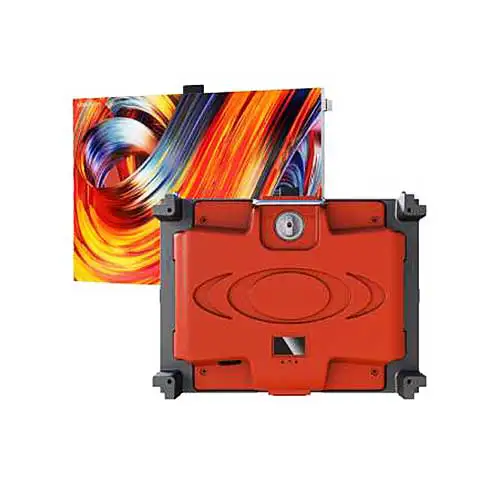
Delivers sharp, high-definition visuals with seamless image quality, vibrant colors, wide viewing an
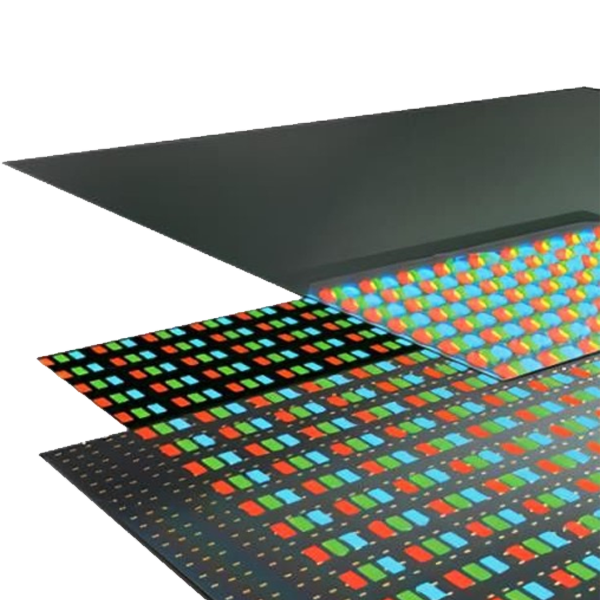
Delivers high-resolution visuals with seamless splicing, vibrant colors, wide viewing angles, low power consumption, and stable indoor performance.
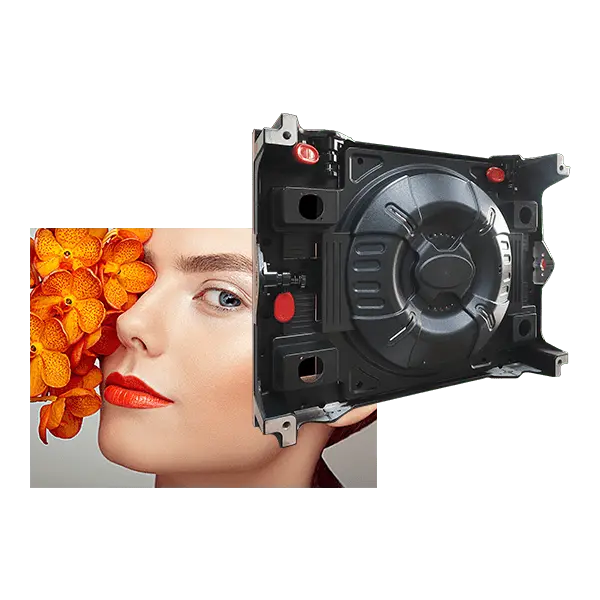
This indoor LED screen features high brightness, fine pixel clarity, excellent color uniformity, and smooth image performance.
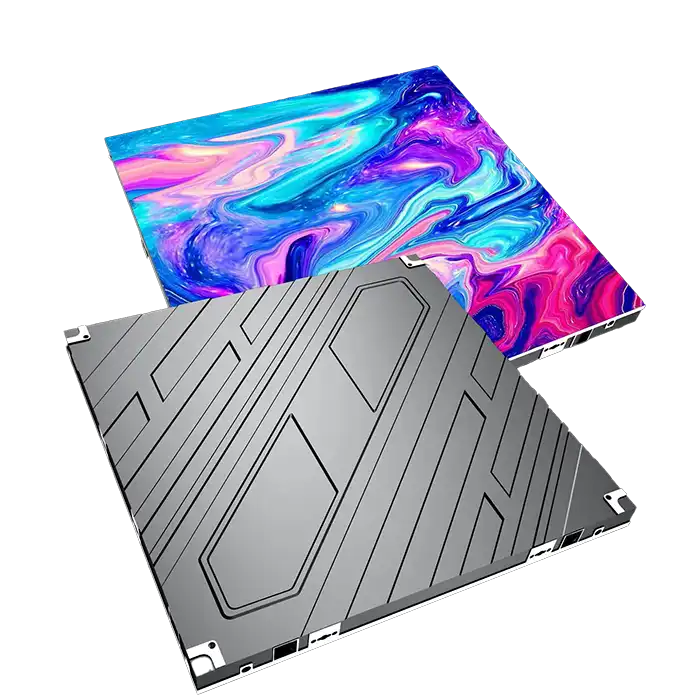
The P2.5 indoor LED display delivers outstanding visual performance with ultra-fine pixel pitch, hig
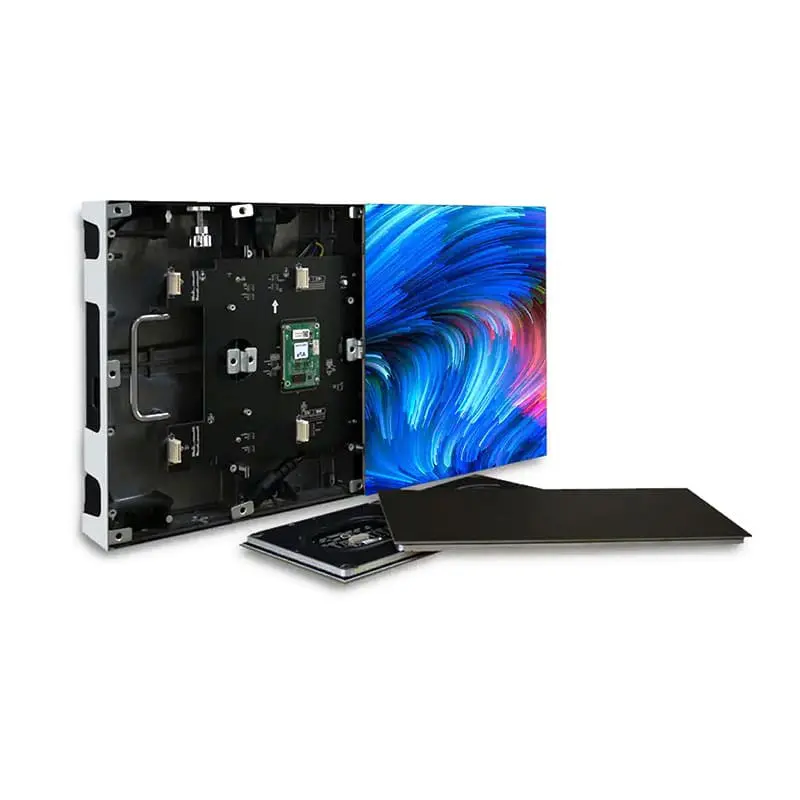
This indoor LED screen features a small pixel pitch for sharp, detailed images and high brightness f
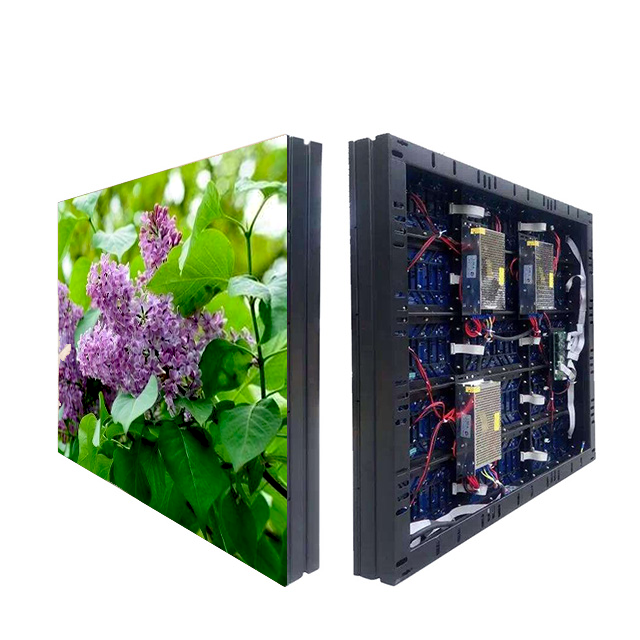
This indoor LED screen offers a small pixel pitch and high brightness, ensuring sharp image clarity, vivid color performance, and smooth, stable visuals.
Contact us today to receive a personalized quote tailored to your needs.
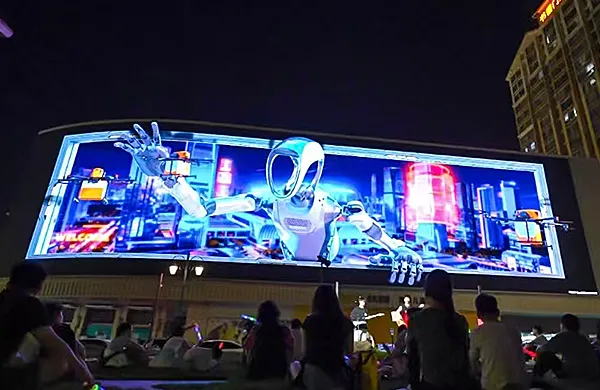
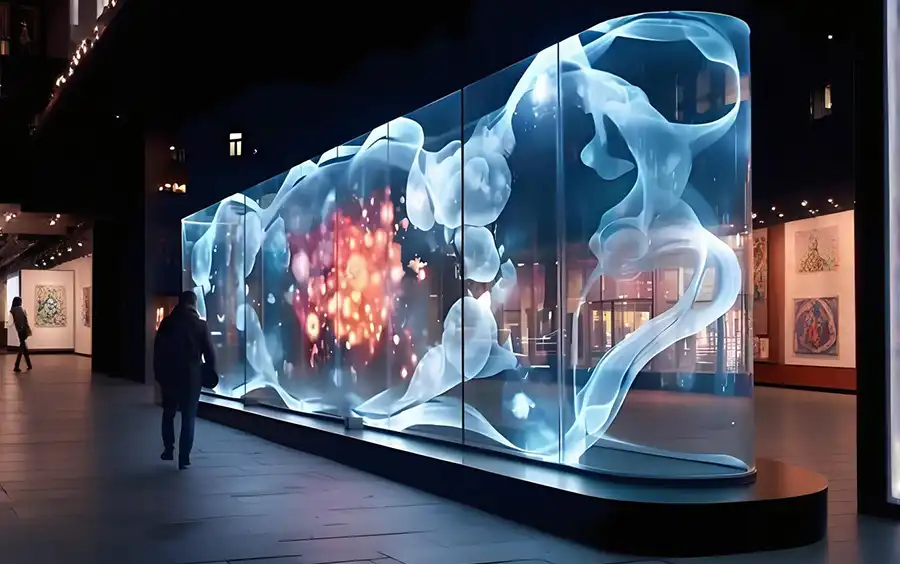
Experience the power of LED video walls across real-world scenarios. From retail and corporate spaces to events and control centers, explore how each solution delivers vibrant visuals, seamless integration, and maximum impact.
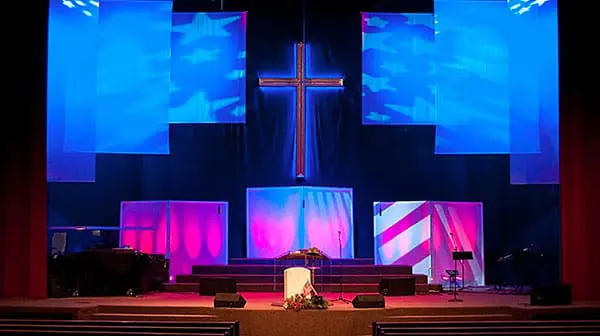
Common Church Applications for LED Walls1. Worship and PraiseDisplay song lyrics and music
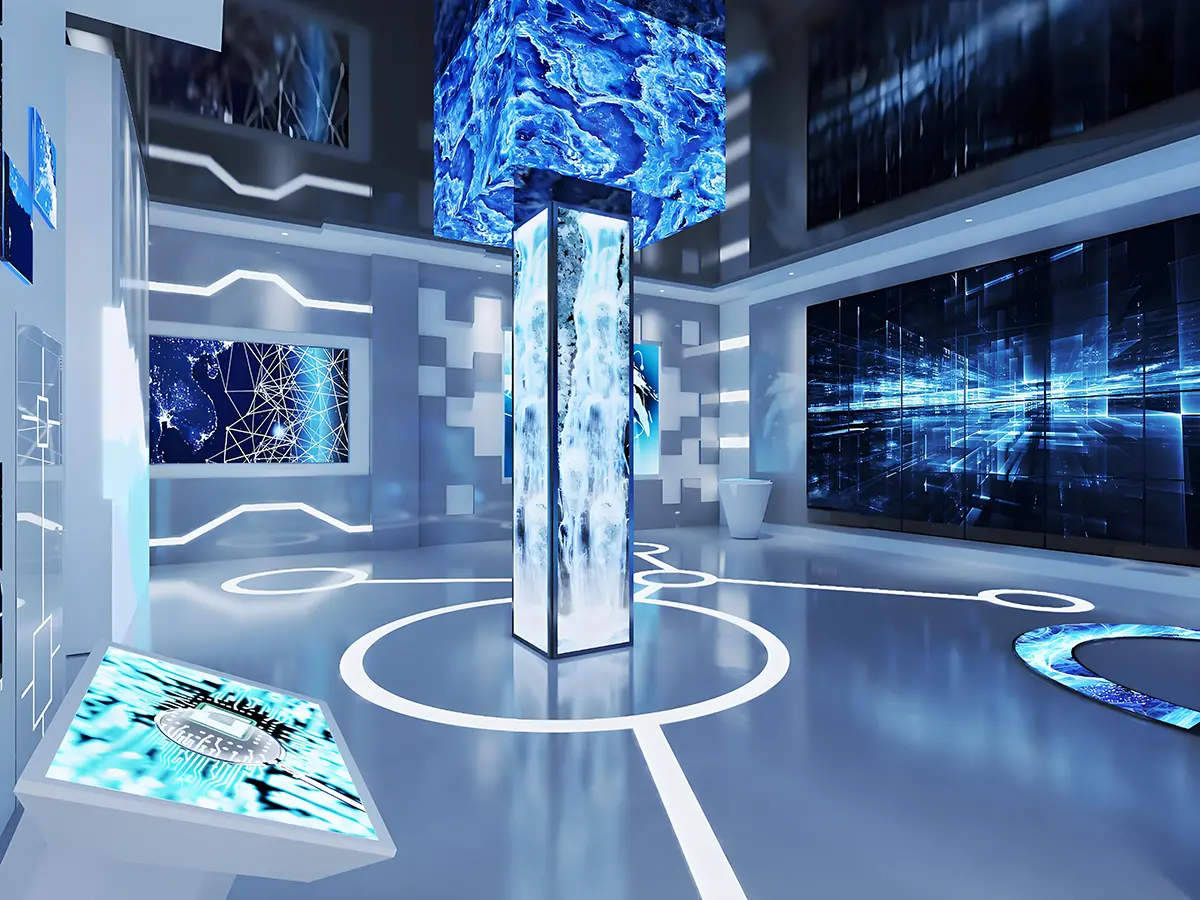
In modern showrooms, creating an immersive and visually captivating experience is essential for attr
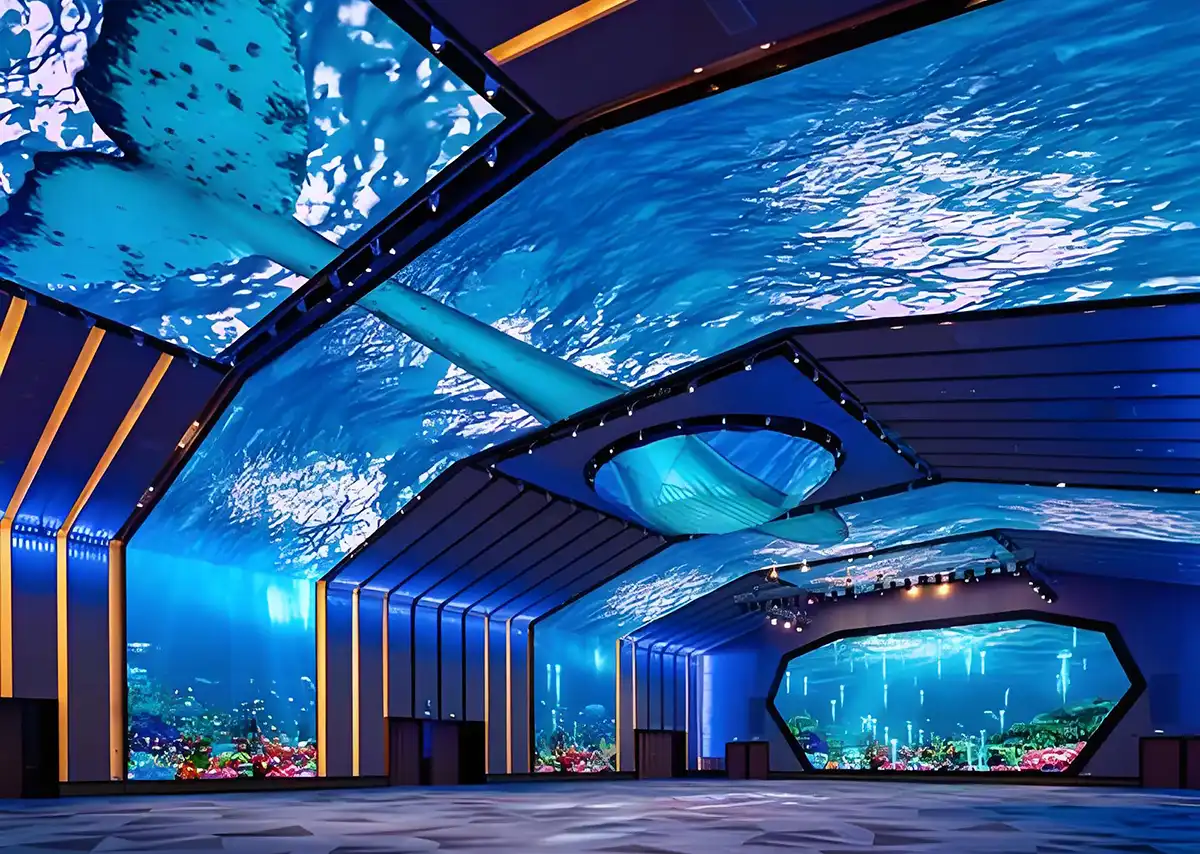
Volumetric displays represent one of the most advanced display technologies for creating true three-
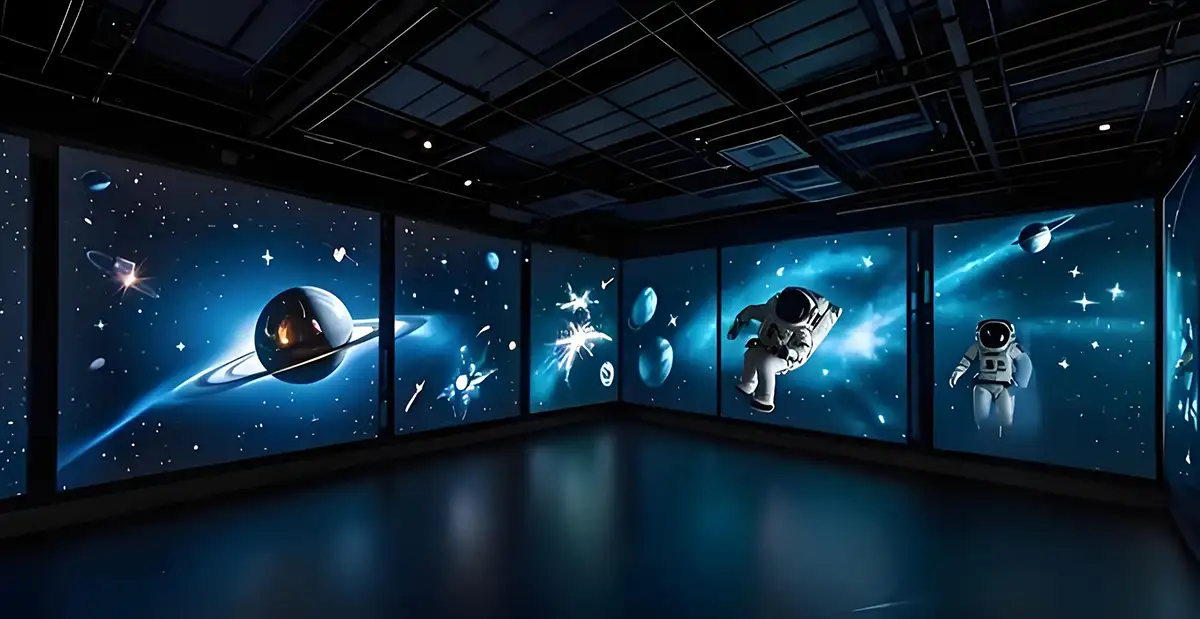
Installation Methods for Immersive EnvironmentsTo build a fully immersive space, multiple LED mounti
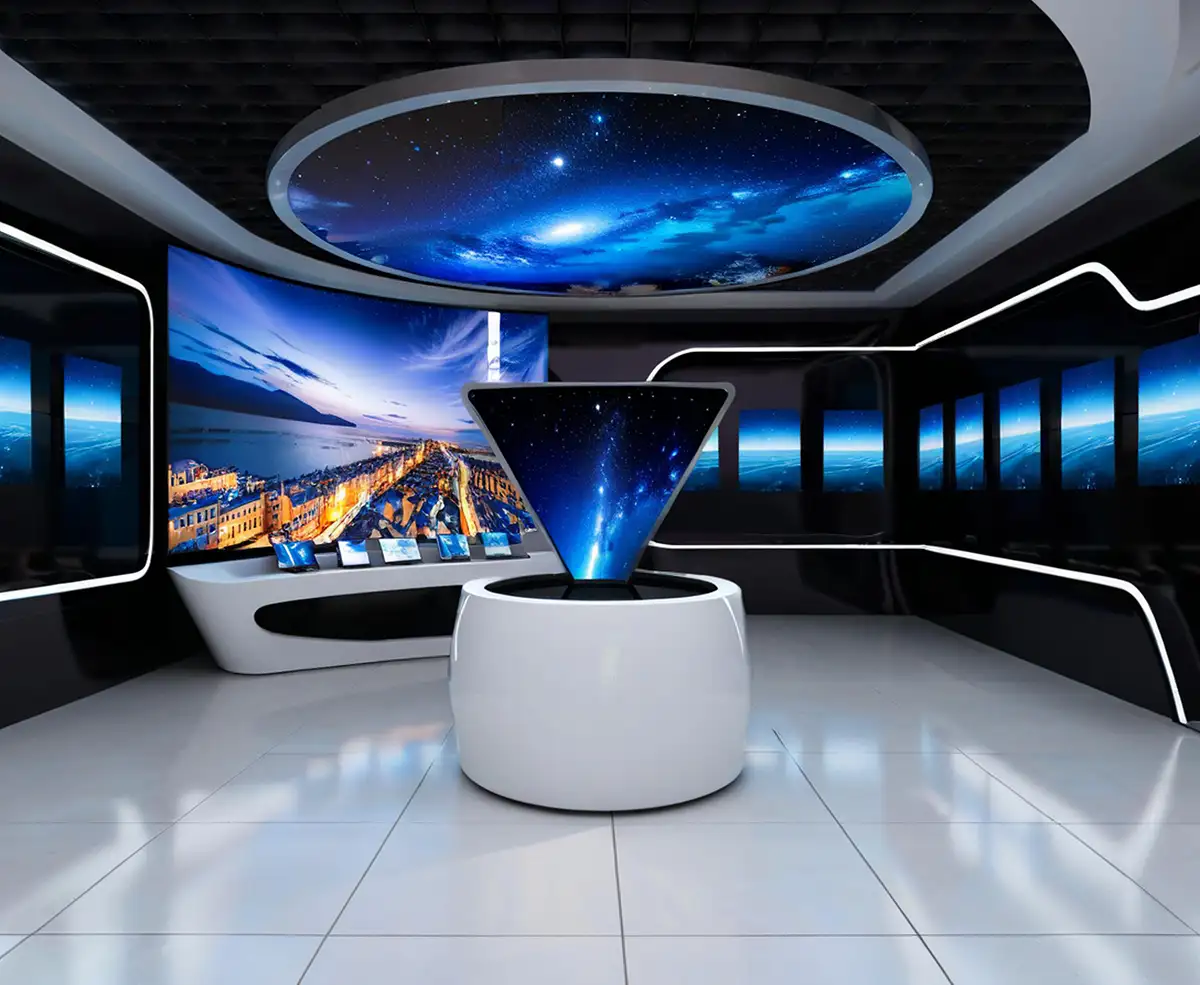
Installation MethodsDepending on the specific layout and design needs of your retail showroom, vario
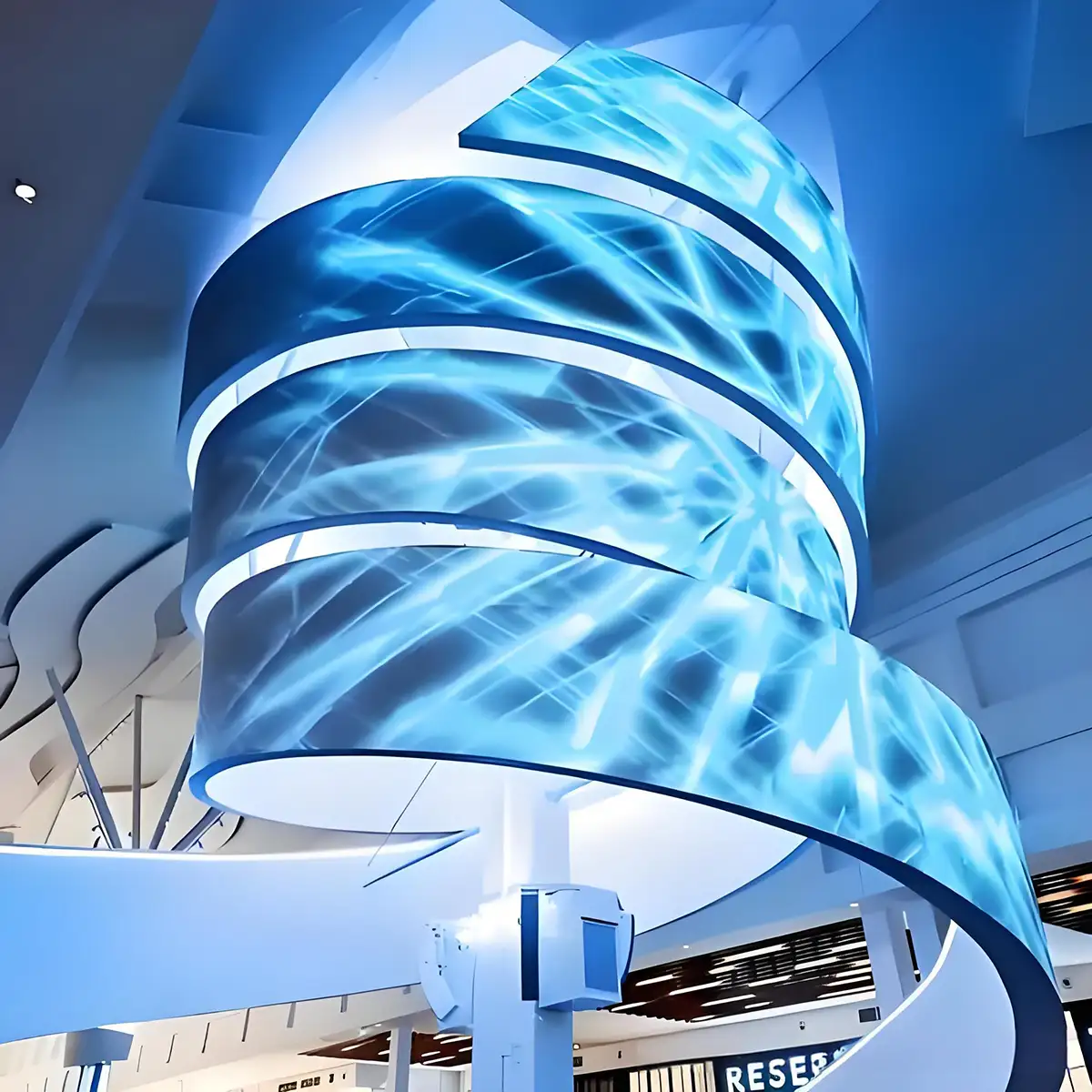
Installation MethodsDepending on your space and design requirements, creative LED displays can be in
Our indoor LED displays — also known as indoor LED screens or indoor video walls — are engineered to deliver exceptional image quality, seamless visuals, and long-term reliability. Each feature is designed to ensure vivid brightness, fine detail, and effortless integration into any indoor environment.
Clear and vibrant visuals even under strong indoor lighting.
From P0.9 to P4.0, ideal for HD, 4K, and close viewing applications.
Perfect alignment between LED modules for a smooth viewing surface.
160°+ visibility ensures consistent color and clarity from every direction.
Reduced power consumption while maintaining high brightness and performance.
Choosing between an indoor LED display and an outdoor LED screen depends on where and how the display will be used.
While both serve as dynamic digital signage solutions, they differ greatly in brightness, durability, pixel pitch, and viewing distance.
Understanding these differences helps you select the most suitable LED display for your specific environment and project goals.
| Comparison | Indoor LED Display / Indoor LED Screen | Outdoor LED Display / Outdoor LED Screen |
|---|---|---|
| Brightness | 800–1500 nits, perfect for controlled indoor lighting environments such as malls, conference rooms, or studios. | 4000–10000 nits for visibility under direct sunlight or outdoor daylight conditions. |
| Waterproofing | Not required; designed for temperature-stable, dry indoor environments. | Fully weatherproof with IP65 or higher protection to resist rain, dust, and UV exposure. |
| Pixel Pitch | Fine pitch (P0.9–P4.0) delivers ultra-high resolution and close viewing clarity. | Larger pitch (P4–P10) suits long-distance viewing and outdoor audience engagement. |
| Viewing Distance | Optimal at 1–5 meters; perfect for indoor spaces requiring detailed visuals. | Effective at 5–100 meters, providing wide coverage for large crowds or open spaces. |
| Installation | Compact, lightweight, and easy to mount on walls, ceilings, or truss systems. | Requires robust, weatherproof frames and outdoor-rated power systems. |
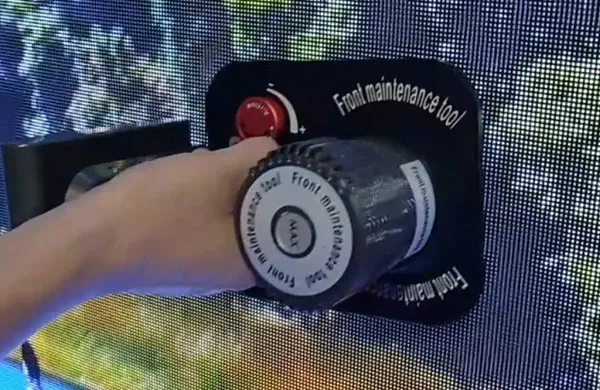
| Maintenance | Typically front-access for convenient indoor servicing. | Back-access or modular maintenance, designed for large outdoor setups. |
| Typical Applications | Conference rooms, retail shops, shopping malls, control centers, and studios. | Stadiums, building façades, billboards, outdoor stages, and transportation hubs. |
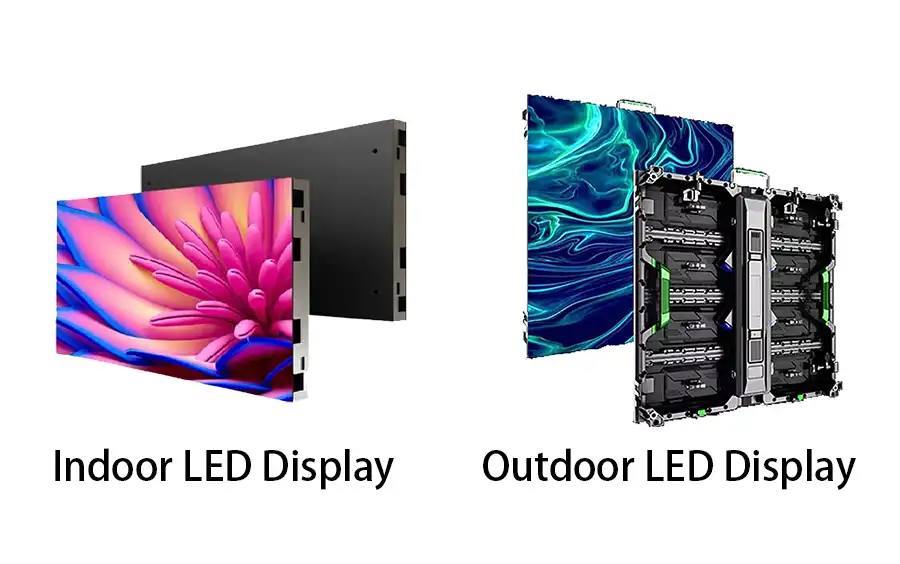
Choosing the ideal indoor LED display depends on your project’s environment, budget, and content requirements.
Here’s what to consider:
Smaller pixel pitch (e.g., P1.25, P1.56) = higher resolution for close viewing.
For stage or large halls, P3–P4 offers optimal performance at lower cost.
Standard indoor brightness: 800–1500 nits.
Higher brightness recommended for spaces with glass walls or strong lighting.
Choose wall-mount, hanging, or stand-alone.
Opt for front maintenance cabinets for easy access and service.
For dynamic content: use ≥3840Hz refresh rate, HDR, and smart control systems.
LED lifespan up to 100,000 hours.
Balance between pixel pitch and cost — higher pixel density means higher price but better visuals.
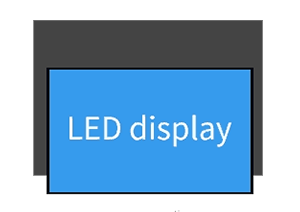
The LED screen is directly fixed onto a load-bearing wall. Suitable for spaces where permanent installation is feasible and front maintenance is preferred.
• Key Features:
1)Space-saving and stable
2)Supports front access for easy panel removal
• Ideal For: Shopping malls, meeting rooms, showrooms
• Typical Sizes: Customizable, such as 3×2m, 5×3m
• Cabinet Weight: Approx. 6–9kg per 500×500mm aluminum panel; total weight depends on screen size
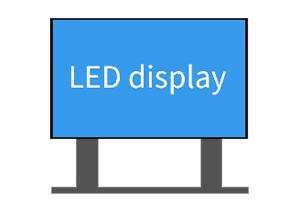
The LED display is supported by a ground-based metal bracket, ideal for locations where wall mounting isn’t possible.
• Key Features:
1)Freestanding, with optional angle adjustment
2)Supports rear maintenance
• Ideal For: Trade shows, retail islands, museum exhibits
• Typical Sizes: 2×2m, 3×2m, etc.
• Total Weight: Including bracket, approx. 80–150kg, depending on screen size
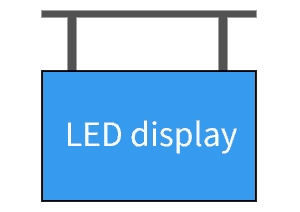
The LED screen is suspended from the ceiling using metal rods. Commonly used in areas with limited floor space and upward viewing angles.
• Key Features:
1)Saves ground space
2)Effective for directional signage and information display
• Ideal For: Airports, subway stations, shopping centers
• Typical Sizes: Modular customization, e.g., 2.5×1m
• Panel Weight: Lightweight cabinets, approx. 5–7kg per panel
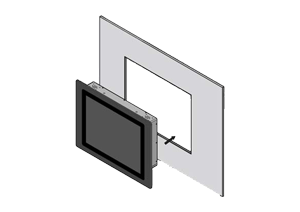
The LED display is built into a wall or structure so it’s flush with the surface for a seamless, integrated look.
• Key Features:
1)Sleek and modern appearance
2)Requires front maintenance access
• Ideal For: Retail windows, reception walls, event stages
• Typical Sizes: Fully custom based on wall openings
• Weight: Varies by panel type; slim cabinets are recommended for embedded setups
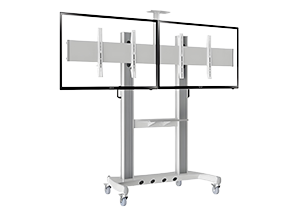
The LED screen is mounted on a movable trolley frame, ideal for portable or temporary setups.
• Key Features:
1)Easy to move and deploy
2)Best for smaller screen sizes
• Ideal For: Meeting rooms, temporary events, stage backdrops
• Typical Sizes: 1.5×1m, 2×1.5m
• Total Weight: Approx. 50–120kg, depending on screen and frame materials
For close viewing under 3 meters, P1.25 or P1.5 is recommended.
Yes, most indoor LED cabinets are modular and support size customization.
The cost of an LED wall display depends on several factors, including screen size, pixel pitch, brightness level, and control system. For indoor use, prices typically range from $800 to $2,000 per square meter. Smaller pixel pitches like P1.5 or P1.2 offer higher resolution but come at a higher price point. Additional costs may include structure, installation, and control system setup. For a tailored quote, it's best to share your screen size, usage scenario, and viewing distance with our team.
LED displays and IPS (In-Plane Switching) panels serve different purposes. IPS panels are used in LCD monitors and TVs, known for wide viewing angles and color accuracy. However, LED displays—especially LED video walls—offer larger size flexibility, seamless splicing, higher brightness, and longer lifespan. For large-scale commercial or public installations, LED displays are generally the better choice due to their durability, scalability, and visual impact.
It’s a powerful tool for businesses looking to enhance customer engagement and deliver content in a dynamic, eye-catching way.
Yes, LED display panels are widely used indoors across various industries. Indoor LED panels are designed with small pixel pitches, moderate brightness, and wide viewing angles, making them ideal for environments like shopping malls, conference rooms, airports, and retail stores. Their modular structure allows for custom installation on walls, ceilings, or stands. Compared to traditional LCD displays, indoor LED panels offer better scalability and more flexible design options.
If you are interested in our products, please contact us promptly
Reach out to our sales team to explore customized solutions that perfectly meet your business needs and address any questions you may have.
Email Address:info@reissopto.comFactory Address:Building 6, Huike Flat Panel Display Industrial Park, No. 1, Gongye 2nd Road, Shiyan Shilong Community, Bao'an District, Shenzhen city , China
whatsapp:15217757270