


































Volumetric Display: The Ultimate Guide & Solutions
Volumetric displays represent one of the most advanced display technologies for creating true three-dimensional visualizations. Unlike other 3D displays that rely on optical illusions, volumetric displays generate physical 3D imagery visible from any angle, offering an unmatched immersive experience.
What Is a Volumetric Display?
A volumetric display creates 3D images that occupy real, physical space. This is achieved through various techniques such as:
Swept-Volume Displays: Mechanically move display elements to render volumetric images.
Rotating LED Panels: Rotate at high speed to project 3D shapes in space.
Laser-Based Voxel Displays: Use laser light to generate visible points in the air.
These systems enable viewers to walk around and view the 3D content from multiple perspectives without wearing special glasses.
Advantages and Limitations
Advantages:
True 360° Viewing: Viewable from all directions without restrictions.
Highly Immersive: Ideal for professional environments requiring precise 3D visualization.
Limitations:
High Cost: Typically much more expensive than other display technologies.
Bulky and Complex: Requires significant space and specialized maintenance.
Limited Resolution: Often lower resolution compared to flat-panel displays.
Typical Applications
Medical Imaging: Visualize complex anatomical structures for surgical planning.
Engineering and Product Design: Review detailed 3D models in real time.
Scientific Research: Study molecular and physical simulations.
Interactive Exhibits: Engage visitors in museums and educational centers.
Real-World Comparison: Volumetric Displays vs. 3D LED Video Walls
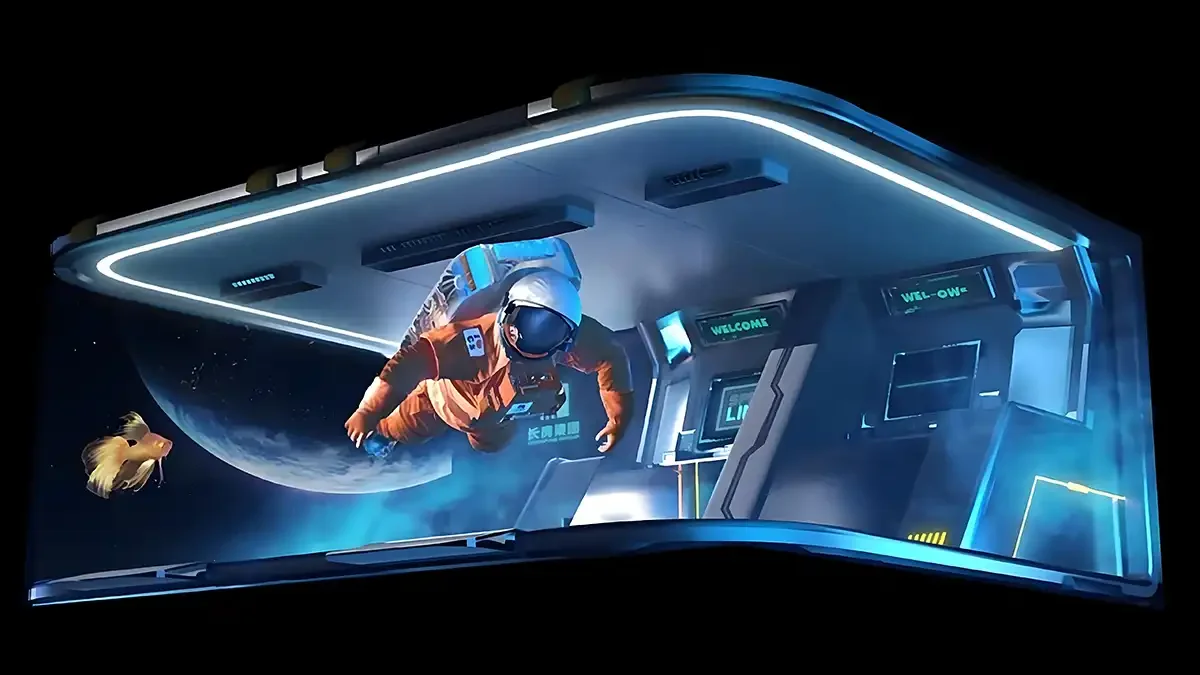
Comparing volumetric displays and 3D LED video walls provides clarity on their respective advantages and trade-offs.
| Feature | Volumetric Display | 3D LED Video Wall |
|---|---|---|
| 3D Effect | True volumetric, visible from all angles | 3D illusion, optimized for frontal and side views |
| Viewing Angles | 360° omnidirectional | Wide, suitable for large audiences |
| Cost | Very high | Moderate and scalable |
| Resolution | Moderate, limited by technology | High-definition, sharp visuals |
| Size Flexibility | Limited due to hardware constraints | Highly scalable, modular panels |
| Maintenance | Complex and specialized | Easy, standard maintenance procedures |
| Common Applications | Medical, scientific visualization, R&D | Advertising, retail, entertainment, corporate events |
While volumetric displays provide exceptional realism for specific professional uses, they are not practical for most commercial settings. 3D LED video walls offer a highly effective, scalable, and accessible solution for businesses seeking to deliver compelling 3D visual experiences.
Why 3D LED Video Walls Are More Market-Friendly
For businesses and organizations aiming for impactful 3D displays, 3D LED video walls provide a far more feasible solution than volumetric displays. Their unique blend of flexibility, performance, and affordability makes them the preferred choice across various industries.
Key advantages include:
Lower total cost of ownership compared to volumetric systems.
Excellent image quality and brightness across diverse lighting conditions.
Flexible installation options that can adapt to different venues.
Straightforward maintenance with widely available service support.
Broad compatibility with various types of 3D and standard video content.
These qualities position 3D LED video walls as a versatile and reliable display option, suitable for both promotional and functional applications in a wide array of commercial environments.
A Practical Alternative: 3D LED Video Wall
While volumetric displays offer true 3D capabilities, they are not always practical for commercial or public-facing applications. A more accessible solution is the 3D LED Video Wall.
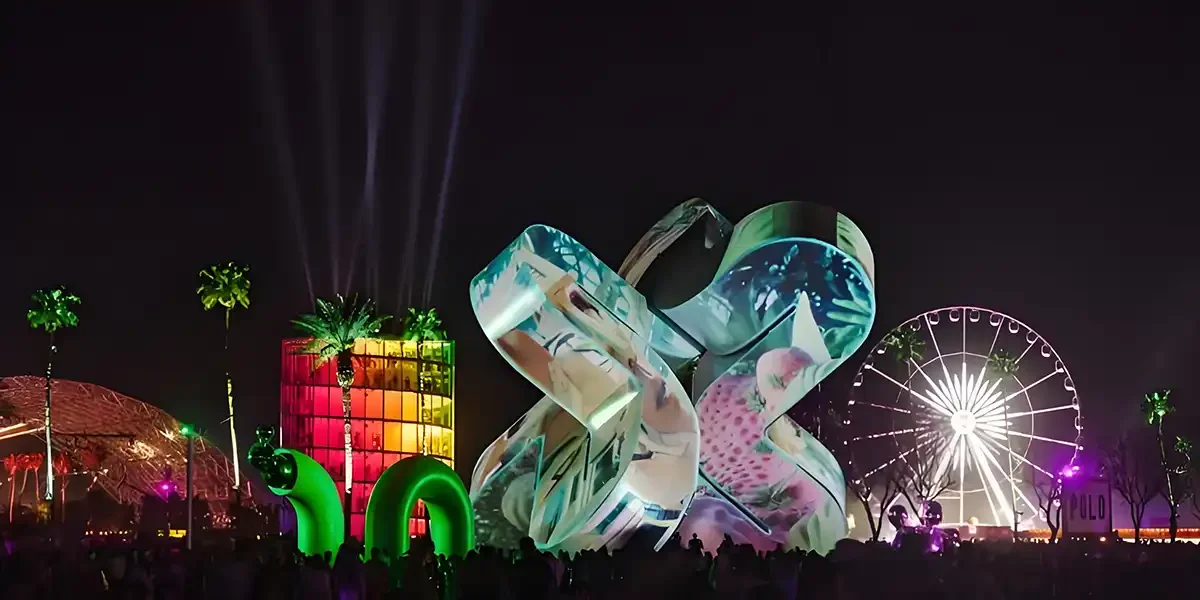
Why Choose 3D LED Video Walls?
Cost-Efficient: Significantly lower upfront and operating costs.
High Brightness: Exceptional performance in all lighting conditions.
Flexible Installation: Easily configured to fit various spaces.
High Resolution: Sharp visuals suitable for advertising and public displays.