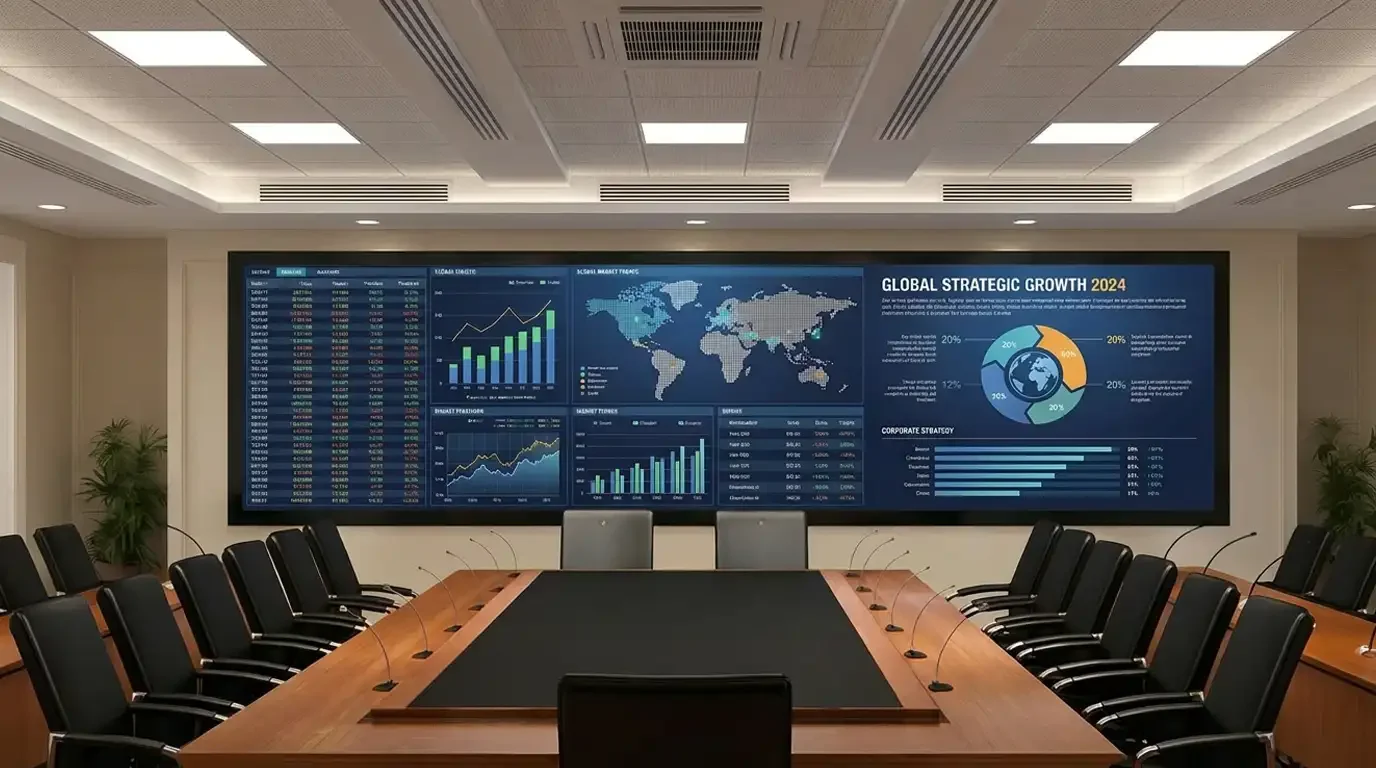



































Indoor Advertising Screen Explained: Uses, Types, Benefits
An indoor advertising screen has become one of the most effective communication tools in modern commercial and public spaces. From retail environments to corporate buildings, these digital displays deliver visual messages with precision, consistency, and adaptability. As physical spaces increasingly rely on digital interaction, indoor advertising screens play a central role in how information, branding, and promotions are presented.
Unlike traditional print signage, indoor digital screens allow content to evolve in real time, creating a flexible and engaging communication channel that aligns with modern audience expectations.
What Is an Indoor Advertising Screen?
An indoor advertising screen is a digital display device installed inside buildings to present promotional content, informational messages, or branded visuals. These screens are commonly found in shopping malls, elevators, airports, hotels, hospitals, office buildings, schools, and exhibition halls.
Indoor advertising displays typically use LCD or LED technology and are designed specifically for controlled indoor lighting conditions. Their primary purpose is to deliver dynamic content such as videos, animations, slides, live updates, or interactive media to people within enclosed spaces.
Why Indoor Advertising Screens Matter in Today’s Spaces
Controlled Viewing Environment
Indoor environments provide stable lighting and predictable viewing distances. This allows indoor advertising screens to present sharper images, accurate colors, and consistent brightness levels without competing with sunlight or weather conditions.
The controlled setting increases message clarity and viewer comfort.
Higher Attention and Dwell Time
People inside buildings often experience waiting moments—such as in elevators, lobbies, or queues—where attention is naturally available. Indoor advertising screens take advantage of these moments without interrupting the viewer’s activity.
Repeated exposure in familiar spaces improves recall and brand recognition.
Dynamic and Updateable Content
Indoor digital screens eliminate the limitations of static signage. Content can be updated remotely, scheduled automatically, and adjusted based on time of day or location.
This adaptability allows businesses and organizations to keep messaging relevant and timely.
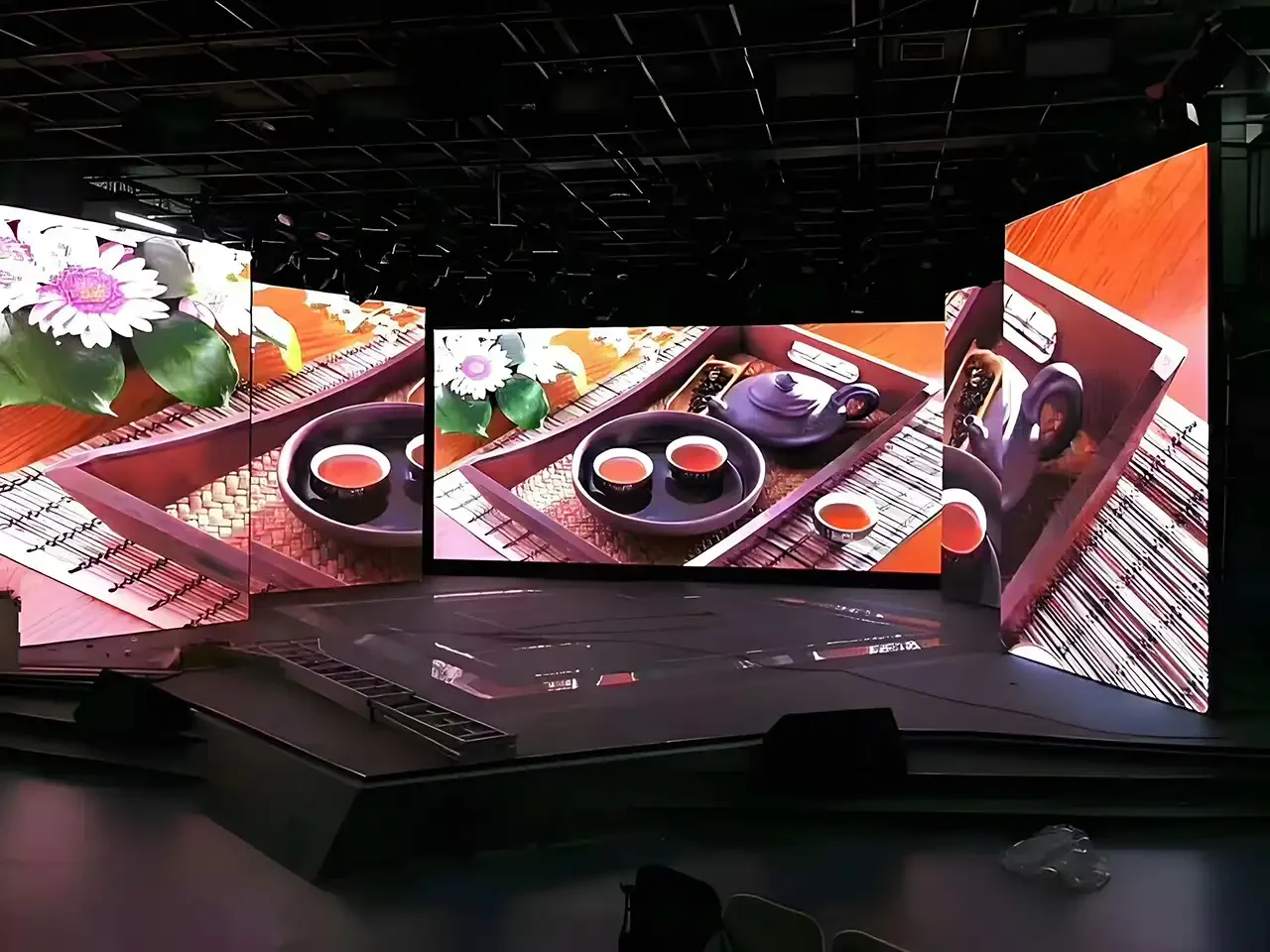
Common Types of Indoor Advertising Screens
LCD Indoor Advertising Displays
LCD screens are widely used for indoor advertising due to their balance of cost, image quality, and durability. They offer high resolution, wide viewing angles, and consistent performance for long operating hours.
These displays are frequently installed in retail stores, offices, and hospitality environments.
Indoor LED Advertising Screens
Indoor LED displays are known for seamless large-format visuals and strong visual impact. They are commonly used in shopping centers, showrooms, and event venues where screen size and brightness are critical.
Their modular structure allows flexible installation and creative layouts.
Elevator Advertising Screens
Elevator advertising screens are installed inside elevator cabins or near elevator waiting areas. These screens reach audiences during short but focused viewing periods.
Content is typically concise, visually engaging, and designed for fast comprehension.
Interactive Indoor Screens
Interactive advertising screens allow users to engage through touch or motion sensors. These displays are often used for wayfinding, product exploration, and self-service applications.
Interactivity increases engagement time and creates a more personalized experience.
Key Application Areas for Indoor Advertising Screens
Retail and Commercial Centers
Indoor advertising screens in retail environments influence purchasing decisions by showcasing promotions, featured products, and brand stories at strategic points.
Screens near entrances, escalators, and checkout areas are particularly effective.
Corporate Offices and Business Buildings
In office spaces, indoor screens are used to communicate corporate values, internal updates, visitor information, and event announcements.
Digital displays contribute to a modern, professional atmosphere.
Hotels and Hospitality Spaces
Hotels use indoor advertising displays to promote services, display schedules, and provide local information. Digital screens reduce the need for printed materials while enhancing guest experience.
Consistent visual branding across screens reinforces identity.
Healthcare Facilities
Hospitals and clinics rely on indoor digital screens for queue information, health education, and directional guidance. Clear visuals and calm design help reduce stress and confusion.
Screens improve operational efficiency and patient communication.
Educational Institutions
Schools and universities use indoor advertising screens for announcements, campus events, and emergency notifications. Digital signage allows timely updates without disrupting daily routines.
Information is delivered efficiently to large audiences.
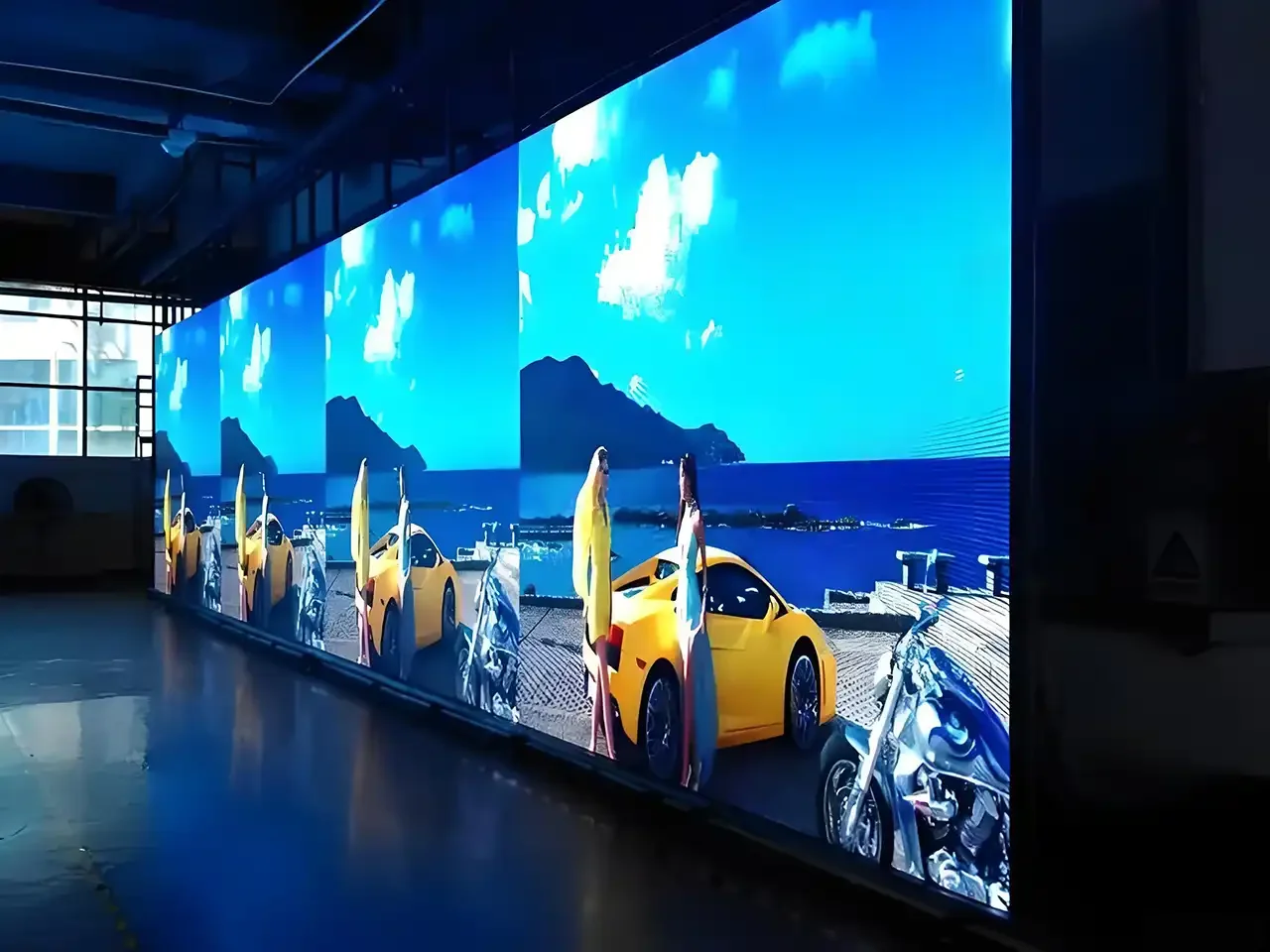
How Indoor Advertising Screens Influence Audience Behavior
Indoor advertising screens affect behavior through contextual relevance. Messages displayed within a specific environment feel more immediate and trustworthy than external advertising.
Motion graphics naturally attract attention, while repetition builds familiarity. When content matches the viewer’s needs—such as promotions near retail areas or guidance in large buildings—engagement increases significantly.
Visual storytelling inside physical spaces creates a stronger emotional connection than static signage.
Design Principles for Effective Indoor Advertising Displays
Clear and Focused Messaging
Indoor screen content should be simple and easy to understand. Short messages, large text, and strong contrast improve readability, especially for viewers passing by.
Visual hierarchy helps guide attention.
Consistent Visual Identity
Colors, fonts, and imagery should align with brand standards. Consistency across multiple indoor screens strengthens brand recognition and professionalism.
Well-structured layouts prevent visual overload.
Purposeful Motion and Animation
Movement should support communication rather than distract. Subtle animations and smooth transitions attract attention without causing fatigue.
Video content is most effective when optimized for short viewing durations.
Screen Size and Viewing Distance Alignment
Content design should consider how far viewers are from the screen. Close-range displays can include more detail, while distant screens benefit from bold visuals and minimal text.
Proper scaling improves comprehension and comfort.
Installation Considerations for Indoor Advertising Screens
Strategic Placement
Screen placement should follow natural traffic flow and line of sight. Locations where people pause or wait typically provide higher engagement.
Avoiding glare from lighting fixtures improves visibility.
Mounting and Structural Safety
Indoor advertising screens can be wall-mounted, ceiling-mounted, or floor-standing. Secure mounting ensures long-term stability and safe operation.
Installation should align with building regulations and safety standards.
Power and Network Connectivity
Reliable power supply and stable network connections are essential for uninterrupted operation. Centralized content management systems allow remote control of multiple screens.
Efficient infrastructure simplifies maintenance.
Maintenance and Operational Longevity
Indoor advertising screens are built for continuous use. Regular cleaning, software updates, and performance monitoring help maintain image quality.
Energy-efficient components reduce operational costs and extend lifespan. Preventive maintenance minimizes downtime and ensures consistent performance.
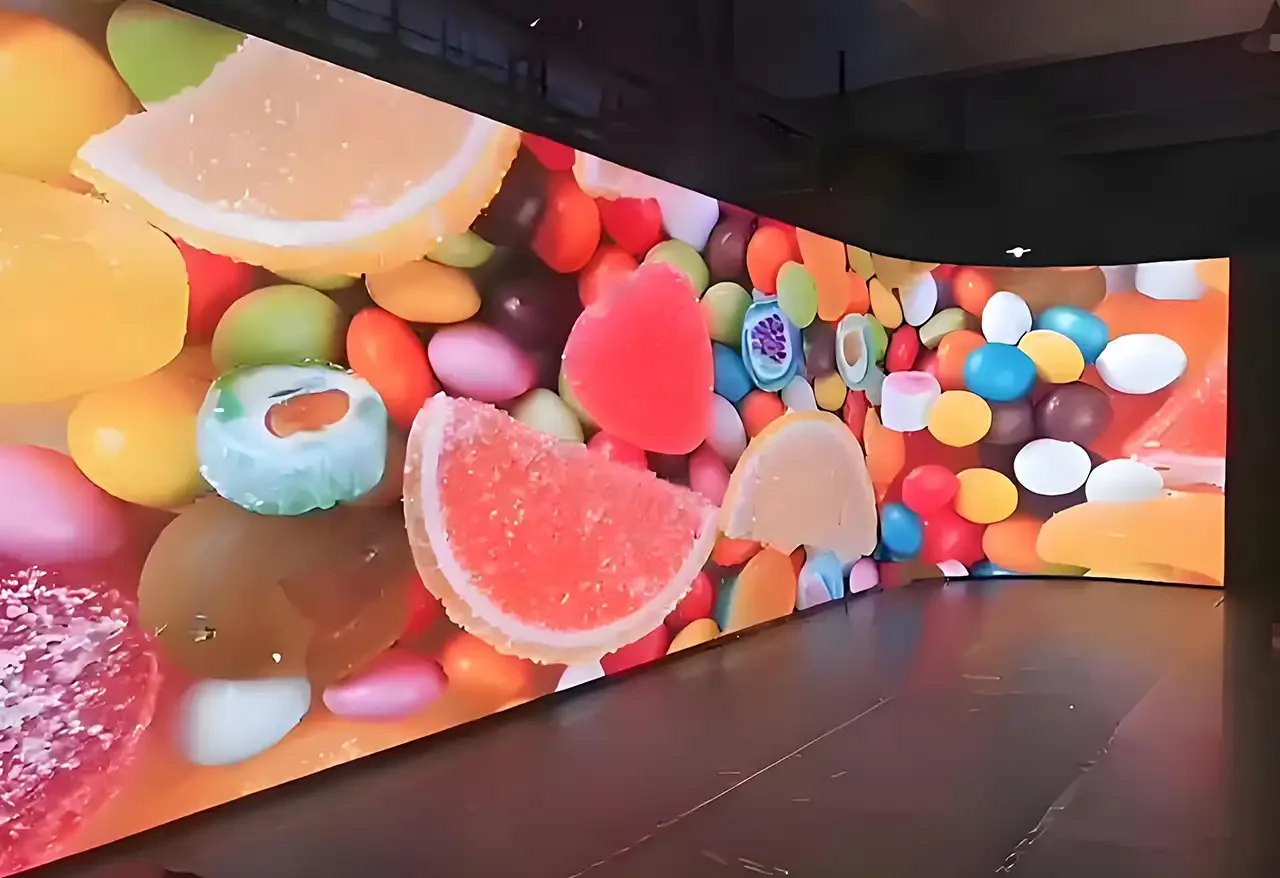
Emerging Trends in Indoor Advertising Screens
Smart Content Scheduling
Content is increasingly scheduled based on time, location, or audience behavior. Automated systems ensure relevant messaging throughout the day.
Real-time updates improve responsiveness.
Integration With Smart Buildings
Indoor screens are becoming part of intelligent building ecosystems. Integration supports coordinated communication, energy optimization, and centralized control.
Smart environments enhance efficiency.
Growth of Interactive Experiences
Touch-based and sensor-driven screens encourage user participation. Interactive displays increase engagement and information retention.
Experiential communication is gaining importance.
Focus on Sustainable Display Solutions
Energy-efficient screens and eco-friendly materials are becoming standard considerations. Sustainability supports long-term operational goals and positive brand perception.
Responsible design influences purchasing decisions.
Choosing the Right Indoor Advertising Screen
Selecting an indoor advertising screen involves evaluating display technology, resolution, size, durability, and content management capabilities. The installation environment and usage goals should guide decision-making.
A well-chosen display solution supports scalability, reliability, and consistent communication across multiple locations.
Frequently Asked Questions About Indoor Advertising Screens
What is the difference between an indoor advertising screen and outdoor digital signage?
Indoor advertising screens are designed for controlled lighting environments and lower brightness requirements, while outdoor digital signage is built to withstand weather conditions and direct sunlight.
How long do indoor advertising screens usually last?
High-quality indoor advertising screens typically operate for 50,000 to 70,000 hours, depending on usage patterns and maintenance practices.
Are indoor advertising screens suitable for small businesses?
Yes. Indoor digital displays are available in various sizes and price ranges, making them suitable for small retail stores, offices, and service locations.
Can content be updated remotely on indoor advertising screens?
Most indoor advertising screens support centralized content management systems, allowing remote updates, scheduling, and real-time changes.
Do indoor advertising screens consume a lot of energy?
Modern indoor screens are designed with energy-efficient technologies. Power consumption is generally lower than expected, especially when brightness and operating hours are optimized.
The Long-Term Value of Indoor Advertising Screens
Indoor advertising screens have evolved into essential communication platforms within physical environments. They combine visual clarity, flexible content delivery, and contextual relevance to create meaningful audience engagement.
As technology advances and spaces become more connected, indoor advertising screens will continue to shape how information and branding are experienced indoors. Their strategic use enhances visibility, improves communication efficiency, and supports long-term growth across industries.