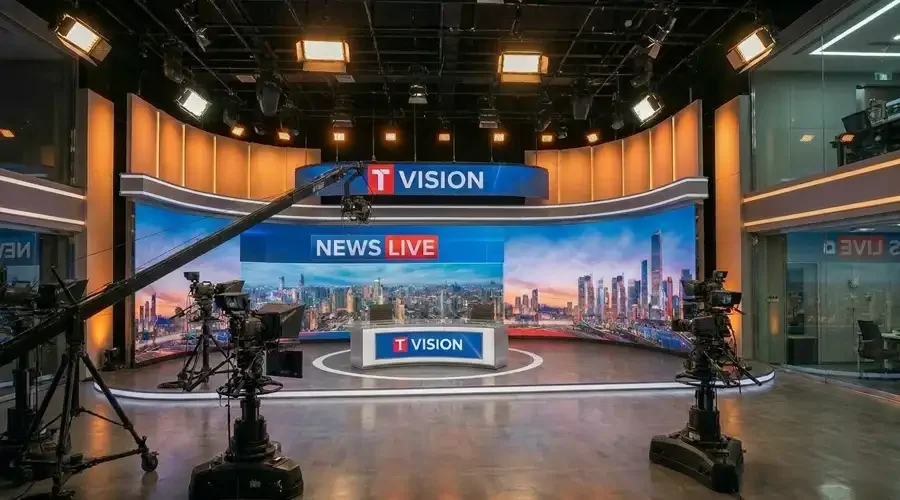



































What is an LED Wall? Complete Guide & Benefits Explained
LED walls have revolutionized the way businesses, organizations, and entertainment venues display digital content. As demand for immersive, high-resolution visuals continues to grow, LED walls are becoming essential in a variety of applications. In this guide, we will explore everything you need to know about LED walls, including their definition, components, working principles, benefits, and common applications.

What is an LED Wall?
An LED wall is a large display system composed of individual LED (Light Emitting Diode) panels seamlessly connected to create a unified, high-resolution screen. These systems can deliver bright, vibrant, and dynamic visual content in both indoor and outdoor environments. Unlike traditional display methods, LED walls offer scalability, flexibility, and exceptional clarity.
How Does an LED Wall Work?
LED walls function by using thousands of tiny LEDs that emit light when electrically powered. These LEDs are arranged in clusters or pixels, each consisting of red, green, and blue diodes. When combined, they produce a full-color display. The panels connect to a video processor, which converts input signals into dynamic visual content.
Key Components:
LED Modules: The core building blocks, containing numerous LED pixels.
Cabinets: Frames that house LED modules and provide structural support.
Video Processor: Converts video signals for display.
Power Supply: Ensures stable power distribution.
Control System: Allows operators to manage content and performance.
Types of LED Walls
1. Indoor LED Walls
Indoor LED walls are designed for controlled environments such as conference rooms, retail stores, and exhibition halls. They typically feature fine pixel pitches for high-resolution imagery.
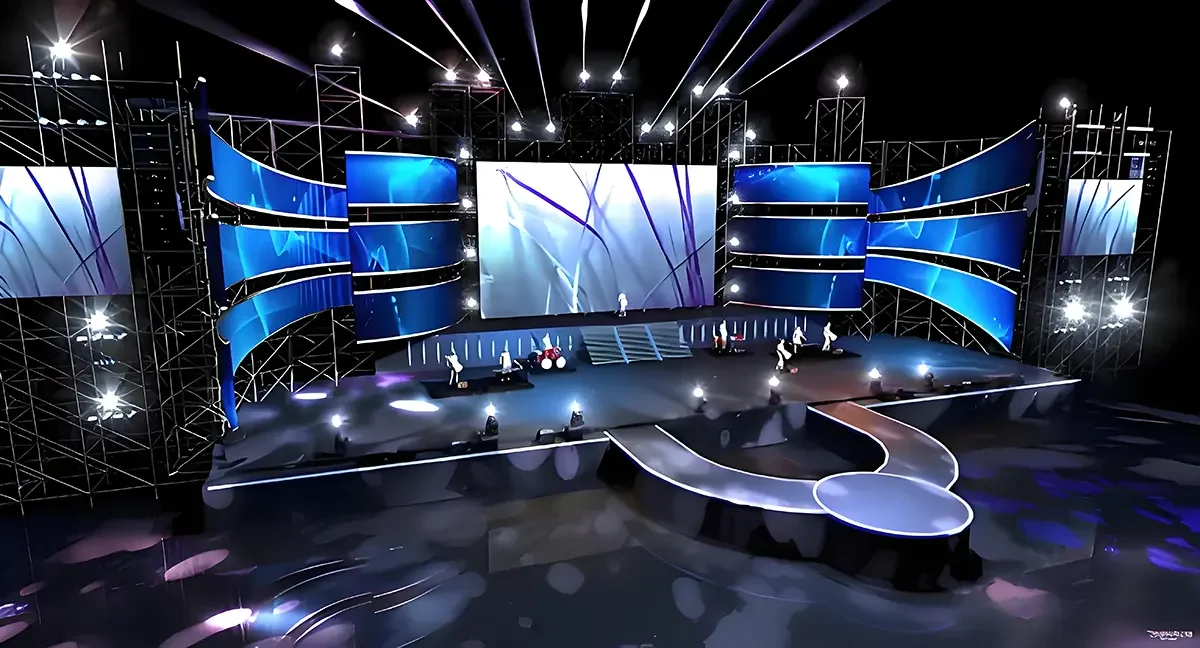
2. Outdoor LED Walls
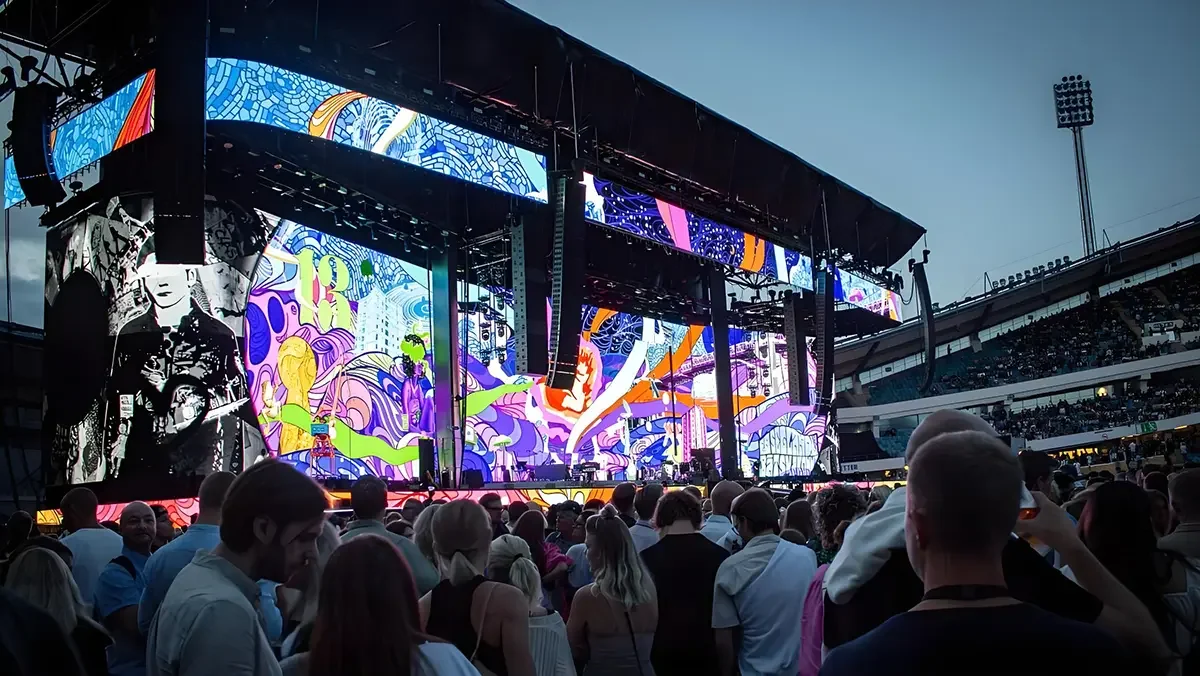
Outdoor LED walls are engineered to withstand harsh weather conditions. They offer high brightness levels to remain visible under direct sunlight.
3. Flexible LED Walls
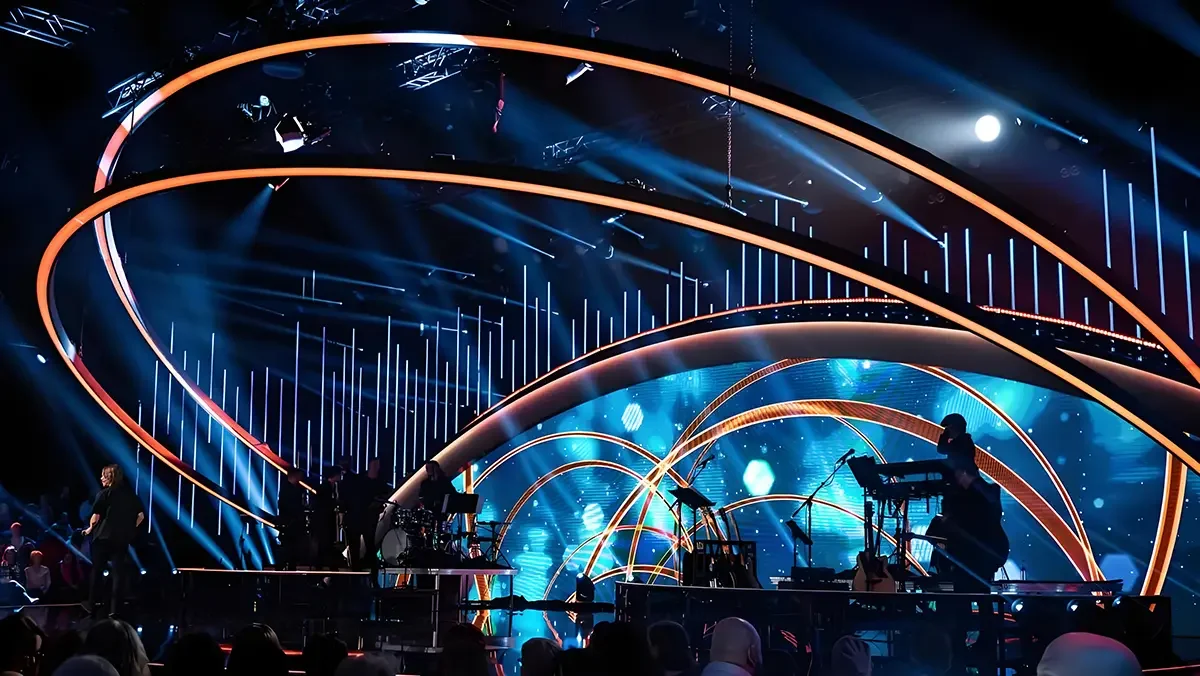
These walls can bend and curve, enabling creative installations in unique architectural spaces.
4. Transparent LED Walls
Ideal for storefronts and glass facades, these walls maintain visibility while displaying vibrant content.
Benefits of LED Walls
1. High Brightness and Visibility
LED walls deliver superior brightness compared to traditional displays, ensuring visibility in various lighting conditions.
2. Seamless Scalability
They allow for seamless expansion, making it easy to create large-scale displays.
3. Energy Efficiency
Modern LED technology consumes less power while providing brilliant visuals.
4. Versatile Applications
LED walls adapt to numerous environments, from advertising and entertainment to command centers and retail spaces.
5. Long Lifespan
With proper maintenance, LED walls can last over 100,000 hours of continuous operation.
6. Low Maintenance
Modular design enables easy replacement of damaged components.
Common Applications of LED Walls
1. Retail and Shopping Malls
LED walls are used to attract customers with dynamic advertisements and promotional content.
2. Corporate and Conference Rooms
Businesses deploy LED walls for presentations, meetings, and video conferencing.
3. Control Rooms and Command Centers
LED video walls are essential for real-time monitoring, data visualization, and situational awareness.
4. Sports Arenas and Stadiums
These venues use LED walls for live event broadcasting, scoreboards, and advertising.
5. Transportation Hubs
Airports, train stations, and bus terminals leverage LED walls for schedules, directions, and emergency messages.
6. Exhibition and Trade Shows
Exhibitors utilize LED walls to showcase products and engage visitors.
Key Factors to Consider When Choosing an LED Wall
1. Pixel Pitch
The pixel pitch determines the resolution and optimal viewing distance. A smaller pixel pitch results in higher resolution and closer viewing.
2. Screen Size
Choose a screen size that suits your venue's dimensions and viewing distance.
3. Brightness Level
Ensure the LED wall provides sufficient brightness for the installation environment.
4. Refresh Rate
High refresh rates prevent flickering and improve motion clarity.
5. Installation and Maintenance
Select a design that allows easy installation and minimal maintenance.
6. Budget
Consider the total cost of ownership, including installation, operation, and maintenance.
LED Wall vs LCD Video Wall
| Feature | LED Wall | LCD Video Wall |
|---|---|---|
| Brightness | Very High | Moderate |
| Seamlessness | Completely Seamless | Visible Bezels |
| Lifespan | Longer | Shorter |
| Viewing Angle | Wide | Limited |
| Energy Consumption | Efficient | Higher |
| Installation | Modular and Flexible | Fixed Panels |
| Cost | Higher Initial Investment | Lower Initial Investment |
Installation and Setup Process
Step 1: Site Assessment
Evaluate the location to determine space availability, viewing angles, and environmental conditions.
Step 2: Design and Planning
Work with specialists to design the display layout, pixel pitch, and dimensions.
Step 3: Hardware Installation
Mount the cabinets and connect LED modules securely.
Step 4: System Configuration
Integrate the video processor and control system, then calibrate the display.
Step 5: Testing and Commissioning
Conduct comprehensive testing to ensure optimal performance.
Future Trends in LED Wall Technology
1. Micro LED and Mini LED
These technologies offer superior contrast, brightness, and efficiency.
2. Higher Resolutions
8K and beyond are becoming more accessible for ultra-detailed displays.
3. AI-Enhanced Displays
Artificial intelligence enables advanced content optimization and predictive maintenance.
4. Eco-Friendly Designs
Sustainable materials and lower power consumption are key focuses.
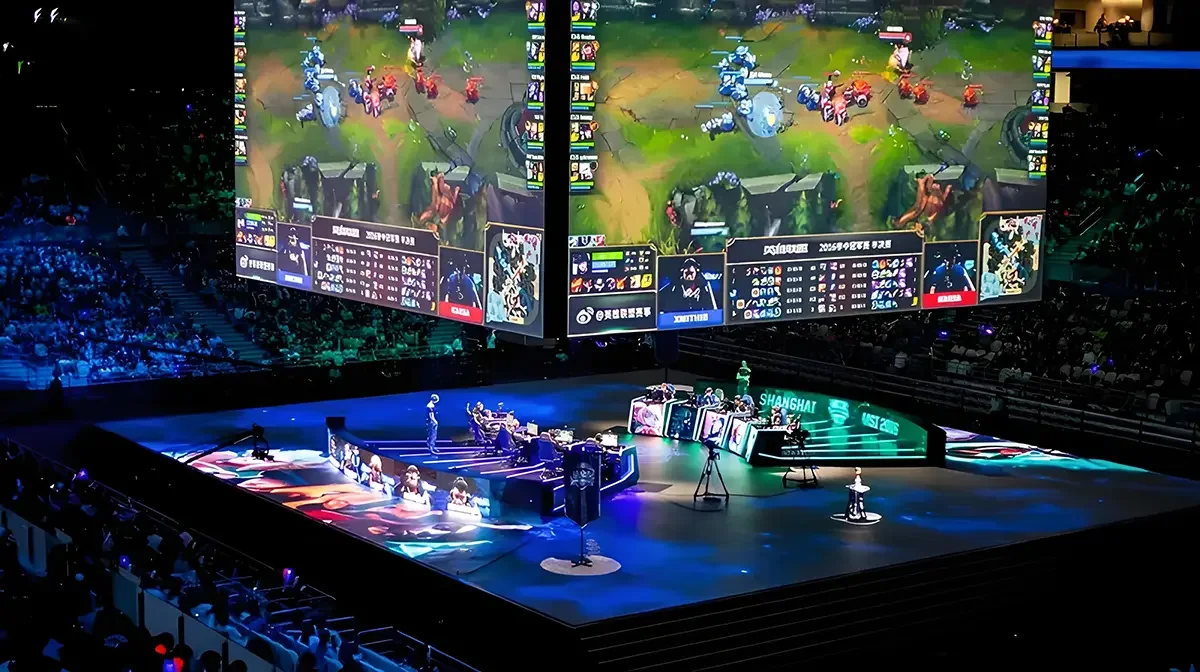
LED walls are redefining how we experience visual content across various industries. Their versatility, high brightness, and scalability make them an ideal choice for businesses seeking impactful digital displays. By understanding their types, benefits, and applications, you can select the perfect LED wall solution for your needs.
If you're ready to explore the possibilities of LED wall technology, contact our experts for personalized recommendations and project consultations.
Frequently Asked Questions
What is the lifespan of an LED wall?
Most LED walls last between 50,000 to 100,000 hours, depending on usage and maintenance.
Can LED walls be used outdoors?
Yes, outdoor LED walls are designed to withstand harsh weather conditions and provide high brightness.
How do I choose the right pixel pitch?
Consider your viewing distance and desired resolution. Smaller pixel pitches are ideal for closer viewing.
Are LED walls energy efficient?
Modern LED walls are highly energy-efficient compared to older display technologies.
How much does an LED wall cost?
Prices vary based on size, pixel pitch, and installation requirements. Contact us for a customized quote.