



































Are LED Screens Waterproof
Are LED screens waterproof?
This is one of the most searched questions among buyers planning outdoor advertising, live events, stadium displays, transportation signage, and large-scale installations exposed to rain, humidity, dust, and temperature fluctuations. The answer depends on IP rating, structural design, installation method, and usage environment rather than the LED screen itself.
Understanding how waterproof LED screens work, what protection levels actually mean, and how different environments affect performance plays a critical role in long-term reliability, safety, and return on investment.
Are LED Screens Waterproof or Water-Resistant?
LED screens are not universally waterproof. Waterproof capability varies by model, configuration, and protection standard.
Indoor LED screens offer little to no water protection
Outdoor LED screens are designed with waterproof structures
Semi-outdoor LED displays provide limited water resistance
Waterproof performance is defined by internationally recognized Ingress Protection (IP) ratings, which indicate resistance to water and solid particles.
What Does Waterproof Mean for LED Screens?
Waterproof LED screens are designed to prevent moisture from entering critical electronic components during normal outdoor exposure such as:
Rainfall
Splashing water
Wind-driven moisture
High humidity
Waterproof does not mean permanent submersion unless specifically stated by the IP rating.

Understanding IP Ratings for LED Screens
What Is an IP Rating?
An IP rating consists of two numbers:
First digit (0–6): Protection against solid particles
Second digit (0–9): Protection against liquids
Higher numbers represent stronger protection.
Common IP Ratings Used in LED Displays
| IP Rating | Protection Level | Typical Application |
|---|---|---|
| IP20 | No water protection | Indoor LED video walls |
| IP43 | Light splash resistance | Covered outdoor areas |
| IP54 | Splash and dust resistance | Semi-outdoor displays |
| IP65 | Rain and water jet protection | Outdoor LED billboards |
| IP67 | Temporary water immersion | Extreme environments |
For most outdoor installations, IP65 LED screens are the industry standard.
Are Outdoor LED Screens Waterproof?
Outdoor LED screens are engineered to withstand rain and harsh weather conditions when properly manufactured and installed.
Key waterproof features include:
Sealed LED modules
Waterproof cabinet construction
Anti-corrosion coatings
Waterproof power supplies and connectors
Most outdoor LED displays feature IP65 protection on the front and IP54 or higher on the rear, ensuring stable operation in exposed environments.
Are Indoor LED Screens Waterproof?
Indoor LED screens are not waterproof. These displays typically feature:
Open cabinet designs
Ventilation-focused airflow
Minimal environmental sealing
They are intended for climate-controlled spaces such as:
Shopping malls
Conference rooms
Exhibition halls
TV studios
Using indoor LED screens outdoors, even temporarily, significantly increases the risk of electrical failure.
Semi-Outdoor LED Screens Explained
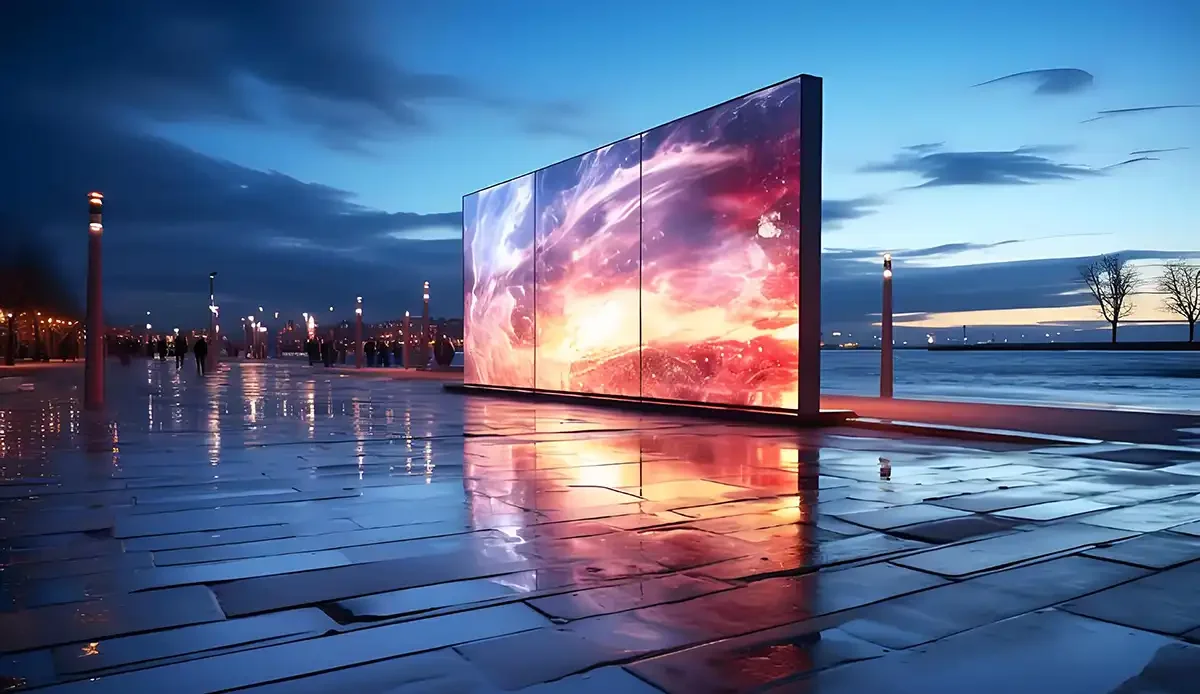
Semi-outdoor LED screens provide a balance between ventilation and protection. These displays usually carry IP43 or IP54 ratings, suitable for environments like:
Covered walkways
Building entrances
Transportation shelters
They tolerate light rain and splashes but are not designed for prolonged exposure to heavy rainfall.
How Waterproof LED Screens Are Constructed
Waterproof LED Modules
Each LED module is sealed using:
Silicone potting
Waterproof masks
Protective PCB coatings
This prevents water from contacting electronic circuits.
Waterproof Cabinets
Outdoor LED cabinets are commonly made from:
Aluminum alloy
Galvanized steel
Stainless steel
Structural features include:
Rubber sealing strips
Waterproof locking mechanisms
Built-in drainage channels
Power and Signal Protection
Reliable waterproof LED screens use:
IP65-rated power supplies
Sealed aviation connectors
Waterproof signal cables
These components eliminate common moisture entry points.
Can Waterproof LED Screens Operate in the Rain?
Yes. Waterproof LED screens designed for outdoor use can operate continuously during rainfall, including heavy rain, provided that:
The IP rating matches environmental conditions
Installation follows correct drainage and sealing standards
Electrical connections are properly protected
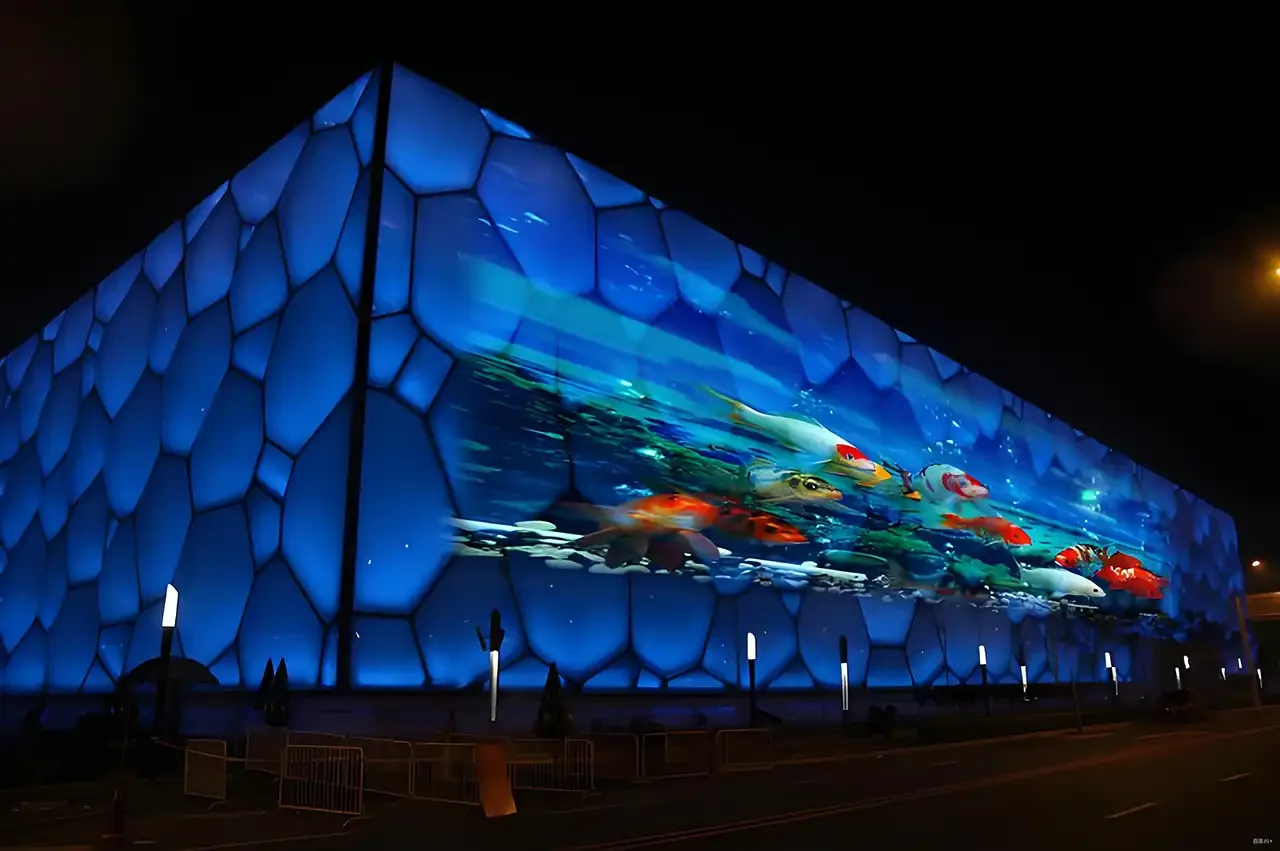
Outdoor LED billboards and stadium displays routinely function year-round in rainy climates.
Waterproof LED Screens and Humidity Resistance
Waterproof protection focuses on external water, while humidity resistance addresses internal moisture buildup.
High humidity can cause:
Condensation inside cabinets
Corrosion of connectors
Reduced electronic lifespan
High-quality outdoor LED screens include:
Anti-condensation coatings
Ventilation systems
Thermal management designs
These features are essential for tropical and coastal regions.
Waterproof vs Weatherproof LED Screens
Although often used interchangeably, the terms differ:
Waterproof LED screens resist water penetration
Weatherproof LED screens resist rain, dust, wind, UV exposure, and temperature changes
Most outdoor LED screens are technically weatherproof with waterproof capabilities.
Can LED Screens Be Submerged in Water?
Standard LED screens are not designed for continuous submersion.
IP67-rated screens allow temporary immersion
Continuous underwater use requires specialized display technology
Standard outdoor LED displays are not suitable for fountains or underwater installations.
Common Applications of Waterproof LED Screens
Outdoor Advertising Displays
Roadside billboards
Building facades
Digital signage
Sports and Stadium Displays
Scoreboards
Perimeter screens
Large-format video walls
Event and Rental LED Screens
Outdoor concerts
Festivals
Temporary installations
Transportation Infrastructure
Airports
Train stations
Bus terminals
Each application demands consistent waterproof performance.
Installation Factors Affecting Waterproof Performance
Improper installation can compromise waterproof design.
Key considerations include:
Proper screen tilt for water runoff
Secure sealing of cabinet joints
Drainage channel alignment
Cable drip loops to prevent water travel
Correct installation ensures long-term stability.
Maintenance of Waterproof LED Screens
Waterproof does not mean maintenance-free.
Routine practices include:
Inspecting seals and connectors
Cleaning with low-pressure water
Monitoring humidity and temperature
Preventive maintenance significantly extends service life.
Myths About Waterproof LED Screens
“All outdoor LED screens are waterproof.”
Protection levels vary by design and manufacturer.
“Higher IP ratings are always better.”
Excessive sealing may reduce heat dissipation.
“Waterproof screens never fail.”
Environmental extremes and improper installation still cause issues.
How to Choose the Right Waterproof LED Screen
Consider the following:
Rainfall frequency
Humidity levels
Dust exposure
Temperature range
Match these factors with an appropriate IP rating and structural design.
Lifespan of Waterproof LED Screens
A properly designed and maintained waterproof LED screen typically lasts 7–10 years, depending on:
Daily operating hours
Environmental exposure
Maintenance quality
Outdoor conditions naturally accelerate wear, making protection essential.
Energy Efficiency and Waterproof LED Displays
Modern waterproof LED screens feature:
High-efficiency LEDs
Intelligent brightness control
Optimized power management
Waterproof construction does not inherently increase energy consumption.
Safety Advantages of Waterproof LED Screens
Proper waterproofing reduces:
Electrical hazards
Short circuits
Fire risks
Safety is especially critical in public outdoor installations.
Frequently Asked Questions
Are LED screens waterproof by default?
No. Waterproof capability depends on design and IP rating.
What IP rating is required for outdoor LED screens?
IP65 is the most widely used standard for fully exposed outdoor environments.
Can indoor LED screens be waterproofed?
Temporary protection is possible, but long-term outdoor use is not recommended.
Do waterproof LED screens work in snow?
Yes, if designed for low temperatures and proper sealing.
Can waterproof LED screens handle coastal environments?
Yes, when equipped with anti-corrosion and humidity control features.
Conclusion
Are LED screens waterproof?
They are engineered to be waterproof when designed for outdoor use and installed correctly. Waterproof LED screens combine sealed modules, protected cabinets, and weather-resistant components to deliver stable performance in challenging environments.
Choosing the correct waterproof LED screen is essential for durability, safety, and long-term value—especially where exposure to rain and humidity is unavoidable.
-
 P4.81 Outdoor LED Display - Outdoor High Resolution Display
P4.81 outdoor LED display with IP66 waterproof design, up to 6500 nits brightness, 500×1000mm cabinet and front/rear ser...
-
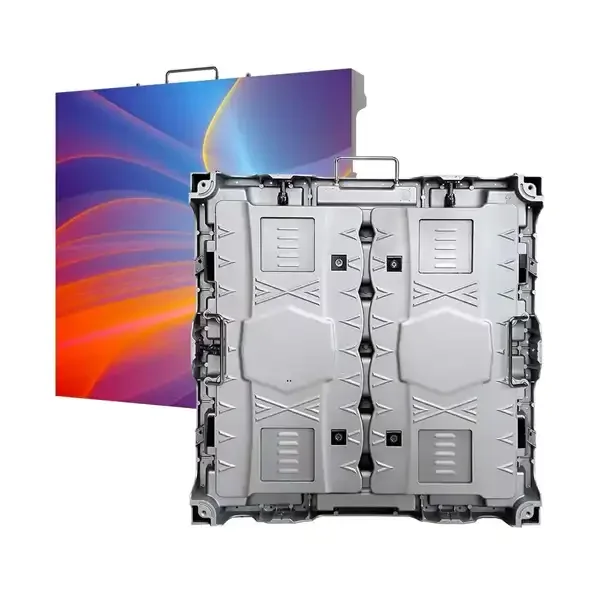 P4 Outdoor LED Screen | IP65 Waterproof HD Advertising Display
P4 outdoor LED screen with 4mm pitch, 6000 -10000nits brightness, IP65 waterproof cabinet & 7680Hz refresh—HD outdoo...
-
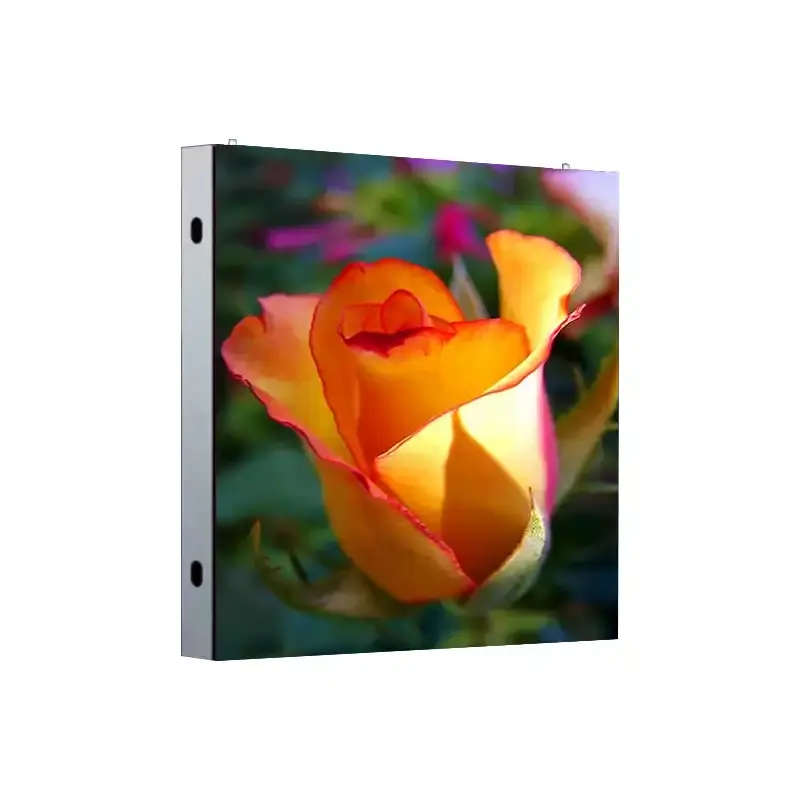 P3.91 Outdoor LED Screen - High-Brightness IP65 Waterproof Display for Outdoor Advertising
P3.91 LED display delivers clear outdoor visuals, high brightness, vivid colors, and stable performance for advertising,...