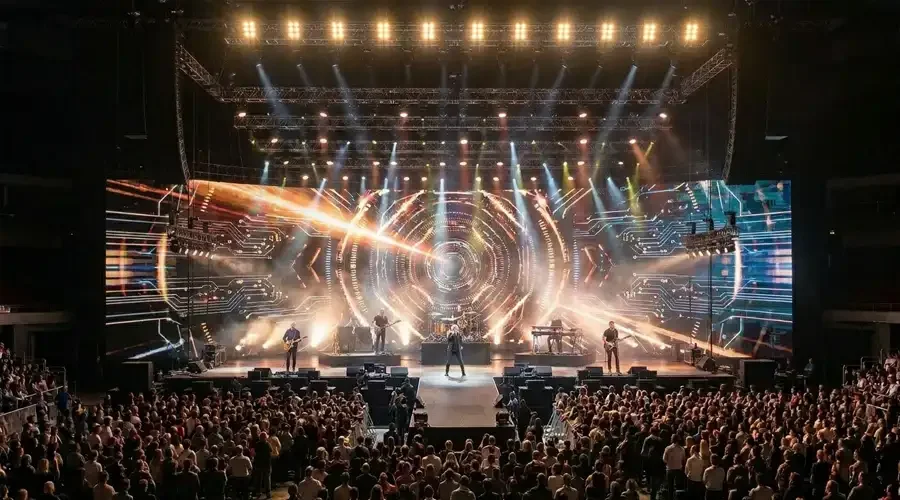



































P3 Indoor LED Display Screen Price Guide for 2025
What is a P3 Indoor LED Display Screen?
A P3 indoor LED display screen refers to a full-color LED screen with a 3mm pixel pitch. This type of screen is known for its high definition, high brightness, and true-to-life color, making it widely used in studios, conference rooms, exhibition halls, shopping malls, theaters, and control centers.
Compared with traditional LCD screens or projectors, P3 LED displays offer higher contrast, wider viewing angles, and seamless image presentation. They provide a visually stunning experience for video playback, advertisements, and data visualization.
Core Value of P3 Indoor LED Displays
Brightness and Color Performance
For indoor environments, P3 LED displays typically provide 800–1500 nits of brightness, which is enough to overcome indoor lighting interference. High refresh rates and deep color technology ensure smooth visuals and rich colors, making advertisements, programs, and content more engaging.
Viewing Distance and Pixel Density
The 3mm pixel pitch makes P3 ideal for close-to-medium viewing distances. It delivers clear, smooth images without noticeable pixelation, even at viewing distances as close as 3 meters.
Modular Design and Easy Maintenance
Modern LED displays are modular, allowing for easy maintenance. Common designs include front maintenance and rear maintenance, which can be chosen based on the installation environment.
Factors Affecting P3 Indoor LED Display Prices
The price of a P3 indoor LED display varies significantly based on several key factors.
1. Pixel Density and Screen Size
The cost is closely related to pixel density. P3 indicates a 3mm distance between pixels, meaning a higher pixel count per square meter, which increases manufacturing costs.
Screen size also affects total cost—the larger the screen, the more LEDs and control hardware are required.
2. LED Chip Quality
LED chips are the most critical component of the display panel, affecting:
Color uniformity
Lifespan
Energy efficiency
Failure rate
High-quality chips from brands like Nationstar, Epistar, or Cree are more expensive but offer better color performance and reliability compared to low-end alternatives.
3. Driver and Control System
The control chip and driver IC are also important cost factors:
High refresh rate chips (up to 3840Hz+)
Color calibration features
High-precision synchronization
Higher quality control systems improve stability, reduce flicker, and provide a better viewing experience.
4. Installation Environment and Structural Design
Indoor LED display installation varies:
Ceiling-mounted, wall-mounted, or embedded design
Required protective casing
Front maintenance vs. rear maintenance
All these factors affect installation materials and labor costs, impacting the final price.
5. Brand and Warranty Service
Brand reputation significantly influences price. Well-known international brands usually provide longer warranty periods and technical support. While more expensive, they ensure long-term reliability.
Typical Market Price Range for P3 Indoor LED Displays
Below are approximate price ranges for P3 indoor LED displays:
| Screen Size | Price per Square Meter | Suitable Application |
|---|---|---|
| Small Monochrome Screen | $400 – $500 | Retail window display |
| Medium Full-Color Screen | $500 – $720 | Conference backgrounds |
| High-End Studio/Performance Screen | $720 – $1,150+ | Studios, live broadcasting |
| Large Custom Modular Screen | $1,150 – $1,600+ | Exhibitions, museums |
Note: Prices vary depending on brand, installation environment, and additional accessories.
How to Evaluate P3 LED Display Quotes
Choosing a display involves more than just looking at the price. Key indicators and services should also be considered.
1. Cost per Square Meter vs. Actual Value
High price does not always equal high value. Consider unit picture quality, optical performance, and long-term costs when evaluating.
2. Mean Time Between Failures (MTBF)
A higher MTBF indicates better stability, longer lifespan, and fewer maintenance requirements, which saves money over time.
3. Indoor Light Adjustment
Some LED systems support automatic brightness adjustment based on ambient light, saving energy and reducing eye strain.
4. Control Software and Compatibility
Check if the display supports wireless casting, multi-system compatibility, and remote maintenance features to improve efficiency.
5. After-Sales Support and Technical Assistance
Professional service should include on-site installation, calibration, replacement parts, and warranty coverage.
Advantages of P3 Indoor LED Displays
High Definition
P3 offers superior clarity for close-range viewing compared to larger pitch LEDs or traditional screens.
Accurate Color Reproduction
True-to-life colors enhance visual appeal for marketing content and dynamic visuals.
Wide Viewing Angle
High-quality LEDs provide horizontal and vertical viewing angles of up to 160°, allowing multiple viewers to see clearly without distortion.
Easy Maintenance
Modular design and intelligent control systems reduce maintenance costs and downtime.
Applications of P3 Indoor LED Displays
Retail and Commercial Displays
Used for promotional advertisements and brand visibility, attracting customers in high-traffic areas.
Exhibitions and Showrooms
P3 screens enhance visual impact, creating immersive experiences at trade shows and exhibition centers.
Corporate Meetings and Control Centers
Corporate backgrounds and large control displays require high image quality and synchronization, which P3 delivers.
Studios and Live Broadcasting
High-end studio environments require accurate colors and flicker-free performance for professional video production.
How to Choose a P3 Indoor LED Display Supplier
1. Product Quality and Certifications
Select displays with certifications like CE, RoHS, or FCC for safety and reliability.
2. On-Site Survey and Design Services
Professional suppliers provide site measurements and visual effect planning.
3. Installation and Calibration
Qualified teams handle installation, wiring, and color/brightness calibration.
4. Training and Support
Suppliers should provide operational training and technical guidance post-installation.
Cost-Saving Strategies
Optimize Screen Size
Design the screen size based on viewing distance and purpose to avoid unnecessary cost.
Use Energy-Saving Features
Automatic brightness control and energy-efficient power supply can reduce operating costs.
Compare Multiple Quotes
Request proposals from several suppliers to find the best combination of price and quality.
Long-Term Cost Analysis for P3 Displays
Power Consumption
Indoor LED displays consume electricity, but smart brightness settings and timers help control costs.
Maintenance and Replacement
Modular, easy-to-replace designs reduce maintenance time and cost.
Upgradability
Displays that support future upgrades or integration with interactive systems increase overall value.
Common Misconceptions
Misconception 1: Only Initial Price Matters
Focusing solely on the purchase price ignores performance and long-term costs. Evaluate image quality, maintenance, and energy consumption.
Misconception 2: Bigger is Better
Oversized screens can cause mismatched viewing distance, cost waste, and installation challenges.
Misconception 3: Higher Brightness Equals Better Quality
Excessive brightness increases energy consumption and visual discomfort. Choose brightness suitable for indoor use.
Ensuring Stable Operation of P3 Screens
Regular Maintenance Plan
Check power supply, cables, control cards, and pixel modules to prevent failures.
Remote Monitoring
Many control systems allow real-time monitoring of the display status.
Dust Prevention and Heat Dissipation
Proper ventilation and dust control extend the display’s lifespan.
Future Trends in LED Display Technology
Higher-resolution small-pitch LEDs (P2.5, P2) will become mainstream
AI and interactive system integration for smarter content display
Energy-efficient, lightweight designs for indoor applications
Trusted LED Solutions from Reissopto
For businesses seeking reliable, high-performance indoor LED displays, Reissopto offers a full range of P3 LED solutions. As a dedicated manufacturer, Reissopto ensures superior LED chip quality, precise color calibration, and modular design for easy maintenance. With professional installation guidance and responsive technical support, Reissopto displays deliver both stunning visuals and long-term reliability, helping companies maximize the value of their indoor digital signage investments.
Conclusion
P3 indoor LED displays are favored for high-definition visuals, wide color gamut, excellent viewing angles, and flexible installation, making them ideal for mid-to-high-end commercial and broadcast applications.
Prices vary depending on LED chip quality, control systems, screen size, and installation design. Selecting the right display involves evaluating performance, long-term maintenance, and total cost of ownership rather than just the purchase price.
A comprehensive assessment ensures the best value, stable operation, and high visual impact for any indoor application.
FAQ: P3 Indoor LED Display Screen Price
1. What factors most influence the P3 Indoor LED Display Screen Price?
Factors include LED chip quality, pixel pitch precision, control system sophistication, screen size, installation complexity, and brand reputation. Higher-end components and customization typically increase the price.
2. Can a P3 Indoor LED screen be used in bright indoor environments?
Yes, P3 indoor LED screens generally offer brightness levels between 800–1500 nits, making them suitable for well-lit spaces such as malls, conference halls, and exhibition centers.
3. How energy-efficient are P3 indoor LED displays?
Modern P3 LED screens are designed with energy-saving features such as automatic brightness adjustment and efficient power supplies, which help reduce electricity costs while maintaining visual quality.
4. Is P3 the best choice for close-up viewing?
Yes, with a 3mm pixel pitch, P3 displays provide smooth, high-resolution images suitable for viewing distances as close as 2–3 meters, making them ideal for indoor applications requiring fine detail.
5. How easy is it to maintain a P3 indoor LED display?
Maintenance is straightforward due to modular design. Individual LED modules can be replaced without disassembling the entire screen. Some systems also support remote monitoring to detect issues early.
6. Are P3 indoor LED screens compatible with interactive systems?
Many P3 displays support integration with interactive software, wireless casting, and multi-system compatibility, allowing businesses to create dynamic presentations and engage audiences more effectively.