


































Event LED Screen for Live Events and Productions
An event LED screen has become one of the most essential visual tools in live events and professional productions. Whether used at concerts, conferences, exhibitions, festivals, or corporate launches, LED screens define how audiences experience content, emotion, and scale. High brightness, modular flexibility, and real-time content control allow event LED displays to adapt to nearly any environment, from small indoor venues to massive outdoor stages.
As live experiences continue to evolve, event LED screens are no longer optional enhancements. They are a core component of modern event design, visual storytelling, and audience engagement.
What Is an Event LED Screen?
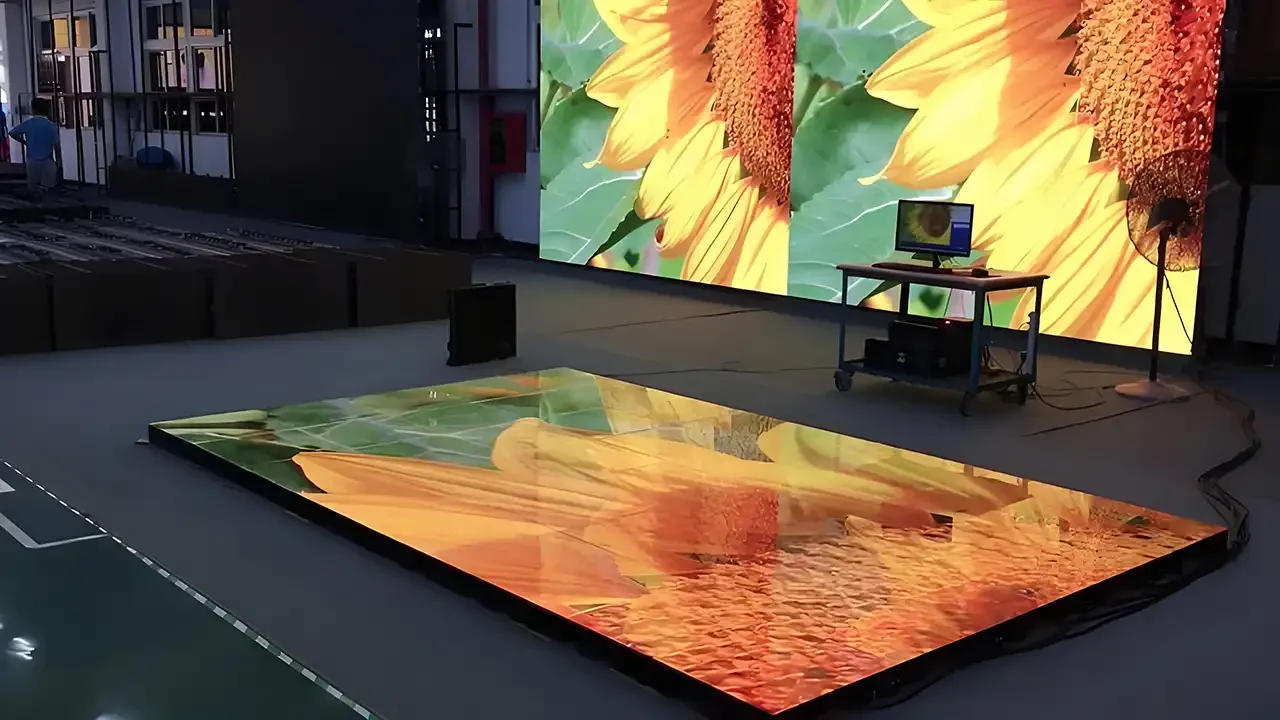
An event LED screen is a modular LED display system designed for temporary or semi-permanent use in live environments. These screens consist of multiple LED cabinets or panels that connect seamlessly to form a large display surface capable of showing video, graphics, presentations, camera feeds, and animated effects.
Unlike Fixed LED Display event LED screens focus on portability, fast setup, flexible configuration, and reliable performance under changing conditions. This makes them ideal for rental use, touring productions, and multi-venue events.
Why Event LED Screens Are Essential for Live Events
Visual Impact at Any Scale
Event LED screens create strong visual presence regardless of venue size. From intimate conference halls to open-air festivals, LED displays ensure content remains visible and impactful across long viewing distances.
Adaptability to Creative Design
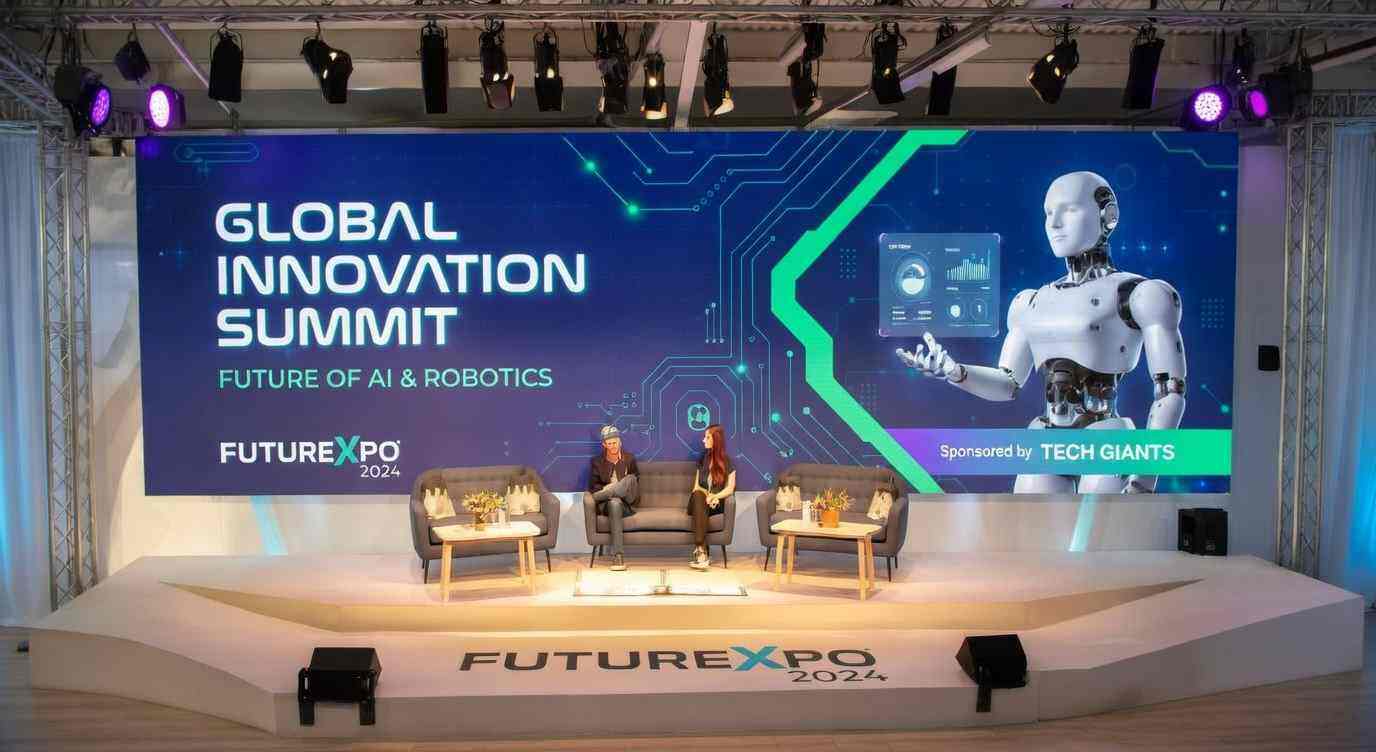
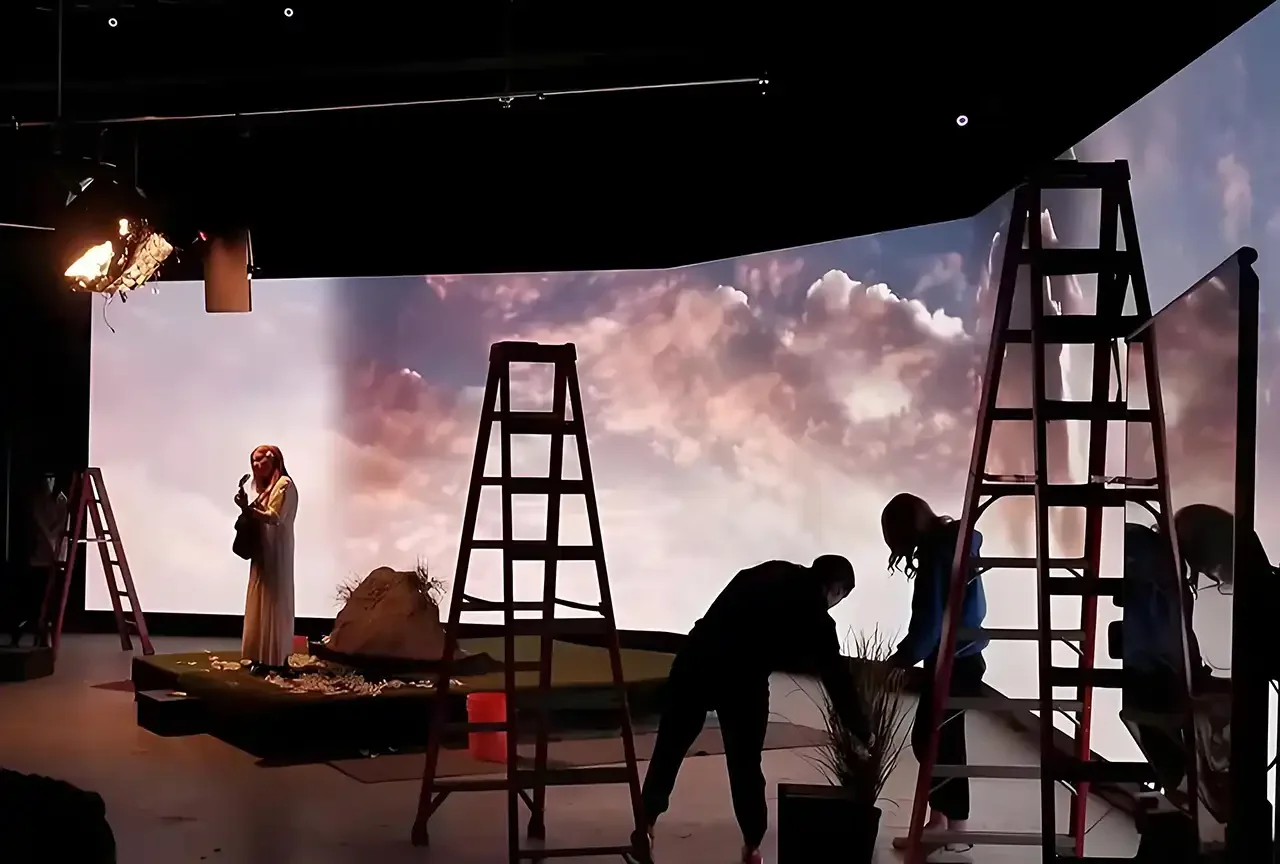
Stage designers and production teams rely on LED screens to shape environments. Curved displays, vertical columns, panoramic backdrops, and immersive LED stages are all possible with modular LED systems.
Real-Time Content Control
Live events require instant responsiveness. Event LED screens support real-time video feeds, dynamic graphics, and synchronized effects that respond to performances or presentations.
Professional Image and Brand Presence
High-quality LED visuals elevate brand perception. Crisp imagery, accurate color reproduction, and seamless playback enhance credibility and professionalism.
Core Components of an Event LED Screen System
A complete event LED display setup includes several key elements working together:
LED display cabinets designed for rental and touring use
Control systems and video processors for signal management
Power distribution units optimized for event environments
Mounting structures, including truss, ground support, or hanging systems
Each component is engineered to ensure fast deployment, stable operation, and consistent visual quality.
Types of Event LED Screens
Rental LED Screens
Rental LED screens are built for frequent assembly and disassembly. Lightweight cabinets, quick-lock mechanisms, and durable materials make them ideal for touring events and rental companies.
Stage LED Screens
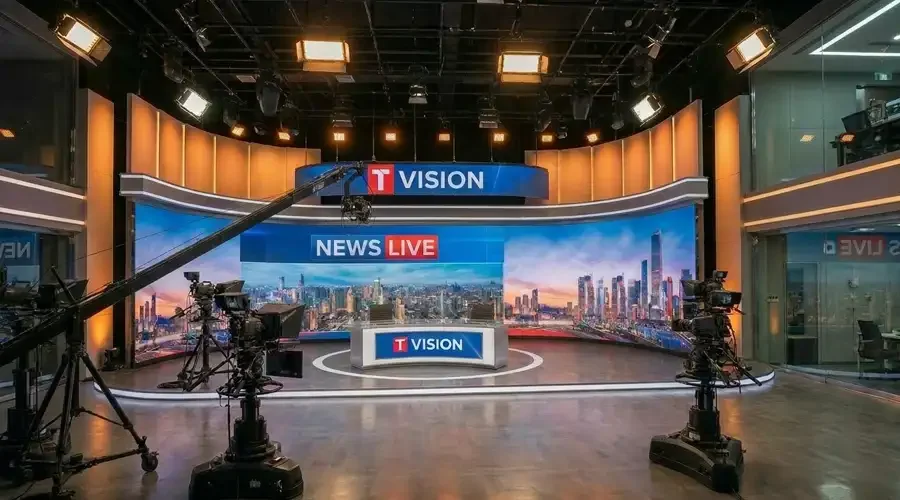
Stage LED screens form the visual backdrop of performances. These displays often feature high refresh rates and wide viewing angles to support live cameras and audience visibility.
Outdoor Event LED Screens
Outdoor event LED displays are designed to withstand weather conditions while maintaining high brightness for daylight visibility. They are commonly used at festivals, concerts, and public events.
Indoor Event LED Screens
Indoor LED screens focus on finer pixel pitch, refined image quality, and controlled brightness for close viewing environments such as conferences and exhibitions.
Key Technical Specifications for Event LED Screens
Pixel Pitch and Viewing Distance
Pixel pitch determines image clarity and optimal viewing distance. Smaller pixel pitch suits close-range viewing, while larger pitch works well for large audiences and long-distance viewing.
Brightness Levels
Event LED screens must adapt to various lighting conditions. Indoor displays typically require moderate brightness, while outdoor screens need higher brightness to remain visible under sunlight.
Refresh Rate
High refresh rates reduce flicker and ensure smooth visuals, especially important for live broadcasts and camera recordings.
Viewing Angle
Wide viewing angles ensure consistent image quality for audiences positioned across different areas of the venue.
Cabinet Design and Weight
Lightweight cabinets simplify transportation and reduce setup time, especially for touring productions and multi-day events.
Common Applications of Event LED Screens
Concerts and Music Festivals
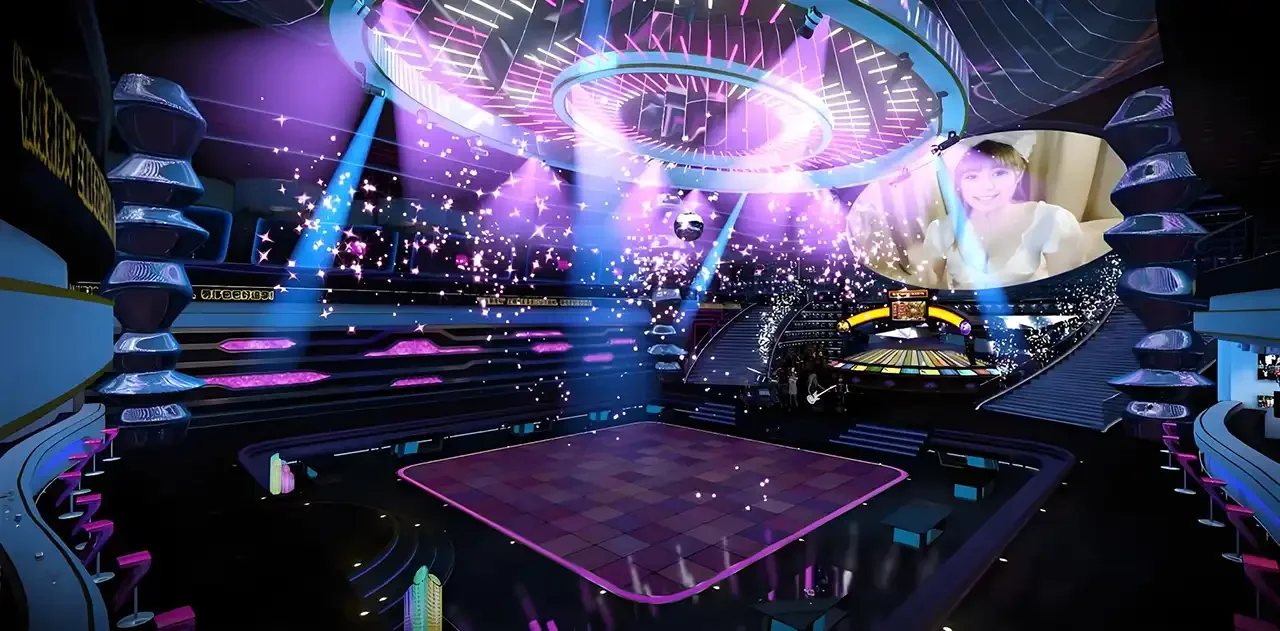
Event LED screens amplify performances by displaying live camera feeds, visual effects, and dynamic backgrounds. Large LED walls enhance stage presence and audience immersion.
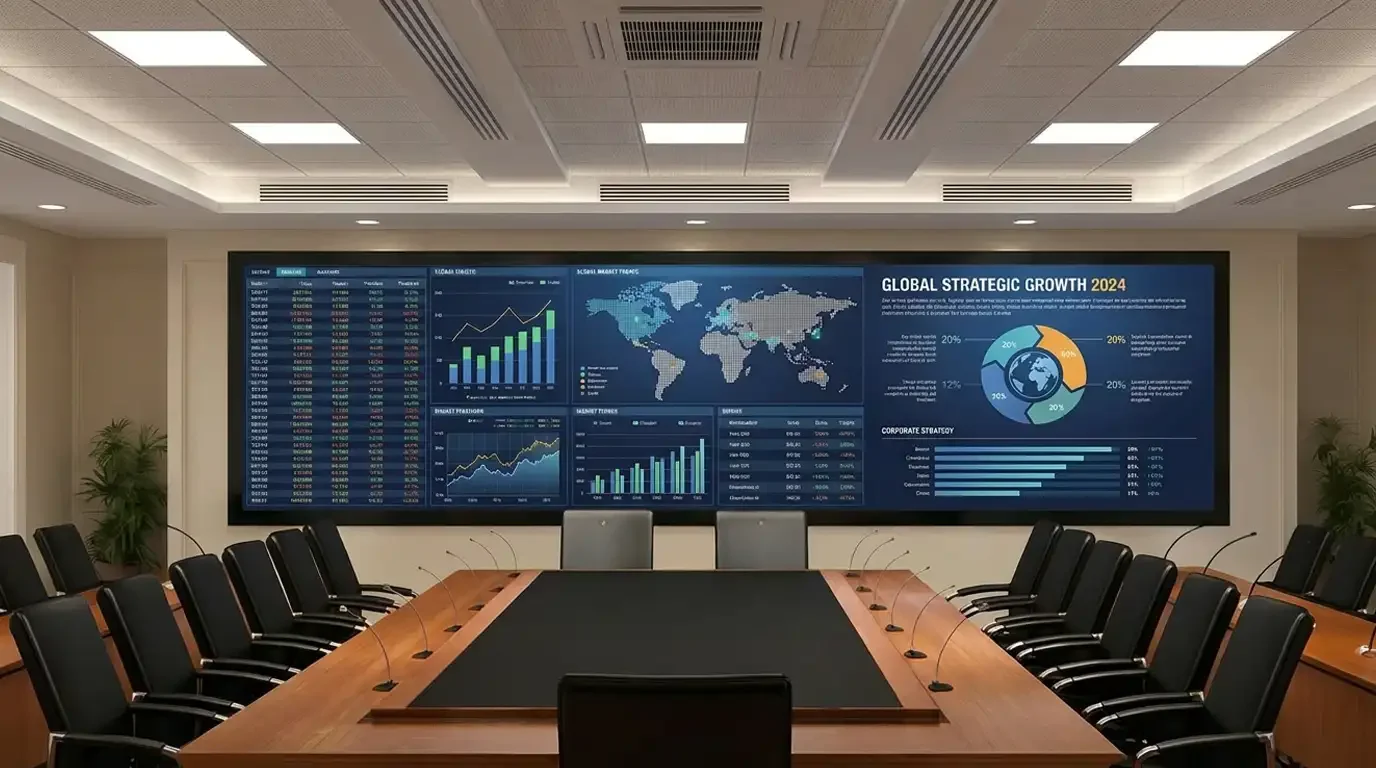
Corporate Events and Conferences
LED screens support presentations, keynote speeches, and brand storytelling. Clear visuals improve communication and audience focus.
Trade Shows and Exhibitions
Exhibition booths use LED screens to attract attention, display products, and create interactive experiences within limited space.
Product Launches
High-resolution LED displays allow brands to reveal products with cinematic visuals, animations, and synchronized lighting effects.
Sporting and Fan Events
Event LED screens display live action, replays, scores, and sponsor content, keeping audiences engaged throughout the event.
Installation Methods for Event LED Screens
Truss-Mounted LED Screens
Truss systems provide flexible support for stage LED walls and allow quick adjustments to screen size and shape.
Ground-Supported LED Walls
Ground support structures are ideal for large outdoor screens where hanging is not practical.
Hanging LED Screens
Suspended LED screens reduce floor footprint and create dramatic visual effects above stages or audiences.
Content Design for Event LED Displays
Effective content design maximizes clarity and emotional impact:
Bold visuals with strong contrast
Readable typography for long-distance viewing
Motion graphics that complement live performances
Balanced color palettes that adapt to stage lighting
Content must remain legible from multiple angles and distances while supporting the event narrative.
Indoor vs Outdoor Event LED Screens
Indoor event LED screens prioritize image detail and refined aesthetics. Outdoor event LED displays focus on brightness, durability, and environmental resistance. Both types share modular flexibility and scalable design.
Reliability and Performance in Live Environments
Live events demand absolute reliability. Event LED screens are built with redundant power and signal options to minimize risk during critical moments. Stable performance ensures uninterrupted visuals throughout the event.
Maintenance and Operational Lifespan
Modular construction allows individual components to be serviced or replaced quickly. High-quality event LED screens typically offer long operational lifespans when maintained properly.
Cost Factors and Value Considerations
The cost of an event LED screen system depends on:
Pixel pitch and resolution
Screen size and configuration
Indoor or outdoor requirements
Control system complexity
While upfront investment can be significant, the return comes from durability, reuse across events, and enhanced audience engagement.
Event LED Screen vs Traditional Projection Systems
| Feature | Event LED Screen | Projection |
|---|---|---|
| Brightness | High | Limited |
| Ambient Light Performance | Excellent | Weak |
| Scalability | Modular | Restricted |
| Setup Flexibility | High | Moderate |
| Maintenance | Low | Higher |
LED screens outperform projection in most professional event environments.
Industry Trends in Event LED Screen Technology
Current trends include:
Higher refresh rates for broadcast-quality visuals
Lighter cabinets for faster touring setups
Curved and creative LED shapes
Integration with lighting and control systems
These developments continue to expand creative possibilities for event producers.
Choosing the Right Event LED Screen
Selecting the right LED screen depends on venue size, viewing distance, content type, and setup requirements. Matching technical specifications with event goals ensures consistent visual performance.
Frequently Asked Questions
What is an event LED screen used for?
It is used to display live video, presentations, and visual effects at concerts, conferences, exhibitions, and other live events.
Are event LED screens suitable for outdoor use?
Yes. Outdoor models are designed for weather resistance and high brightness.
How fast can an event LED screen be installed?
Modular rental LED systems allow rapid setup and dismantling, often within hours.
Do event LED screens support live camera feeds?
Yes. They integrate seamlessly with live video systems.
What viewing distance works best for event LED screens?
Viewing distance depends on pixel pitch and screen size, ranging from close indoor viewing to large outdoor audiences.
The Role of Event LED Screens in Modern Productions
Event LED screens have reshaped how live experiences are delivered. They combine technology, creativity, and reliability into a single visual platform that enhances storytelling and audience connection. As events continue to demand higher visual standards, LED screens remain at the center of professional production design.
Related Display Products
-
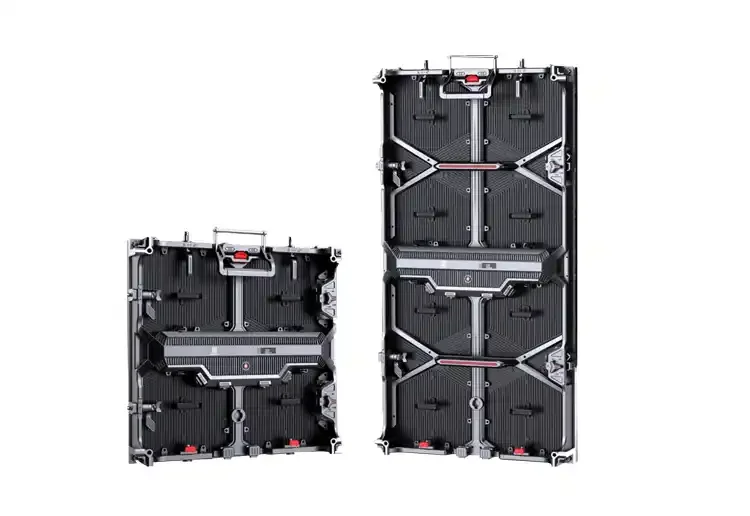 P2.5 Indoor Stage LED Display Screen for Events & Live Shows
P2.5 indoor stage LED display screen with fine 2.5mm pitch, high refresh rate and seamless splicing for events
-
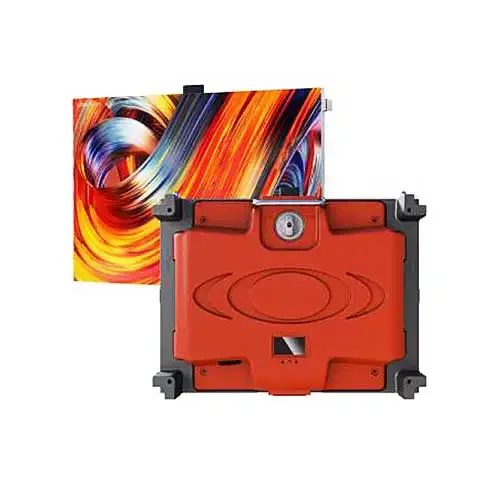 P1.5 Ultra-fine pitch indoor led display
P1.5 ultra-fine pitch indoor LED display delivers sharp details, vivid colors, seamless splicing, and stable
-
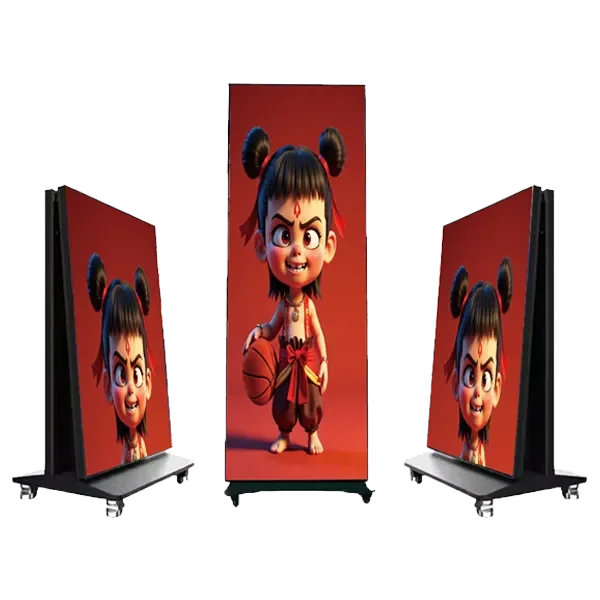 P1.25 Stage Rental LED Display – Ultra HD Screen
P1.25 stage rental LED display offers ultra HD visuals, fine pitch clarity, vivid colors, fast setup, and stable