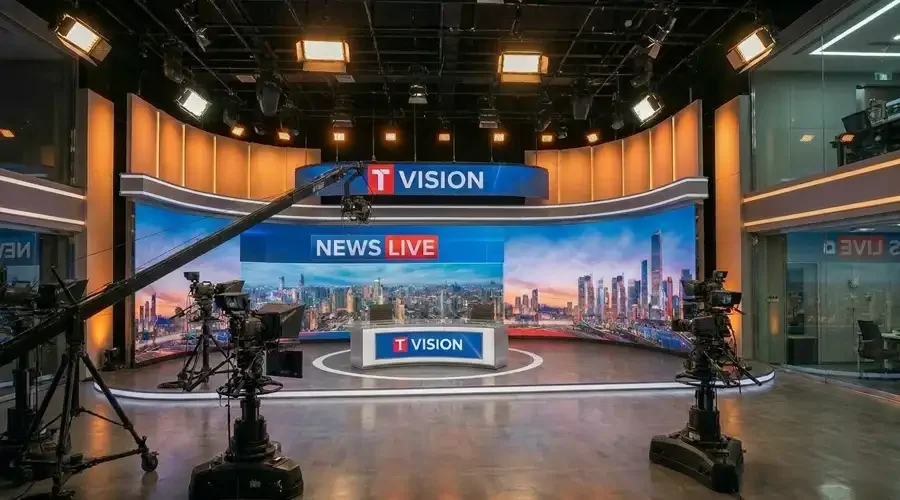



































What Is an Outdoor LED Display
Outdoor LED displays have become an integral part of modern visual communication. They are widely used in advertising, information dissemination, branding, and entertainment. But what exactly is an outdoor LED display? How does it work, and why has it become so popular? This comprehensive guide explores everything you need to know about outdoor LED technology, its applications, types, advantages, and maintenance considerations.
Understanding Outdoor LED Displays
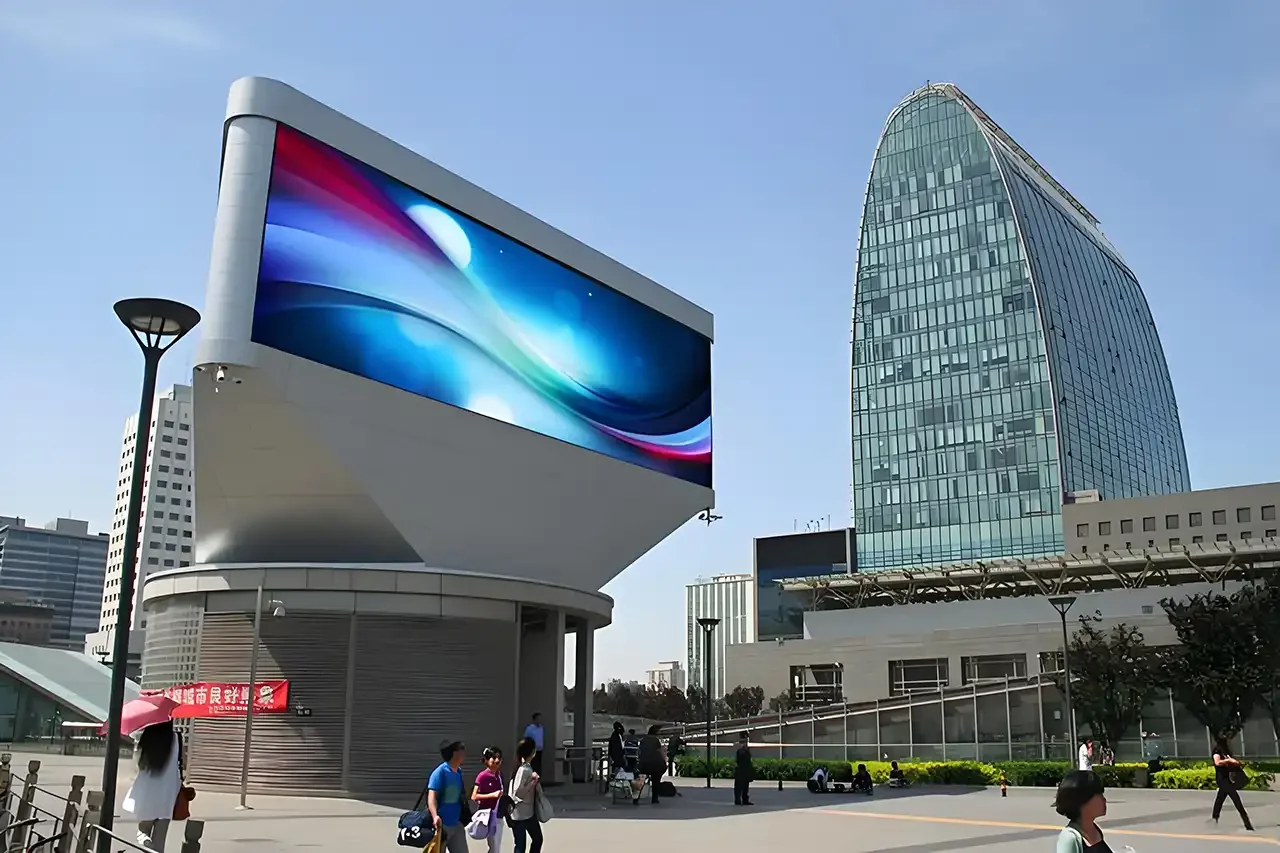
An outdoor LED display refers to a large visual screen that uses light-emitting diodes (LEDs) to present dynamic content such as text, images, and video in outdoor environments. These displays are designed to withstand harsh weather conditions while delivering bright, clear visuals visible from significant distances.
In essence, an outdoor LED display is a specialized form of digital signage engineered for outdoor visibility and durability. Unlike traditional billboards, LED screens offer motion graphics and real-time content updates, providing advertisers and businesses with a powerful visual tool.
The Core Components of an Outdoor LED Display
To understand how an outdoor LED display functions, it’s important to know its key components:
LED Modules
The building blocks of any LED screen, LED modules consist of numerous individual diodes grouped together to form pixels. These pixels light up in combination to create the images and video content displayed.
Cabinet Structure
LED cabinets house the LED modules and provide structural support. They are often made from durable materials like aluminum or steel to withstand rain, wind, and other environmental elements.
Power Supply Units
Outdoor LED displays require stable power to ensure consistent brightness and performance. Power supplies convert electricity into forms suitable for LED operation.
Control Systems
A control system manages the content shown on the display. This can include media servers, software interfaces, and remote management tools that allow users to update messages and media in real time.
Protective Enclosures
To survive outdoor conditions, LED displays must be weatherproof. Protective enclosures, often rated with IP65 or higher, prevent water, dust, and debris from entering sensitive electronic components.
How Outdoor LED Technology Works
At its core, LED technology revolves around diodes that emit light when an electrical current passes through them. Here’s a simplified breakdown of the process:
Signal Input – Content is sent from a media controller or computer to the LED display.
Pixel Activation – Each LED pixel receives instructions on color and brightness.
Image Rendering – The LEDs illuminate accordingly, generating images or video.
Brightness Adjustment – Outdoor screens adapt brightness levels based on ambient light to ensure clear visibility at all times of day.
This real-time interaction allows outdoor LED displays to deliver vibrant visuals that outperform traditional static billboards.
Types of Outdoor LED Displays
Outdoor LED screens come in various forms, each suited to specific applications and environments.
Full-Color Outdoor LED Displays
Full-color screens support millions of colors and are ideal for advertising, video playback, and dynamic branding content. They offer rich visuals that capture attention.
Single-Color Outdoor Displays
These displays show content in one color (often red or green) and are commonly used for text-based messaging, such as public information boards.
Dual-Color Outdoor Displays
Dual-color screens combine two colors to enhance message clarity while maintaining cost-effectiveness. They are often used in price boards, transportation signage, and announcements.
Curved and Flexible LED Displays
These LED displays can be bent or shaped to fit unique architectural designs. They are popular for malls, stadiums, and building facades where aesthetics are important.
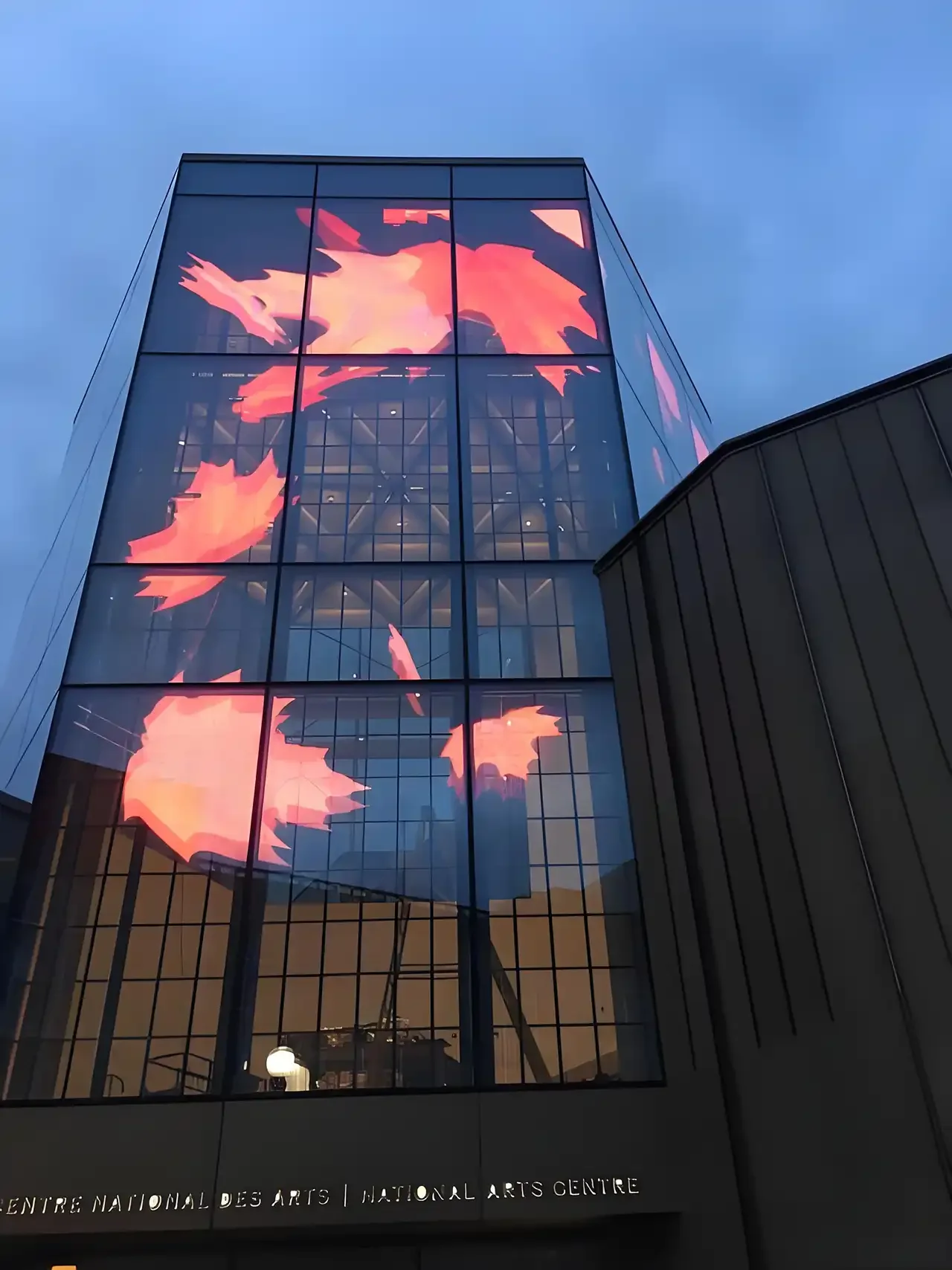
Transparent Outdoor LED Screens
Transparent LED screens allow light to pass through while displaying images. They are commonly used in shop windows, glass facades, and high-end installations where maintaining visibility through the screen is necessary.
Key Features of Outdoor LED Displays
Outdoor LED screens possess characteristics that make them uniquely suited to exterior environments:
High Brightness – Visible even in direct sunlight, often exceeding 5,000 nits.
Weather Resistance – Can handle rain, dust, heat, and extreme temperatures.
Wide Viewing Angles – Clear visuals from multiple vantage points.
Energy Efficiency – Bright display with reduced power consumption.
Durability and Longevity – Long operational lifespans exceeding 100,000 hours.
Why Outdoor LED Displays Are Popular
Several factors contribute to their widespread adoption:
Enhanced Visual Impact – Animated content attracts more attention than static signage.
Remote Content Management – Updates can be made instantly without physical replacement.
Cost Efficiency Over Time – Reduces ongoing printing and maintenance costs.
Better Engagement and Interactivity – Can integrate live feeds and social media.
Versatility Across Industries – From retail to public transportation, they are widely used.
Common Applications of Outdoor LED Displays
Advertising and Brand Promotion – Retailers and businesses attract attention and engage customers.
Public Information Screens – Real-time updates for traffic, emergencies, or news.
Transportation Hubs – Announcements for airports, bus terminals, and train stations.
Sports Arenas and Entertainment Venues – Live footage, replays, and advertisements.
Event and Concert Displays – Schedules, performers, and sponsor messages.
Retail and Commercial Facades – Visual appeal for shops and malls.
Comparing Outdoor LED Displays with Other Technologies
| Feature | Outdoor LED Display | Outdoor LCD Screen | Outdoor Projection |
|---|---|---|---|
| Brightness | Very High | Moderate | Low |
| Daylight Visibility | Excellent | Poor | Poor |
| Weather Resistance | Excellent | Varies | Low |
| Energy Efficiency | High | Moderate | Moderate |
| Lifespan | Long | Moderate | Low |
| Maintenance | Low | Moderate | High |
LED displays clearly outperform alternatives for outdoor visibility, durability, and low maintenance.
Outdoor LED Display Resolution and Pixel Pitch
Pixel Pitch
Pixel pitch is the distance between adjacent pixels in millimeters. Smaller pixel pitch equals higher resolution and sharper images.
Choosing the Right Resolution
Long-distance viewing – Larger pixel pitch works well for billboards.
Close-up viewing – Smaller pixel pitch is ideal for plazas, retail fronts, and interactive displays.
Installation Considerations for Outdoor LED Screens
Structural Support – Stable mounting structures for weight and wind loads.
Electrical Infrastructure – Proper wiring, grounding, and power management.
Environmental Protection – IP-rated sealing to prevent moisture and corrosion.
Accessibility for Maintenance – Easy access for repairs and replacements.
Safety and Compliance – Adherence to local codes and regulations.
Environmental and Energy Factors
Outdoor LED displays are energy-efficient and designed to minimize environmental impact. Automatic brightness adjustment and eco-friendly materials are common features.
Cost Considerations and ROI
While upfront costs may be significant, businesses often recover expenses through increased visibility, engagement, and reduced print signage costs. The long-term ROI typically outweighs traditional advertising methods.
Maintenance and Troubleshooting
Cleaning – Keep LED modules dust-free for clarity.
Inspection – Detect malfunctioning pixels or moisture early.
Software Updates – Maintain smooth operation.
Professional Servicing – Address power or hardware issues effectively.
Future Trends in Outdoor LED Technology
Higher Resolutions and Smaller Pixel Pitch – Sharper visuals for closer viewing.
Smart and Connected Displays – Real-time data and interactive features.
Energy Harvesting and Solar Integration – Sustainable power solutions.
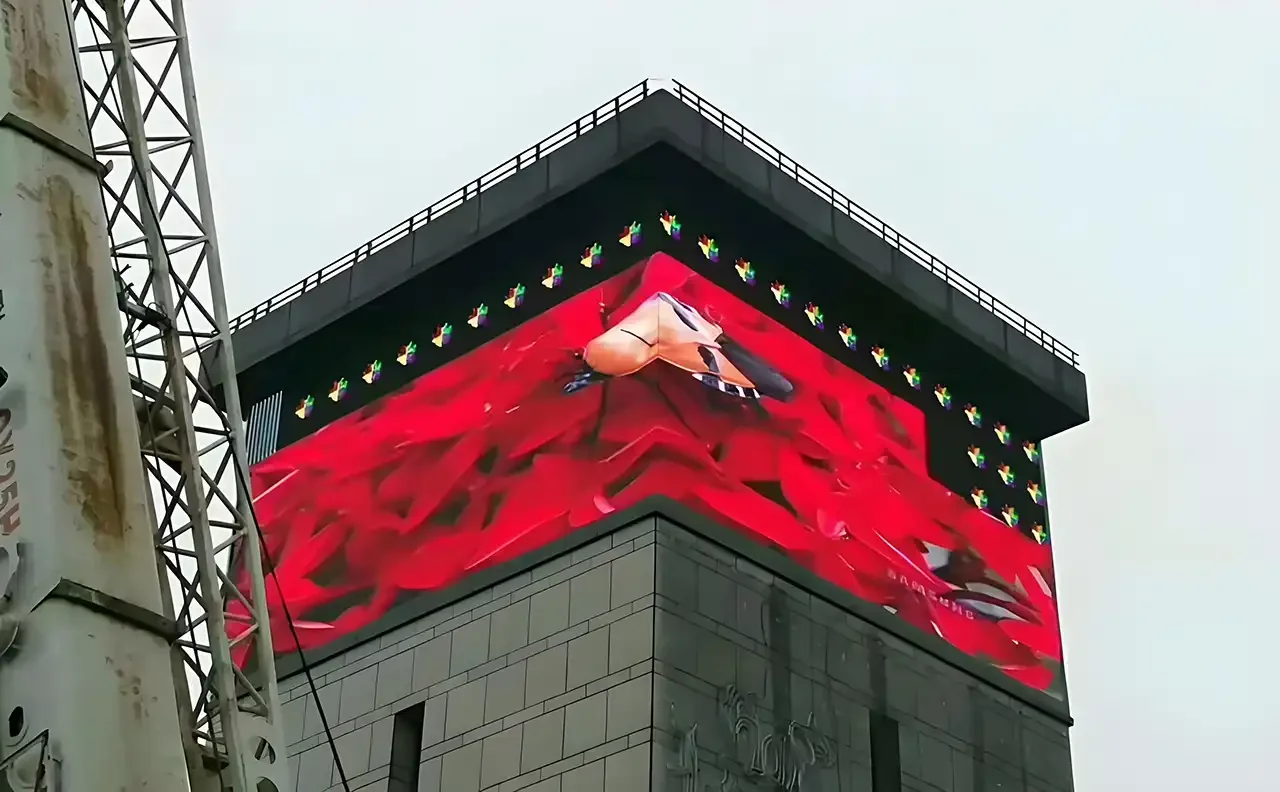
3D LED Displays – Emerging immersive visual experiences.
FAQ – Common Questions About Outdoor LED Displays
1. How bright should an outdoor LED display be?
Brightness should generally exceed 5,000 nits for daytime visibility, with automatic adjustment for nighttime viewing.
2. Can outdoor LED screens work in extreme weather?
Yes. High-quality displays feature IP65 or higher ratings, making them waterproof, dustproof, and able to withstand extreme temperatures.
3. What is pixel pitch and why does it matter?
Pixel pitch is the distance between LED pixels. Smaller pixel pitch means higher resolution, which is essential for close viewing.
4. How long do outdoor LED displays last?
Modern LED screens can last over 100,000 hours, equivalent to more than 11 years of continuous operation.
5. Are outdoor LED displays energy efficient?
Yes. LEDs consume less power than traditional display technologies, and features like brightness adjustment further reduce energy usage.
6. Can content be updated remotely?
Absolutely. Most outdoor LED displays allow real-time remote content management via control systems or software platforms.
7. What are the main applications of outdoor LED displays?
They are widely used for advertising, public information, sports arenas, event promotion, retail facades, and transportation hubs.
Outdoor LED displays combine durability, brightness, and versatility to deliver dynamic, eye-catching visuals. From advertising and branding to public information and entertainment, they are a vital part of modern outdoor communication strategies.
-
 P4.81 Outdoor LED Display - Outdoor High Resolution Display
P4.81 outdoor LED display with IP66 waterproof design, up to 6500 nits brightness, 500×1000mm cabinet and front/rear ser...
-
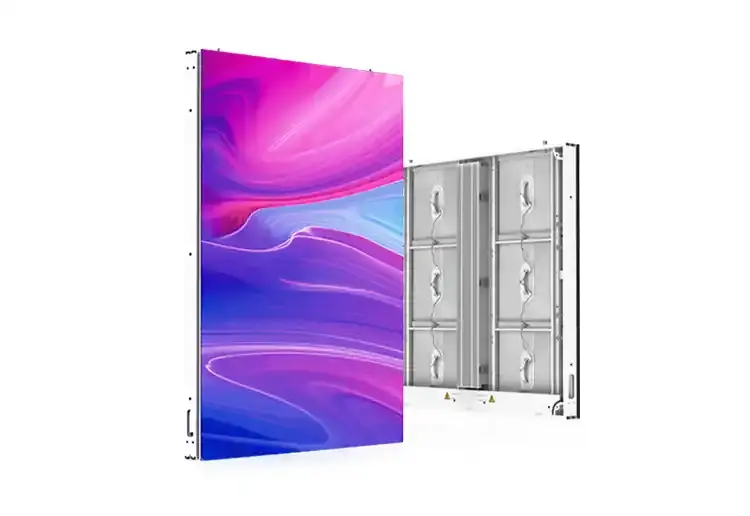 P10 Outdoor LED Screen for All-Weather Advertising and High-Brightness Display
P10 outdoor LED screen with 10000 nits high brightness and IP66 waterproof design. Durable outdoor LED display for adver...
-
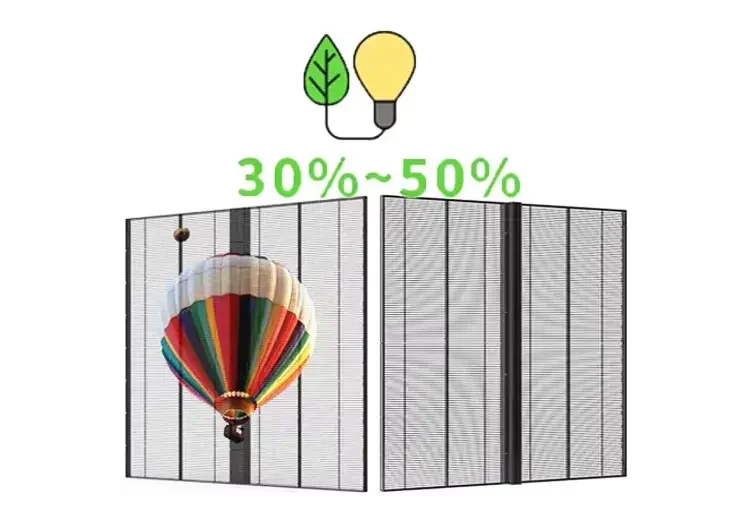 LED Transparent Screen | See-Through Glass Wall Display
LED transparent screen offers high transparency, vivid visuals, slim design, and bright display performance for glass wa...