


































Video LED Dance Floor Cost
Video LED dance floors have become a popular feature in nightclubs, event halls, weddings, and corporate events. Their dynamic visual effects, color-changing panels, and interactive features make any venue more attractive and immersive. Understanding the cost of a video LED dance floor requires examining multiple factors including size, quality, technology, installation, and maintenance.
Factors Affecting Video LED Dance Floor Cost
1. Floor Size and Configuration
The cost of a video LED dance floor largely depends on the total area required. Standard panels usually come in 1x1 foot or 50x50 cm modules, and larger dance floors require more panels and higher power consumption.
Small dance floors (10-20 square meters) are suitable for private events or small venues and are generally more affordable.
Medium dance floors (20-50 square meters) are common for weddings, corporate events, and nightclubs.
Large dance floors (50+ square meters) are designed for large event halls, concert venues, and premium nightclubs.
The modular nature allows flexibility in design, but increasing floor size directly increases costs due to the number of panels, control systems, and installation time.
2. Panel Quality and Resolution
Not all LED panels are created equal. The quality, brightness, resolution, and refresh rate influence both visual impact and cost:
Standard panels: Suitable for ambient lighting and basic patterns; cost-effective for small venues.
High-resolution panels: Provide crisp video playback, interactive graphics, and professional-grade visuals. Ideal for high-end nightclubs and event halls.
Durable and anti-slip panels: Essential for safety in venues with heavy foot traffic, slightly increasing the price.
High-end panels may feature full-color RGB, touch sensitivity, and waterproofing, all contributing to higher cost.
3. Technology and Control Systems
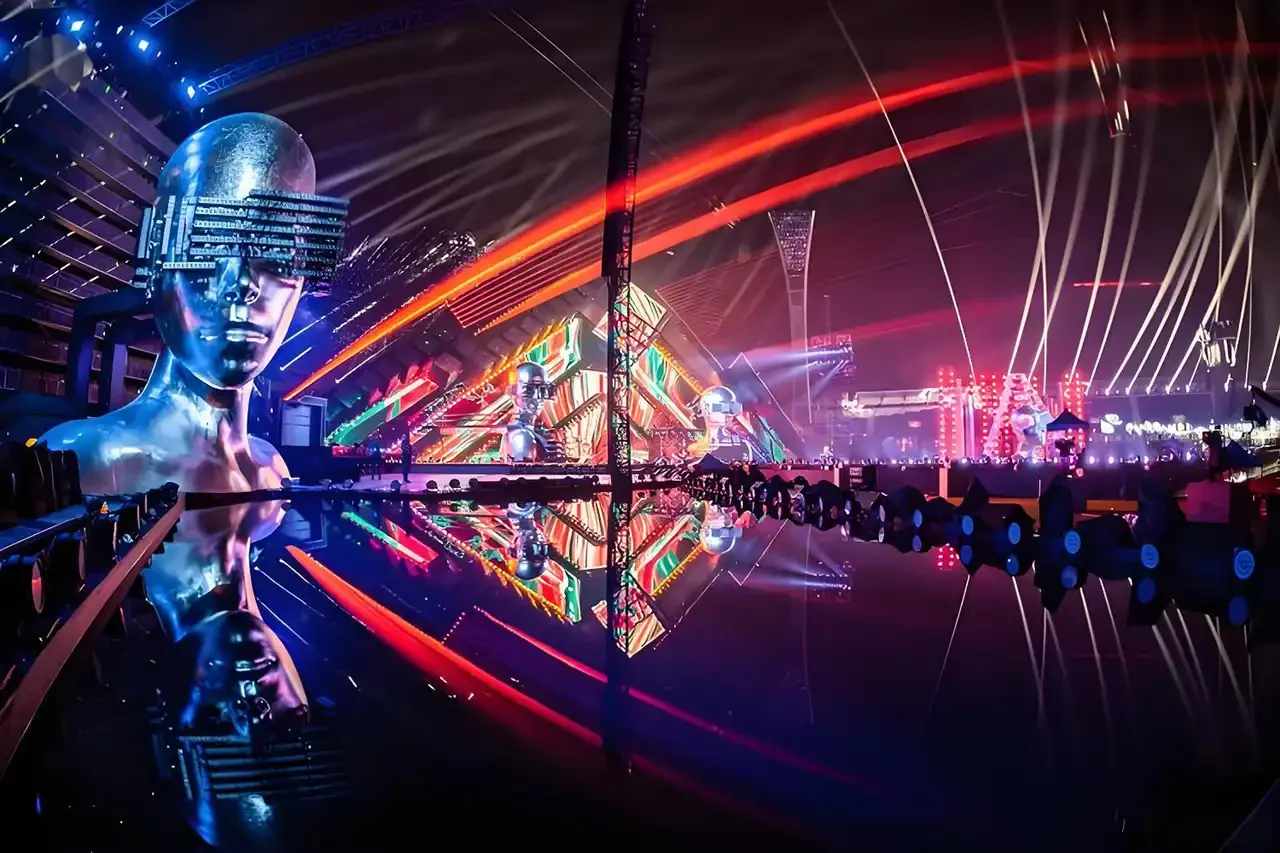
Modern LED dance floors include advanced control systems for video playback, interactive effects, and synchronized lighting with music.
Basic controllers: Enable pre-programmed patterns and simple lighting effects.
Professional controllers: Allow real-time video input, DJ synchronization, and remote control via software or mobile apps.
Integration with other AV systems: If the floor needs to synchronize with venue lighting, projectors, or sound systems, additional hardware and software are required.
The more sophisticated the control system, the higher the overall cost.
4. Installation and Labor Costs
Installation is a critical factor affecting overall expenditure. A professional installation ensures safety, performance, and longevity.
Site preparation: Leveling the floor, ensuring structural support, and preparing wiring.
Panel assembly: Modular panels need careful alignment, connection, and testing.
System calibration: Ensures uniform brightness, color, and synchronized effects.
Labor costs vary depending on location, complexity of the design, and the need for integration with existing systems.
5. Maintenance and Operational Costs
Ongoing costs should be considered when planning a video LED dance floor:
Power consumption: High-brightness panels require more electricity.
Repairs and replacements: Individual LED modules may fail; modular design allows replacements without overhauling the entire floor.
Software updates: Maintaining control systems and adding new visual content may require professional assistance.
Cleaning: Non-slip and durable panels need regular cleaning to maintain aesthetics and safety.
Long-term planning for maintenance helps avoid unexpected expenses and keeps the floor performing optimally.
Video LED Dance Floor Types
1. Static LED Dance Floors
Static floors display pre-programmed patterns or videos. They are suitable for venues that do not require interactive effects. These are generally more affordable and easier to maintain.
2. Interactive LED Dance Floors
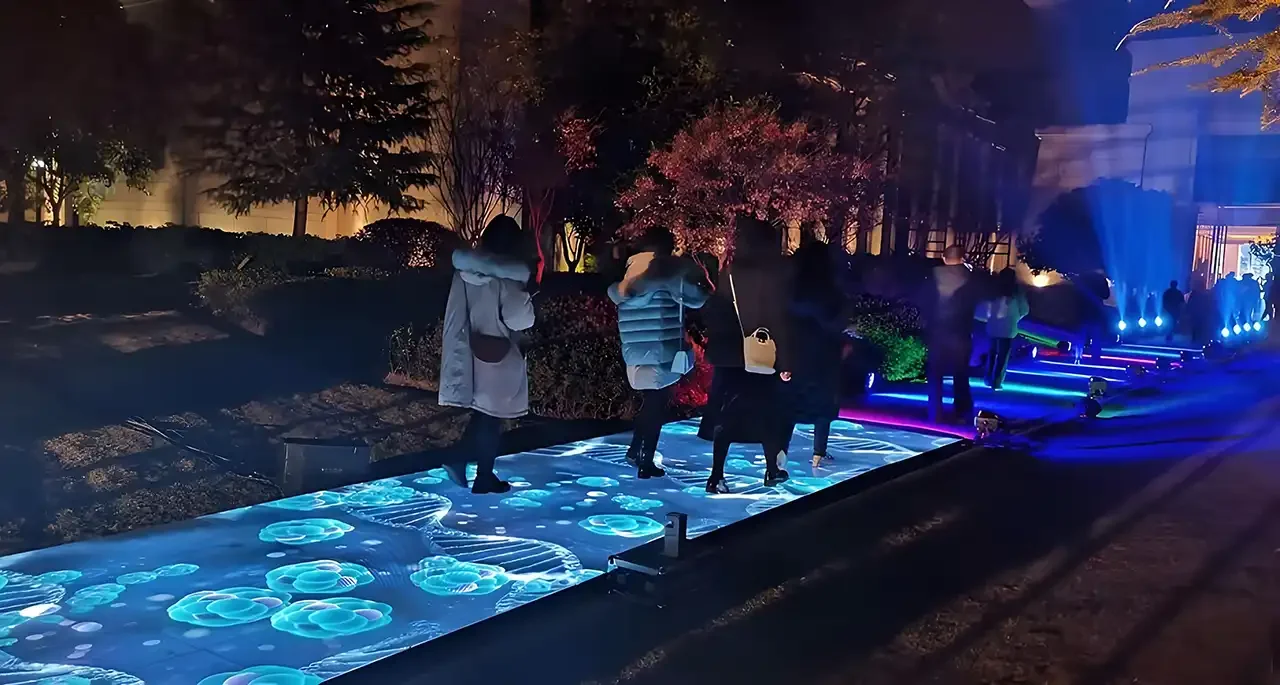
Interactive floors respond to motion, pressure, or weight, creating engaging experiences for dancers. They require advanced sensors and software, increasing both the initial cost and complexity of maintenance.
3. Transparent LED Dance Floors
Transparent floors can be layered over lights or screens for a 3D effect, often used in high-end nightclubs and fashion shows. These are premium options with higher installation and maintenance costs.
4. Curved or Custom Shapes
Custom-shaped floors can be designed to fit unique venues, including curved edges or irregular patterns. These floors require custom panels and layouts, adding to both material and labor costs.
Average Cost Estimates
Video LED dance floor costs vary widely depending on the factors mentioned above. Rough estimates include:
Small home or private event floors: $5,000 - $15,000
Medium floors for weddings or corporate events: $15,000 - $50,000
Large professional floors for clubs or concert venues: $50,000 - $200,000+
Additional costs for installation, shipping, software integration, and ongoing maintenance should be budgeted separately.
Benefits of Investing in a Video LED Dance Floor
Visual impact: Elevates venue aesthetics and creates immersive experiences.
Versatility: Can display videos, graphics, or interactive patterns.
Branding opportunities: Custom visuals can promote events or sponsors.
Interactive engagement: Encourages audience participation and social sharing.
Long-term value: Durable floors can last years with proper maintenance, making them a worthwhile investment for high-traffic venues.
Considerations Before Purchasing
Venue size and foot traffic: Ensure panels are durable and non-slip.
Budget constraints: Consider installation, operational, and maintenance costs.
Content creation: Plan how to generate or purchase visual content.
Safety standards: Floors should comply with electrical and structural safety requirements.
Future upgrades: Modular panels allow future expansion without replacing the entire system.
Choosing a Reliable Supplier
Selecting the right supplier ensures quality, support, and after-sales service. Look for:
Proven experience in video LED dance floor installation
High-quality panels with warranty
Technical support for maintenance and software
Flexibility in design and customization
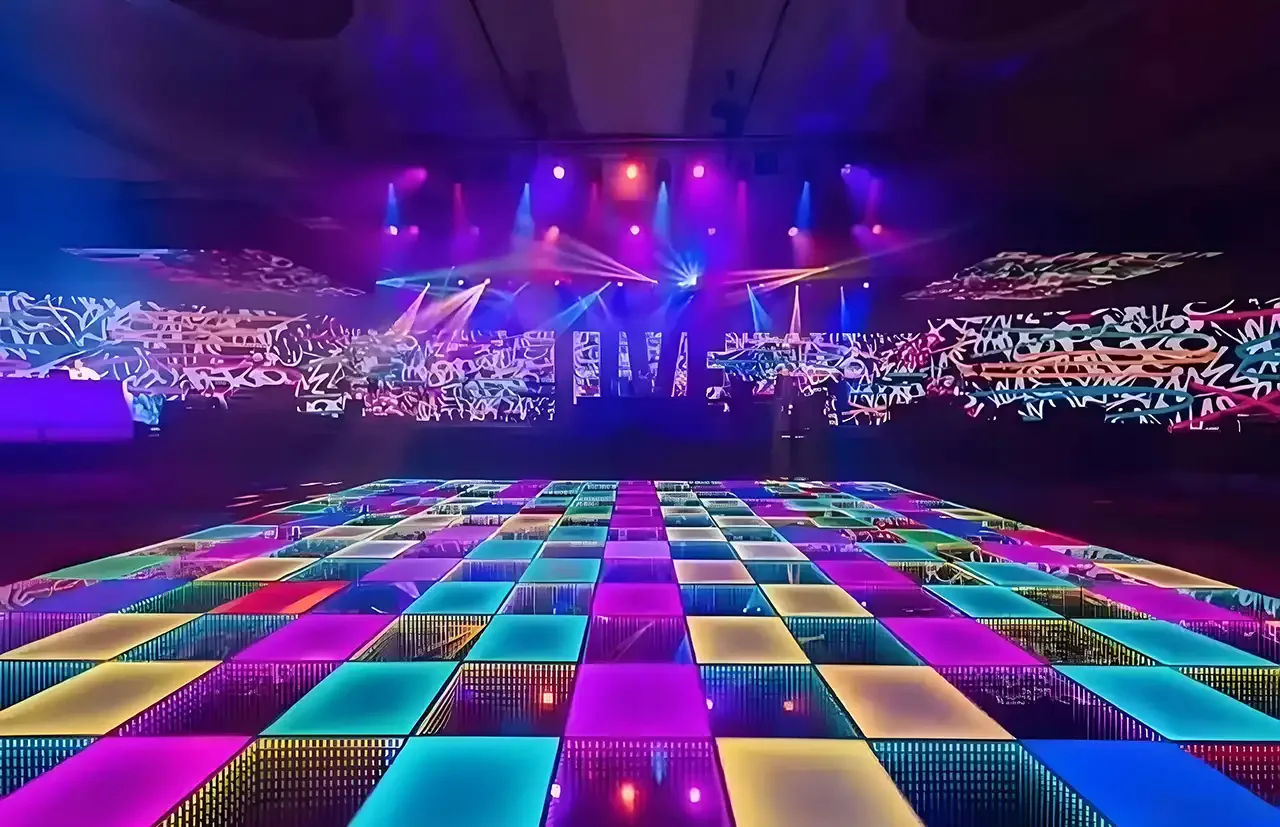
Enhancing Your Event with a Video LED Dance Floor
For event planners and venue owners, integrating a video LED dance floor can transform ordinary events into memorable experiences. Consider pairing floors with ambient lighting, DJ setups, and stage visuals to maximize impact. Interactive floors encourage guests to engage, creating photo and video opportunities that enhance social media visibility.
Frequently Asked Questions
What is the lifespan of a video LED dance floor?
Most high-quality panels last 50,000-100,000 hours, depending on usage and maintenance.Can floors be rented instead of purchased?
Yes, many event companies offer rental options for temporary installations.Are video LED floors safe for heavy dancing?
Properly installed and rated floors are designed to handle standard foot traffic and dancing safely.How long does installation take?
Installation time varies by size and complexity; small floors may take 1-2 days, large venues up to a week.Can floors be customized with logos or themes?
Yes, custom visuals, logos, and event-specific themes can be integrated into the floor’s software.
Conclusion
Investing in a video LED dance floor requires careful planning, considering size, panel quality, control systems, installation, and maintenance. While costs can vary widely, the benefits of a visually striking, interactive floor are significant, enhancing guest experiences and venue appeal. Understanding the factors that influence pricing helps make informed decisions and ensures the floor remains a long-term, engaging asset.