



































Video LED Dance Floor Cost: Pricing, Key Factors, and Valu
A video LED dance floor has become a defining feature of modern events, nightclubs, exhibitions, and luxury venues. Its ability to combine motion graphics, lighting, and interactivity transforms ordinary spaces into immersive environments. When evaluating video LED dance floor cost, pricing is rarely a fixed number. Instead, it reflects a combination of technology, materials, customization, and long-term value.
Understanding how costs are structured helps planners, venue owners, and production companies make informed decisions while maximizing visual impact and return on investment.
What Is a Video LED Dance Floor?
A video LED dance floor is a modular display system installed on the ground surface, using high-resolution LED panels protected by reinforced, load-bearing glass or acrylic. Unlike traditional lighting floors, this solution displays full-motion video, graphics, patterns, and interactive effects synchronized with music or movement.
Common alternative terms include:
Digital LED dance floor
Programmable LED flooring system
All refer to the same core concept: a durable, visually dynamic floor capable of supporting foot traffic, equipment, and heavy loads.
Average Video LED Dance Floor Cost Overview
The cost of a video LED dance floor varies widely depending on size, specifications, and intended usage. In most markets, pricing typically falls into these ranges:
Entry-level systems: USD 300–600 per square meter
Mid-range professional systems: USD 600–1,200 per square meter
High-end custom installations: USD 1,200–2,500+ per square meter
These figures represent hardware costs only. Installation, control systems, content creation, and maintenance are often priced separately.
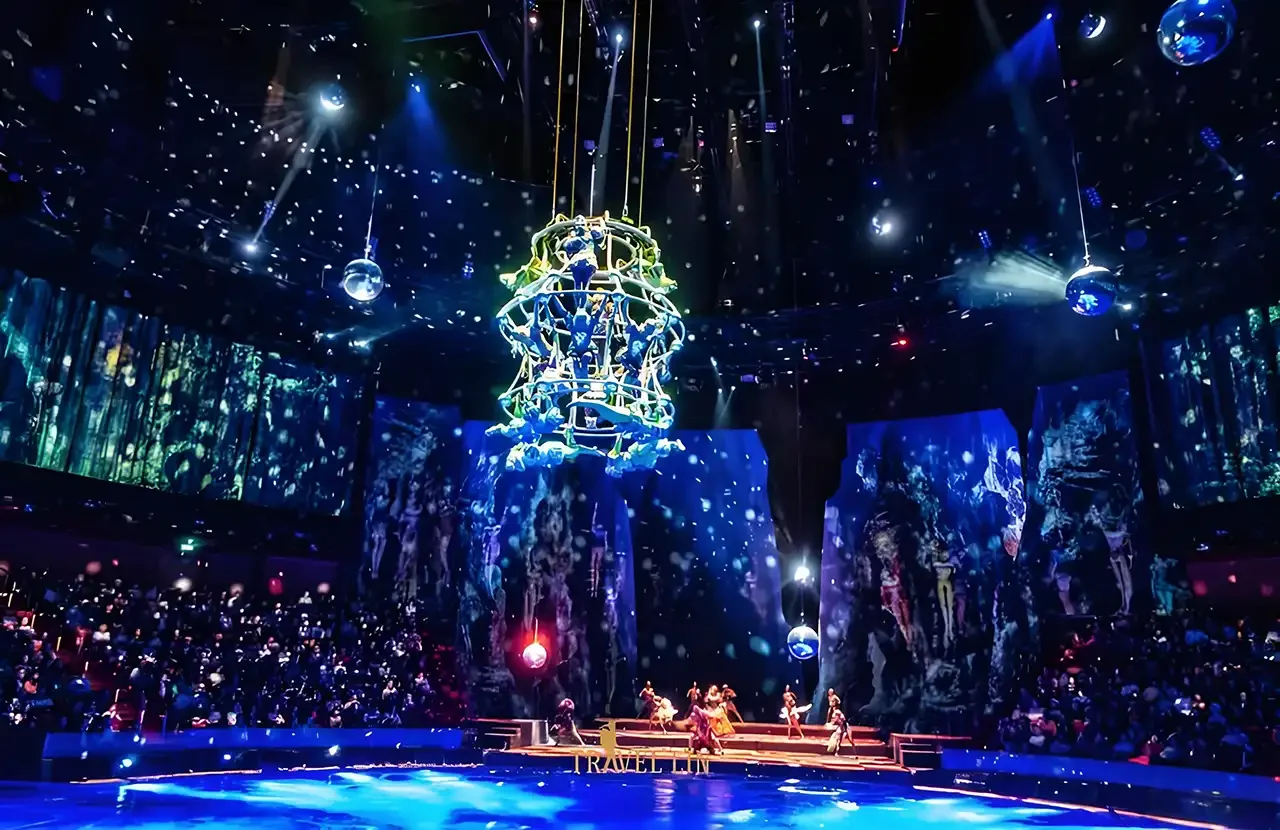
Key Factors That Influence Video LED Dance Floor Cost
Pixel Pitch and Resolution
Pixel pitch refers to the distance between LED pixels. A smaller pixel pitch results in sharper images, especially when viewed at close range.
P3.9 to P4.8: suitable for large venues and stages
P2.6 to P3.9: common for premium events and clubs
P2.5 and below: high-resolution applications with close viewing
Higher resolution significantly increases video LED dance floor cost due to denser LED placement and advanced manufacturing requirements.
Load-Bearing Capacity
Dance floors must withstand constant pressure, jumping, and equipment loads. Professional-grade systems support:
500 kg/m² for event use
1,000 kg/m² or more for permanent installations
Higher load ratings require reinforced structures and thicker protective layers, increasing overall cost.
Protective Surface Materials
The top layer determines safety, durability, and visual clarity. Common options include:
Tempered glass for maximum transparency
Acrylic or polycarbonate for lighter weight
Anti-slip coated surfaces for safety compliance
Premium materials improve lifespan and image quality but also raise the price.
Indoor vs Outdoor Applications
Outdoor video LED dance floors require additional protection:
Waterproof and dustproof sealing
UV-resistant coatings
Enhanced temperature tolerance
These features increase manufacturing complexity and raise costs compared to indoor-only systems.
Module Size and System Scalability
Standard modular sizes simplify replacement and expansion. Custom module dimensions allow creative layouts but increase production costs.
Scalable systems cost more initially but reduce long-term expenses by allowing future expansion without full replacement.

Rental vs Purchase Cost Comparison
Rental Pricing
Video LED dance floor rental is common for weddings, corporate events, and temporary installations.
Typical rental costs include:
USD 50–150 per square meter per day
Additional charges for delivery, setup, and technical support
Rental is cost-effective for short-term use but becomes expensive for frequent events.
Purchase Pricing
Buying a video LED dance floor involves higher upfront investment but lower long-term costs.
Ownership benefits include:
Unlimited usage
Custom branding and content
Revenue opportunities through event rentals
For venues hosting regular events, purchasing becomes more economical within one to two years.
Installation and Setup Costs
Installation expenses depend on complexity, location, and system size.
Common installation cost components:
Subfloor preparation
Structural leveling
Electrical wiring and power distribution
Control system configuration
Simple modular setups cost less, while integrated permanent installations require higher budgets.
Control Systems and Software Expenses
Every video LED dance floor relies on control hardware and software to manage content playback.
Cost considerations include:
Video processors
Media servers
Synchronization controllers
Interactive sensor integration
Advanced interactive systems increase cost but allow motion tracking, real-time effects, and music synchronization.
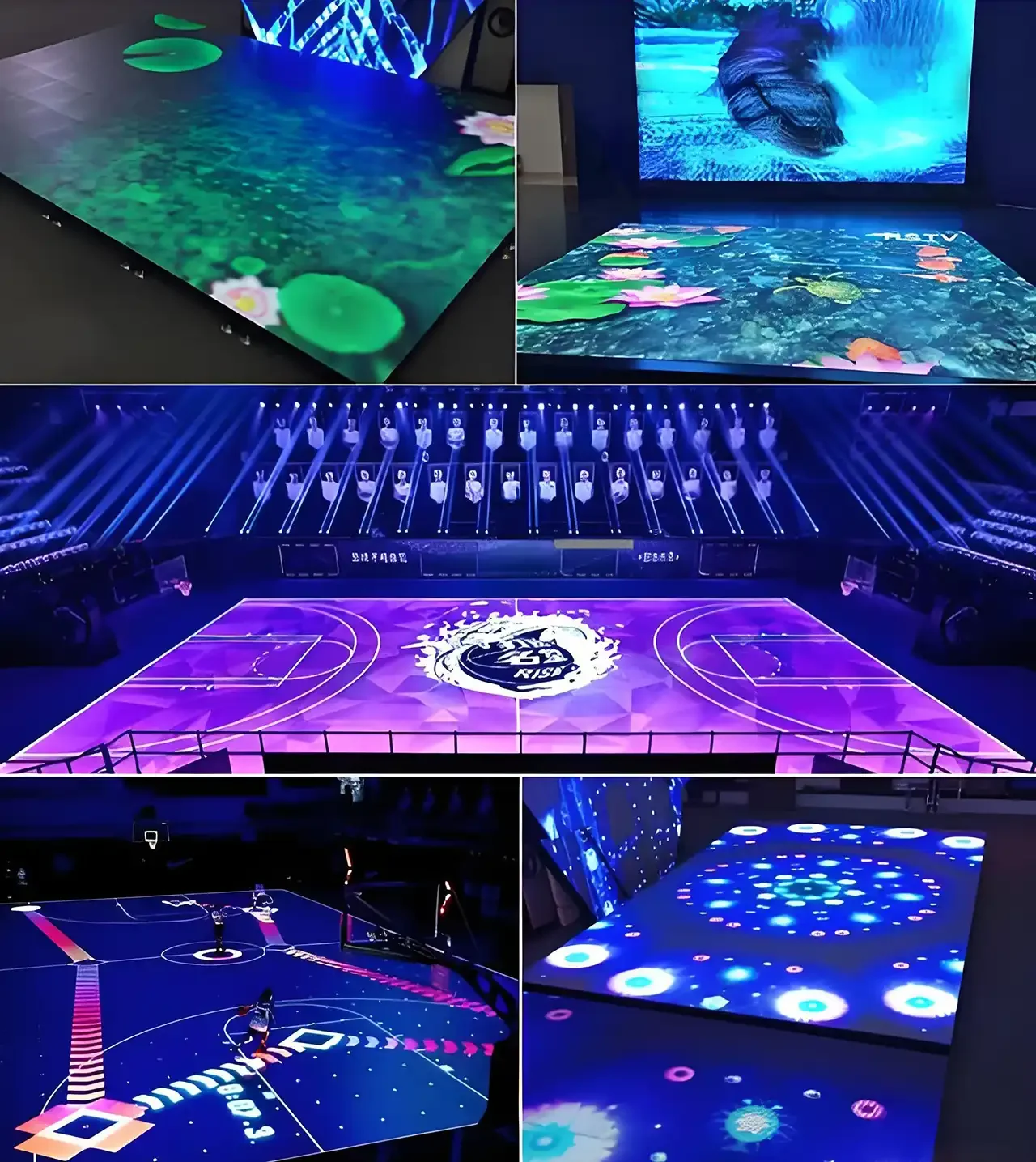
Content Creation and Customization Costs
High-quality visuals are essential for maximizing impact.
Content-related expenses may include:
Custom animation design
Branding visuals
Interactive programming
Seasonal or event-based content updates
Reusable content libraries reduce long-term costs and enhance flexibility.
Applications That Affect Video LED Dance Floor Cost
Nightclubs and Entertainment Venues
Permanent nightclub installations emphasize durability, high brightness, and fast refresh rates. These systems are typically mid to high range in cost but generate strong visual branding.
Weddings and Special Events
Temporary installations prioritize ease of setup and visual elegance. Costs are often lower, especially when using rental solutions.
Corporate Events and Product Launches
Brand-focused visuals and precise color accuracy drive costs higher, especially when custom content and synchronization are required.
Exhibitions and Trade Shows
Portable systems with quick assembly are preferred. Cost depends on modular flexibility and transport durability.
Energy Consumption and Operating Costs
Modern LED floors are energy-efficient compared to traditional lighting solutions.
Operating cost factors include:
Power consumption per square meter
Usage duration
Cooling and ventilation requirements
High-efficiency LED chips reduce long-term electricity expenses.
Maintenance and Replacement Costs
Ongoing maintenance is a key part of total cost evaluation.
Typical maintenance considerations:
Module replacement
Surface panel cleaning
Software updates
Control system calibration
Modular designs minimize downtime and reduce repair expenses.
Safety Standards and Compliance Costs
Professional video LED dance floors comply with safety standards such as:
Slip resistance
Electrical grounding
Fire retardancy
Load certification
Certified systems may cost more initially but reduce liability risks and operational issues.
Custom Shapes and Creative Layouts
Standard rectangular layouts are the most cost-effective. Custom shapes such as circles, curves, or irregular designs increase cost due to:
Non-standard module production
Custom structural supports
Complex installation processes
Creative layouts deliver higher visual impact but require higher budgets.
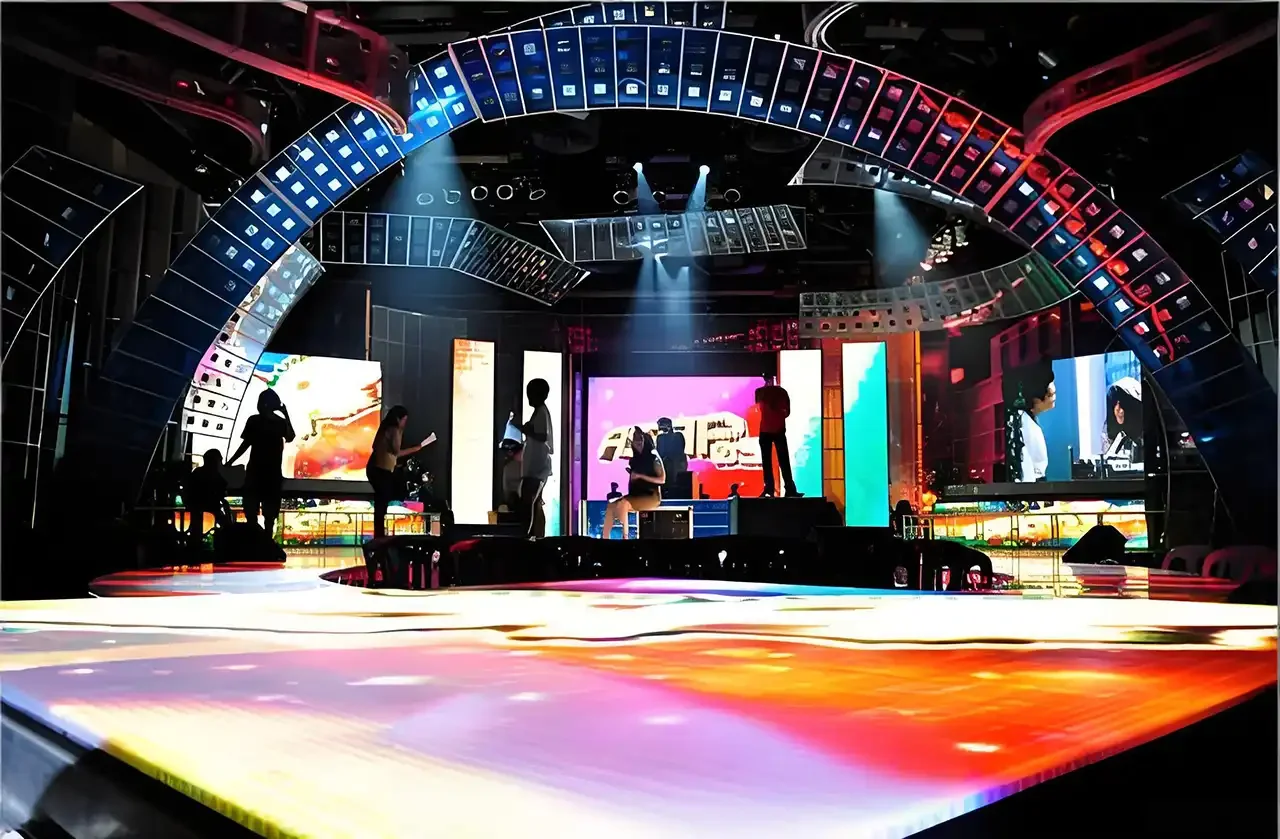
Long-Term Value and Return on Investment
Evaluating video LED dance floor cost goes beyond initial pricing.
Long-term value includes:
Increased audience engagement
Higher event booking rates
Brand differentiation
Rental revenue opportunities
Venues often recover investment through increased attendance and premium pricing.
Technology Trends Influencing Cost
Interactive Sensor Integration
Motion sensors allow visuals to respond to movement. This adds cost but significantly enhances user experience.
Higher Refresh Rates
Advanced refresh rates improve camera performance for live streaming and broadcasting, increasing production value.
Transparent and Hybrid LED Floors
Emerging designs combine transparency and lighting effects, resulting in higher costs but unique visual appeal.
Common Cost Misconceptions
“Lower Price Means Better Value”
Low-cost systems often compromise on load capacity, brightness, or lifespan, leading to higher replacement costs.
“All LED Floors Are the Same”
Differences in LED chips, drivers, and structural design significantly impact performance and durability.
“Software Is a Minor Expense”
Control software quality directly affects usability and content performance, making it a critical investment.
How to Budget for a Video LED Dance Floor
A realistic budget considers:
Hardware purchase or rental
Installation and logistics
Control systems and software
Content creation
Maintenance and support
Planning holistically prevents unexpected costs and ensures long-term satisfaction.
Frequently Asked Questions
How long does a video LED dance floor last?
High-quality systems typically last 80,000 to 100,000 hours with proper maintenance.
Can a video LED dance floor be used outdoors?
Yes, outdoor-rated systems are available with waterproof and weather-resistant features.
Is the floor safe for high heels and heavy shoes?
Professional systems are designed with reinforced surfaces suitable for all footwear types.
Can visuals be changed easily?
Content can be updated instantly through control software, allowing flexibility for different events.
Does brightness affect cost significantly?
Higher brightness levels require stronger LED chips and power systems, which increases cost.
Final Perspective on Video LED Dance Floor Cost
Video LED dance floor cost reflects far more than just the price of panels. It represents a balance between visual quality, durability, safety, customization, and long-term value. When chosen carefully, a well-designed LED dance floor becomes more than an event feature—it becomes a centerpiece that defines atmosphere, attracts audiences, and elevates experiences.
Investing in the right system ensures consistent performance, creative freedom, and measurable returns across entertainment, commercial, and event-driven environments.