


































Outdoor Advertising LED Display
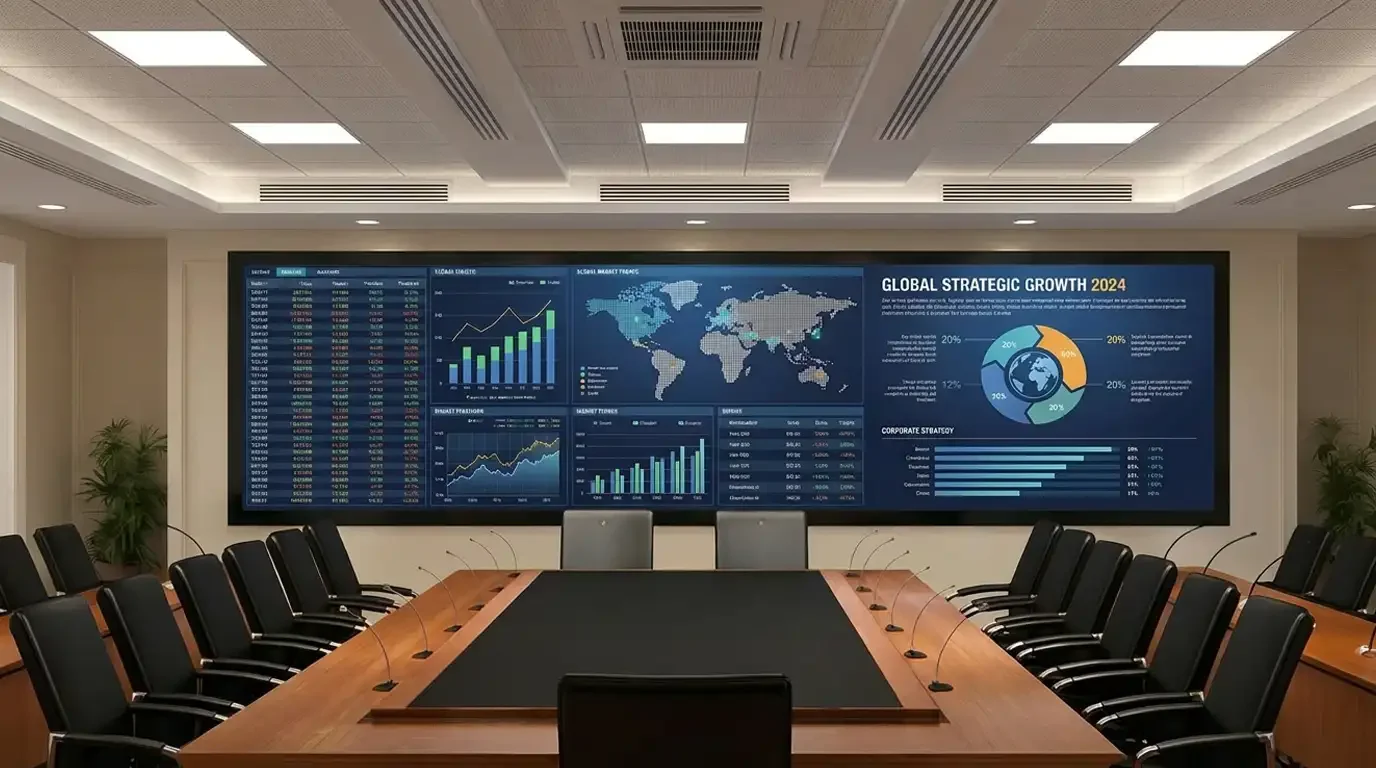
Outdoor advertising LED displays have reshaped the way brands communicate in public spaces. From city intersections and highways to shopping districts and stadium exteriors, LED advertising screens dominate attention with brightness, motion, and scale. Unlike static billboards, these displays deliver real-time content, flexible messaging, and measurable impact, making them a central asset in modern outdoor advertising strategies.
As urban environments grow more visually competitive, outdoor LED advertising displays offer a dynamic way to stand out while delivering consistent visibility throughout the day and night.
The Role of Outdoor LED Displays in Modern Advertising
Outdoor advertising LED displays function as digital platforms rather than fixed signs. They combine large-format visuals with programmable content, allowing advertisers to respond to time, location, and audience behavior.
Their role extends beyond promotion. LED billboards inform commuters, support public campaigns, reinforce brand identity, and contribute to the visual language of cities. This flexibility explains why many traditional static billboards are being replaced by LED-based outdoor advertising systems.
Defining an Outdoor Advertising LED Display
An outdoor advertising LED display is a large-scale digital screen composed of LED modules designed specifically for exterior use. These displays are engineered to deliver high brightness, weather resistance, and stable performance in open environments.
Unlike indoor LED screens or consumer displays, outdoor LED advertising screens prioritize long-distance visibility, durability, and continuous operation. Content ranges from video advertisements and animations to live data feeds and scheduled campaigns.
Core Advantages of Outdoor Advertising LED Displays
Outdoor LED advertising screens offer a combination of technical and commercial benefits that few other media formats can match.
Exceptional Visibility in Any Lighting Condition
High brightness levels, often exceeding 5,000 nits, ensure content remains visible even under direct sunlight. Automatic brightness adjustment allows the display to adapt to changing light conditions, improving legibility while reducing energy consumption at night.
Dynamic and Flexible Content Delivery
Content can be updated remotely within seconds. Advertisers can rotate campaigns, schedule ads by time of day, or adjust messaging based on events, weather, or audience flow.
Strong Audience Engagement
Motion graphics, video, and vivid colors naturally draw attention. Compared to static signage, LED advertising displays achieve higher recall and longer viewing times.
Long-Term Cost Efficiency
While initial investment is higher than printed billboards, digital LED displays reduce recurring printing and installation costs. Over time, multiple advertisers and campaigns can share the same screen, improving return on investment.
Key Technologies Behind Outdoor LED Advertising Displays
Understanding the underlying technology helps explain why outdoor LED advertising displays perform reliably in demanding environments.
LED Pixel Structure and Color Rendering
Each pixel consists of red, green, and blue LEDs. By adjusting the intensity of each color, the display produces a full spectrum of hues. High-quality LED chips ensure consistent color reproduction and long operational life.
Pixel Pitch and Viewing Distance
Pixel pitch refers to the distance between adjacent pixels. Outdoor advertising displays typically use larger pixel pitches than indoor screens, as content is viewed from greater distances.
Larger pixel pitch supports long-range visibility and cost efficiency
Smaller pixel pitch delivers higher image detail for closer viewing areas
Selecting the appropriate pixel pitch depends on installation height, viewing distance, and content type.
Refresh Rate and Image Stability
A high refresh rate ensures smooth motion and flicker-free visuals, particularly important for video content and camera exposure during broadcasts or recordings.
Control Systems and Content Management
Advanced control systems manage brightness, color calibration, synchronization, and content playback. These systems allow centralized scheduling and remote updates across multiple displays.
Environmental Durability and Outdoor Performance
Outdoor advertising LED displays are exposed to environmental stress every day. Their design reflects this reality.
Weather Resistance and Protection
Outdoor LED displays are built with sealed cabinets and protective coatings. High ingress protection ratings guard against rain, dust, and humidity, ensuring reliable operation in varied climates.
Temperature Management
Efficient heat dissipation systems prevent overheating during continuous operation. Components are selected to perform across a wide temperature range, supporting year-round use.
Structural Strength and Wind Resistance
Outdoor installations must withstand wind loads and structural stress. Cabinets and mounting systems are engineered to maintain stability and safety in exposed locations.
Common Applications of Outdoor Advertising LED Displays
Outdoor LED advertising screens are deployed across many commercial and public settings.
Digital Billboards Along Roads and Highways
Highway LED billboards reach large audiences with long dwell times. Their elevated placement and brightness ensure visibility for passing traffic.
Urban Commercial Districts
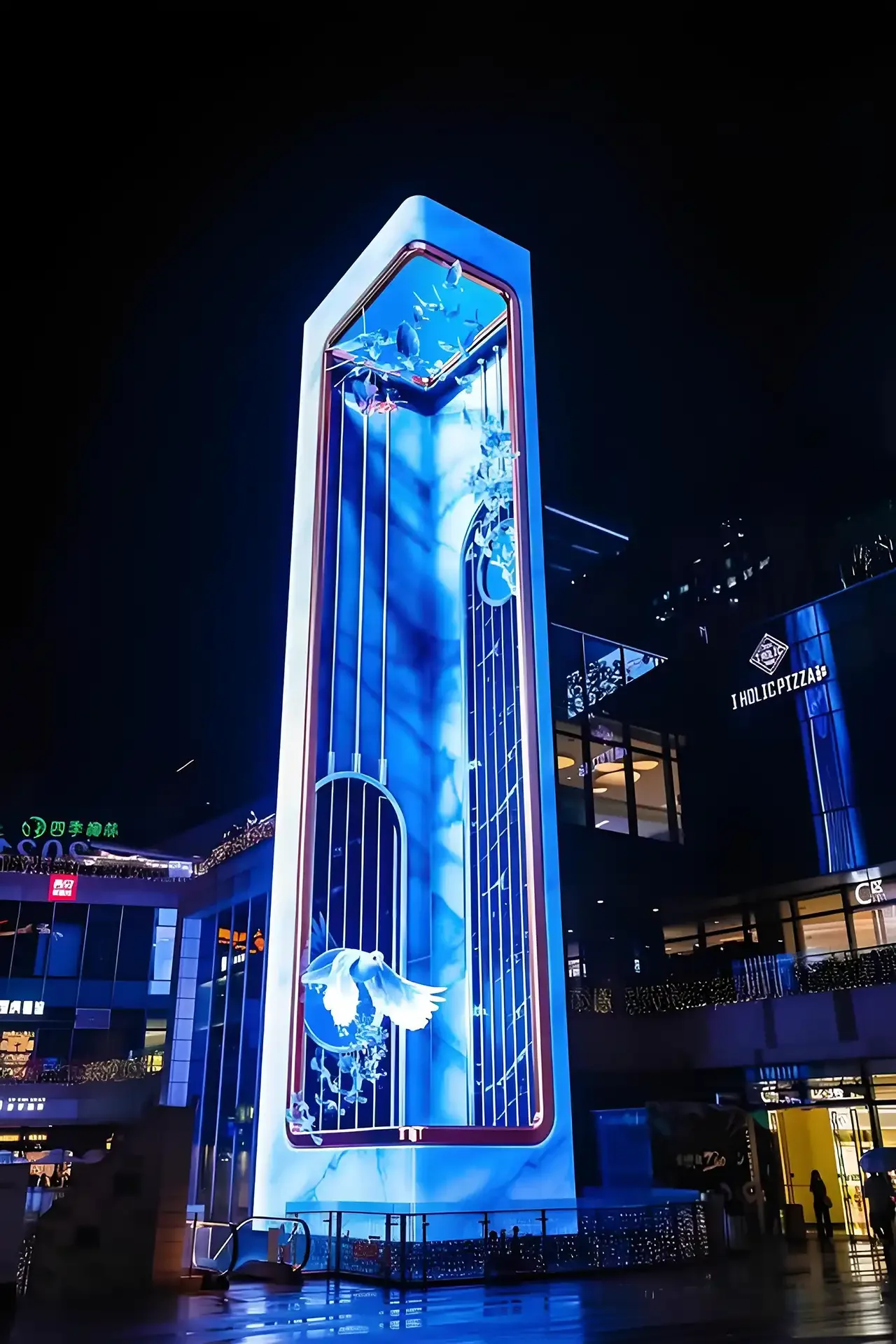
Shopping streets and city centers use LED advertising displays to promote brands, events, and retail campaigns. These screens often become visual landmarks.
Stadiums and Sports Venues
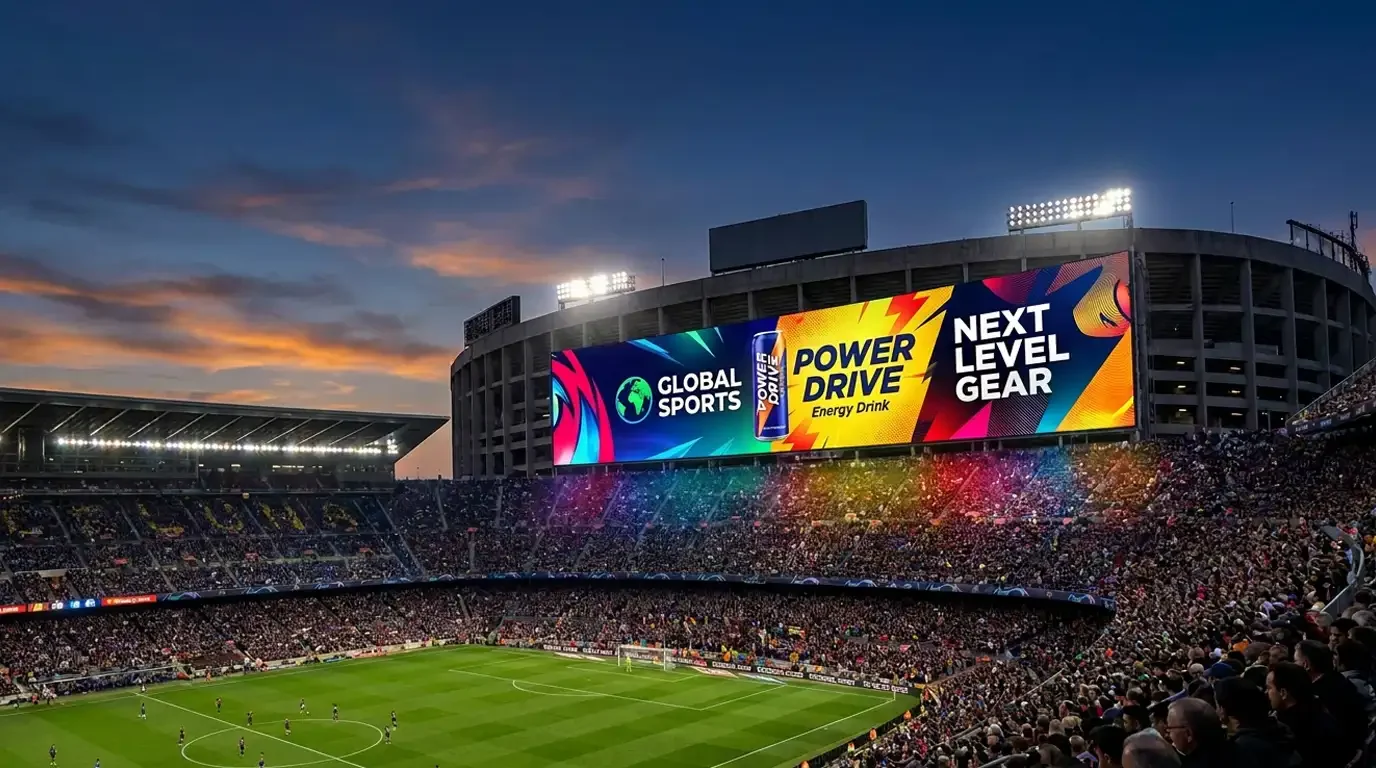
Exterior LED displays around stadiums showcase sponsors, event schedules, and live updates, extending brand exposure beyond the interior venue.
Transportation Hubs
Airports, train stations, and transit corridors rely on LED displays for advertising, wayfinding, and public messaging.
Building Facades and Architectural Integration
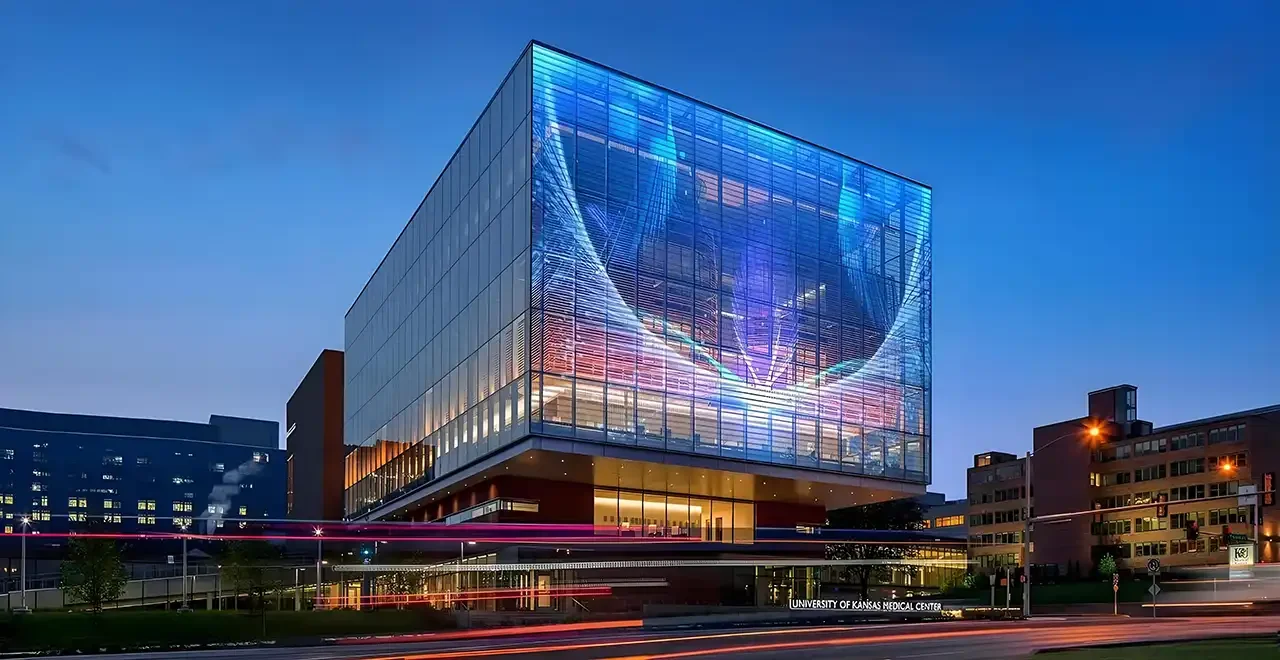
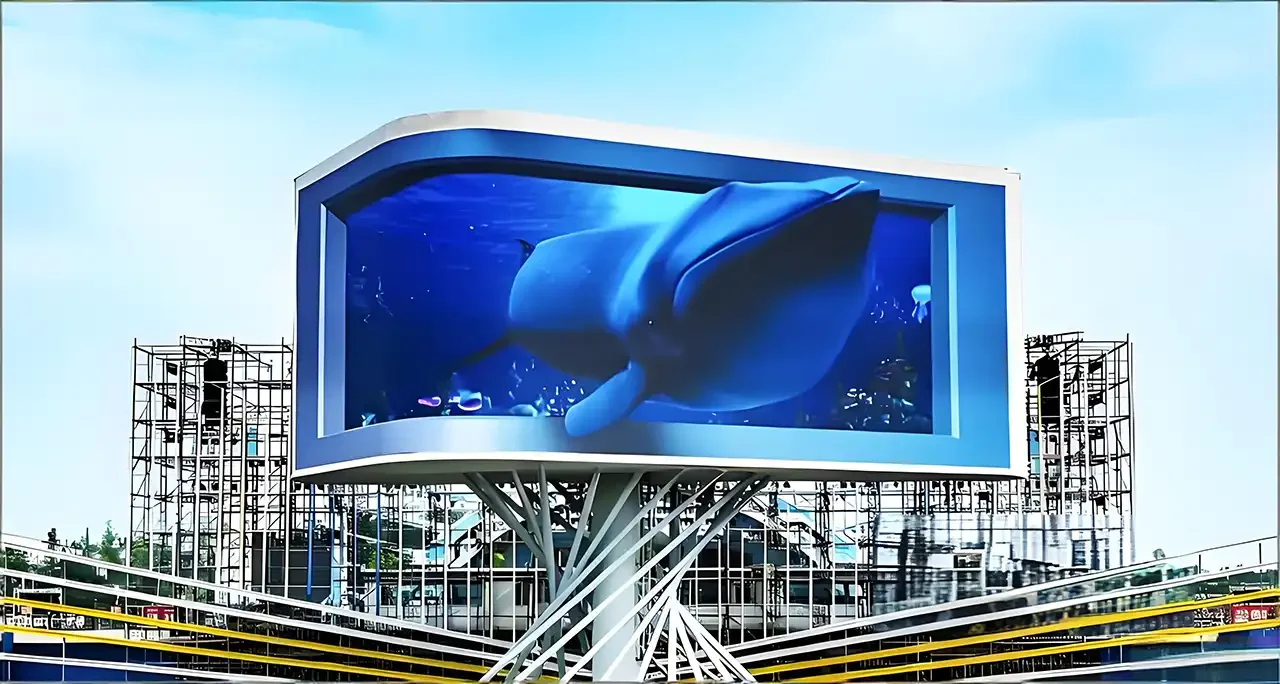
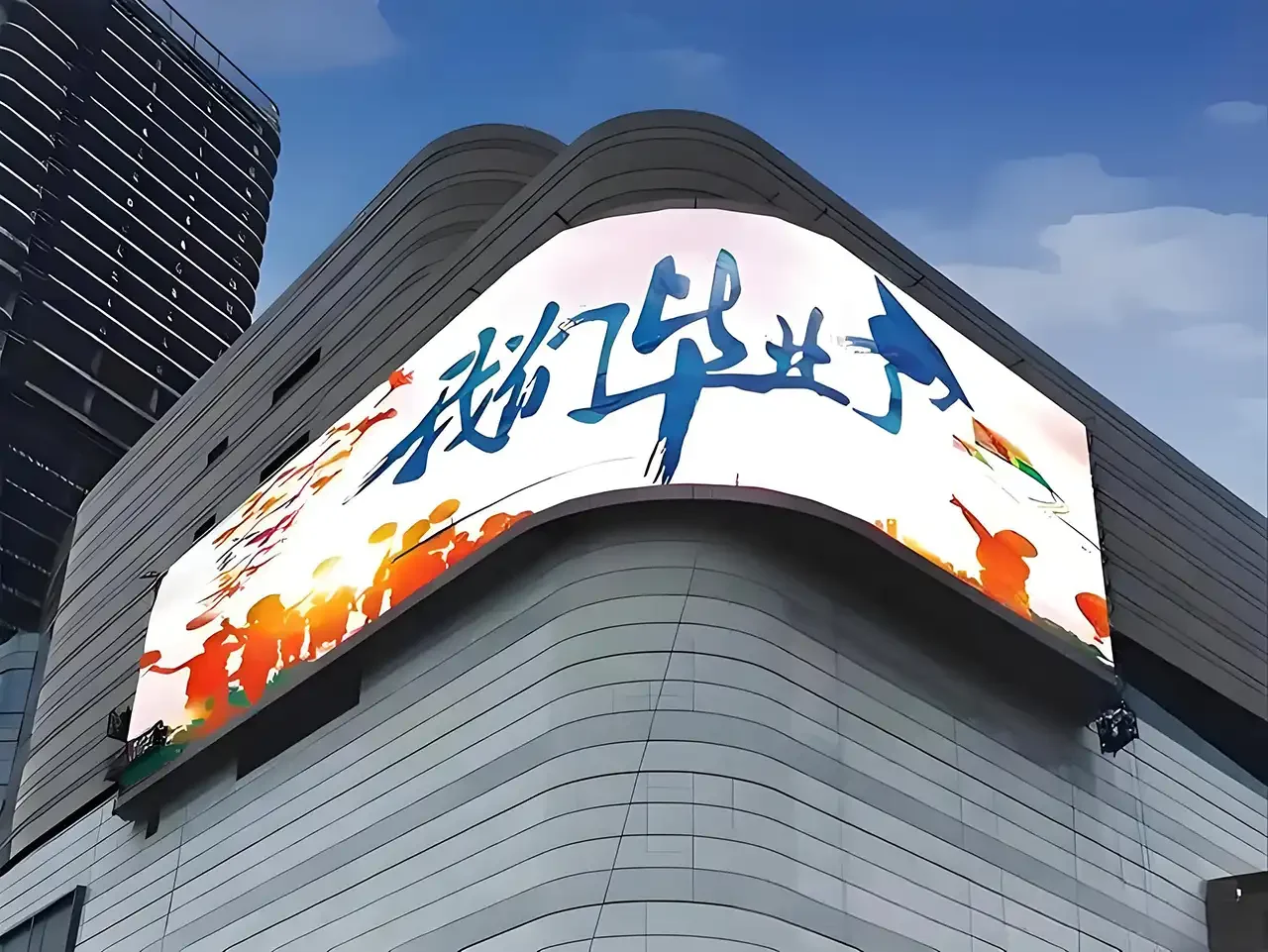
Large LED screens integrated into building exteriors combine advertising with architectural expression, transforming structures into dynamic media surfaces.
Planning an Outdoor LED Advertising Display Project
Successful deployment begins with careful planning that balances visibility, cost, and long-term performance.
Location Analysis and Viewing Angles
Traffic flow, viewing distance, and audience behavior determine optimal placement. The angle and height of the display influence legibility and engagement.
Screen Size and Aspect Ratio
Larger screens increase impact but require appropriate structural support and budget planning. Aspect ratio should match content strategy to avoid wasted display space.
Brightness and Power Considerations
Brightness must be sufficient for daytime visibility without causing glare at night. Power availability and energy management should be evaluated early in the planning phase.
Regulatory and Zoning Awareness
Outdoor advertising displays often fall under local signage regulations. Size, brightness, operating hours, and placement may be subject to approval.
Installation and System Integration
Installation quality directly affects performance, safety, and lifespan.
Structural Installation and Mounting
Professional mounting systems ensure stability and alignment. Structural integrity is essential for large-format outdoor LED displays exposed to wind and vibration.
Electrical and Signal Integration
Stable power supply and clean signal transmission prevent image distortion and downtime. Redundant systems are sometimes used in critical locations.
Calibration and Image Uniformity
After installation, brightness and color calibration align all modules for a seamless visual surface. Uniformity enhances professional appearance and brand credibility.
Content Strategy for Outdoor LED Advertising
Hardware performance alone does not guarantee success. Content design plays a crucial role.
Simplicity and Clarity
Outdoor viewers often have limited time. Clear messages, bold typography, and high-contrast visuals communicate effectively at a glance.
Motion with Purpose
Subtle animation attracts attention without overwhelming the viewer. Excessive motion can reduce readability.
Time-Based Content Scheduling
Different messages perform better at different times of day. Scheduling allows advertisers to align content with audience behavior.
Localization and Context Awareness
Content that reflects local events, weather, or cultural moments tends to resonate more strongly with audiences.
Maintenance and Long-Term Reliability
Ongoing maintenance ensures consistent performance and protects investment value.
Routine Inspection and Cleaning
Outdoor displays accumulate dust and debris. Periodic cleaning preserves brightness and clarity.
Module Replacement and Serviceability
Modular design allows individual panels to be replaced without dismantling the entire screen, minimizing downtime.
Software Monitoring and Diagnostics
Remote monitoring systems provide real-time status updates, enabling proactive maintenance.
Cost Structure and Return on Investment
Outdoor advertising LED displays represent a strategic investment rather than a short-term expense.
Initial Capital Investment
Cost varies based on screen size, pixel pitch, brightness, and structural complexity. Higher-quality components generally reduce long-term maintenance costs.
Operational Expenses
Electricity, content management, and routine service contribute to ongoing costs. Energy-efficient designs help control operating expenses.
Revenue and Value Generation
LED advertising displays support multiple advertisers, dynamic pricing, and premium placements, enhancing revenue potential over time.
Sustainability and Energy Efficiency
Environmental considerations are increasingly important in outdoor advertising.
Energy-Saving Technologies
Modern LED displays use efficient drivers and adaptive brightness control to reduce power consumption.
Reduced Material Waste
Digital advertising eliminates the need for repeated printing and disposal of physical banners and posters.
Long Service Life
Durable construction and replaceable components extend product lifespan, supporting sustainable infrastructure development.
Trends Shaping the Future of Outdoor LED Advertising
Outdoor LED advertising continues to evolve alongside technology and urban development.
Higher Resolution at Larger Scales
Advances in LED manufacturing enable higher resolution displays at billboard scale.
Data-Driven Advertising Displays
Integration with data sources allows content to respond to time, traffic, or environmental conditions.
Creative Architectural Displays
LED displays are increasingly integrated into building design, blurring the line between advertising and architecture.
Networked Display Systems
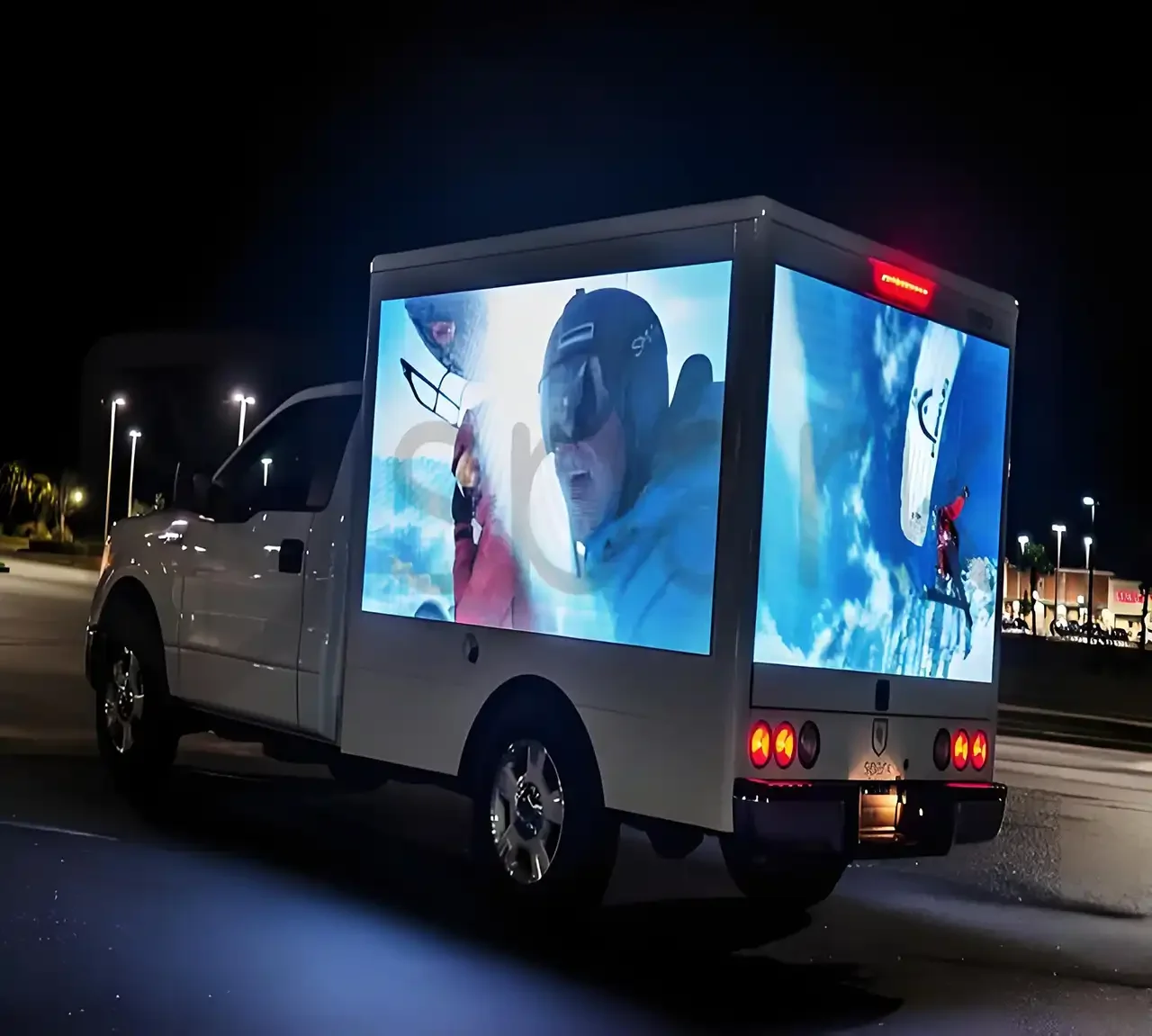
Multiple displays across different locations can be synchronized, creating coordinated campaigns on a city-wide scale.
Frequently Asked Questions About Outdoor Advertising LED Displays
How long do outdoor advertising LED displays typically last?
With proper maintenance, many outdoor LED displays operate reliably for several years, even under continuous use.
Are outdoor LED billboards visible in direct sunlight?
High-brightness LED advertising displays are specifically designed to remain clearly visible under strong sunlight.
Can outdoor LED displays run different ads throughout the day?
Yes. Content scheduling allows different advertisements to appear at specific times or rotate automatically.
What viewing distance is ideal for LED billboards?
Viewing distance depends on pixel pitch and screen size. Larger pitches are suitable for highways, while smaller pitches work well in urban areas.
Do outdoor LED advertising displays require frequent maintenance?
Routine inspection and cleaning are recommended, but modular design minimizes disruption when maintenance is needed.
Are these displays suitable for harsh weather conditions?
Outdoor LED advertising displays are engineered to withstand rain, wind, dust, and temperature fluctuations.
Can multiple advertisers share the same screen?
Yes. Many operators use time-based advertising slots, allowing multiple brands to share a single display.
Conclusion
Outdoor advertising LED displays have become a defining element of modern visual communication. Their ability to combine scale, motion, and adaptability makes them one of the most effective tools for reaching large audiences in public spaces. When thoughtfully planned, professionally installed, and strategically managed, these displays deliver long-term value that extends beyond traditional advertising. In an environment where attention is constantly contested, outdoor LED advertising displays transform visibility into impact and presence into influence.