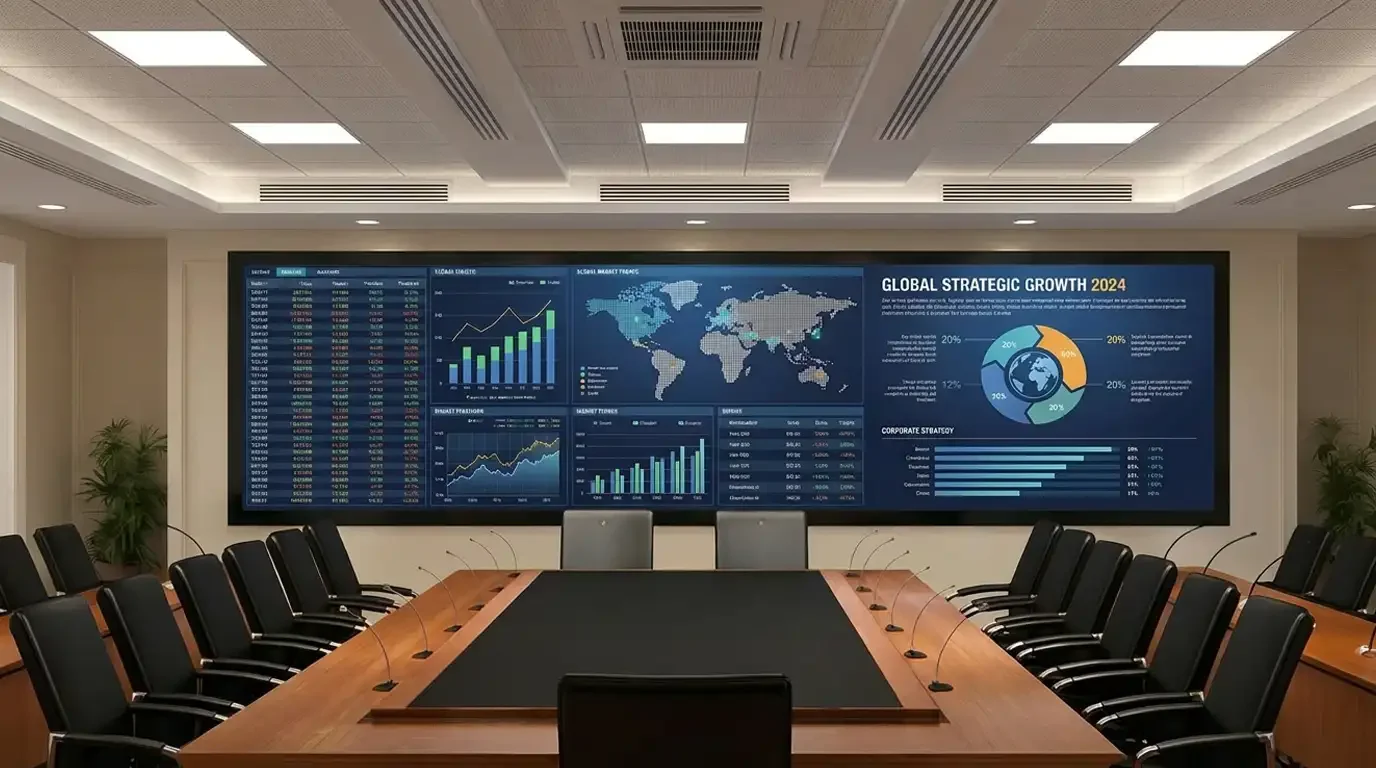



































How to Choose an Outdoor LED Screen
Understanding What an Outdoor LED Screen Is
An outdoor LED screen is a large-scale digital display designed to operate reli
ably in open-air environments. It is widely used for advertising, public information, sports venues, commercial buildings, transportation hubs, concerts, and urban landmarks. Unlike indoor LED displays, outdoor LED screens must withstand sunlight, rain, wind, dust, and temperature variations while maintaining high visibility and stable performance.
Choosing the right outdoor LED screen requires more than selecting a size or price point. Display performance, environmental durability, installation conditions, content type, and long-term operating costs all influence the final decision.
Why Choosing the Right Outdoor LED Screen Matters
An outdoor LED display often represents a long-term investment and a public-facing visual asset. A poor choice can lead to excessive maintenance, low image clarity, high energy consumption, or limited lifespan. A well-chosen LED screen, on the other hand, delivers strong visual impact, reliable operation, and measurable value over many years.
Key Factors That Define Outdoor LED Screen Performance
Brightness for Daylight Visibility
Outdoor environments demand significantly higher brightness than indoor spaces.
Typical recommended brightness: 5,000–8,000 nits
Direct sunlight exposure may require higher output
Automatic brightness adjustment improves energy efficiency and viewing comfort
Insufficient brightness reduces readability during daytime, while excessive brightness at night may cause visual discomfort if not properly controlled.
Pixel Pitch and Viewing Distance
Pixel pitch refers to the distance between individual LED pixels and directly affects image clarity.
General outdoor LED screen pixel pitch guidelines:
P2.5 – P3: Close viewing areas such as pedestrian streets
P4 – P6: Medium viewing distances like storefronts or plazas
P8 – P10: Long-distance viewing such as highways or large billboards
Smaller pixel pitch delivers sharper images but increases cost and power consumption. Viewing distance should guide the selection rather than aiming for the smallest pitch available.
Screen Size and Resolution Balance
Screen size and resolution must be considered together. A large outdoor LED wall with an unsuitable resolution may appear pixelated, while excessive resolution on a small screen adds unnecessary cost.
Effective outdoor LED screen design prioritizes perceived image clarity at the intended viewing distance, not theoretical resolution alone.
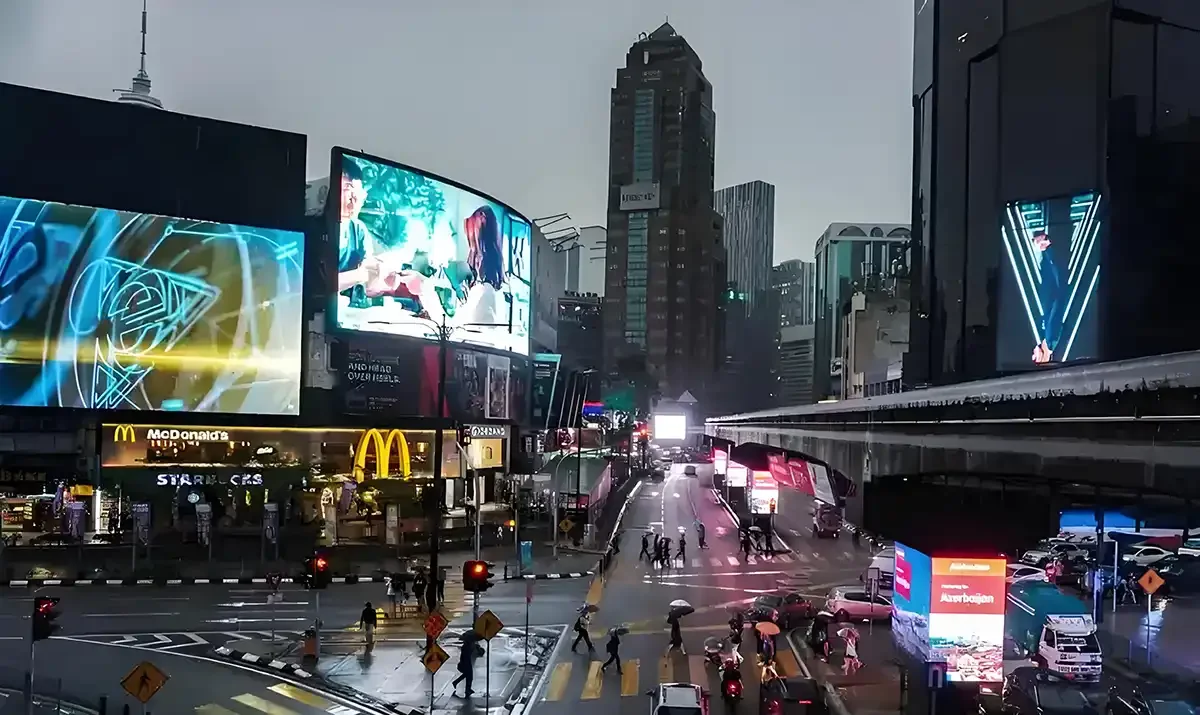
Environmental Durability and Protection Standards
Weather Resistance and IP Rating
Outdoor LED displays must operate in challenging conditions.
Front protection rating: IP65 or higher
Rear protection rating: IP54 or higher
High IP ratings ensure protection against rain, dust, humidity, and airborne particles.
Temperature Adaptability
Outdoor LED screens should function reliably in both hot and cold climates.
Operating temperature range often spans from -20°C to +50°C
Heat dissipation design directly affects lifespan and stability
Ventilation or fan-less thermal management systems are commonly used
Anti-UV and Corrosion Resistance
Sun exposure can degrade materials over time. High-quality outdoor LED panels use UV-resistant coatings and corrosion-resistant metals to maintain appearance and performance.
LED Technology and Display Quality Considerations
LED Lamp Type and Quality
LED lamp quality influences brightness consistency, color accuracy, and longevity.
High-grade LED chips provide stable color performance
Uniform binning reduces color deviation across large screens
Longer lifespan minimizes maintenance frequency
Color Calibration and Consistency
Outdoor LED screens should maintain consistent color output across all modules.
Factory calibration improves uniformity
On-site calibration ensures visual consistency after installation
Aging compensation helps preserve image quality over time
Refresh Rate and Image Stability
A high refresh rate prevents flicker, especially for video content and camera recording.
Recommended refresh rate: ≥3840Hz
Essential for outdoor advertising and live broadcast environments
Structural Design and Installation Methods
Fixed Installation Outdoor LED Screens
Fixed outdoor LED displays are commonly installed on building facades, poles, or custom steel structures.
Suitable for permanent advertising or public information
Emphasis on stability and wind resistance
Structural calculations are essential for safety
Rental and Event-Based Outdoor LED Screens
Temporary outdoor LED screens are used for concerts, festivals, and sporting events.
Lightweight cabinet design
Fast installation and dismantling
Front and rear maintenance access improves efficiency
Front Maintenance vs Rear Maintenance
Front-maintenance screens suit wall-mounted installations with limited rear access
Rear-maintenance screens are easier to service when space allows
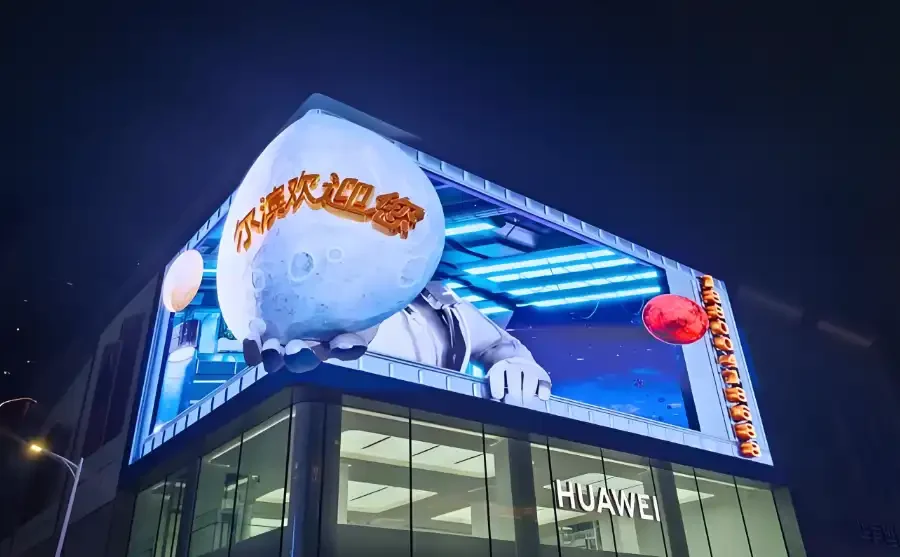
Energy Consumption and Power Management
Power Efficiency
Outdoor LED screens operate for extended hours and consume significant energy.
Efficient power supplies reduce operating costs
Intelligent brightness adjustment lowers energy usage during low-light conditions
Electrical Safety and Stability
Stable power distribution protects LED modules from voltage fluctuations and reduces system failure risks.
Content Type and Usage Scenarios
Advertising and Commercial Displays
Outdoor LED billboards demand high brightness, vivid colors, and clear motion handling to capture attention quickly.
Public Information Displays
Transportation hubs and public squares prioritize readability, reliability, and long operational hours.
Sports and Event Screens
Large outdoor video walls require high refresh rates, wide viewing angles, and seamless panel alignment.
Maintenance, Serviceability, and Long-Term Reliability
Modular Design Benefits
Modular LED panels allow individual components to be replaced without dismantling the entire screen.
Maintenance Frequency
Outdoor LED screens typically require periodic inspection, cleaning, and system diagnostics rather than constant repair.
Spare Parts and Support Availability
Long-term reliability depends on access to compatible spare parts and consistent technical support.
Cost Considerations Beyond Initial Price
Initial Investment vs Lifetime Cost
The purchase price represents only part of the total cost.
Installation and structural work
Energy consumption
Maintenance and replacement parts
Software and control systems
A higher-quality outdoor LED screen often delivers lower long-term cost through reliability and efficiency.
Customization and Scalability
Screens designed with scalability in mind allow future expansion or reconfiguration without full replacement.
Outdoor LED Screen Control Systems
Content Management Software
Modern LED displays rely on intuitive control systems for scheduling, monitoring, and content updates.
Remote Monitoring and Diagnostics
Remote management improves uptime by identifying issues early and reducing on-site intervention.
Safety, Compliance, and Regulations
Outdoor LED screen installations must comply with local safety standards.
Wind load and structural integrity
Electrical safety requirements
Light pollution and brightness regulations
Compliance ensures both legal operation and public safety.
Choosing an Outdoor LED Screen for Different Environments
Urban Commercial Areas
High brightness, fine pixel pitch, and sleek design enhance brand visibility in competitive environments.
Highways and Large Open Areas
Long-distance visibility and durability take priority over ultra-fine resolution.
Stadiums and Public Venues
Large-scale displays emphasize uniform brightness, wide viewing angles, and dynamic content support.
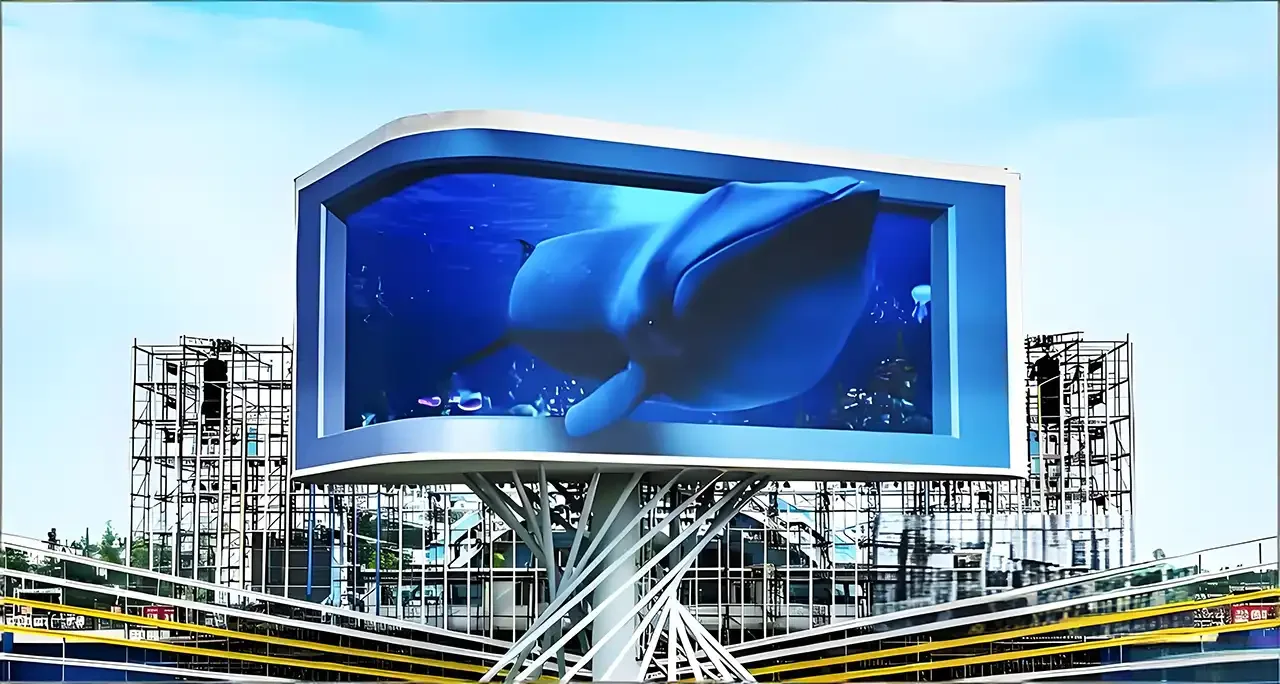
Common Mistakes When Selecting an Outdoor LED Screen
Choosing pixel pitch without considering viewing distance
Ignoring environmental exposure conditions
Underestimating power and structural requirements
Prioritizing low price over long-term reliability
Avoiding these mistakes significantly improves project outcomes.
How Outdoor LED Screens Support Modern Communication
Outdoor LED displays have evolved beyond advertising tools. They now serve as platforms for real-time information, emergency messaging, cultural expression, and brand storytelling. Their flexibility allows content to change instantly, responding to events, audiences, and environments.
Frequently Asked Questions
How long does an outdoor LED screen last?
High-quality outdoor LED screens typically exceed 80,000 hours of operation when properly maintained.
Can outdoor LED screens operate in heavy rain?
With appropriate IP ratings and sealed cabinets, outdoor LED displays function reliably in wet conditions.
Is higher brightness always better?
Brightness should match the environment. Excessive brightness increases energy consumption and may violate local regulations.
Are outdoor LED screens visible at night?
Yes. Brightness control systems ensure clear visibility while maintaining comfortable viewing levels after dark.
Can outdoor LED screens display video content smoothly?
With high refresh rates and proper configuration, outdoor LED screens handle video playback smoothly and clearly.
The Strategic Value of Choosing the Right Outdoor LED Screen
Selecting an outdoor LED screen is a strategic decision that influences visual communication, operational efficiency, and brand perception. Careful evaluation of technical specifications, environmental demands, and long-term usability ensures that the screen delivers consistent performance and measurable impact.
Conclusion
Understanding how to choose an outdoor LED screen requires balancing visual performance, durability, installation conditions, and operational costs. When brightness, pixel pitch, structural design, and environmental protection align with the intended application, an outdoor LED screen becomes a powerful and reliable visual medium. A thoughtful selection process transforms the display from a simple screen into a long-term communication asset.
Outdoor LED Screen — Product Overview
-
 Outdoor 3D LED Display | Glasses-Free 3D Advertising Screen
Outdoor 3D LED display delivers glasses-free naked-eye 3D visuals, up to 10,000 nits brightness, IP66 protection and fro...
-
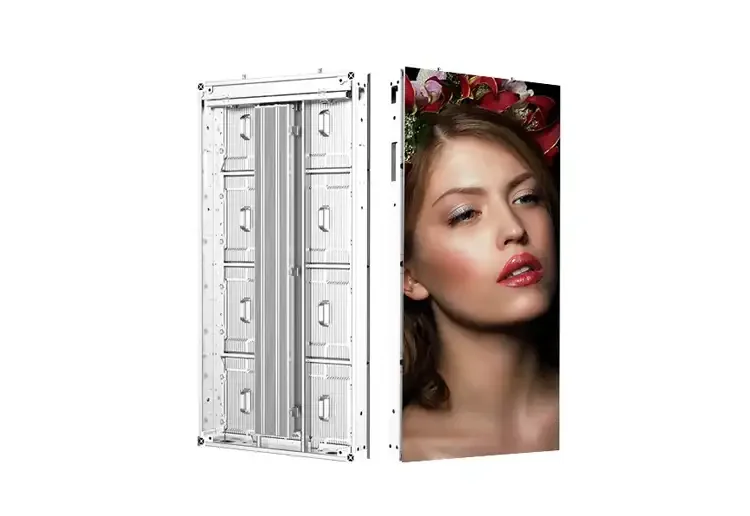 P4.81 Outdoor LED Display - Outdoor High Resolution Display
P4.81 outdoor LED display with IP66 waterproof design, up to 6500 nits brightness, 500×1000mm cabinet and front/rear ser...
-
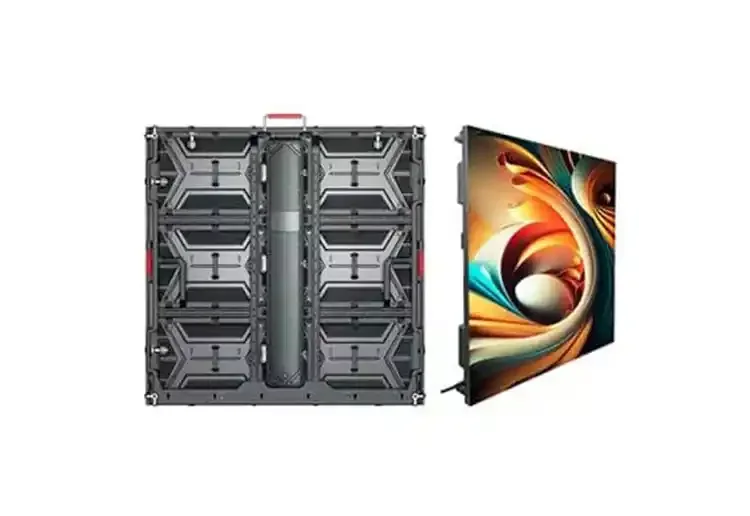 Outdoor LED Billboard | High Brightness Digital Advertising Display
LED billboard delivers bright outdoor advertising with vivid visuals, high refresh rate, weatherproof design, and stable...