



































Stadium LED Display Solutions for Modern Sports Venues
Stadium LED Display Solutions at a Glance
Stadium LED display solutions refer to large-format, high-brightness digital screens designed specifically for sports venues to deliver live video, instant replays, scores, advertisements, and immersive visual content. These systems are built to operate reliably in outdoor and indoor stadium environments, offering wide viewing angles, strong contrast, and long-term durability while supporting real-time content control.
What Is a Stadium LED Display?
A stadium LED display is a professional-grade visual system composed of modular LED panels installed in sports arenas, athletic fields, and multipurpose venues. These displays are engineered to perform under challenging conditions such as direct sunlight, extreme weather, long operating hours, and high audience density.
Unlike standard commercial screens, stadium LED displays prioritize visibility over long distances, fast refresh rates for live broadcasting, and seamless integration with event control systems. Their role extends beyond showing scores; they have become a central communication and engagement tool for modern venues.
Why Stadium LED Display Solutions Matter in Modern Sports Venues
Modern sports venues are no longer just places to watch a match. They are immersive entertainment environments competing with at-home viewing experiences. Stadium LED display solutions play a critical role in enhancing the on-site experience by delivering dynamic visuals that keep spectators engaged from entry to exit.
From pre-game introductions to halftime entertainment and post-match highlights, these displays ensure that every seat in the venue has access to the same high-quality visual information. This consistency improves audience satisfaction while increasing the commercial value of the venue.
Core Components of Stadium LED Display Systems
LED Display Modules
The modular structure allows screens to be built in virtually any size or shape. Individual LED modules work together to form a seamless display surface with consistent brightness and color accuracy.
Control and Processing Systems
Advanced controllers manage live feeds, graphics, advertising loops, and emergency messaging. These systems support real-time switching and synchronization across multiple screens within the venue.
Structural and Mounting Solutions
Stadium displays rely on robust mounting frameworks designed to withstand wind loads, vibration, and long-term outdoor exposure. Structural safety is a key design consideration.
Power and Signal Infrastructure
Redundant power supplies and stable signal transmission ensure uninterrupted performance during high-profile events where downtime is not acceptable.
Key Advantages of Stadium LED Display Solutions
Exceptional Visibility
High brightness levels ensure clear visibility even under direct sunlight. Adaptive brightness control allows displays to adjust automatically based on ambient lighting conditions.
Wide Viewing Angles
Stadium LED displays are designed to maintain consistent color and clarity across wide horizontal and vertical viewing angles, making content readable from all seating areas.
Real-Time Content Delivery
Live video feeds, instant replays, and dynamic graphics can be displayed without noticeable latency, preserving the excitement of the event.
Long Operational Lifespan
High-quality LED components offer extended service life, reducing maintenance frequency and long-term operating costs.
Types of Stadium LED Displays
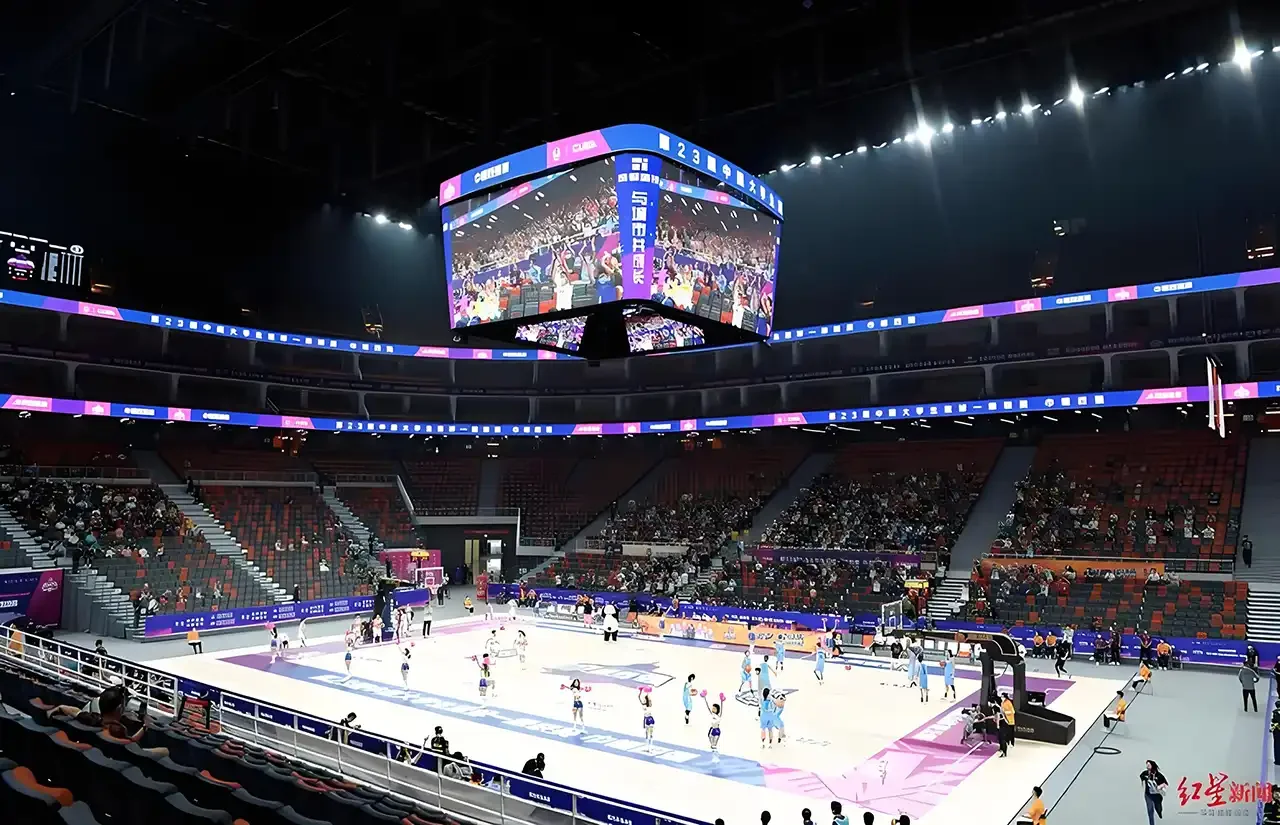
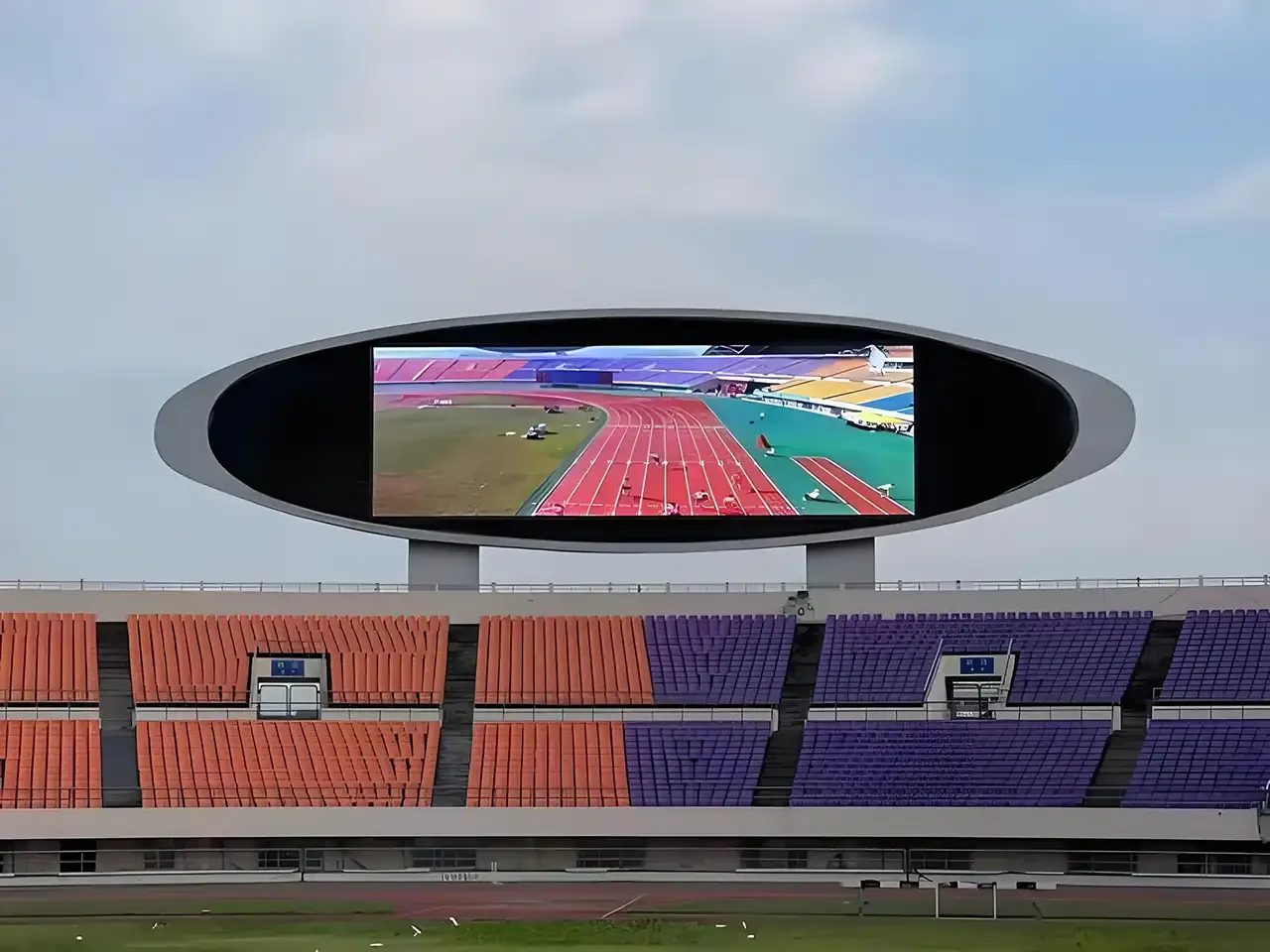
Main Video Scoreboards
These large central displays serve as the visual focal point of the venue, presenting live action, replays, scores, and event branding.
Perimeter LED Displays
Installed around the field or court, these displays are commonly used for advertising and sponsor visibility while maintaining audience engagement.
Ribbon and Fascia Displays
Mounted along the upper or lower tiers of seating, ribbon displays provide continuous information streams such as scores, statistics, and messages.
Entrance and Concourse Displays
LED screens placed in entryways and concourses guide spectators, promote events, and enhance the overall venue atmosphere.
Stadium LED Display Applications Beyond Sports
Modern stadiums often host concerts, ceremonies, exhibitions, and community events. LED display systems adapt easily to these varied use cases by supporting multiple content formats and layouts.
During concerts, displays amplify visual storytelling and stage effects. For ceremonies, they provide clarity and scale to presentations. This versatility increases venue utilization and revenue opportunities.
Technical Specifications That Define Performance
Pixel Pitch
Pixel pitch determines image resolution and viewing distance. Smaller pixel pitches offer higher resolution for closer viewing, while larger pitches are suitable for long-distance visibility.
Refresh Rate
High refresh rates prevent flicker during live broadcasts and slow-motion replays, ensuring smooth visuals for both spectators and cameras.
Contrast Ratio
A high contrast ratio enhances image depth and readability, especially in bright outdoor environments.
Color Calibration
Uniform color calibration across modules ensures a consistent and professional appearance across the entire display surface.
Environmental Adaptability in Stadium LED Displays
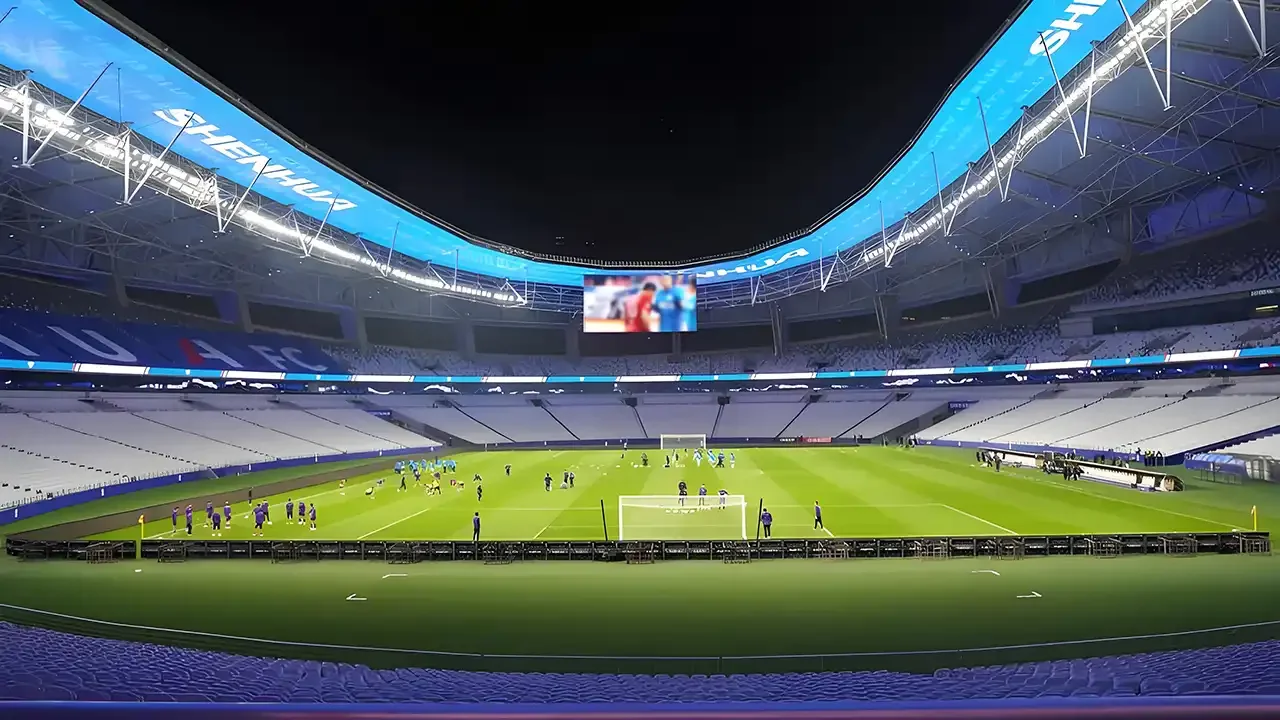
Stadium environments demand resilience. Outdoor LED displays are designed with weather-resistant enclosures that protect against rain, dust, humidity, and temperature fluctuations.
Thermal management systems regulate internal temperatures, preventing performance degradation during extreme heat or cold. These features allow reliable operation year-round.
Safety and Compliance Considerations
Structural integrity is a non-negotiable requirement for stadium installations. Display systems must comply with local safety standards and engineering codes.
Fire resistance, electrical safety, and secure mounting are integral parts of professional stadium LED display solutions. These considerations protect both spectators and operators.
Content Management and Operational Efficiency
Modern control platforms allow venue operators to manage content with precision and ease. Schedules can be programmed in advance, while live overrides enable instant updates when needed.
Integration with scoring systems, broadcast feeds, and advertising platforms streamlines operations and reduces the need for manual intervention.
Enhancing Fan Engagement Through Visual Storytelling
Stadium LED displays transform passive viewing into active engagement. Dynamic animations, crowd prompts, and interactive visuals encourage audience participation and create memorable experiences.
This level of engagement strengthens emotional connections between fans, teams, and venues, contributing to long-term loyalty.
Commercial Value and Revenue Generation
Advertising displayed on stadium LED screens represents a significant revenue stream. High visibility and dynamic content command premium sponsorship rates.
Targeted messaging can be tailored to specific events or audiences, maximizing the value of each advertising slot. Over time, this contributes to a strong return on investment.
Scalability and Future-Proof Design
Stadium LED display solutions are designed with scalability in mind. Modular construction allows for future expansion or upgrades without complete system replacement.
As display technology evolves, venues can integrate new features such as higher resolutions or advanced content formats while preserving existing infrastructure.
Installation Planning and Project Execution
Successful stadium display projects begin with thorough planning. Factors such as viewing distance, seating layout, ambient lighting, and structural constraints influence design decisions.
Professional installation ensures precise alignment, secure mounting, and optimal performance from day one. Attention to detail during installation reduces long-term maintenance issues.
Maintenance and Long-Term Reliability
Routine maintenance focuses on visual inspection, cleaning, and system diagnostics. Modular design allows individual components to be serviced or replaced without disrupting the entire display.
Preventive maintenance strategies help extend system lifespan and maintain consistent performance over years of operation.
Indoor vs Outdoor Stadium LED Display Solutions
Indoor displays prioritize high resolution and color accuracy, while outdoor systems emphasize brightness and environmental protection.
Understanding these differences ensures the right solution is selected for each application, balancing performance requirements with operational conditions.
Energy Efficiency and Sustainable Operation
Modern LED technology offers improved energy efficiency compared to traditional display systems. Intelligent power management reduces consumption during low-brightness conditions.
Sustainable operation aligns with the growing emphasis on environmentally responsible venue management while lowering operating costs.
Customization for Venue Identity
Every stadium has a unique identity. Custom LED display designs allow venues to incorporate architectural elements, team branding, and thematic visuals into the display structure.
This customization enhances visual cohesion and strengthens the venue’s brand presence.
Integration with Smart Stadium Infrastructure
Stadium LED displays increasingly form part of a broader smart venue ecosystem. Integration with data analytics, audience management systems, and mobile platforms creates a connected experience.
Real-time data visualization and synchronized messaging improve communication efficiency and audience satisfaction.
Choosing the Right Stadium LED Display Solution
Selecting the appropriate solution involves evaluating venue size, audience capacity, event types, and long-term goals. A balanced approach considers both technical performance and operational practicality.
Clear requirements lead to systems that deliver consistent value throughout their service life.
Common Challenges and Practical Solutions
Large-scale installations face challenges such as signal distribution, environmental exposure, and content coordination. These challenges are addressed through robust system design, redundancy planning, and professional project management.
Anticipating potential issues during the design phase minimizes disruptions during operation.
The Evolution of Stadium Visual Experiences
Stadium LED display solutions have evolved from simple scoreboards into immersive visual platforms. Advances in LED technology continue to expand creative possibilities while improving efficiency and reliability.
As expectations rise, displays remain central to delivering engaging, high-quality experiences that justify in-person attendance.
Frequently Asked Questions
What makes a stadium LED display different from regular LED screens?
Stadium LED displays are engineered for long-distance visibility, high brightness, wide viewing angles, and continuous operation in demanding environments.
How long do stadium LED displays typically last?
With proper maintenance, high-quality systems can operate effectively for many years, maintaining consistent brightness and performance.
Are stadium LED displays suitable for non-sporting events?
Yes. Their flexibility makes them ideal for concerts, ceremonies, exhibitions, and community gatherings.
Can content be updated in real time?
Modern control systems support real-time updates, live feeds, and instant content switching during events.
Do stadium LED displays consume a lot of energy?
Compared to older display technologies, modern LED systems offer improved energy efficiency with intelligent brightness control.
Conclusion
Stadium LED display solutions have become an essential element of modern sports venues. They enhance visibility, elevate fan engagement, and create new commercial opportunities while supporting diverse event requirements.
By combining robust engineering, advanced control systems, and scalable design, these displays help venues deliver memorable experiences and remain competitive in an evolving entertainment landscape.
-
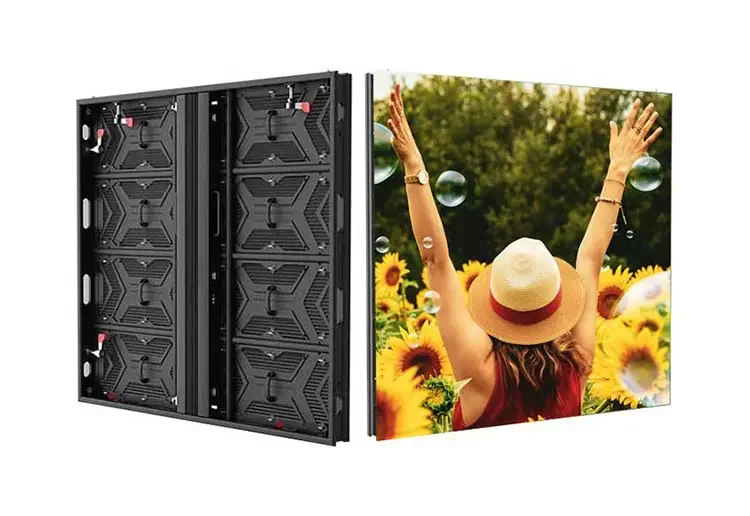 Outdoor LED Screen | Weatherproof P2.9-P10.4 Display
REISSOPTO outdoor LED screen (P2.9–P10.4) delivers up to 6500 nits brightness, IP65 waterproof, front/rear maintenance f...
-
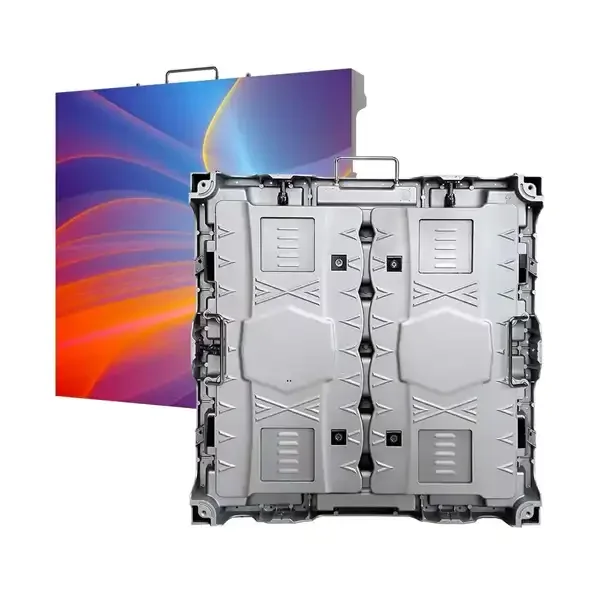 P4 Outdoor LED Screen | IP65 Waterproof HD Advertising Display
P4 outdoor LED screen with 4mm pitch, 6000 -10000nits brightness, IP65 waterproof cabinet & 7680Hz refresh—HD outdoo...
-
 Outdoor LED Video Wall | High Brightness IP67 Panel
Outdoor LED video wall delivers bright, weatherproof visuals with vivid colors, seamless splicing, and stable performanc...