


































Led Screen Wedding Price
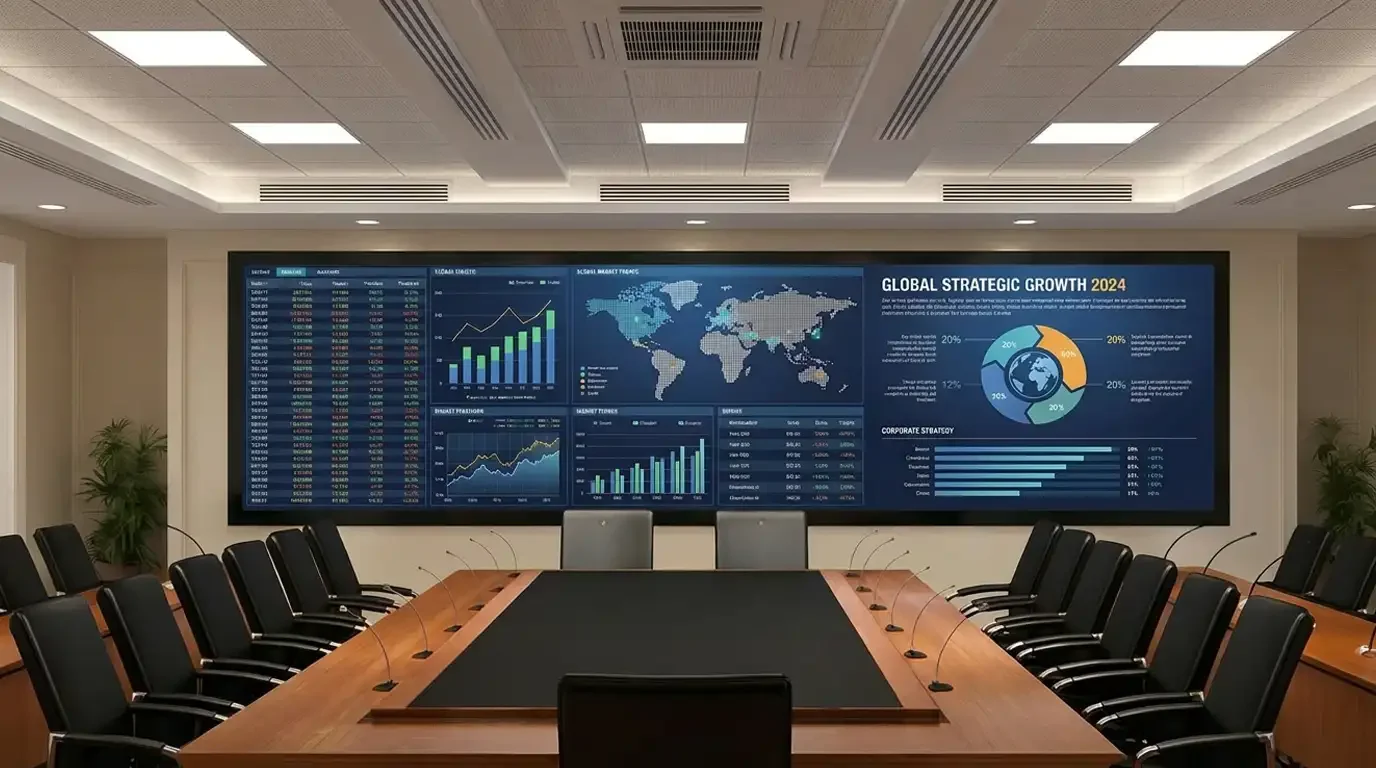
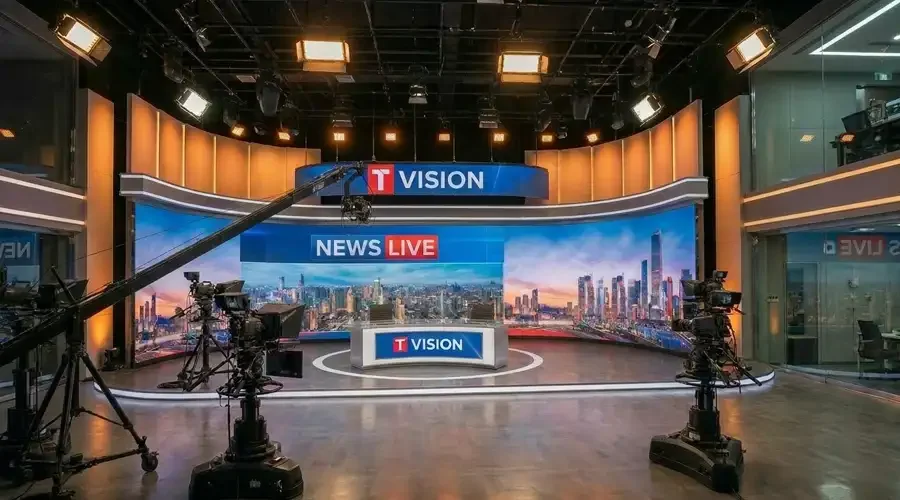
The global price of an LED screen for a wedding is influenced by screen size, resolution, installation method, venue type, and regional labor costs. On average, a basic indoor LED backdrop may be rented for a few hundred dollars, while a large outdoor LED video wall with high brightness and fine pixel pitch can require an investment of several thousand to over ten thousand US dollars. These costs are shaped by both technical specifications and production complexity, making the final budget highly dependent on how the visual experience is designed.
Wedding LED Screen Cost Overview
Wedding LED screen pricing is usually calculated per square meter and adjusted by resolution, brightness, structural support, and service level. The total expense is typically composed of equipment rental, installation, control system operation, and on-site technical assistance. In many markets, the rental fee already includes standard mounting and basic signal processing, while advanced stage integration or live broadcast systems are billed separately.
LED Video Wall Pricing for Weddings by Screen Size
Small Wedding LED Screen Cost
Small LED displays, often between 3 and 6 square meters, are commonly used for intimate ceremonies, photo slideshows, and indoor hotel stages. These screens are usually floor-mounted and require minimal structural reinforcement. Their rental price is kept relatively low because transportation, power distribution, and labor demands remain limited.
Medium Wedding LED Wall Price
Medium-sized LED walls, ranging from 10 to 20 square meters, are frequently installed behind the main stage or head table. This category allows for dynamic video content, live camera feeds, and decorative motion graphics. The price rises as more panels, stronger support frames, and higher-capacity processors are required.
Large Stage LED Display Budget
Large-format LED screens, exceeding 30 square meters, are typical for luxury ballrooms and outdoor venues. These systems often involve truss structures, wind-load calculations, and redundant power supplies. The overall budget increases due to transportation, certified rigging, and extended setup time.
Indoor vs Outdoor Wedding LED Display Expenses
Indoor Wedding Screen Pricing
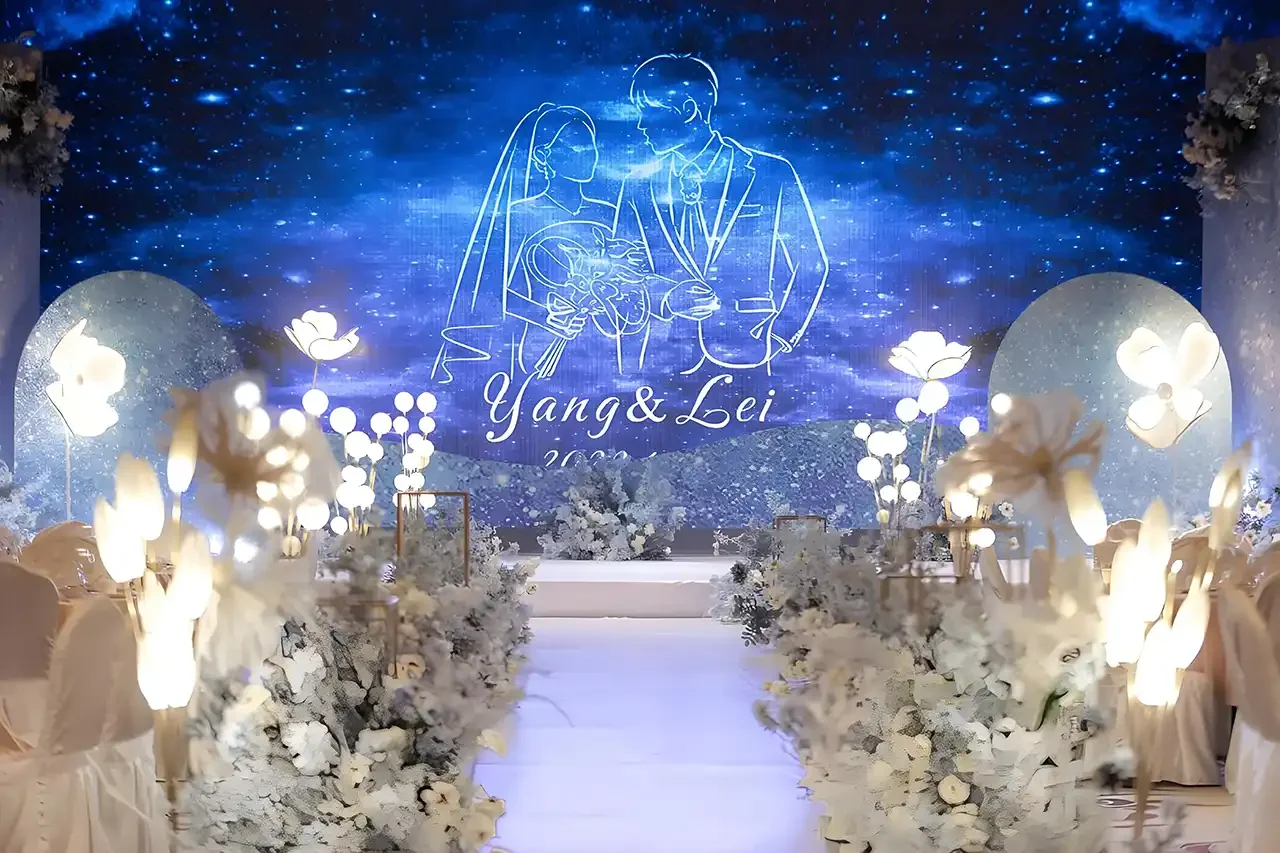
Indoor LED screens are designed for controlled lighting environments. Lower brightness levels are sufficient, and weatherproofing is not required. The cost is mainly driven by resolution and viewing distance. Fine-pitch panels are often selected to ensure clarity for guests seated close to the stage.
Outdoor Wedding Screen Pricing
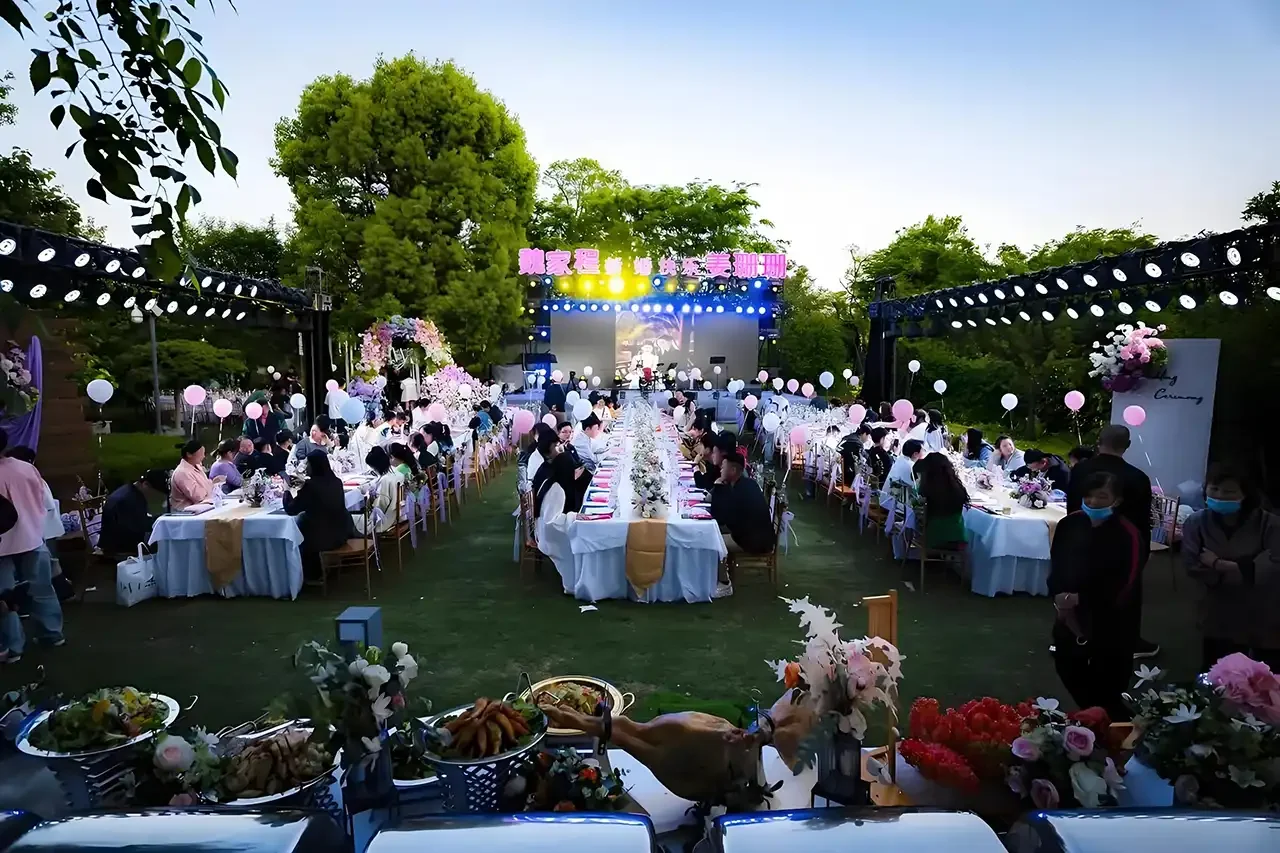
Outdoor LED displays must withstand sunlight, humidity, and wind. High brightness, waterproof housings, and reinforced frames are required. These features add to the manufacturing and rental cost, making outdoor installations more expensive than indoor setups of similar size.
Pixel Pitch and Resolution Impact on Wedding Screen Price
High-Resolution LED Screens for Close Viewing
Small pixel pitch options such as P1.9 or P2.6 provide sharp image detail and smooth video playback. These panels are commonly used in premium indoor weddings where guests are seated near the screen. Their dense LED configuration results in higher rental rates.
Standard-Resolution LED Displays for Large Venues
Pixel pitches such as P2.9 or P3.9 are widely used for medium to large spaces. They offer a balance between clarity and affordability and are suitable for both indoor halls and outdoor stages.
Large Pixel Pitch Solutions for Long Viewing Distance
For open-air ceremonies and large banquet halls, P4.8 or similar resolutions are often chosen. The viewing distance reduces the need for extremely fine detail, allowing costs to be controlled without sacrificing visual impact.
Rental LED Screen Price vs Purchase Cost for Wedding Use
Rental Pricing Structure
Rental services usually include equipment, basic installation, signal processing, and on-site support. This approach allows high-end visual technology to be accessed without long-term ownership responsibilities. For single events, rental remains the most economical solution.
Purchase Cost Considerations
Purchasing an LED screen involves a much higher initial investment. Storage, maintenance, and depreciation must also be considered. Ownership is generally practical only for venues or production companies that host frequent events.
Installation, Rigging, and Technical Support Fees
Structural and Safety Requirements
Screen mounting methods vary from simple ground support to complex flown truss systems. Certified rigging and safety inspections may be required, particularly for large or suspended displays.
Control Systems and On-Site Operation
Video processors, switching systems, and backup signal paths are used to ensure stable playback. Skilled technicians are typically present throughout the event, and their service fees form part of the overall budget.
Luxury Wedding LED Stage Design vs Budget-Friendly Solutions
High-End Visual Concepts
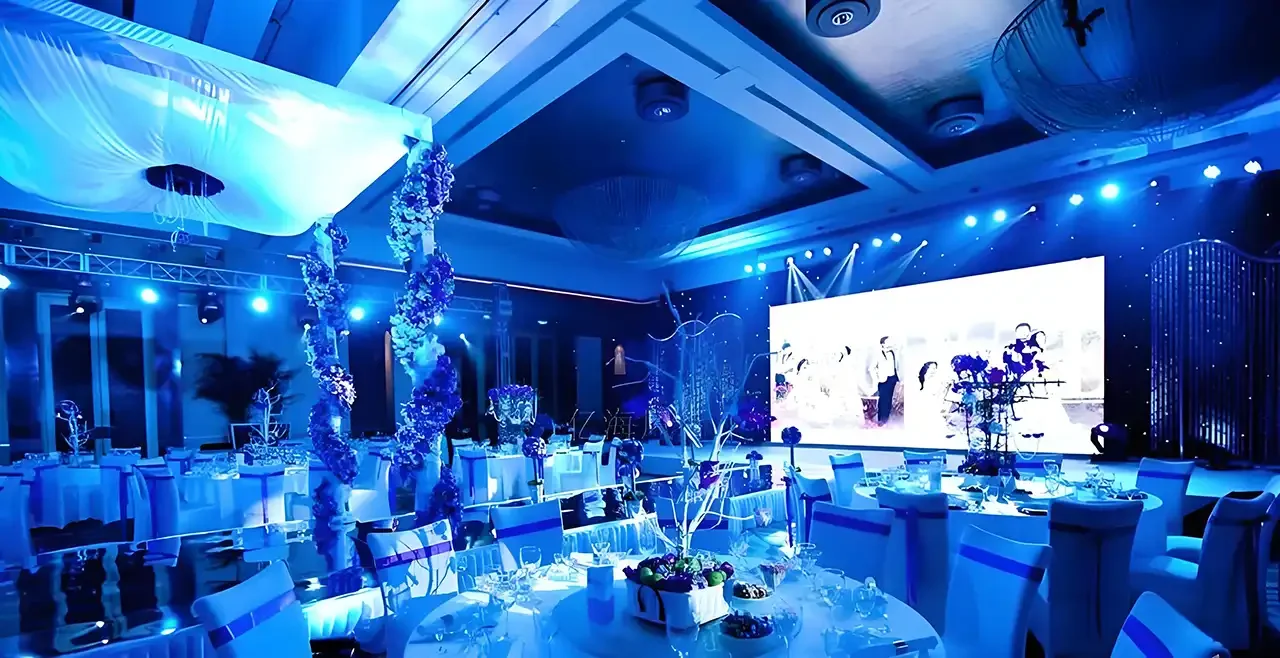
Luxury weddings often feature seamless LED backdrops, curved screens, and synchronized lighting. Advanced control systems and custom content creation are integrated to create a cinematic atmosphere.
Cost-Effective Display Arrangements
Budget-focused weddings may use smaller screens, standard resolutions, and pre-designed templates. Strategic placement can still achieve strong visual impact without excessive expenditure.
Regional Price Comparison of Wedding LED Screens
North America and Western Europe
Higher labor costs and strict safety standards tend to raise overall prices. Premium equipment and professional installation services are widely available, supporting complex stage designs.
Asia and the Middle East
Equipment availability is high, and manufacturing proximity can reduce hardware costs. However, transportation and venue-specific regulations may influence final pricing.
Global Average Range
When evaluated across multiple regions, a broad global price range can be observed, with small indoor setups starting from a few hundred dollars and large outdoor productions extending into five-figure budgets.
Frequently Asked Questions About Wedding LED Screen Pricing
How much does it cost to rent an LED screen for a wedding?
The global rental cost generally ranges from USD 500 for small indoor displays to more than USD 15,000 for large outdoor or high-resolution stage installations, depending on size, resolution, and service scope.
Is an LED video wall worth the investment for a wedding?
An LED video wall enhances visual storytelling, supports live video, and creates an immersive atmosphere, often making the event more memorable for guests.
What screen size is suitable for a standard wedding stage?
A display area between 10 and 20 square meters is commonly selected, as it offers clear visibility without overwhelming the venue space.
Can LED screens be safely used outdoors for wedding ceremonies?
Outdoor-rated LED screens are designed with waterproof and high-brightness features, allowing reliable performance in open-air environments.
How long is required for installation and testing?
Small indoor screens may be installed within a few hours, while large outdoor systems with truss support and complex control setups may require a full day for safe assembly and calibration.
Frequently Asked Questions
How much does it cost to rent an LED screen for a wedding?
The global rental cost generally ranges from USD 500 for small indoor displays to more than USD 15,000 for large outdoor or high-resolution stage installations, depending on size, resolution, and service scope.
Is an LED video wall worth the investment for a wedding?
An LED video wall enhances visual storytelling, supports live video, and creates an immersive atmosphere, often making the event more memorable for guests.
What screen size is suitable for a standard wedding stage?
A display area between 10 and 20 square meters is commonly selected, as it offers clear visibility without overwhelming the venue space.
Can LED screens be safely used outdoors for wedding ceremonies?
Outdoor-rated LED screens are designed with waterproof and high-brightness features, allowing reliable performance in open-air environments.
How long is required for installation and testing?
Small indoor screens may be installed within a few hours, while large outdoor systems with truss support and complex control setups may require a full day for safe assembly and calibration.