



































How Long Do LED Screens Last
LED screens are among the most widely used digital display technologies in advertising, entertainment, corporate communication, and public information systems. Their longevity, reliability, and performance make them an essential tool in modern visual environments. One of the most frequently asked questions by businesses, event organizers, and technology professionals is: how long do LED screens last? Understanding the factors that influence LED screen lifespan helps users make informed decisions regarding purchase, installation, and maintenance.
Understanding LED Screen Lifespan
The lifespan of an LED screen is commonly measured in terms of operational hours, brightness retention, and color consistency. Manufacturers typically provide a nominal lifespan ranging from 50,000 to 100,000 hours, depending on the type of LEDs, quality of materials, and environmental conditions.
Key factors affecting longevity include:
LED diode quality: Higher-quality diodes maintain brightness and color over longer periods.
Power supply stability: Consistent voltage prevents early failure of modules.
Environmental exposure: Outdoor screens face sunlight, moisture, wind, and temperature fluctuations.
Usage patterns: Continuous operation, high-brightness settings, or rapid content changes can accelerate wear.
LED Screen Structure and Its Role in Longevity
LED screens are composed of multiple layers and components, each contributing to the overall lifespan.
LED Modules
The core component consists of RGB diodes arranged in pixels. Lifespan is often dictated by:
Heat management: Excessive heat reduces diode longevity.
Current regulation: Stable electrical current prevents degradation.
Color calibration: Uneven use of diodes may lead to uneven brightness over time.
Cabinet and Frame
Cabinets house the LED modules and provide structural integrity. Outdoor cabinets often include:
Waterproof sealing
UV-resistant materials
Reinforced metal frames
These protect the modules from environmental damage, which can otherwise shorten lifespan.
Control and Signal Systems
The video processor and control system ensure each module receives accurate data. Modern LED screens employ:
High-efficiency processing units
Firmware updates for performance optimization
Advanced calibration for uniform color and brightness
Malfunction in control systems can reduce perceived lifespan even if the LEDs themselves are functional.
Indoor vs Outdoor LED Screen Lifespan
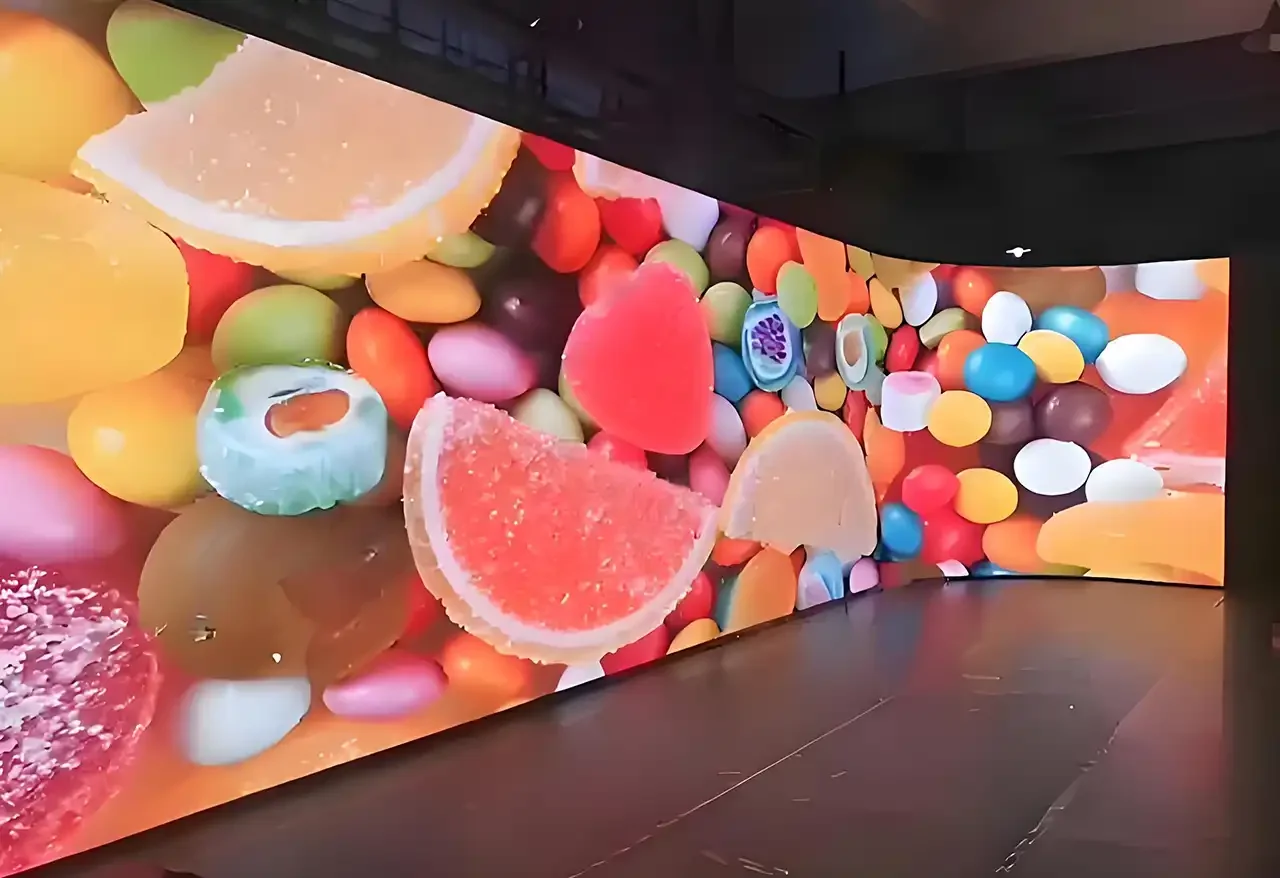
Indoor LED Screens
Pixel pitch: Typically 1.2 mm – 4 mm
Brightness: Moderate, usually 800–1500 nits
Environmental factors: Minimal exposure to UV, moisture, and dust
Typical lifespan: 80,000–100,000 hours
Indoor led screens generally last longer due to controlled environmental conditions and moderate brightness requirements.
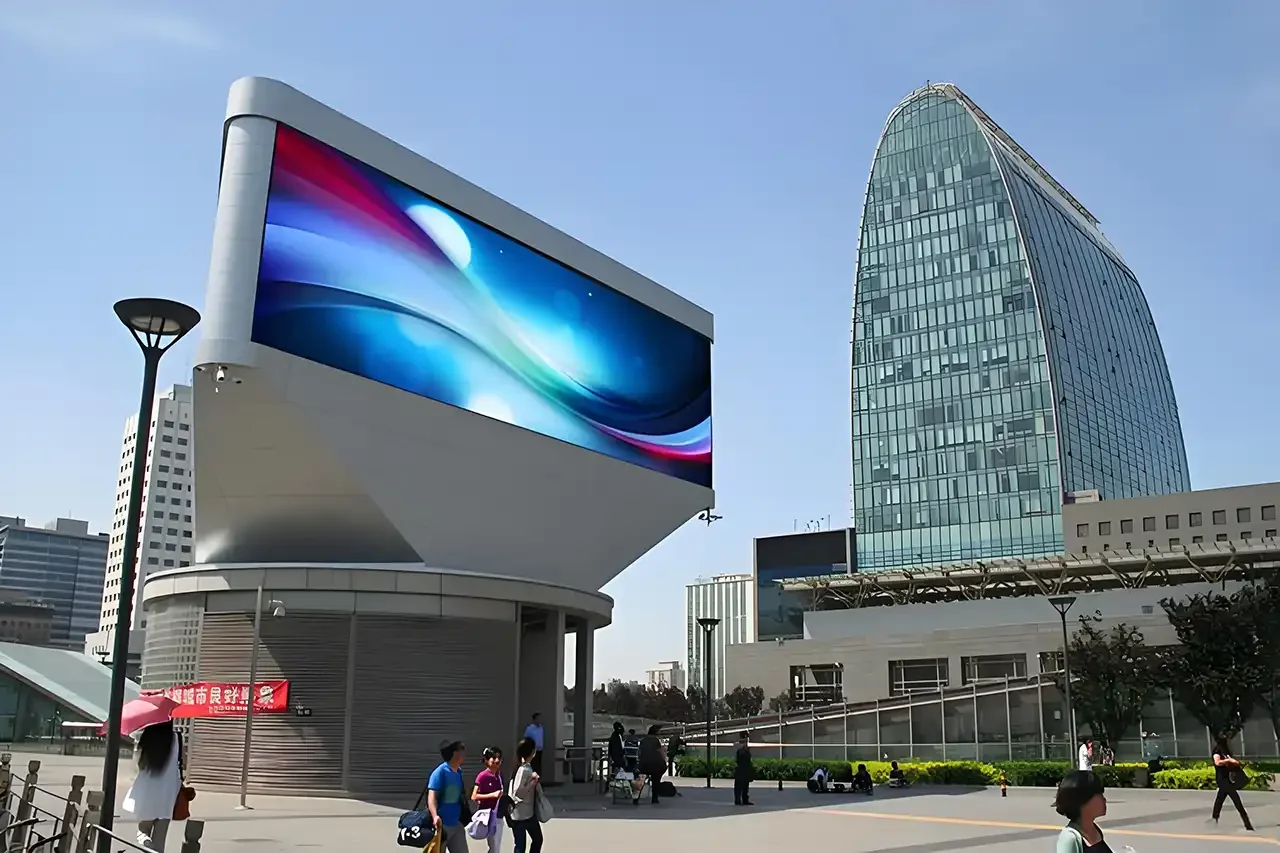
Outdoor LED Screens
Pixel pitch: 4 mm – 20 mm or higher
Brightness: High, 5,000–10,000 nits for daylight visibility
Environmental challenges: Sunlight, rain, wind, temperature extremes
Typical lifespan: 50,000–80,000 hours
Outdoor led screens require robust cabinets, high-quality diodes, and weatherproofing to achieve long-term reliability.
Factors Affecting LED Screen Lifespan
Heat Management
LEDs generate heat during operation. Effective cooling systems—passive heat sinks or active fans—maintain optimal temperature and prevent premature degradation.
Brightness and Usage Intensity
High brightness settings increase power consumption and heat generation. Continuous maximum brightness reduces lifespan compared to moderate usage.
Environmental Exposure
Dust, moisture, and UV radiation can compromise LED modules and cabinets. Outdoor-rated LED screens include protective coatings, waterproofing, and anti-corrosion materials.
Maintenance Practices
Regular inspection and cleaning of modules, fans, and electrical connections improve reliability. Calibration ensures consistent color and brightness, preventing uneven wear.
Power Quality
Stable electrical supply is critical. Voltage spikes, unstable current, and frequent on/off cycles can stress LED components.
Types of LEDs and Lifespan Differences
SMD (Surface Mounted Diode) LEDs
Common in both indoor and outdoor applications
Compact, versatile, and capable of high resolution
Lifespan: 50,000–100,000 hours
DIP (Dual In-line Package) LEDs
Larger diodes, often used in outdoor displays
Excellent brightness and weather resistance
Lifespan: 50,000–70,000 hours
Micro-LEDs
Emerging technology with smaller, more efficient diodes
Ultra-high resolution, long lifespan, and low power consumption
Lifespan: 100,000+ hours in controlled environments
Application-Based Lifespan Considerations
Advertising Billboards
Continuous operation is common
Environmental exposure reduces effective lifespan unless weatherproofed
Brightness optimization and routine maintenance extend longevity
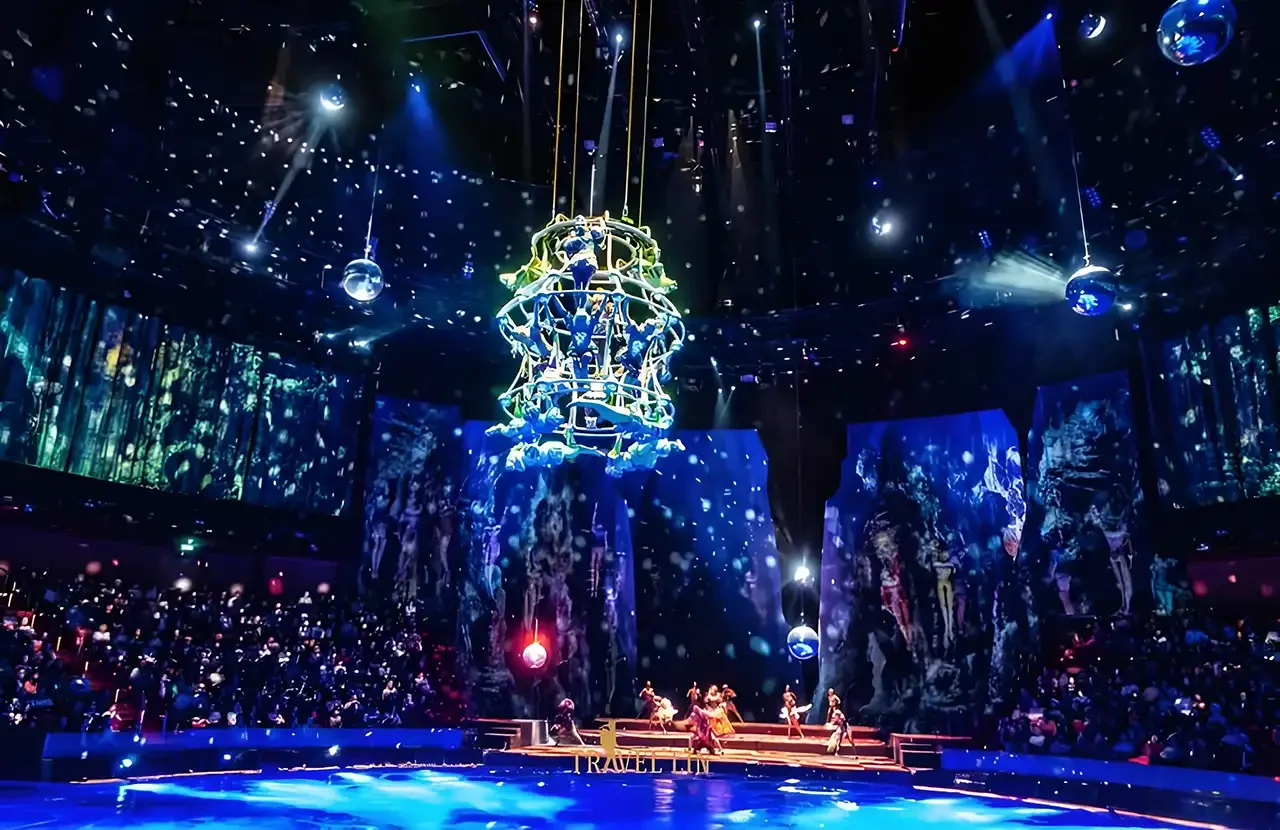
Concert and Event Screens
Short-term but high-intensity usage
Modular designs allow reuse across multiple events
Lifespan often measured in terms of total operational hours rather than calendar years
Corporate and Conference Displays
Intermittent operation with controlled lighting
Indoor environment prolongs module life
Fine-pitch screens require careful calibration to maintain color accuracy
Public Transport and Wayfinding
Outdoor usage requires weatherproofing and high-brightness LEDs
Constant updates or live feeds increase operational load
Proper installation ensures projected lifespan is achievable
Maintenance Practices to Extend LED Screen Life
Routine cleaning: Dust removal from modules, cabinets, and ventilation
Thermal monitoring: Ensure heat dissipation is adequate
Electrical inspection: Check power supply and wiring integrity
Software calibration: Maintain color consistency and brightness balance
Module replacement: Modular LED systems allow individual panel servicing without disassembly
Future Trends Impacting LED Screen Longevity
Improved diode materials: Longer-lasting semiconductors
Enhanced cooling technologies: Passive and active systems reducing thermal stress
Energy-efficient designs: Lower operational strain and heat generation
AI-assisted monitoring: Predictive maintenance for real-time performance optimization
Micro-LED adoption: Ultra-dense and efficient LEDs extending lifespan for high-resolution applications
Frequently Asked Questions
How is LED screen lifespan calculated?
Lifespan is often specified as the time until brightness reaches 50% of its original value, rather than complete failure. This metric, measured in hours, is known as L50.
Can environmental conditions drastically shorten lifespan?
Yes. High humidity, direct sunlight, dust, and extreme temperatures can reduce module reliability, especially for outdoor screens without proper protective measures.
Does maintenance really affect LED screen life?
Proper maintenance significantly improves longevity by preventing dirt buildup, overheating, and uneven wear across modules.
Are high-quality LED screens longer-lasting?
Premium LED screens with superior diodes, cabinets, and control systems generally outperform budget solutions, providing consistent brightness and color over more hours.
Can LED screens be reused after years of operation?
With modular designs, individual panel replacement and calibration allow extended usability even after several years of operation.
What is the difference between indoor and outdoor lifespan?
Indoor screens last longer due to controlled environments, lower brightness requirements, and minimal exposure to moisture or sunlight.
Conclusion
The lifespan of an LED screen depends on a combination of technology, usage, environmental conditions, and maintenance. While typical operational life ranges from 50,000 to 100,000 hours, proper installation, careful usage, and regular maintenance can maximize longevity. Advancements in diode efficiency, cooling systems, and predictive monitoring continue to improve performance and durability. Whether used indoors, outdoors, in concerts, advertising, or corporate settings, understanding the factors affecting LED screen longevity allows users to plan for reliable, long-term visual solutions.