



































Buy LED Display Screen : Price, Cost, Specifications, and Complete Buyer Guid
Buying an LED display screen is considered a long-term visual investment rather than a simple equipment purchase. The final price is usually determined by screen size, pixel pitch, brightness level, installation structure, control system, and application environment. Globally, the cost of an LED display screen can range from a few hundred dollars for small indoor units to hundreds of thousands of dollars for large outdoor video walls and commercial digital signage systems.
LED Display Screen Cost Overview
The total expense of an LED display screen is influenced by hardware configuration, manufacturing quality, and supporting systems. Panels, power supplies, receiving cards, control processors, structural frames, and installation services are usually calculated together to form the final quotation.
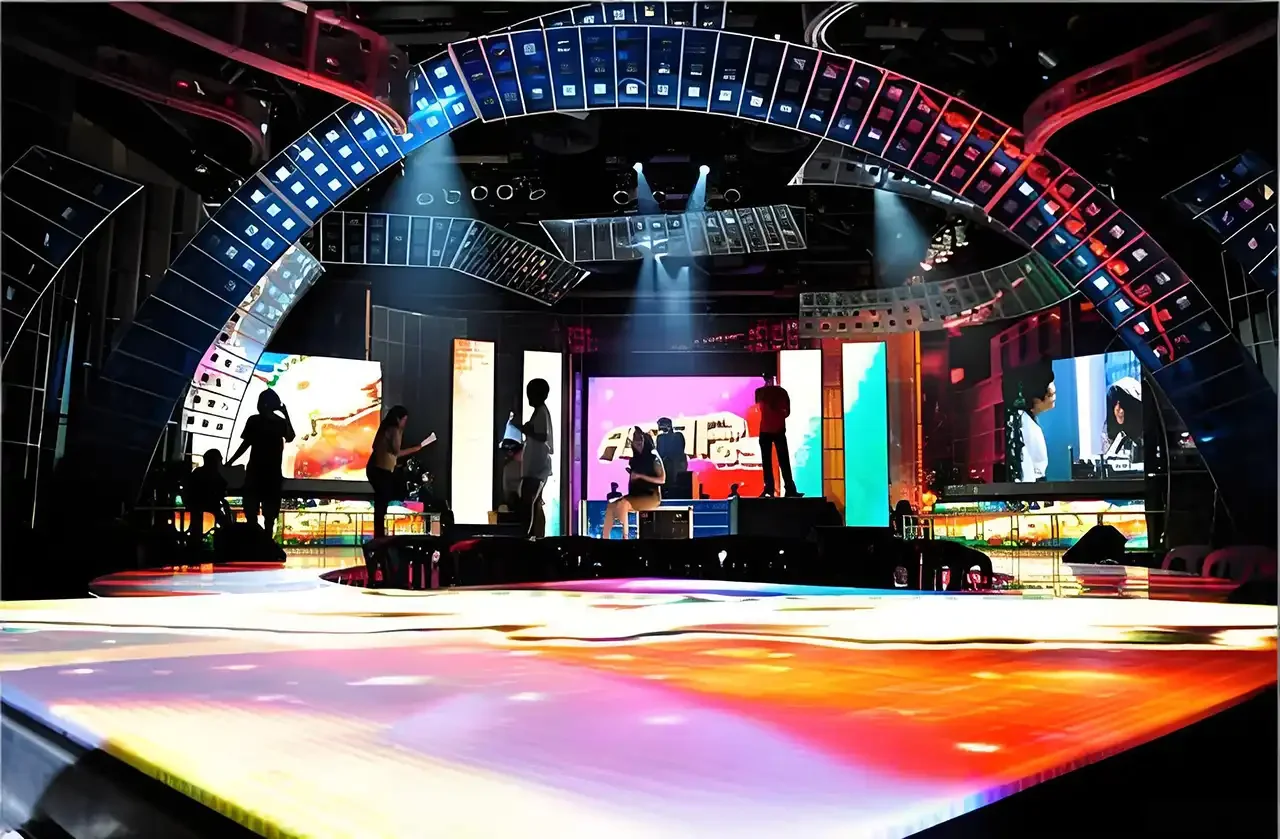
Small-format indoor LED displays are often selected for retail shops, meeting rooms, and exhibitions. Medium-size LED walls are widely applied in conference halls, shopping malls, and performance stages. Large outdoor LED screens are installed for advertising, stadiums, and public information systems, where high brightness and weather resistance are required.
Buy LED Screen by Application Type
Indoor LED Display Screen Purchase Cost
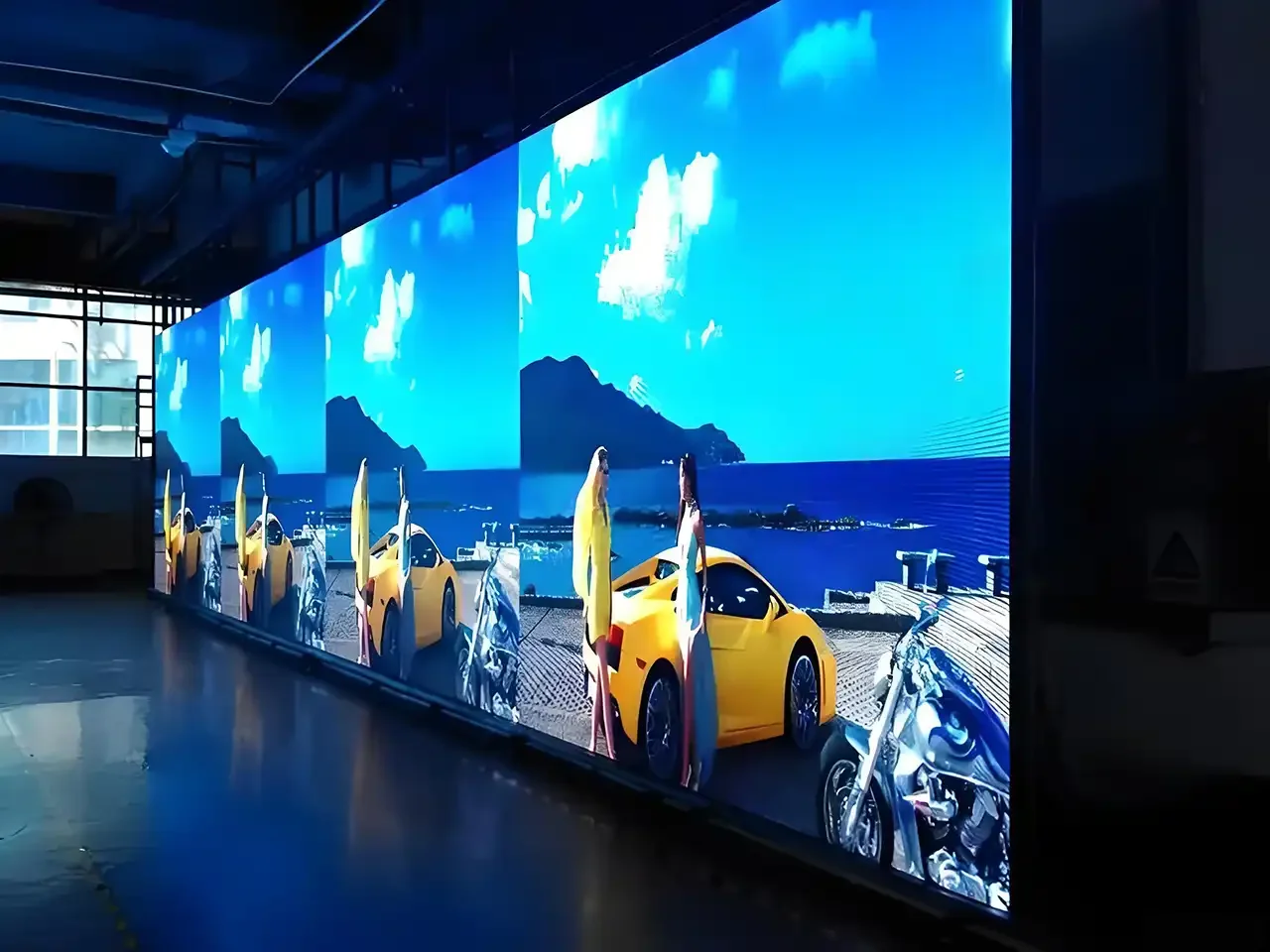
Indoor LED screens are designed for close viewing distances and controlled lighting environments. Fine pixel pitch, accurate color reproduction, and quiet operation are prioritized. Their pricing is mainly affected by resolution and module density.
Outdoor LED Display Screen Price Range
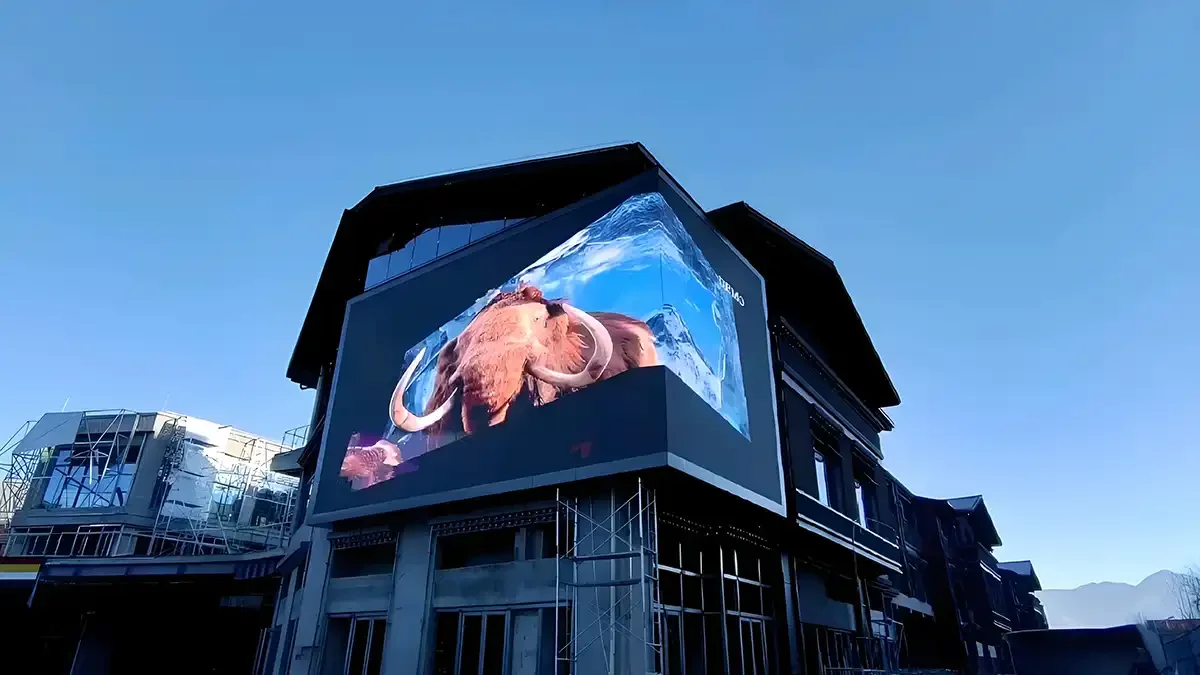
Outdoor LED displays must deliver high brightness, strong contrast, and stable performance under sunlight, rain, and temperature variation. Waterproof structures, reinforced cabinets, and anti-corrosion coatings increase production cost and overall investment.
Commercial and Advertising LED Screen Investment
LED display screens for advertising and branding are often required to operate continuously. Long lifespan, energy efficiency, and remote control systems are usually included, which raises the initial purchase price but reduces long-term operating expenses.
Pixel Pitch and Resolution Influence on Purchase Price
Fine Pixel Pitch LED Screens
Pixel pitches such as P1.2, P1.5, and P1.9 are used where ultra-high definition is required. Control rooms, broadcast studios, and premium showrooms often rely on this level of resolution, resulting in higher cost per square meter.
Standard Resolution LED Displays
Pixel pitches from P2.6 to P3.9 are commonly chosen for indoor halls and outdoor stages. A balance between clarity and cost efficiency is achieved in this category.
Large Pixel Pitch LED Video Walls
Pixel pitches above P4.8 are applied where long viewing distance is expected. Advertising billboards and stadium perimeter screens usually adopt this configuration to reduce total system cost.
Buy LED Display Screen by Size Category
Small LED Screen Systems
Small LED screens, under 10 square meters, are frequently used for information boards and indoor branding. Lower power demand and simplified installation help control the total expense.
Medium LED Video Wall Solutions
Medium LED walls between 10 and 50 square meters are installed in conference centers, shopping malls, and event venues. Their cost structure includes cabinet frames, signal distribution, and structural support.
Large LED Display Wall Investment
Large LED display walls above 50 square meters require professional structural design, cooling systems, and backup power. Transportation, rigging, and safety certification are included in the project budget.
Technical Specifications That Affect LED Display Screen Price
Brightness Level and Luminance Requirements
Brightness is one of the most critical specifications when an LED display screen is purchased. Indoor screens usually operate between 600 and 1,200 nits, which is sufficient for conference rooms, shopping malls, and exhibition halls. Outdoor LED screens, however, are often required to reach 5,000 to 8,000 nits or even higher to remain clearly visible under direct sunlight. Higher brightness requires more powerful LEDs, stronger power supplies, and advanced heat dissipation systems, which directly increase manufacturing and purchase costs.
Refresh Rate and Image Stability
A high refresh rate ensures that video content is displayed smoothly without flicker, especially when cameras are used for live broadcasting or recording. Professional-grade LED screens commonly feature refresh rates above 3,840 Hz. This specification is particularly important for studios, stages, and sports venues, where motion clarity is essential. Screens with higher refresh rates are generally priced higher due to upgraded driver ICs and more precise control circuits.
Color Depth and Grayscale Performance
Color depth determines how many shades each color can display. Higher grayscale levels allow smoother transitions and more natural-looking images. Commercial LED displays typically offer 14-bit or 16-bit color depth, which improves visual realism but requires more advanced processing chips and calibration procedures. As a result, screens with superior color performance are positioned at a higher price level.
Indoor vs Outdoor LED Display Screen Buying Considerations
Structural Design and Cabinet Materials
Indoor LED display cabinets are usually made from lightweight aluminum or composite materials, making them easier to install and maintain. Outdoor cabinets, in contrast, are constructed with weather-resistant coatings, sealed connectors, and reinforced frames to protect against rain, dust, and wind. These additional protective features raise both production cost and overall purchase price.
Power Consumption and Energy Efficiency
Energy efficiency plays an important role in long-term operating expenses. Modern LED screens are designed with optimized power management systems that reduce electricity usage while maintaining brightness and stability. High-efficiency power supplies and intelligent control systems may increase the initial investment but contribute to lower operational costs over time.
Heat Dissipation and Cooling Systems
As LED displays operate continuously, heat management becomes a critical factor. Large outdoor video walls and high-brightness indoor screens are often equipped with active cooling systems or advanced ventilation designs. These components enhance reliability and lifespan but also add to the total system cost.
Buying Versus Renting an LED Display Screen
Long-Term Investment Analysis
Purchasing an LED display screen is generally considered when long-term or frequent use is planned. Ownership allows full control over content scheduling, system configuration, and branding integration. Over time, the cost per use decreases, making purchase a cost-effective solution for venues, advertising operators, and event companies.
Short-Term and Temporary Use
For temporary events or short-term campaigns, renting remains a practical alternative. Rental services provide access to high-quality equipment without the need for storage, maintenance, or large upfront investment. However, repeated rentals over an extended period may eventually exceed the cost of ownership.
Maintenance and After-Sales Support
When an LED display is purchased, maintenance contracts and spare parts availability become important considerations. Professional suppliers usually offer technical support, calibration services, and replacement modules to ensure stable operation throughout the product’s lifecycle.
China-Based LED Display Manufacturer and Global Supplier
Reissopto is a professional LED display manufacturer and supplier based in China, supported by a mature supply chain and large-scale production capability. A full range of LED display solutions is provided, including indoor fine-pitch screens, outdoor high-brightness displays, commercial video walls, and stage LED systems for different application requirements.
From module production and cabinet assembly to aging tests and quality inspection, stable performance and consistent standards are maintained throughout the manufacturing process. As both a factory and a global supplier, Reissopto offers integrated services covering product customization, export packaging, international logistics, and technical support, ensuring reliable delivery and long-term operation for projects worldwide.
Installation and Integration Cost Factors
Structural Support and Rigging
Large LED walls require professionally designed support structures. Ground support systems, wall mounts, and hanging truss solutions are selected according to venue conditions and safety regulations. Engineering design and certified installation teams are usually involved, contributing to the total project cost.
Control Systems and Signal Distribution
Video processors, sending cards, receiving cards, and redundant signal paths ensure stable operation and high-quality image transmission. Advanced control systems allow real-time scaling, multi-source switching, and remote monitoring, increasing both performance and cost.
Software and Content Management
Content management platforms enable scheduling, remote updates, and system diagnostics. Professional software solutions may be licensed separately and are considered part of the complete LED display investment.
Long-Term Ownership Cost and Return on Investment
Lifespan and Reliability
High-quality LED display screens are designed to operate for tens of thousands of hours. Stable power components, durable LED chips, and effective cooling systems contribute to extended service life, reducing replacement frequency and maintenance expenses.
Energy and Operating Expenses
Power consumption is a continuous cost factor. Energy-efficient designs help control electricity bills, particularly for large outdoor screens and 24-hour advertising displays.
Value for Commercial and Branding Applications
For retail, advertising, and corporate communication, LED displays provide dynamic visual impact and high visibility. Their ability to attract attention and deliver real-time content often results in measurable returns through increased customer engagement and brand recognition.
Frequently Asked Questions About Buying LED Display Screens
How much does it cost to buy an LED display screen?
The purchase price varies widely, from a few hundred dollars for small indoor units to hundreds of thousands of dollars for large outdoor video walls. The final cost depends on size, resolution, brightness, structural design, and control systems.
What pixel pitch should be chosen for indoor applications?
Fine pixel pitches such as P1.9 or P2.6 are commonly selected for close viewing distances, while P2.9 and above are suitable for larger halls where viewers are positioned farther from the screen.
Are outdoor LED screens more expensive than indoor models?
Outdoor LED screens generally cost more due to higher brightness requirements, weatherproof construction, and reinforced structural design.
Is maintenance required after purchasing an LED display?
Regular maintenance, calibration, and occasional module replacement help ensure stable performance and long-term reliability. Many suppliers provide after-sales service packages for this purpose.
How long does an LED display screen typically last?
With proper operation and maintenance, an LED display screen can function reliably for many years, often exceeding 50,000 hours of use.
This comprehensive overview of buying an LED display screen covers price factors, technical specifications, application scenarios, and investment considerations, providing a complete reference for informed purchasing decisions.