


































Best Commercial LED Screen for Signag
Commercial LED screens have become a core visual medium for modern signage. From retail storefronts and shopping malls to transportation hubs, corporate campuses, and outdoor advertising networks, LED display technology is now the standard for delivering high-impact visual communication. Businesses choose LED signage not only for brightness and size flexibility, but also for durability, energy efficiency, and long-term operational value.
Selecting the best commercial LED screen for signage is not about choosing the most expensive model or the highest pixel density alone. The right solution balances viewing distance, installation environment, content type, maintenance requirements, and total lifecycle cost. This guide explores everything that defines a high-quality commercial LED signage screen, explains key technical considerations, and compares indoor, outdoor, fixed, and rental-grade solutions in a practical, decision-focused way.
What Defines a Commercial LED Screen for Signage
A commercial LED screen for signage is designed for continuous operation, consistent image quality, and long-term reliability. Unlike consumer displays, commercial LED signage panels are built to operate for thousands of hours per year, often in challenging environments.
Core Characteristics of Commercial LED Signage Displays
High brightness for visibility in diverse lighting conditions
Modular cabinet design for scalable screen sizes
Long lifespan with stable color performance
Support for static and dynamic advertising content
Professional-grade power and control systems
Front or rear serviceability for maintenance efficiency
Commercial LED displays are commonly used for brand promotion, wayfinding, menu boards, information displays, and large-format advertising walls.
Types of Commercial LED Screens Used in Signage
Understanding the different categories of LED signage screens is essential when selecting the most suitable option for a specific business scenario.
Indoor LED Screens for Commercial Signage
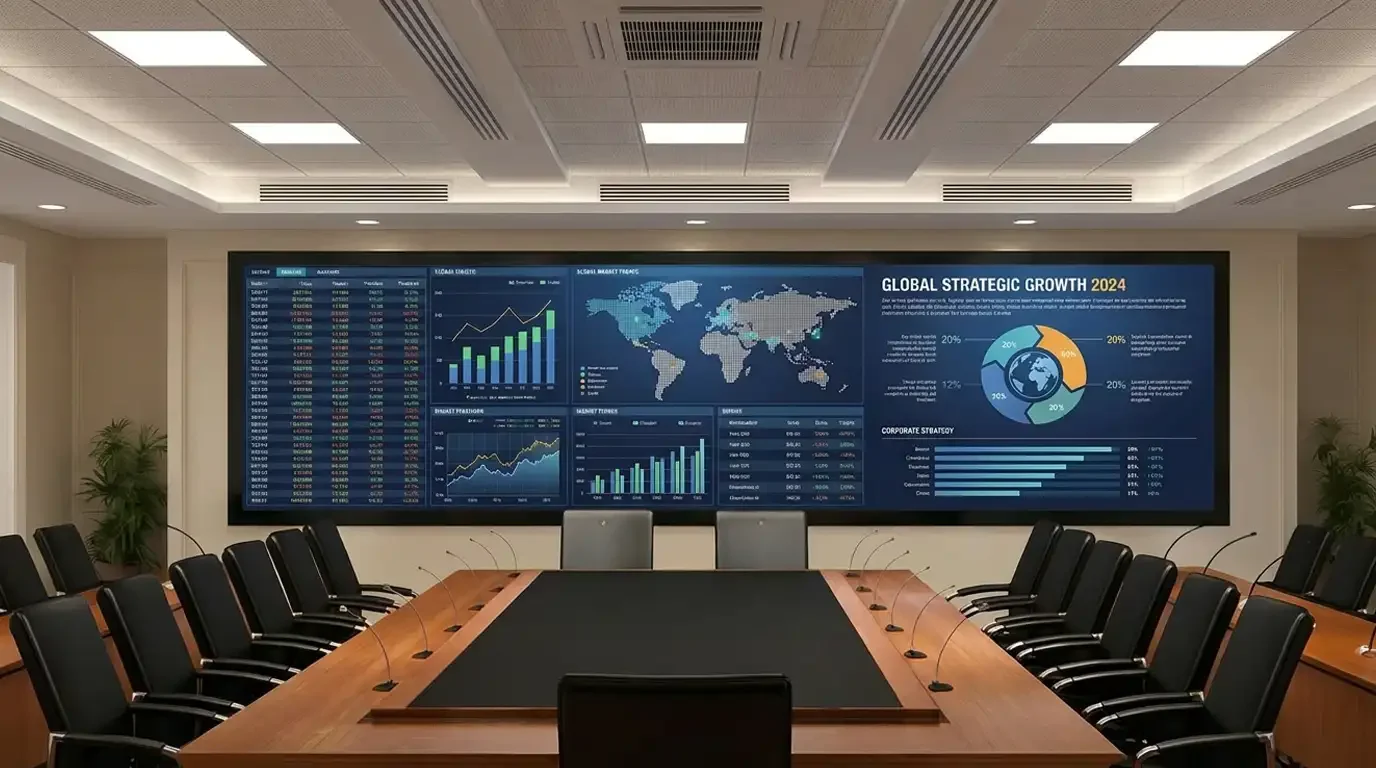
Indoor LED displays are widely used in shopping centers, retail stores, exhibition halls, conference venues, and corporate lobbies.
Key features of indoor LED signage screens:
Pixel pitch typically ranges from P0.9 to P3
Brightness between 600 and 1,200 nits
High refresh rates for smooth motion graphics
Fine pixel density for close viewing distances
Slim cabinet depth and lightweight construction
Indoor LED signage prioritizes image clarity, color accuracy, and visual comfort for viewers standing only a few meters away.
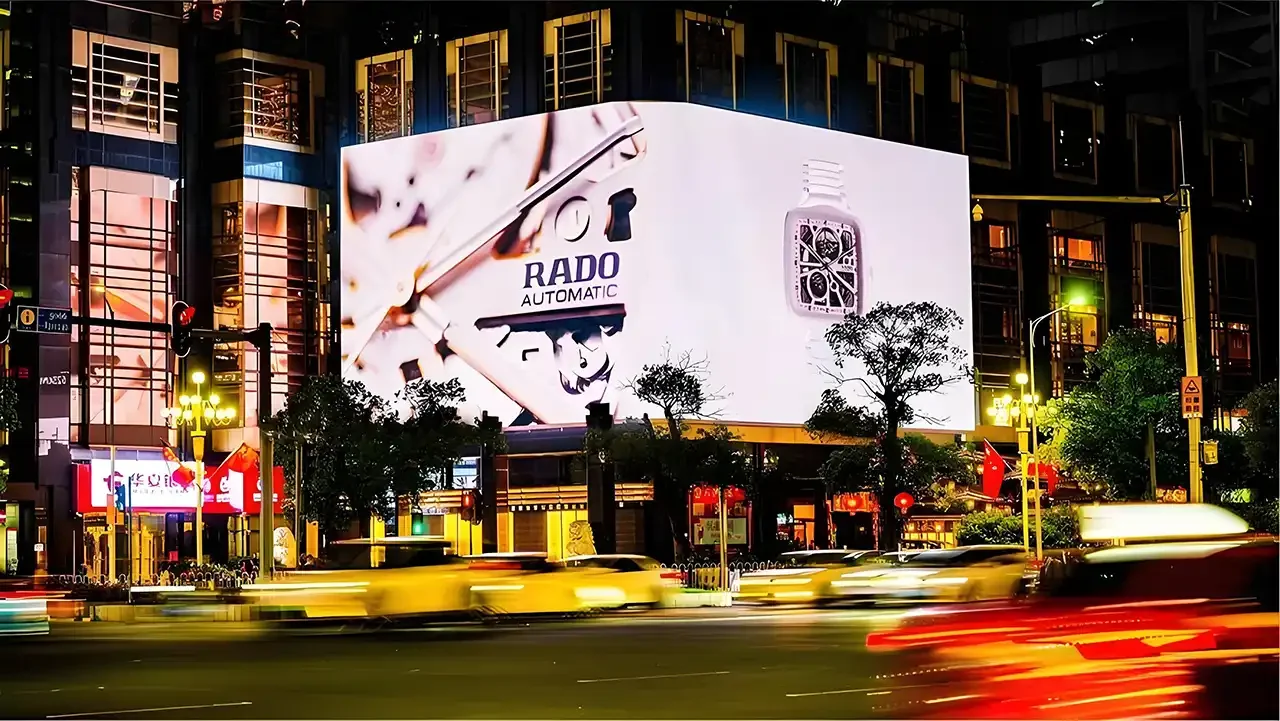
Outdoor LED Screens for Advertising and Signage
Outdoor commercial LED screens are built to withstand environmental exposure while delivering high visibility in direct sunlight.
Key characteristics of outdoor LED signage displays:
High brightness levels from 4,000 to 8,000 nits
Weatherproof protection rated IP65 or higher
UV-resistant materials to prevent color fading
Wide operating temperature range
Robust structural design for wind resistance
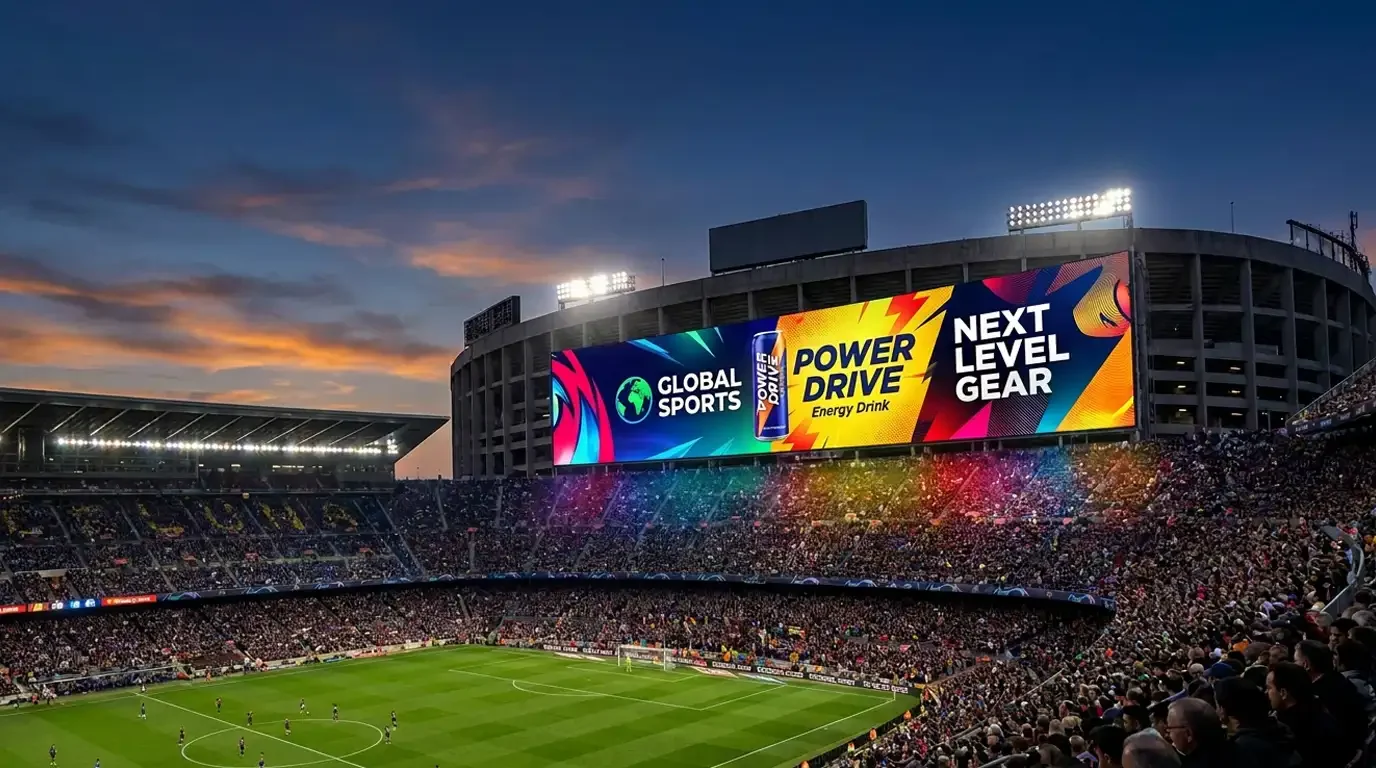
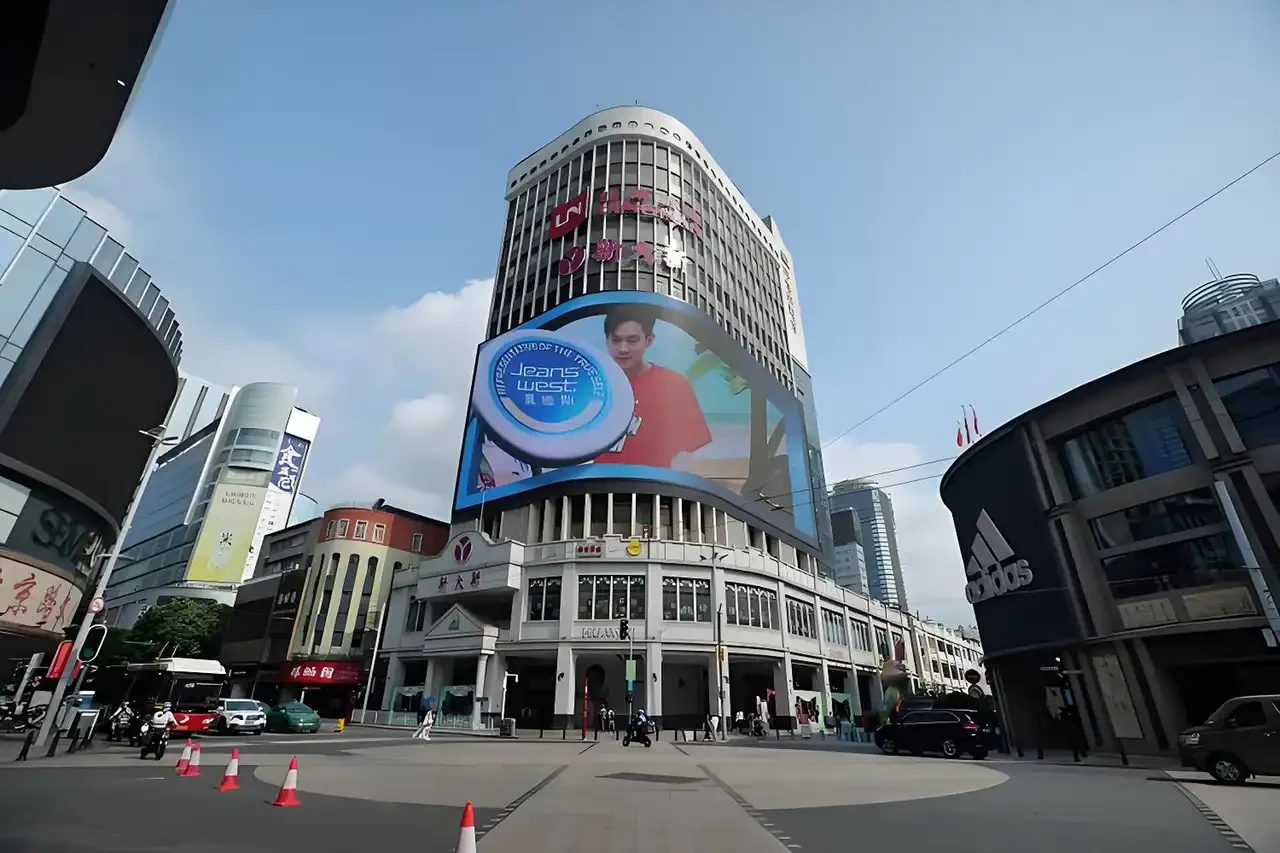
Outdoor LED signage is commonly installed on building façades, roadside billboards, transportation stations, and stadium exteriors.
Semi-Outdoor and Window-Facing LED Displays
Some commercial signage applications fall between indoor and outdoor use, such as storefront windows or covered walkways.
Advantages of semi-outdoor LED signage:
Moderate brightness with lower power consumption
Improved contrast for mixed lighting conditions
Better transparency options for glass installations
These screens are often used in retail windows to attract foot traffic while maintaining interior visibility.
Pixel Pitch and Viewing Distance Considerations
Pixel pitch plays a central role in determining image quality and readability. It refers to the distance between adjacent LED pixels, measured in millimeters.
How Pixel Pitch Affects Signage Performance
Smaller pixel pitch delivers higher resolution and sharper images
Larger pixel pitch reduces cost for long-distance viewing
Viewing distance should align with pixel density
General guidelines for signage:
P1.2 – P1.8: Luxury retail, control rooms, close-view indoor signage
P2 – P2.5: Shopping malls, brand walls, indoor advertising
P3 – P4: Large indoor spaces and semi-outdoor signage
P5 – P10: Outdoor advertising, building-mounted signage
Choosing the correct pixel pitch ensures clarity without overspending on unnecessary resolution.
Brightness and Contrast Ratio in Commercial LED Signage
Brightness determines how well signage content is visible in various lighting conditions, while contrast ratio affects image depth and readability.
Optimal Brightness Levels by Application
Indoor signage: 600–1,200 nits
Storefront windows: 2,000–3,500 nits
Outdoor signage: 4,000–8,000 nits
Excessive brightness indoors can cause visual fatigue, while insufficient brightness outdoors reduces message impact.
Importance of High Contrast
A high contrast ratio ensures text and images remain clear even under glare or ambient light. Black-level performance is especially important for premium retail signage and brand-focused installations.
LED Screen Resolution and Content Compatibility
Resolution affects how detailed content appears on the LED screen. Commercial signage often displays logos, videos, animations, and text-based messages.
Matching Resolution to Content Type
High-resolution LED screens suit detailed branding and video content
Medium resolution works well for promotional graphics and menus
Lower resolution is effective for large-format advertising viewed from a distance
Content management systems should support multiple resolutions and aspect ratios for flexibility across signage networks.
Cabinet Design and Structural Quality
The cabinet design of a commercial LED screen affects durability, maintenance, and installation efficiency.
Cabinet Materials and Construction
Die-cast aluminum cabinets offer precision and heat dissipation
Steel cabinets provide strength for large outdoor installations
Lightweight cabinets simplify wall mounting and suspension
Precision manufacturing ensures seamless alignment between panels, reducing visible gaps and image distortion.
Front Service vs Rear Service LED Signage Screens
Maintenance accessibility is a critical factor in commercial signage projects.
Front Service LED Screens
Maintenance from the front side of the display
Ideal for wall-mounted or space-limited installations
Faster servicing with minimal disruption
Rear Service LED Screens
Access from behind the screen
Suitable for freestanding or large outdoor structures
Often more cost-effective for large-scale projects
Front-service LED signage is increasingly preferred for retail and corporate environments.
Energy Efficiency and Power Management
Commercial LED screens often operate for extended hours, making energy efficiency an important consideration.
Power Consumption Factors
Pixel pitch and brightness level
LED chip efficiency
Power supply quality
Modern LED signage solutions use intelligent brightness adjustment and high-efficiency power systems to reduce electricity costs.
Lifespan and Reliability of Commercial LED Screens
A high-quality commercial LED screen typically offers a lifespan of 80,000 to 100,000 hours under normal operating conditions.
Factors That Influence LED Screen Longevity
LED chip quality
Heat dissipation design
Power stability
Environmental protection
Reliable signage displays maintain consistent brightness and color over years of use, reducing replacement frequency.
Control Systems and Content Management
A commercial LED signage system relies on robust control hardware and software.
Essential Control Features
Remote content updates
Scheduling and playlist management
Real-time monitoring
Multi-screen synchronization
User-friendly content management platforms allow businesses to update messaging quickly and maintain consistent branding.
Installation Methods for Commercial LED Signage
Installation method impacts both visual appearance and long-term maintenance.
Common Installation Types
Wall-mounted LED signage
Hanging or suspended displays
Freestanding LED totems
Curved and creative LED structures
Professional installation ensures structural safety, precise alignment, and optimal viewing angles.
Indoor LED Screens for Retail Signage
Retail environments demand visually appealing displays that enhance the shopping experience.
Benefits of LED Screens in Retail
Dynamic product promotion
Enhanced brand storytelling
Seasonal campaign flexibility
Increased customer engagement
High-resolution LED signage creates immersive visual environments that traditional static signs cannot achieve.
LED Screens for Corporate and Office Signage
Corporate spaces use LED displays for branding, communication, and information sharing.
Common Corporate Applications
Lobby video walls
Meeting room displays
Internal announcements
Visitor information boards
LED signage reinforces brand identity while delivering practical information efficiently.
LED Signage for Transportation and Public Spaces
Transportation hubs require signage that is readable, reliable, and easy to maintain.
Key Requirements for Public Signage
High brightness and wide viewing angles
Clear text visibility
Continuous operation capability
Redundant power and control systems
LED screens are widely used in airports, metro stations, and bus terminals for schedules and advertisements.
Outdoor Commercial LED Screens for Advertising
Outdoor LED signage remains one of the most powerful advertising mediums.
Advantages of Outdoor LED Advertising Displays
High visibility day and night
Large-format visual impact
Programmable and flexible content
Revenue generation through advertising slots
Durability and brightness consistency are essential for long-term outdoor performance.
Weather Resistance and Environmental Protection
Outdoor LED signage must endure rain, dust, wind, and temperature changes.
Environmental Protection Features
IP-rated waterproof sealing
Corrosion-resistant materials
Temperature-controlled power systems
These features ensure stable operation in diverse climates.
Cost Considerations for Commercial LED Signage
The cost of a commercial LED screen extends beyond initial purchase price.
Total Cost Components
LED panels and cabinets
Control systems and software
Installation and structural support
Maintenance and energy usage
Balancing upfront investment with long-term operating costs leads to better value.
Custom LED Screens and Creative Signage Solutions
Modern LED technology allows for custom shapes and creative installations.
Examples of Creative LED Signage
Curved LED walls
Cylindrical displays
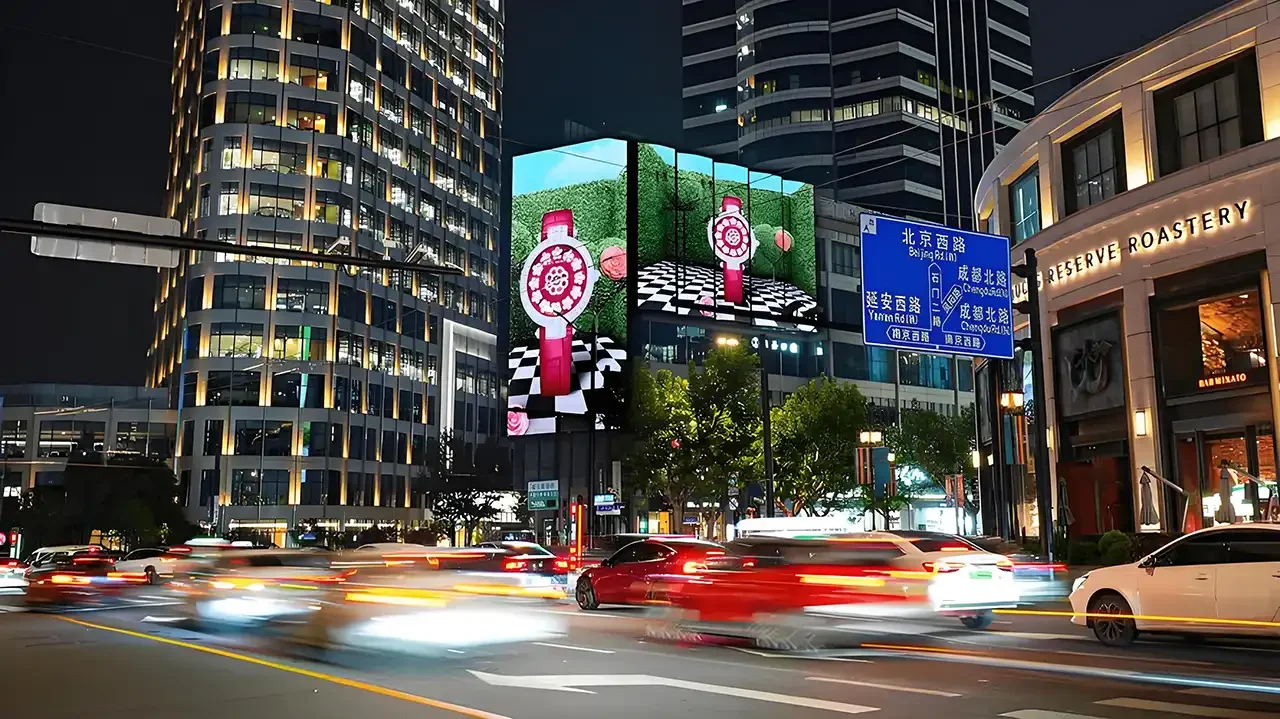
Architectural media façades
Custom LED signage enhances brand differentiation and visual appeal.
Transparency and See-Through LED Screens for Signage
Transparent LED displays are popular for storefronts and glass façades.
Benefits of Transparent LED Signage
High transparency ratio
Lightweight structure
Minimal impact on natural lighting
These displays combine advertising with architectural aesthetics.
Maintenance and Long-Term Serviceability
Regular maintenance preserves performance and extends lifespan.
Maintenance Best Practices
Periodic brightness calibration
Cleaning dust and debris
Monitoring power stability
Commercial LED signage is designed for modular replacement, minimizing downtime.
Choosing the Best Commercial LED Screen for Signage
The best commercial LED screen is defined by suitability rather than specifications alone.
Key Selection Criteria
Installation environment
Viewing distance and audience size
Content type and update frequency
Maintenance accessibility
Budget and long-term value
Matching these factors ensures a signage solution that performs reliably and delivers consistent visual impact.
Common Questions About Commercial LED Signage Screens
How long can a commercial LED screen operate each day?
Most commercial LED signage displays are designed for 16 to 24 hours of daily operation without performance degradation.
Are LED screens suitable for continuous advertising use?
Yes, commercial-grade LED screens are engineered for constant content playback and extended usage cycles.
Can LED signage be customized in size and shape?
Modular design allows LED screens to be customized for various dimensions and creative layouts.
Is LED signage energy-efficient?
Modern LED signage uses energy-efficient components and intelligent brightness control to reduce power consumption.
What is the typical maintenance requirement?
Routine inspection and occasional module replacement are usually sufficient for long-term operation.
The Role of Commercial LED Screens in Modern Signage
Commercial LED screens have reshaped the signage landscape by offering unmatched flexibility, brightness, and visual impact. They support dynamic messaging, real-time updates, and immersive brand experiences across indoor and outdoor environments.
As businesses continue to seek more engaging ways to communicate with audiences, LED signage remains a future-proof solution that adapts to evolving visual demands.
Final Thoughts on Selecting the Best Commercial LED Screen for Signage
The best commercial LED screen for signage is one that integrates seamlessly into its environment while delivering consistent performance, clear visuals, and long-term reliability. By understanding pixel pitch, brightness, cabinet design, maintenance needs, and application context, businesses can choose signage displays that maximize visibility and value.
A well-chosen commercial LED signage solution becomes more than a display. It becomes a powerful communication platform that supports branding, information delivery, and audience engagement for years to come.
Frequently Asked Questions
How long can a commercial LED screen operate each day?
Most commercial LED signage displays are designed for 16 to 24 hours of daily operation without performance degradation.
Are LED screens suitable for continuous advertising use?
Yes, commercial-grade LED screens are engineered for constant content playback and extended usage cycles.
Can LED signage be customized in size and shape?
Modular design allows LED screens to be customized for various dimensions and creative layouts.
Is LED signage energy-efficient?
Modern LED signage uses energy-efficient components and intelligent brightness control to reduce power consumption.
What is the typical maintenance requirement?
Routine inspection and occasional module replacement are usually sufficient for long-term operation.
-
 Outdoor 3D LED Display | Glasses-Free 3D Advertising Screen
Outdoor 3D LED display delivers glasses-free naked-eye 3D visuals, up to 10,000 nits brightness, IP66 protection and fro...
-
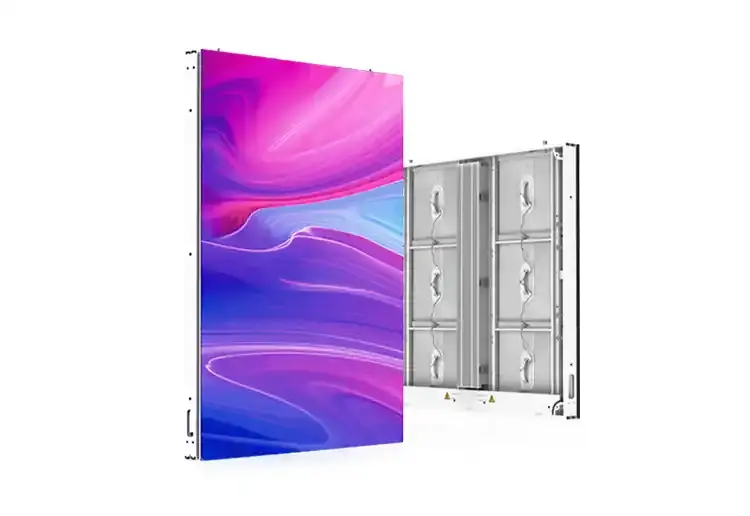 P10 Outdoor LED Screen for All-Weather Advertising and High-Brightness Display
P10 outdoor LED screen with 10000 nits high brightness and IP66 waterproof design. Durable outdoor LED display for adver...
-
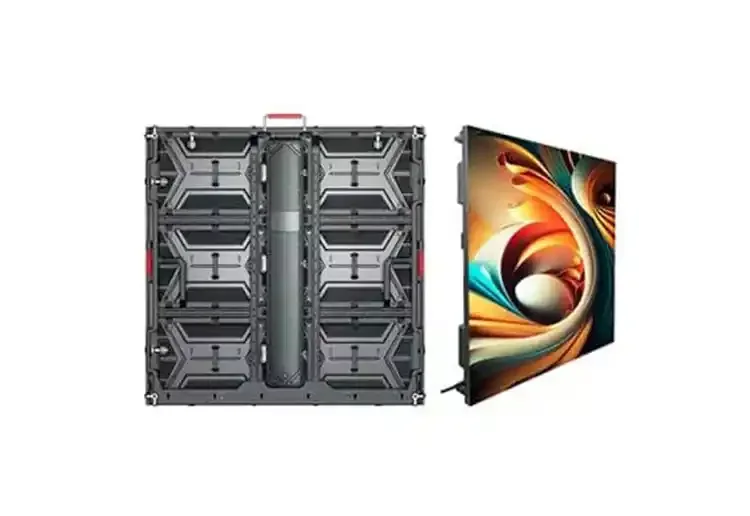 Outdoor LED Billboard | High Brightness Digital Advertising Display
LED billboard delivers bright outdoor advertising with vivid visuals, high refresh rate, weatherproof design, and stable...