



































Video LED Dance Floor for Sal
A Video LED Dance Floor for Sale refers to a high-resolution LED display system installed on the ground, capable of showing dynamic video, graphics, and interactive effects in real time. Unlike traditional lighting floors, a video LED dance floor functions as a full digital screen, combining visual impact, durability, and intelligent control to create immersive environments for events, entertainment venues, and commercial spaces. With high brightness, precise color reproduction, and modular construction, this type of LED floor display has become a core visual solution for stages, clubs, exhibitions, and large-scale productions.
What Is a Video LED Dance Floor Display
A video LED dance floor is a floor-mounted LED screen composed of multiple load-bearing LED panels. Each panel contains high-density LED pixels, a reinforced structural frame, and a protective surface layer designed to withstand foot traffic, equipment weight, and long-term operation. When connected to a control system, the panels work together as one continuous digital surface capable of playing video, animations, live camera feeds, and synchronized lighting effects.
From a functional perspective, a Video LED Dance Floor Display differs from decorative lighting tiles in three key ways:
It operates as a true video screen, not only a lighting pattern system.
It supports high refresh rates and grayscale levels, ensuring smooth motion and accurate color.
It is engineered for structural strength, allowing safe use in high-traffic and performance environments.
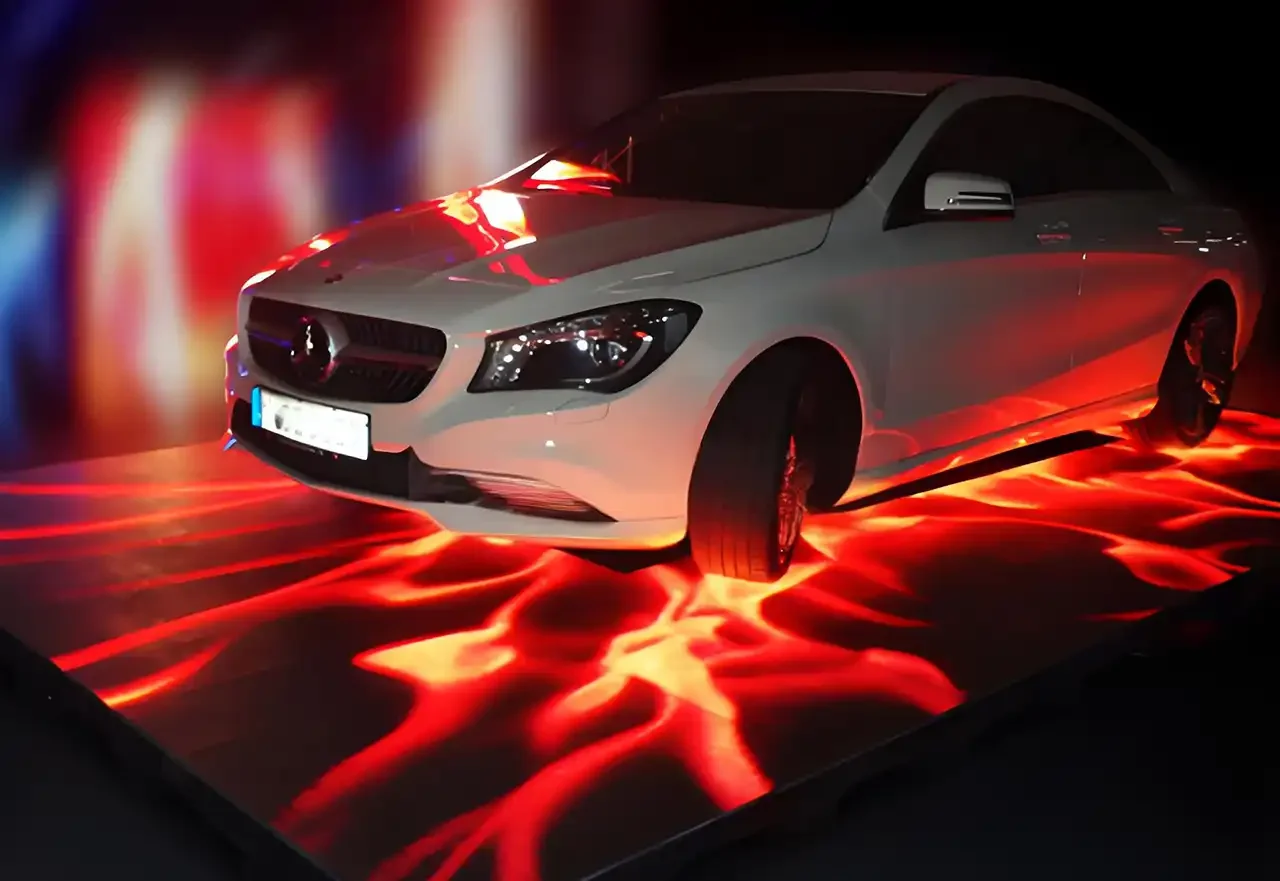
Core Technology Behind Video LED Dance Floor Systems
The performance of a Video LED Dance Floor for Sale depends on several integrated technologies that work together to deliver visual quality and mechanical reliability.
High-Brightness LED Modules
Each floor panel contains surface-mounted LED chips arranged in a precise pixel matrix. These LEDs are selected for:
High luminous efficiency for clear visibility under stage lighting
Stable color consistency across large areas
Long operational lifespan under continuous use
Advanced driving circuits regulate current and voltage to maintain uniform brightness and prevent color shift over time.
Load-Bearing Structural Design
Unlike wall-mounted displays, LED floor screens must support dynamic loads. The internal frame is typically constructed from high-strength aluminum alloy or steel, distributing weight evenly across support points. This design allows the floor to withstand:
Dancers and performers
Heavy stage equipment
Temporary vehicle loads in exhibition halls
Anti-slip surface treatments and reinforced corners further enhance safety and durability.
Protective Surface Layer
The top layer of a video LED dance floor is usually made of tempered glass, acrylic composite, or high-transparency PC material. This layer serves several functions:
Protects LED modules from impact and moisture
Maintains high light transmission for clear visuals
Provides slip resistance for safe movement
The surface is sealed to achieve high ingress protection, allowing operation in environments with dust, humidity, or occasional liquid exposure.
Intelligent Control and Synchronization
Modern LED floor displays are controlled by advanced video processors and media servers. These systems enable:
Real-time video playback and mapping
Synchronization with stage lighting, sound, and wall screens
Interactive effects triggered by motion sensors or pressure sensors
Through precise timing control, the video LED dance floor becomes part of an integrated visual ecosystem rather than a standalone display.
Visual Performance and Image Quality
A professional Video LED Dance Floor for Sale is designed to meet broadcast-level and stage-level visual standards.
Pixel Pitch and Resolution
Pixel pitch determines the viewing distance and image clarity. Common options range from fine-pitch indoor models to larger-pitch outdoor or large-venue configurations. A smaller pitch provides:
Higher resolution
Sharper text and graphics
Better close-range viewing experience
Refresh Rate and Grayscale
High refresh rates eliminate flicker on camera and ensure smooth motion for fast-moving visuals. High grayscale levels allow subtle color transitions, creating more natural gradients and realistic imagery.
Color Calibration and Uniformity
Factory calibration aligns brightness and color temperature across all panels, ensuring that the entire dance floor appears as one continuous, seamless screen without visible seams or color blocks.
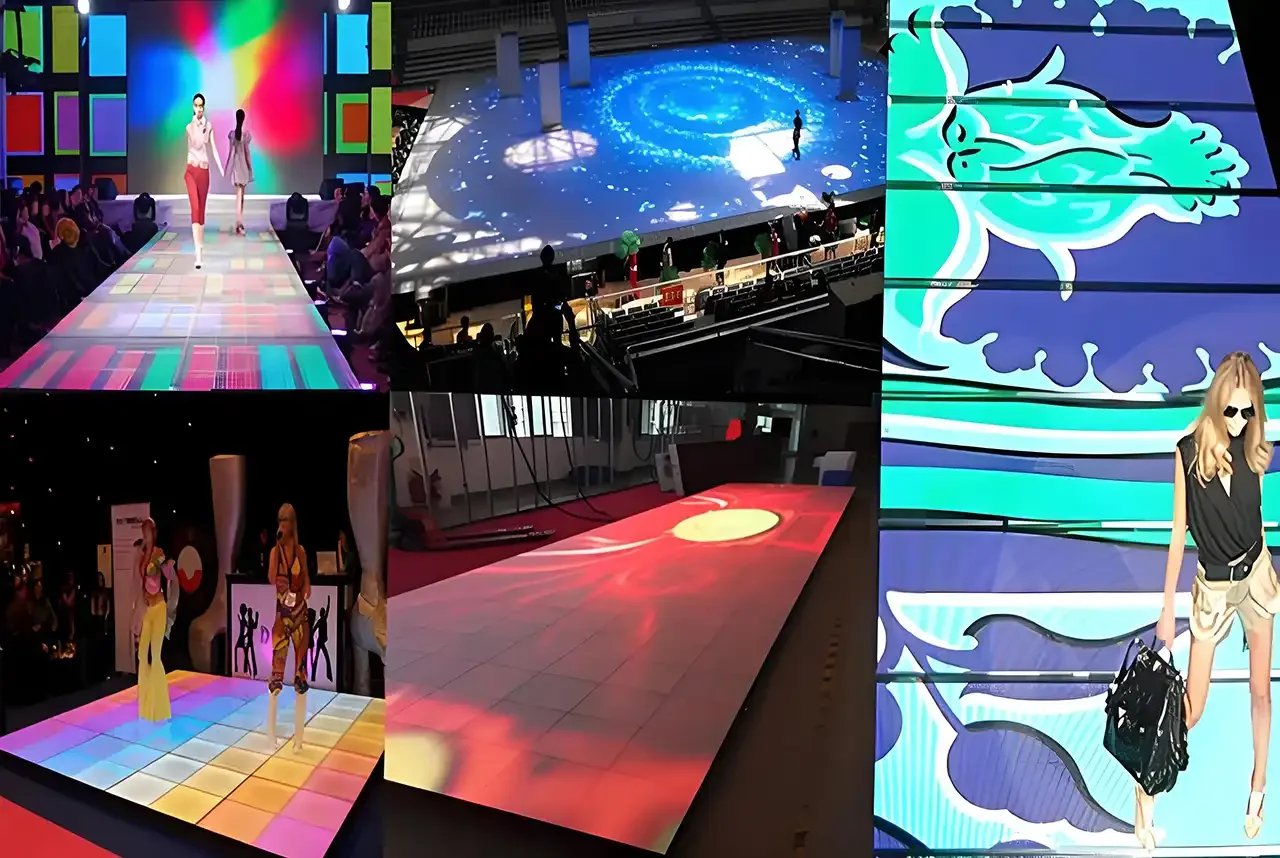
Application Scenarios for Video LED Dance Floors
The versatility of a Video LED Dance Floor Display makes it suitable for a wide range of professional environments.
Stage Performances and Concerts
On concert stages, LED floor screens extend visual content from the background to the ground, creating a fully immersive visual field. Artists, dancers, and stage props interact directly with animated graphics, enhancing storytelling and audience engagement.
Nightclubs and Entertainment Venues
In clubs, interactive LED dance floors respond to music, movement, and lighting cues. Dynamic patterns, rhythm-based animations, and branded visuals transform the floor into a central attraction, reinforcing the venue’s identity and atmosphere.
Exhibitions and Trade Shows
Exhibition organizers use LED floor displays to guide visitors, highlight products, or create virtual environments. Wayfinding graphics, product animations, and immersive scenes can be displayed directly underfoot, increasing dwell time and brand recall.
Weddings and Special Events
For high-end weddings and ceremonies, video LED dance floors provide customizable themes, names, dates, and animated effects, creating a personalized and memorable visual experience.
Commercial and Public Spaces
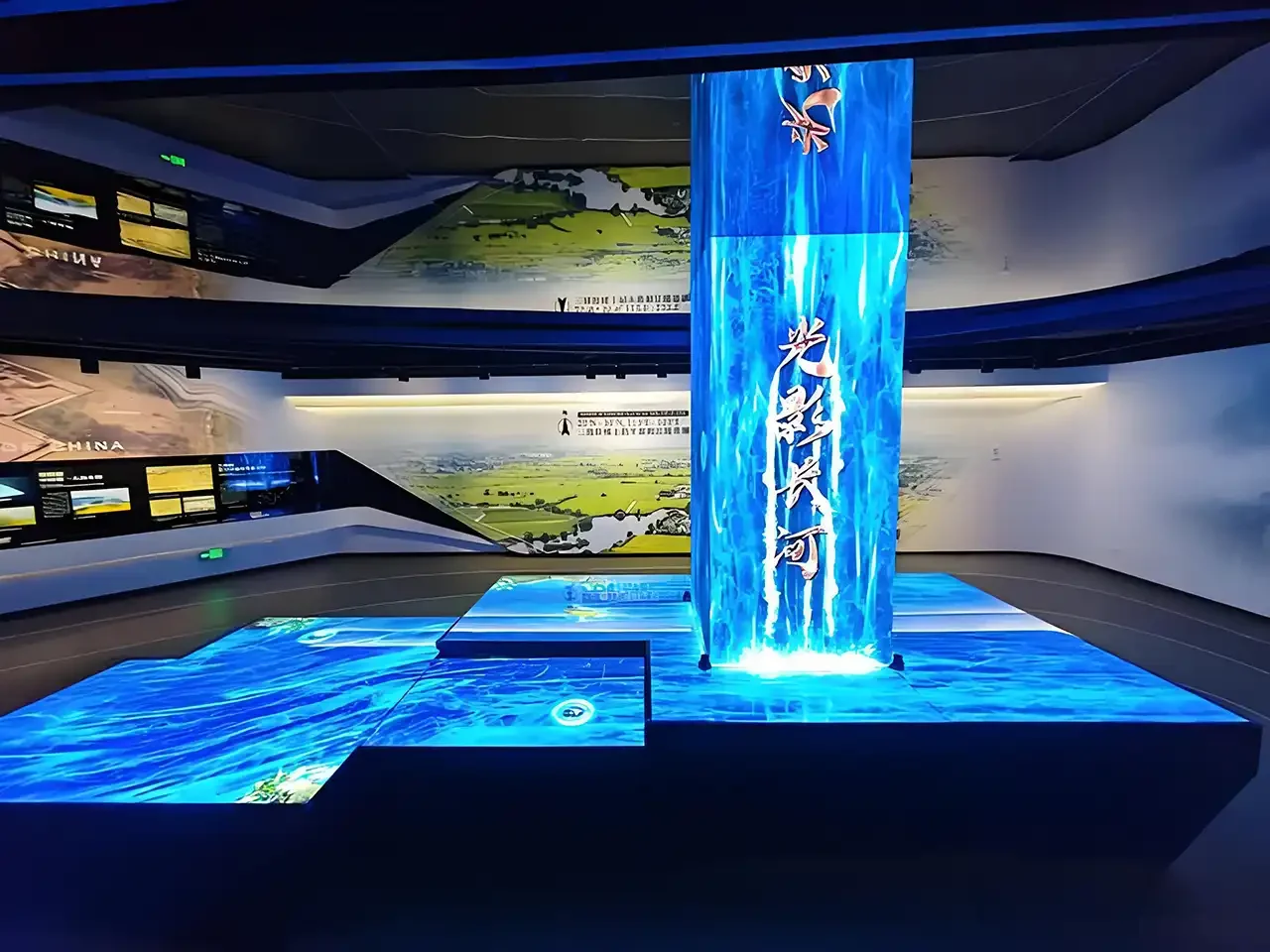
Shopping centers, museums, and public squares integrate LED floor screens for advertising, information display, and interactive installations. The floor becomes both a communication medium and an architectural feature.
Indoor and Outdoor LED Dance Floor Solutions
A Video LED Dance Floor for Sale can be configured for indoor or outdoor use, each with specific design priorities.
Indoor LED Dance Floors
Indoor models focus on:
Fine pixel pitch for close viewing
High color accuracy for stage lighting environments
Smooth surface finishes for aesthetics and comfort
They are commonly used in theaters, studios, clubs, and ballrooms.
Outdoor LED Dance Floors
Outdoor versions emphasize:
High brightness for visibility in sunlight
Enhanced waterproof and dustproof sealing
Reinforced frames for environmental resistance
These systems are suitable for open-air concerts, festivals, and large public events.
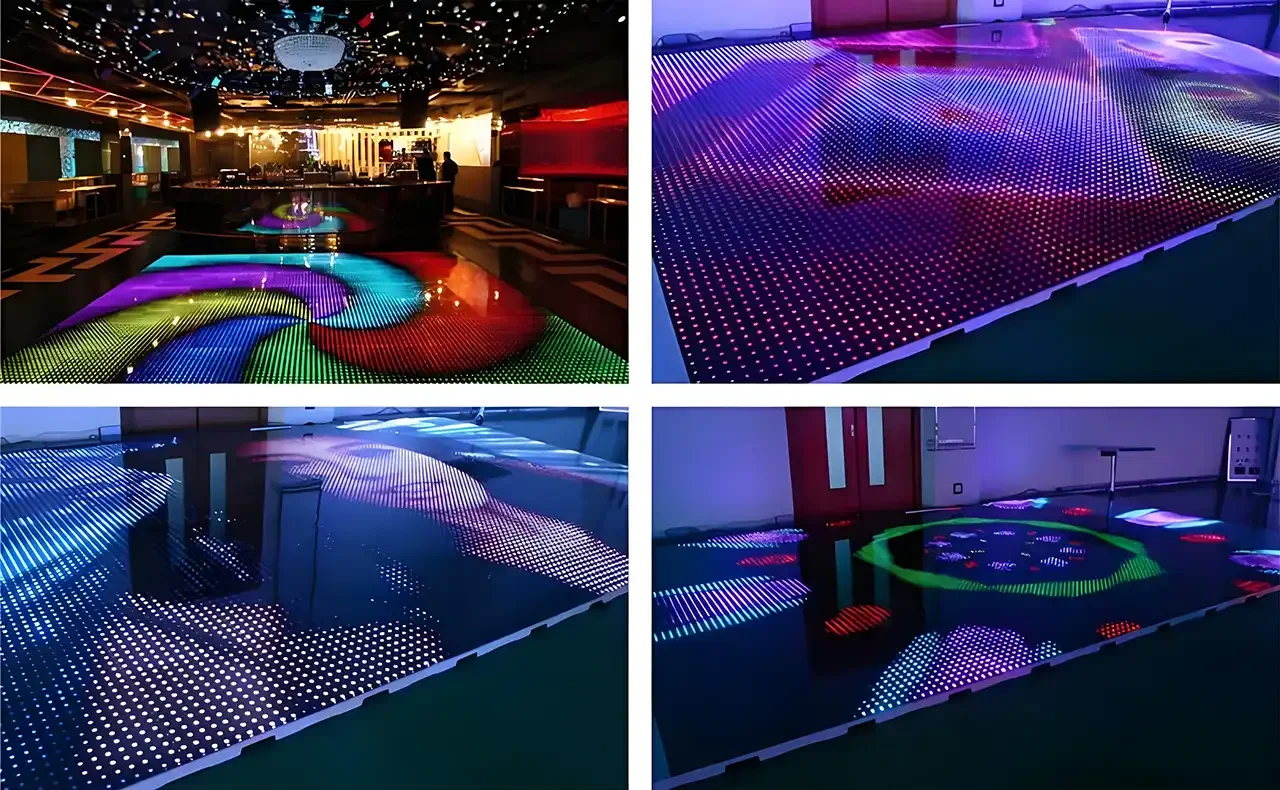
Integration with Stage and Visual Systems
A video LED dance floor is rarely used alone. It often forms part of a complete visual system that includes:
Lighting trusses and moving heads
Audio and control networks
Through unified control software, content can flow seamlessly from walls to floor, creating synchronized motion graphics and immersive 3D-like effects.
Commercial Value of a Video LED Dance Floor
Investing in a Video LED Dance Floor for Sale offers long-term value for venue owners, event companies, and rental providers.
Enhanced Audience Engagement
Dynamic visuals underfoot naturally draw attention and encourage interaction, increasing emotional impact and memorability.
Brand Differentiation
Custom content, logos, and animations displayed on the floor help venues and event organizers establish a unique visual identity.
Revenue Generation
For rental companies and production houses, LED dance floors represent high-utilization assets. They can be deployed across concerts, corporate events, exhibitions, and ceremonies, maximizing return on investment.
Price Factors of a Video LED Dance Floor for Sale
The cost of a Video LED Dance Floor for Sale is determined by multiple technical and structural elements rather than by size alone. Understanding these factors helps buyers evaluate value and long-term performance instead of focusing only on initial price.
Pixel Pitch and Resolution Level
Pixel pitch directly influences image clarity and manufacturing cost. A finer pitch requires a higher density of LED chips and more complex driving circuits, resulting in:
Higher visual definition at close viewing distances
Increased production precision
Greater overall system investment
Large venues with long viewing distances may choose a wider pitch for cost efficiency, while premium indoor stages often select fine-pitch configurations for maximum detail.
Load Capacity and Structural Materials
A professional LED dance floor must support dynamic loads safely. Reinforced aluminum frames, steel substructures, and tempered surface layers increase material and engineering cost but provide:
Long-term mechanical stability
Reduced risk of panel deformation
Safer operation for performers and equipment
Brightness and Protection Level
High-brightness LEDs and advanced waterproof sealing raise production complexity. Outdoor models with high ingress protection and UV-resistant surfaces are typically more expensive due to additional layers of protection and stricter quality control.
Control System and Interactive Features
Advanced video processors, synchronization modules, and optional interactive sensors contribute to the total system cost. These components enable:
Real-time video mapping
Motion-triggered visual effects
Integration with lighting and audio systems
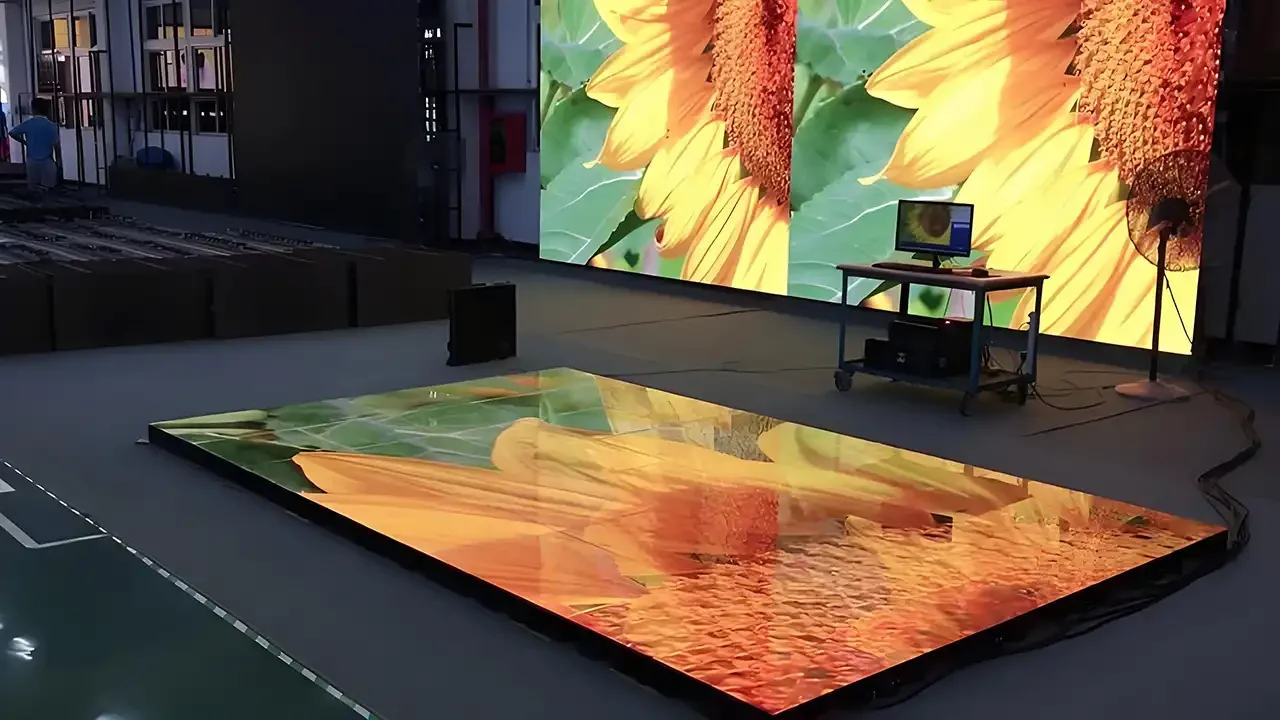
How to Choose the Right Video LED Dance Floor
Selecting the most suitable Video LED Dance Floor for Sale depends on application environment, viewing distance, and operational requirements.
Determine the Application Scenario
Different scenarios require different technical priorities:
Concert stages: high brightness, high refresh rate, strong load capacity
Nightclubs: fine pixel pitch, interactive capability, aesthetic surface finish
Exhibitions: modular flexibility, fast installation, high resolution
Weddings and events: visual elegance, smooth surface, silent operation
Match Pixel Pitch to Viewing Distance
A balanced relationship between pixel pitch and viewing distance ensures image clarity without unnecessary cost. Shorter distances benefit from finer pitch, while larger venues can adopt moderate pitch values.
Evaluate Installation Conditions
Consider whether the floor will be:
Temporarily installed for touring or rental use
Permanently integrated into a venue structure
Combined with stage lifts, ramps, or special effects
Structural planning at this stage prevents future limitations and ensures safe load distribution.
Installation Methods and Structural Layout
A Video LED Dance Floor Display can be installed in several ways depending on venue design.
Ground Support Installation
Panels are placed on a leveled substructure with adjustable feet or steel frames. This method allows quick assembly and disassembly, making it ideal for touring productions and temporary events.
Recessed Installation
The LED floor is embedded into the venue floor, creating a flush surface with surrounding architecture. This solution is common in permanent installations such as theaters and clubs, providing a seamless visual transition.
Stage Integration
When combined with stage platforms, the LED floor becomes part of the scenic design. Modular frames and locking mechanisms ensure alignment and stability even under vibration and movement.
Maintenance and Long-Term Reliability
A well-designed Video LED Dance Floor for Sale is built for long service life with minimal downtime.
Modular Maintenance
Each panel and LED module can be accessed from the top or bottom, allowing quick replacement without dismantling the entire system. This modular design reduces maintenance time and operational interruption.
Surface Protection and Cleaning
The protective top layer resists scratches and impact. Regular cleaning with non-abrasive materials maintains transparency and slip resistance, preserving both visual quality and safety.
Thermal Management
Efficient heat dissipation extends LED lifespan and stabilizes color performance. Ventilation channels and heat-conductive frames prevent overheating during long operating hours.
Rental vs. Purchase Considerations
Event companies and venues often evaluate whether to rent or purchase a Video LED Dance Floor Display.
Advantages of Purchasing
Long-term cost efficiency for frequent use
Full control over configuration and content
Customization options for branding and design
Advantages of Rental
Lower initial investment
Access to the latest models for specific projects
Flexibility for short-term or seasonal use
The decision depends on utilization frequency, storage capacity, and long-term business strategy.
Technical Parameters Commonly Considered
Professional buyers typically compare systems based on:
Pixel pitch and resolution
Brightness level
Refresh rate
Load capacity per square meter
Ingress protection rating
Power consumption
Control system compatibility
These parameters collectively define visual performance, safety, and operational efficiency.
Frequently Asked Questions
How durable is a video LED dance floor under continuous use?
A high-quality system is designed for intensive operation, supporting thousands of load cycles while maintaining stable brightness and color consistency.
Can the floor display live camera feeds?
Yes. With appropriate video processing, live feeds, animations, and synchronized content can be shown in real time.
Is interactive functionality optional?
Interactive effects using pressure or motion sensors are available as optional configurations, allowing the floor to respond to movement and music.
How long is the typical service life?
With proper maintenance, LED modules and structural components can operate reliably for many years, making the system a long-term visual asset.
Can the system be expanded in the future?
Modular construction allows additional panels to be added, enabling expansion or reconfiguration as venue requirements change.
Strategic Value for Commercial and Event Applications
A Video LED Dance Floor for Sale is more than a display product; it is a visual communication platform. By combining digital content, structural engineering, and intelligent control, it transforms ordinary spaces into immersive environments that attract attention, enhance brand presence, and elevate audience experience.
For performance venues, it becomes an extension of stage storytelling. For entertainment spaces, it acts as a signature design element. For exhibitions and public installations, it serves as an interactive medium that merges information with spectacle.
Through reliable construction, precise image control, and flexible integration, a professional video LED dance floor delivers long-term operational value while meeting the evolving visual demands of modern events and commercial spaces.