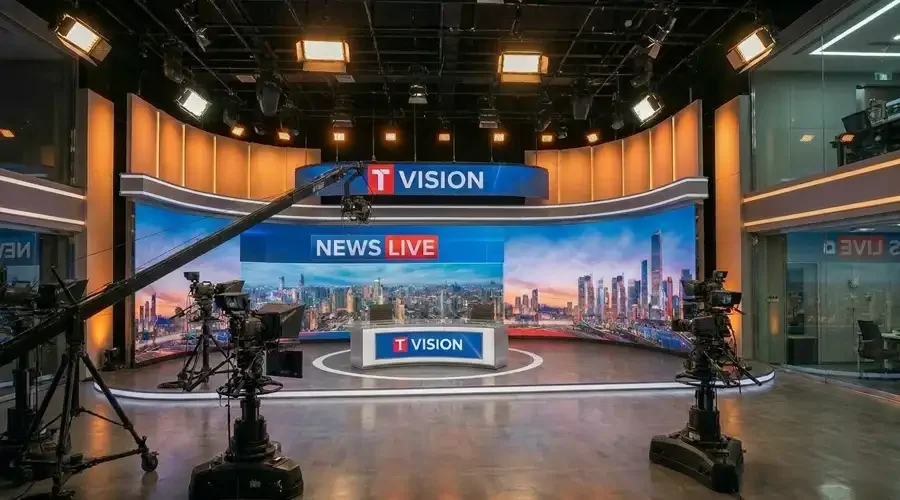



































Flexible LED Screen for Windows
What Is a Flexible LED Screen for Windows?
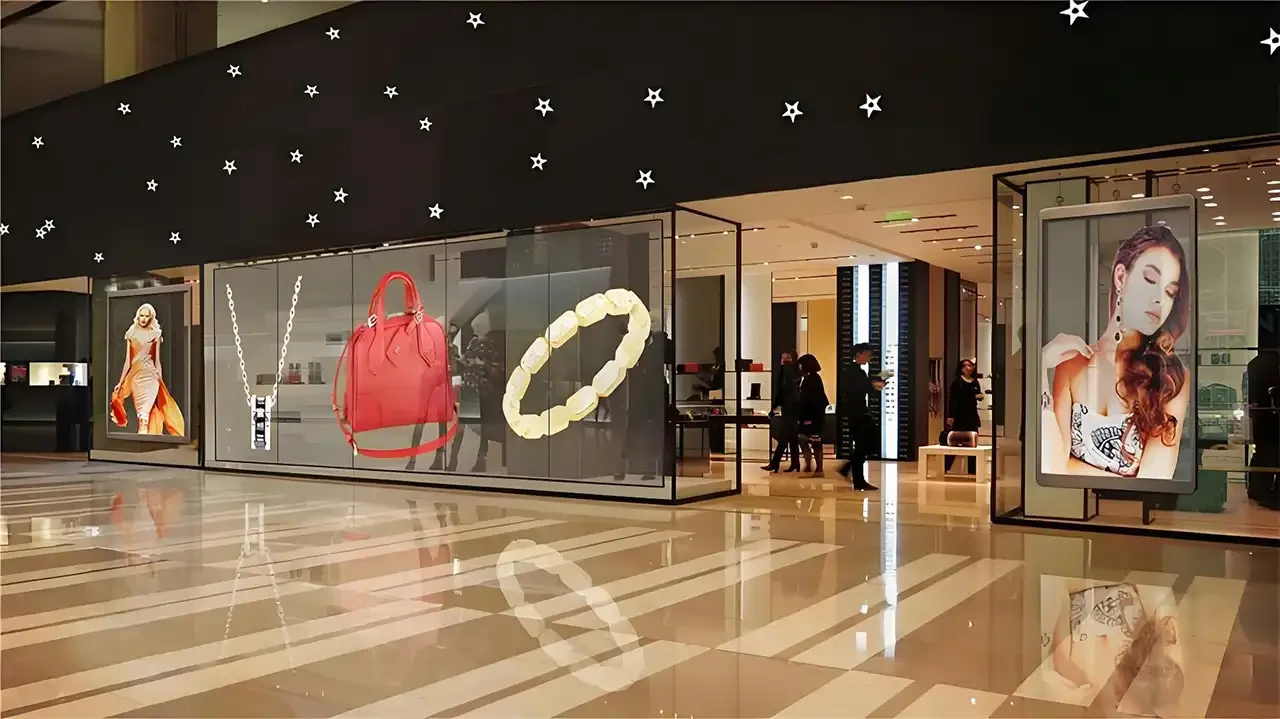
A flexible LED screen for windows is a transparent, lightweight display system designed to be installed on glass surfaces. Unlike traditional rigid LED panels, flexible screens can conform to curved or irregular surfaces, making them ideal for retail storefronts, office windows, museums, and commercial buildings.
These screens combine high-resolution visuals, transparency, and energy-efficient LED technology, allowing natural light to pass through while presenting dynamic digital content. By integrating advanced display technology, businesses can attract attention, showcase promotions, and enhance the aesthetic appeal of any space.
Benefits of Flexible LED Screens for Windows
1. Enhanced Visibility and Attraction
Flexible LED screens display bright, high-contrast visuals, ensuring content is visible both during the day and at night. For retail stores, these displays capture passersby’s attention, promoting products or services in an innovative way.
2. Transparency and Natural Light
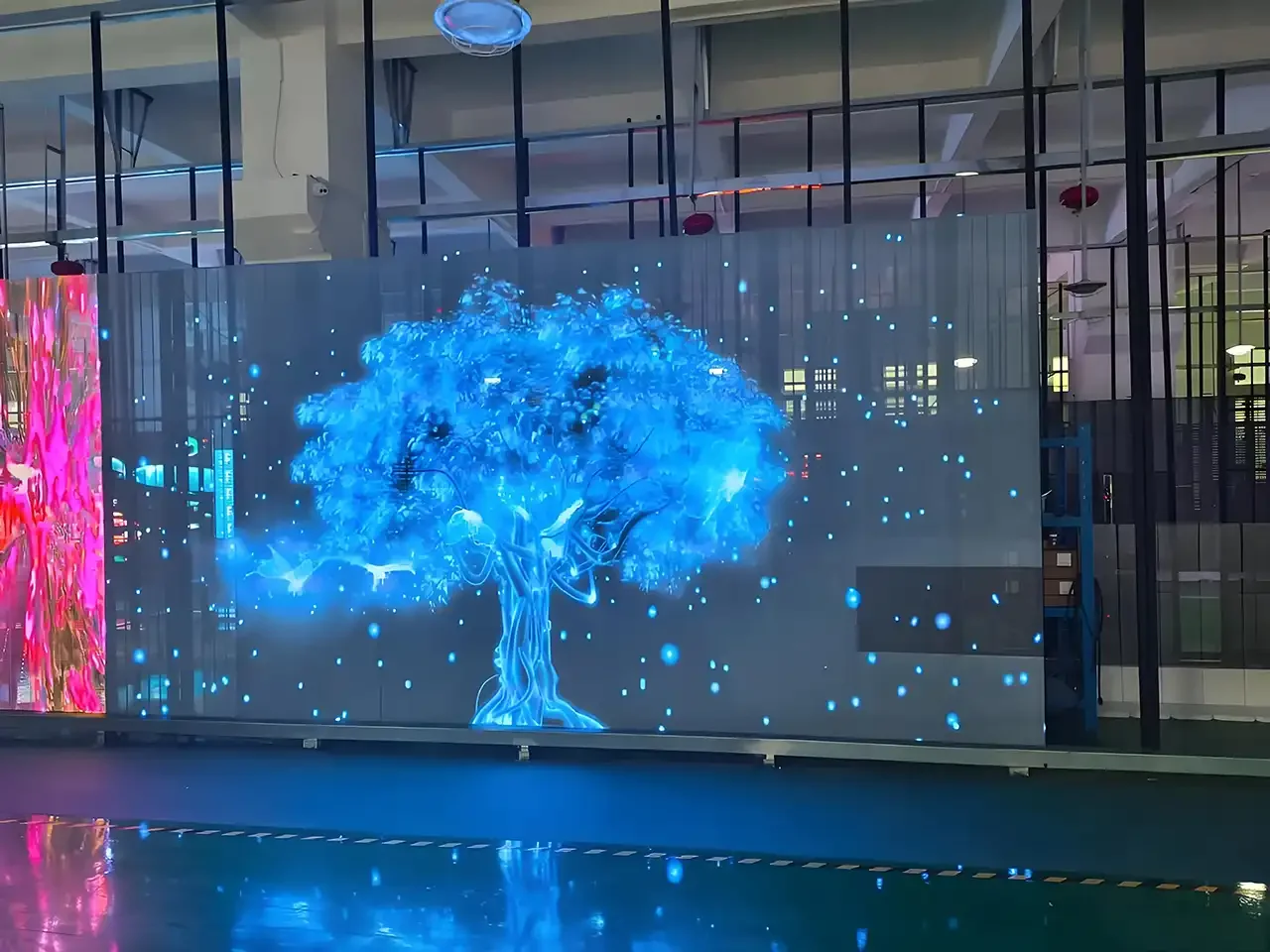
Unlike traditional LED billboards, these screens maintain partial transparency, letting sunlight through and preserving the architectural integrity of windows. This is perfect for spaces that require visibility from both inside and outside.
3. Customizable and Interactive Content
Modern flexible LED screens support dynamic content, including videos, animations, and real-time updates. Businesses can schedule promotional campaigns, highlight new arrivals, or even integrate interactive features that respond to gestures or motion.
4. Energy Efficiency
LED technology consumes significantly less energy compared to traditional lighting or signage. Flexible LED screens offer sustainable advertising solutions, reducing electricity costs while providing high visual impact.
5. Easy Installation and Maintenance
These screens are lightweight and modular, allowing for quick installation on standard or curved glass surfaces. Panels can be replaced individually, minimizing downtime and maintenance costs.
Types of Flexible LED Screens for Windows
1. Transparent LED Film Screens
Ultra-thin and highly flexible, these LED films can adhere directly to glass surfaces. They maintain up to 70% transparency, making them ideal for retail displays and storefronts.
2. Mesh LED Screens
Mesh LED displays are lightweight and perforated, allowing air and light to pass through while delivering high-resolution graphics. They are often used for large office windows or shopping mall facades.
3. Curved or Shaped LED Screens
These flexible panels can bend or curve around architectural features, enabling creative visual installations. Curved LED windows enhance brand identity and interior design aesthetics.
4. Interactive Touch LED Screens
Some flexible LED screens integrate touch-sensitive technology, allowing users to interact directly with content, browse products, or access information. These are popular in showrooms, museums, and exhibitions.
Applications of Flexible LED Screens for Windows
Retail Stores
Retailers use flexible LED screens to showcase promotions, new products, or seasonal campaigns, attracting more foot traffic. Transparent designs ensure customers can still see the store interior, blending digital and physical shopping experiences.
Corporate Buildings
Companies can use window-mounted LED displays for branding, announcements, or environmental messaging, creating modern, visually striking office facades.
Museums and Exhibitions
Flexible LED screens enhance interactive exhibits, providing dynamic visual storytelling while preserving visibility and architectural aesthetics.
Hospitality and Restaurants
Restaurants and hotels integrate LED window screens to display menus, promotions, or ambient visuals, improving customer engagement and creating a unique atmosphere.
Public Spaces and Transportation Hubs
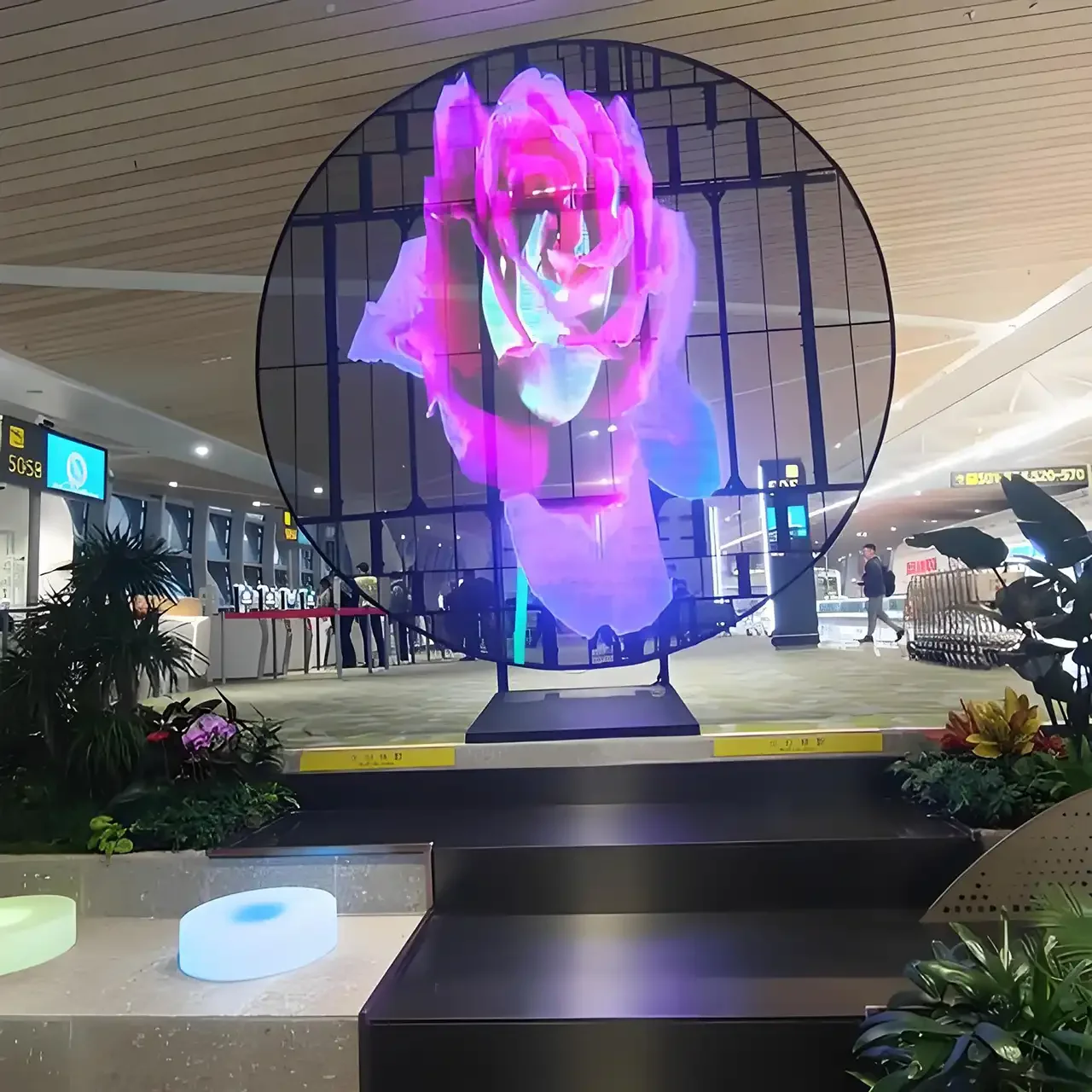
Airports, train stations, and shopping centers utilize these screens for wayfinding, advertisements, or real-time information, offering high-visibility messaging without obstructing natural light.
Key Features to Consider
Resolution and Pixel Pitch
High-resolution panels ensure crisp and clear visuals even at close viewing distances. A small pixel pitch is critical for detailed content in retail and interactive applications.
Transparency Rate
Depending on the need for visibility through the glass, transparency rates typically range from 50% to 90%, balancing visual impact with natural light.
Brightness and Viewing Angle
Brightness levels must be sufficient to overcome ambient sunlight, while wide viewing angles ensure the content is visible from multiple positions.
Control System Compatibility
Modern LED screens support remote content management, scheduling, and synchronization with other displays or software.
Durability and Weather Resistance
For exterior windows, screens must withstand temperature changes, UV exposure, and moisture, ensuring longevity and consistent performance.
Installation Guide
Measure the Window – Accurate dimensions are critical for seamless panel installation.
Prepare the Glass Surface – Clean and dry the window thoroughly.
Mount the LED Panels – Use the recommended adhesive or mounting frame for transparent or mesh screens.
Connect Power and Control Systems – Ensure all connections are secure and compliant with safety standards.
Test the Display – Verify color, brightness, and transparency balance.
Schedule Content – Use software to manage dynamic or interactive content effectively.
Maintenance Tips
Clean with non-abrasive cloths to prevent damage to LEDs.
Inspect for damaged modules or loose connections.
Ensure software updates for control systems.
Replace individual panels when needed without removing the entire screen.
Advantages Over Traditional Displays
| Feature | Flexible LED Screen | Traditional LED |
|---|---|---|
| Transparency | 50–90% | 0–20% |
| Flexibility | Can curve and bend | Rigid panels only |
| Natural Light | Maintained | Blocked |
| Interactive Options | Available | Limited |
| Energy Efficiency | High | Moderate |
Common Challenges and Solutions
Ambient Light Interference – Increase brightness or adjust content colors.
Glass Reflection – Use anti-reflective coatings or matte finishes.
Panel Alignment – Modular designs simplify installation and replacement.
Maintenance Accessibility – Ensure panels can be easily removed without disrupting adjacent modules.
Future Trends
Higher Transparency Rates – Up to 90% without sacrificing brightness.
Flexible OLED Integration – Ultra-thin, higher contrast visuals.
AI-Driven Content – Automatic content adaptation based on time, audience, or weather.
Energy Harvesting – Panels integrated with solar cells for sustainable operation.
Interactive Multi-Touch Surfaces – Enhancing customer engagement in retail and public spaces.
Frequently Asked Questions (FAQ)
Q1: What is a flexible LED screen for windows?
A lightweight, transparent LED display designed for glass surfaces, offering dynamic visuals while allowing natural light to pass through.
Q2: Where can it be installed?
Ideal for retail stores, corporate offices, museums, hotels, and public spaces, indoors or outdoors.
Q3: Can it be curved or shaped?
Yes, flexible LED screens can bend or curve to match architectural features or creative designs.
Q4: How is content managed?
Through software control systems, allowing real-time updates, scheduling, and synchronization with other displays.
Q5: Is maintenance difficult?
No, modular designs allow easy replacement of individual panels, and regular cleaning ensures optimal performance.
Q6: How transparent are these screens?
Transparency typically ranges from 50% to 90%, depending on panel type and installation.
Conclusion
Flexible LED screens for windows are redefining how businesses and public spaces communicate visually. By combining high-resolution displays, transparency, flexibility, and interactive features, they create engaging, dynamic environments that attract attention, enhance branding, and enrich visitor experiences.
Whether for retail, corporate, hospitality, or public installations, these screens offer a modern, energy-efficient, and versatile solution, turning ordinary glass surfaces into powerful digital canvases.