






 En
En  ZH
ZH
 am
am  ar
ar  hy
hy  az
az  be
be  bn
bn  bs
bs  bg
bg  my
my  cs
cs  da
da  de
de  dv
dv  el
el  et
et  fil
fil  fi
fi  fr
fr  ga
ga  gl
gl  gn
gn  he
he  hi
hi  km
km  hr
hr  hu
hu  is
is  id
id  it
it  ja
ja  kn
kn  rw
rw  ko
ko  lo
lo  lv
lv  lt
lt  lb
lb  lg
lg  mi
mi  ms
ms  mt
mt  ne
ne  nl
nl  no
no  ny
ny  or
or  om
om  pl
pl  pt
pt  ro
ro  ru
ru  sa
sa  sk
sk  so
so  es
es  sr
sr  sw
sw  sv
sv  ta
ta  th
th  tr
tr  uk
uk  ur
ur  vi
vi  cy
cy  xh
xh 

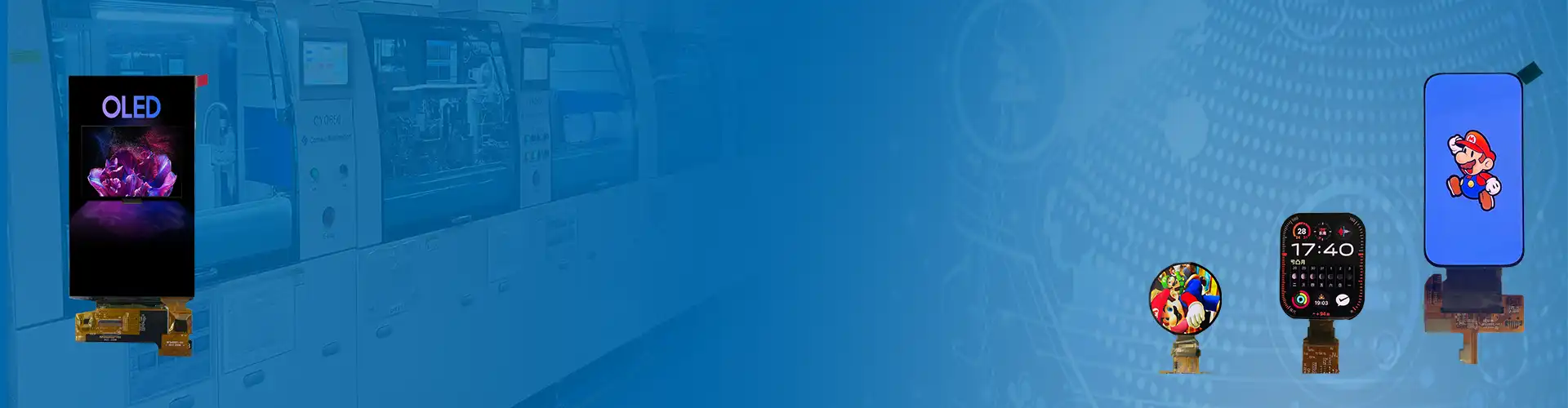
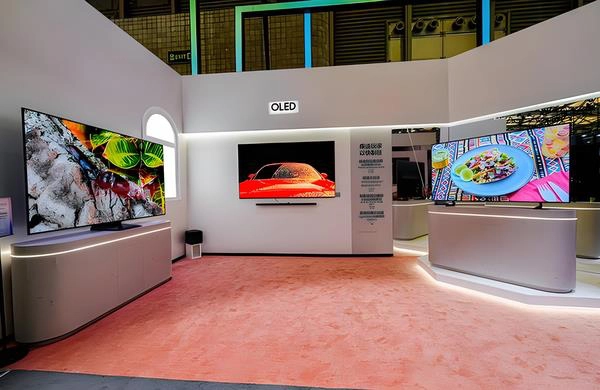
OLED, It shines itself.
Self-emissive
No Backlight
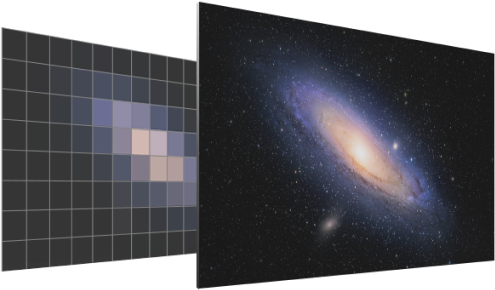
OLED(Organic Light Emitting Diode) is self-emissive technology.
Unlike local dimming technology in LCD, the pixel dimming technology in OLED also enables
each pixel to control its brightness independently from other pixel, showcasing perfect picture quality without a halo.

The self-emissive OLED is slim and light as it does not require a backlight,
liquid crystals, color filters, or other structural components.


The Values of OLED Characteristics OLED technology represents a paradigm shift in display innovation, offering a superior viewing experience defined by self-emissive pixels. It combines breathtaking visual fidelity with human-centric design, delivering perfect contrast and vibrant colors while prioritizing eye health and environmental sustainability.

OLED technology redefines visual fidelity through its self-emissive architecture, where every single pixel operates independently. By completely turning off pixels to achieve "True Black" (0 nits), OLED delivers an infinite contrast ratio that traditional backlit displays cannot emulate. This pixel-level precision eliminates the "halo effect" and reveals intricate details in the darkest shadows, making it the ideal medium for High Dynamic Range (HDR) content. Furthermore, with a response time measured in microseconds (often <0.1ms), OLED ensures that fast-paced action scenes and high-frame-rate gaming are rendered with razor-sharp clarity, free from ghosting or motion blur.

OLED sets the standard for color fidelity, covering a vast percentage of professional color spaces like DCI-P3 and Rec.2020. It delivers rich, saturated colors with 100% color volume, ensuring that images remain vibrant regardless of brightness levels. Unlike LCDs, which suffer from color washout when viewed off-axis, OLED’s self-emissive nature provides superior viewing angles. Whether you are sitting directly in front of the screen or to the side, the luminance and chromaticity remain consistent, guaranteeing a uniform visual experience for every viewer in the room.

Prioritizing user health, OLED displays are designed to minimize ocular stress during prolonged use. The organic materials naturally emit a light spectrum that contains significantly less harmful high-energy blue light compared to LED-backlit screens, helping to protect retinal health and preserve circadian rhythms (sleep quality) without compromising color accuracy. Additionally, OLED operates without the need for Pulse Width Modulation (PWM) at high brightness, offering a flicker-free experience that drastically reduces eye strain and headaches associated with screen fatigue.

OLED represents a leap forward in green technology by fundamentally simplifying display structure. The elimination of the Backlight Unit (BLU) and liquid crystal layers reduces the number of components, resulting in a thinner, lighter product that requires fewer resources to manufacture and transport. This streamlined design is complemented by intelligent power efficiency: since black pixels consume zero energy, OLED panels offer significant power savings when displaying dark content or using system-wide "Dark Modes," contributing to a lower overall carbon footprint over the product's lifecycle.
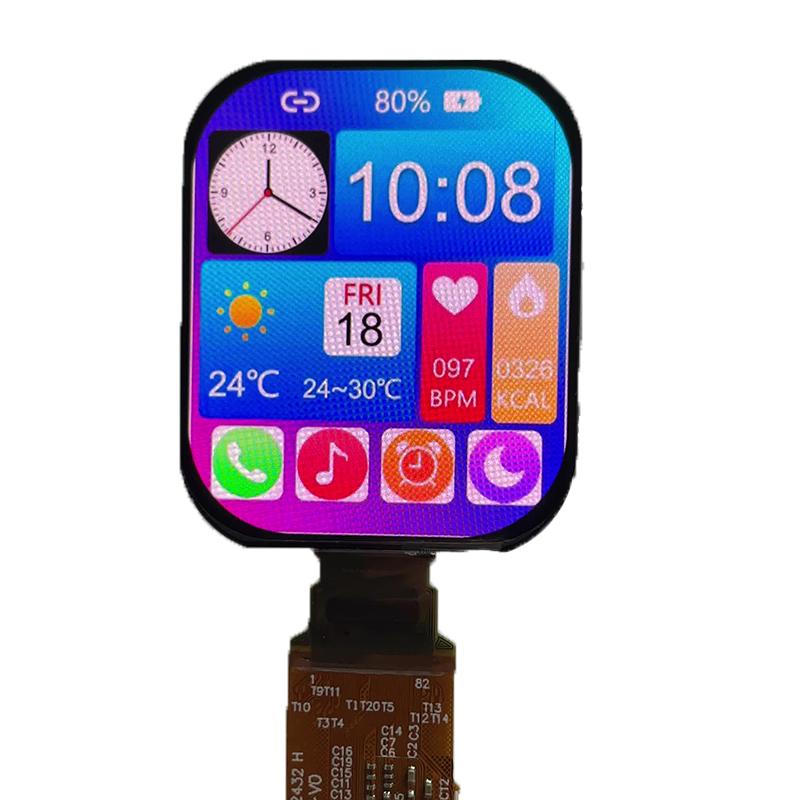
Upgrade your devices with ReissOpto's 2.06" OLED Display. Features 410x502 resolution, 600 nits brightness, and versatile MIPI/QSPI interfaces. Ideal for smart wearables and IoT applications.
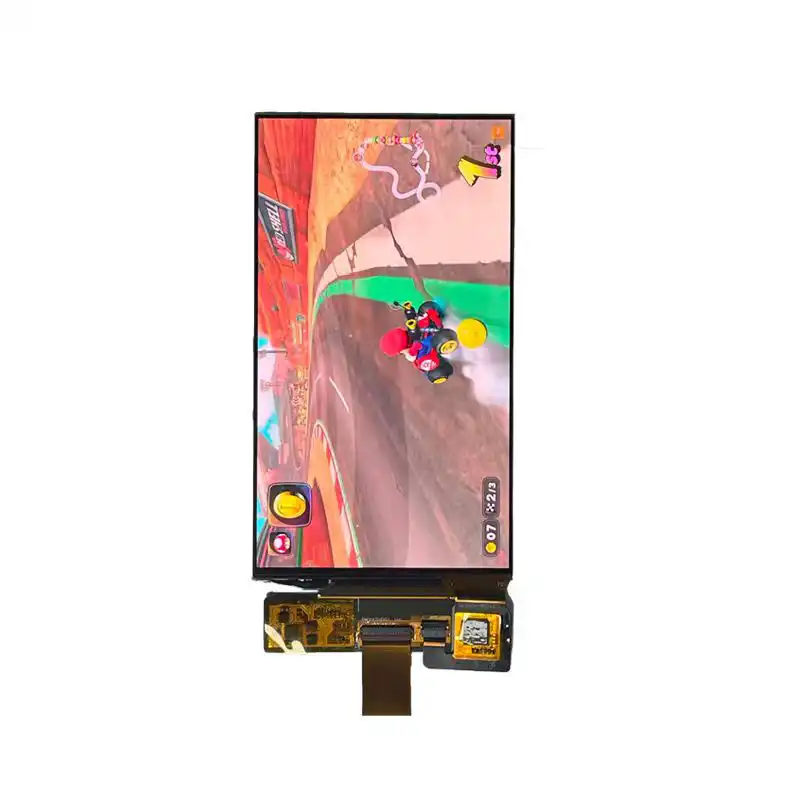
Discover Brownopto's 5.0" AMOLED Display Module (BR0500S001AMT001). Featuring 720x1280 HD resolution, 110% NTSC color gamut, integrated CST3640 touch controller, and ultra-thin design. Ideal for handheld terminals and smart home devices.
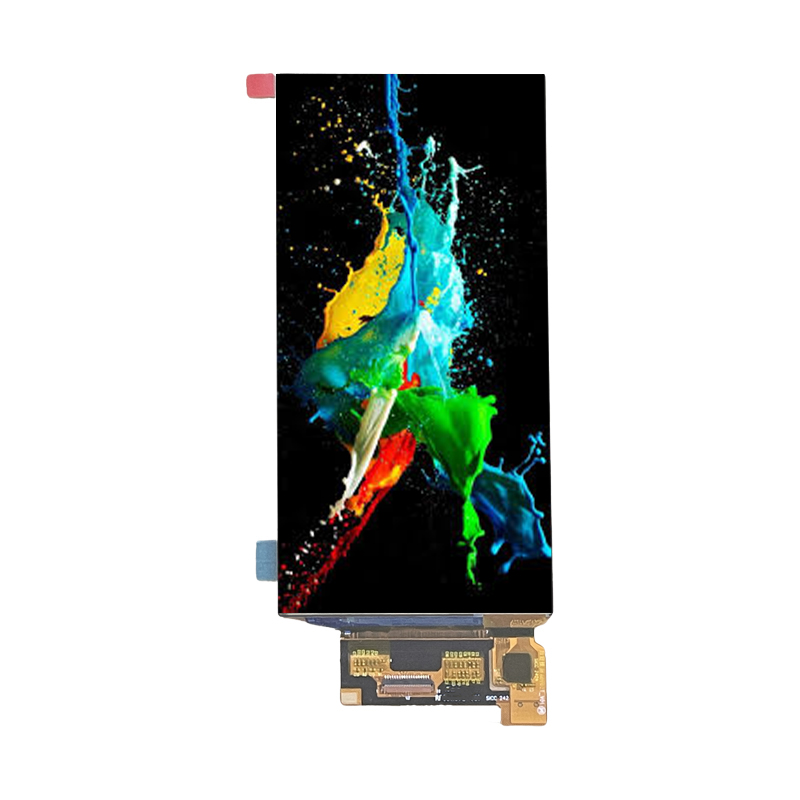
Explore ReissOpto's 6.01" FHD+ AMOLED Display. Features 1080x2160 resolution, MIPI interface, and integrated touch for next-gen handheld devices.
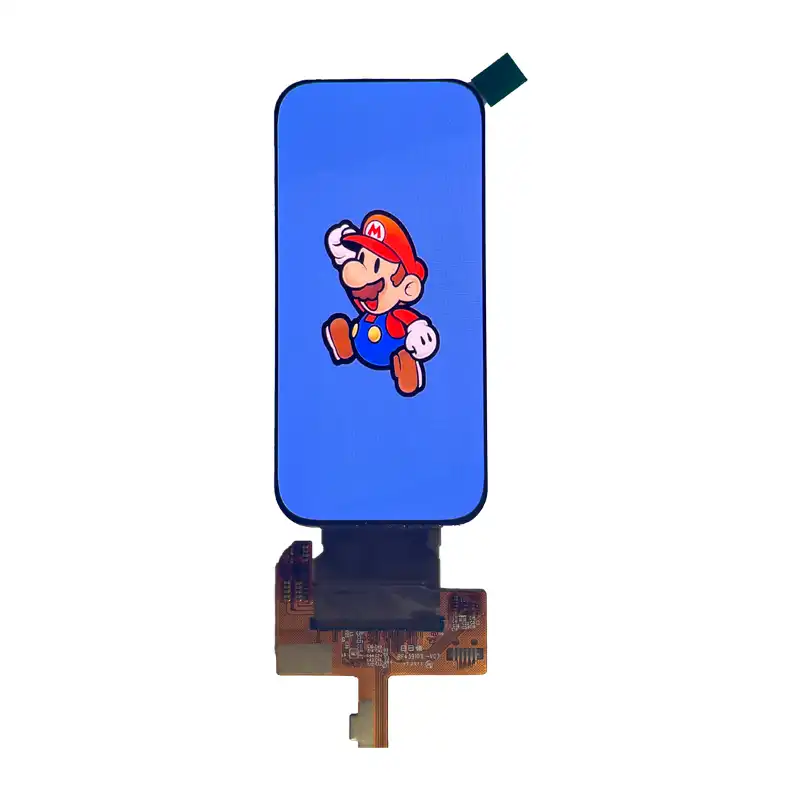
Upgrade your device with ReissOpto’s 4.39-inch AMOLED OLED Display. Featuring 568x1210 resolution, MIPI interface, and vibrant 100,000:1 contrast.
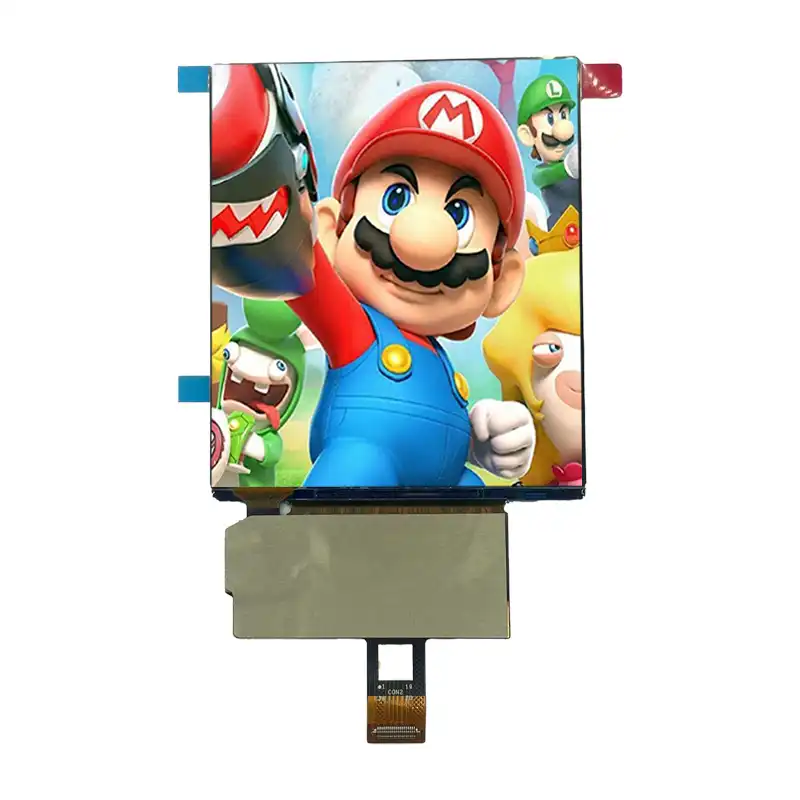
Discover ReissOpto’s 3.92-inch AMOLED OLED Display. Featuring high-definition 1080x1240 resolution, MIPI 4-Lane interface, and vivid color performance.
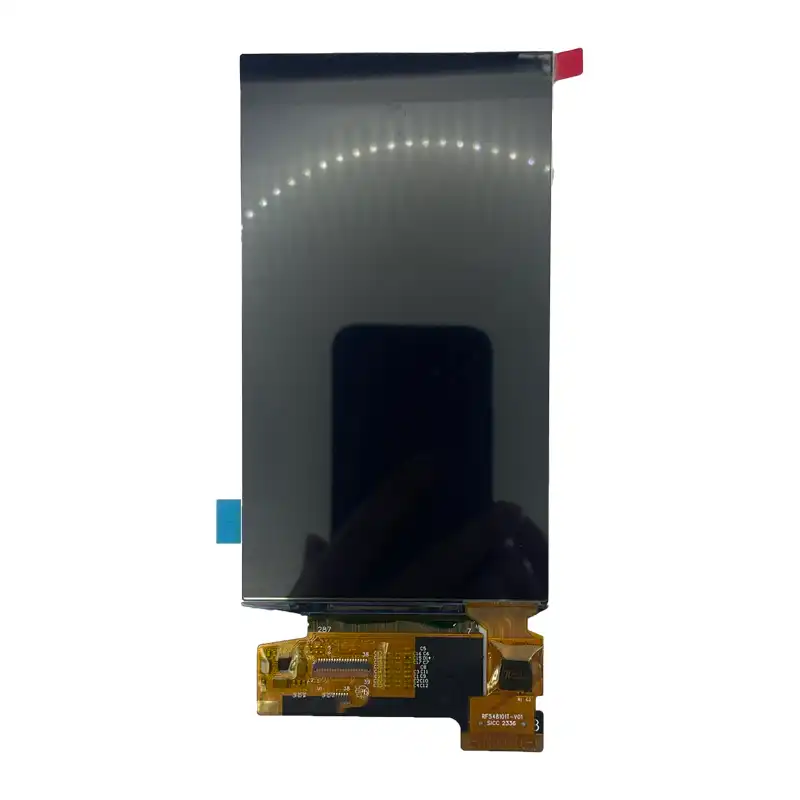
Discover the 5.48" FHD AMOLED Module (1080x1920). Features 105% NTSC color gamut, MIPI interface, and integrated touch for superior visual performance.
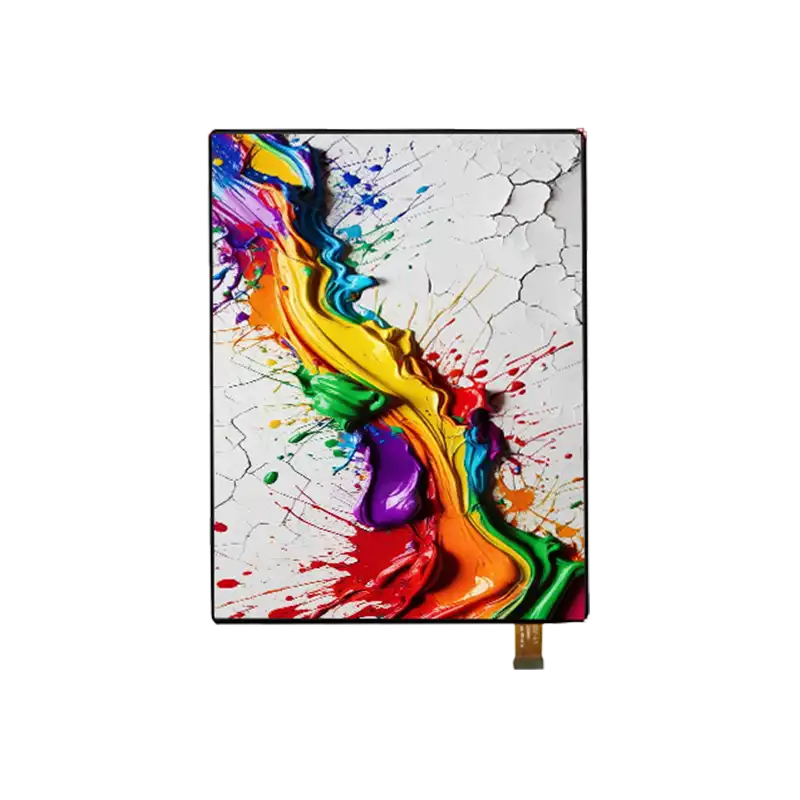
What Is the 8.0" Flexible AMOLED?This 8.0-inch module utilizes advanced Active Matrix Organic Light Emitting Diode (AMOLED) technology to create a unified, high-definition display experience. Unlike traditional LCDs, each pixel emits its own lig
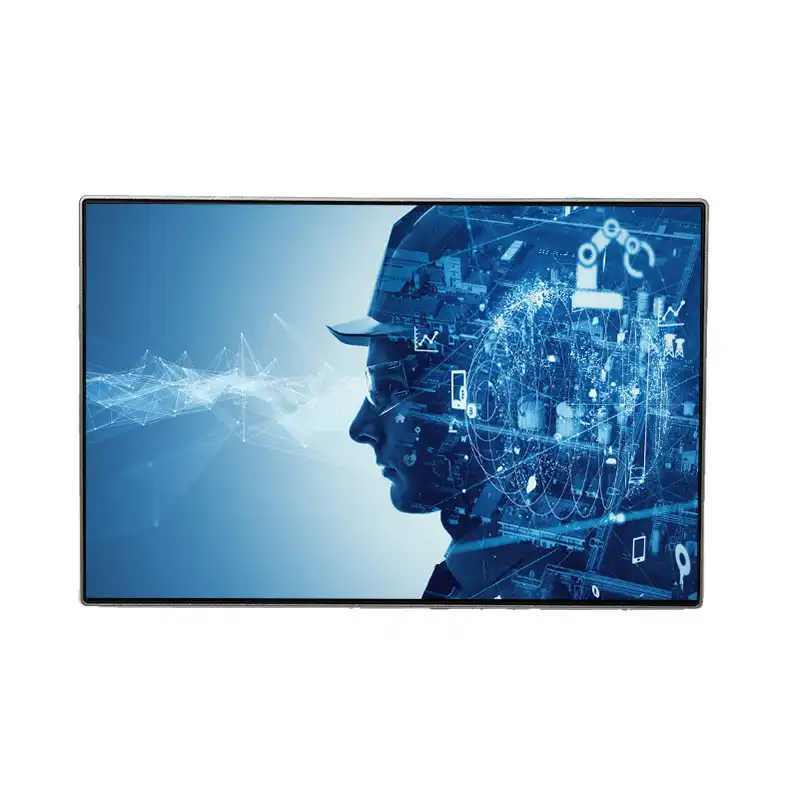
An AMOLED (Active Matrix Organic Light Emitting Diode) display differs fundamentally from traditional LCDs. Instead of using a backlight, every pixel in an OLED screen is self-emissive, meaning it generates its own ligh
Contact us today to receive a personalized quote tailored to your needs.

For industrial control panels and HMI systems requiring clear and reliable display performance.
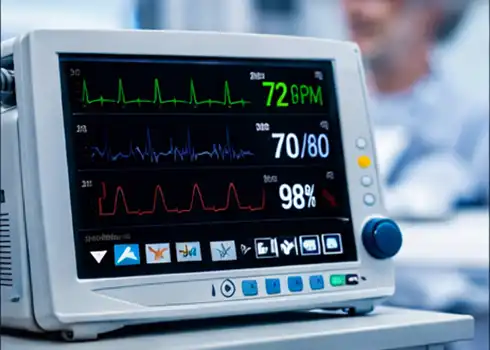
For medical monitors and healthcare devices requiring accurate and stable visual output.

For smart terminals and handheld devices with compact design and low power requirements.

For automotive dashboards and transportation displays operating under varying lighting conditions.

For professional visual systems requiring high-resolution and precise image quality.
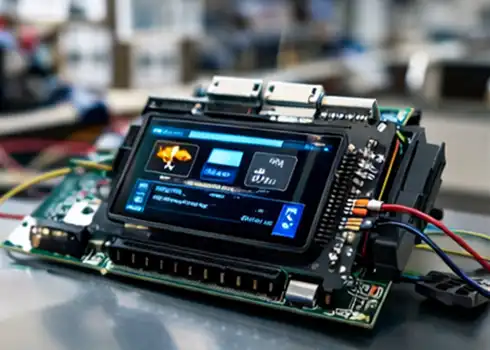
For embedded and custom display applications with specific size or interface needs.
3840 × 2160
1080 × 2160
1080 × 1920
Identify whether the OLED display will be used for commercial, industrial, automotive or professional equipment. Different applications prioritize design, reliability or integration.
Consider display size, resolution, brightness level, interface compatibility and expected lifespan based on your operating environment.
Standard OLED displays offer fast delivery and lower cost, while custom OLED displays provide greater flexibility for size, interface and system integration.
If you are unsure which solution fits your project, our engineering team can assist with OLED display selection.
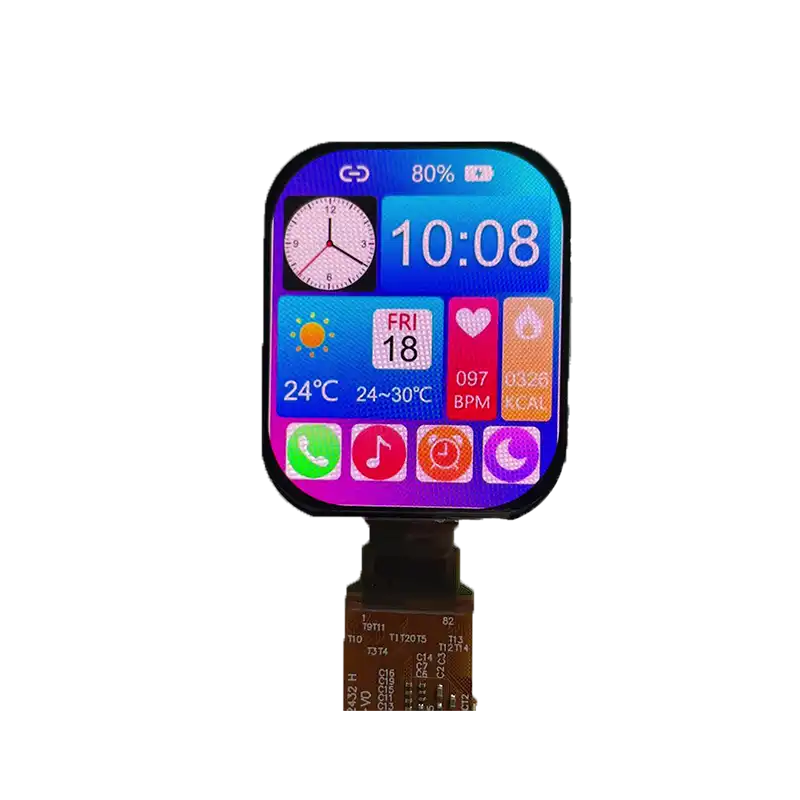
An OLED display module is a self-emissive display that does not require a backlight. It delivers high contrast, vivid colors, and fast response time, making it ideal for industrial, medical, and commercial display applications.
Yes. Industrial-grade OLED display modules are widely used in HMI panels, medical devices, test equipment, and control systems. They perform well in controlled indoor environments where high contrast and wide viewing angles are required.
Yes. Custom OLED display modules can be tailored in size, resolution, interface type, brightness, and cover glass design. OEM and ODM services are commonly available for industrial and commercial projects.
OLED display modules typically support interfaces such as MIPI, SPI, RGB, LVDS, and eDP, depending on the display size and resolution. Interface selection depends on the system architecture and application requirements.
Yes. OLED display modules are available in various resolutions, including FHD and up to 4K, depending on size and application. High-resolution OLED displays are commonly used in professional visualization and high-end commercial systems.
The lifespan of an OLED display module depends on usage conditions, brightness level, and content type. For industrial and commercial applications with controlled brightness, OLED displays can achieve stable long-term performance.
Compared to LCDs, OLED display modules offer higher contrast, faster response time, wider viewing angles, and slimmer design. However, LCDs may be more suitable for full outdoor or ultra-long static display applications.
To select the right OLED display module, consider display size, resolution, interface compatibility, brightness, operating environment, and customization needs. Working with an experienced OLED display manufacturer helps ensure project success.
If you are interested in our products, please contact us promptly
Reach out to our sales team to explore customized solutions that perfectly meet your business needs and address any questions you may have.
Email Address:info@reissopto.comFactory Address:Building 6, Huike Flat Panel Display Industrial Park, No. 1, Gongye 2nd Road, Shiyan Shilong Community, Bao'an District, Shenzhen city , China
whatsapp:15217757270