
































Custom LED Display Screen: Customized solutions
ReissOpto: Leading Manufacturer of Custom LED Displays
ReissOpto is a premier LED display manufacturer specializing in fully customizable LED display solutions. With extensive experience in indoor and outdoor installations, ReissOpto delivers LED displays that meet the exact specifications of any project. From retail stores and corporate spaces to concert venues and architectural facades, ReissOpto combines innovative design, high-quality components, and tailored engineering to create LED screens that perfectly align with client needs.
Custom LED displays from ReissOpto are more than just screens—they are dynamic visual platforms that elevate brand presence, enhance audience engagement, and transform spaces into immersive environments.
What Is a Custom LED Display Screen?
A custom LED display screen is a display system that is specifically designed and manufactured to meet unique requirements. Unlike standard screens with fixed sizes and resolutions, custom displays offer:
Tailored dimensions to fit irregular spaces
Flexible aspect ratios and shapes (curved, circular, polygonal)
Pixel pitch customization for optimal clarity
Adaptable brightness and color calibration for indoor or outdoor use
By selecting a custom LED display, businesses can achieve maximum visual impact while maintaining precision in design and installation.
Key Benefits of ReissOpto Custom LED Displays
Tailored Visual Solutions
ReissOpto specializes in creating LED walls that perfectly fit any environment. Whether it’s a curved stage backdrop, a panoramic video wall, or an architectural LED facade, each display is crafted to integrate seamlessly with its surroundings.
Vivid Color and High Brightness
ReissOpto displays use advanced surface-mounted device (SMD) and DIP LED technologies, providing vibrant colors, high contrast, and impressive brightness levels. Outdoor installations maintain visibility even in direct sunlight, while indoor displays deliver sharp, high-definition visuals suitable for close-range viewing.
Durability and Reliability
Custom LED screens from ReissOpto are engineered for longevity and durability. Outdoor models feature weatherproof enclosures (IP65+), robust heat dissipation systems, and anti-corrosion materials, ensuring consistent performance under extreme conditions.
Modular Design and Scalability
ReissOpto adopts a modular approach, allowing individual panels to be easily replaced, upgraded, or expanded. This scalability makes it simple to adapt displays to evolving business needs without disrupting ongoing operations.
Flexible Content Management
ReissOpto’s control systems support dynamic content management, including images, videos, scrolling text, live feeds, and interactive media. Users can update content in real-time, schedule playlists, and manage multiple screens from a single interface.

Applications of Custom LED Displays
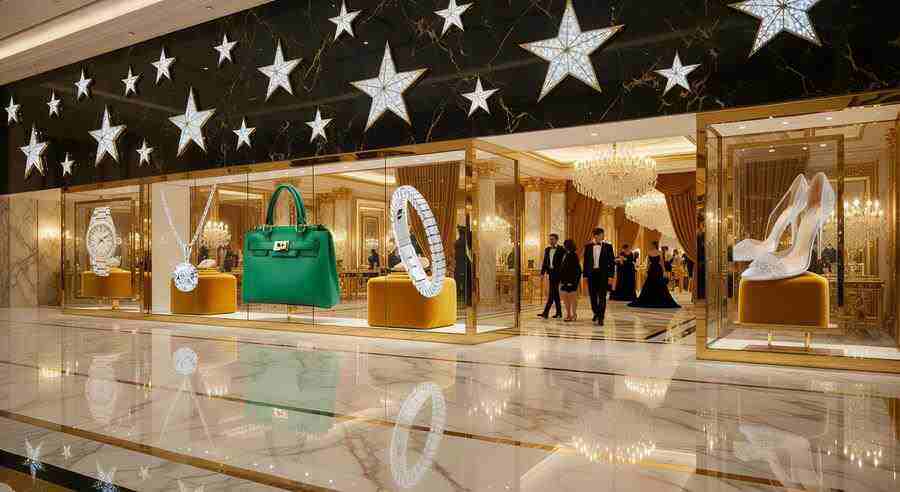
Retail and Advertising
Retailers use custom LED screens to grab attention and showcase products in high-traffic areas. From interactive storefront displays to immersive video walls, these screens help increase customer engagement and boost sales.
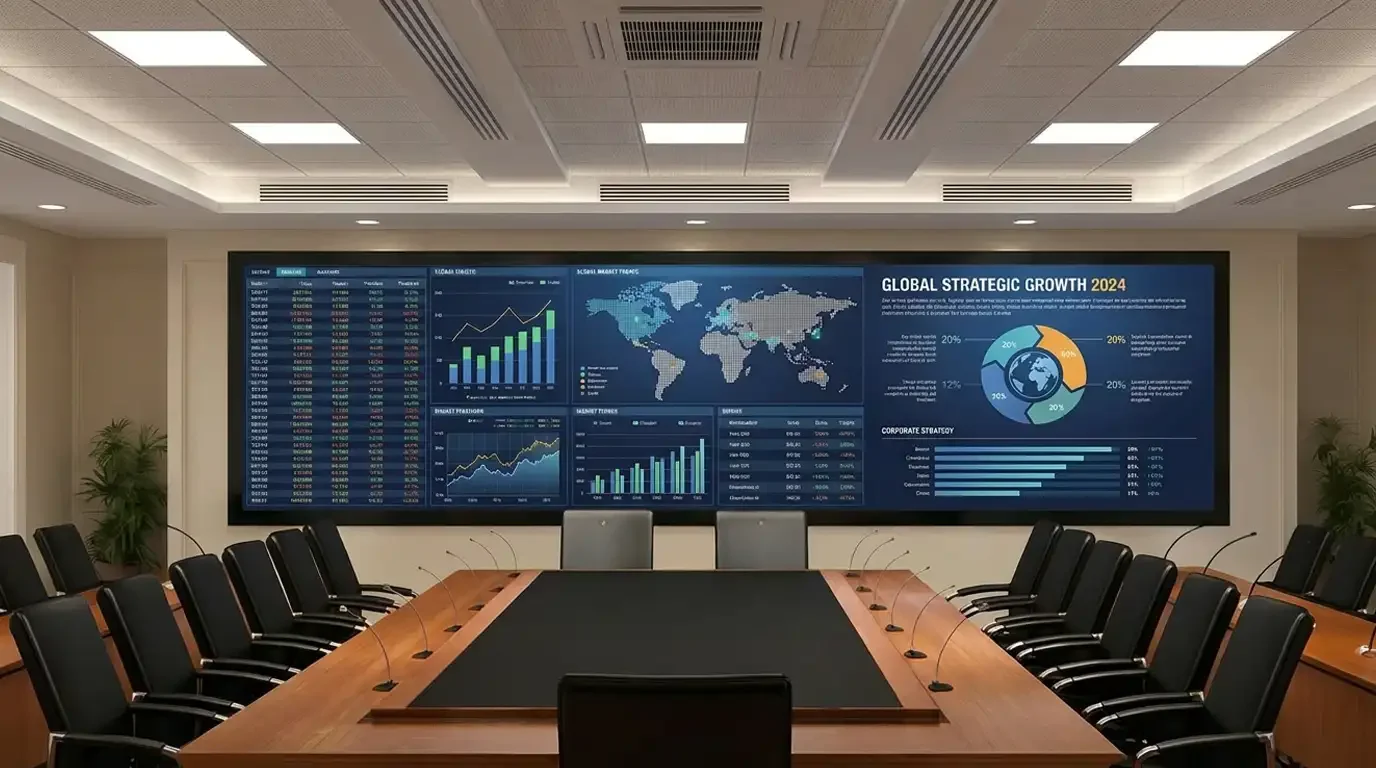
Corporate and Conference Spaces
Custom LED displays are increasingly common in corporate environments, providing large-format screens for presentations, meetings, and brand messaging. They can also integrate with video conferencing systems, offering flexible visual solutions for modern workplaces.
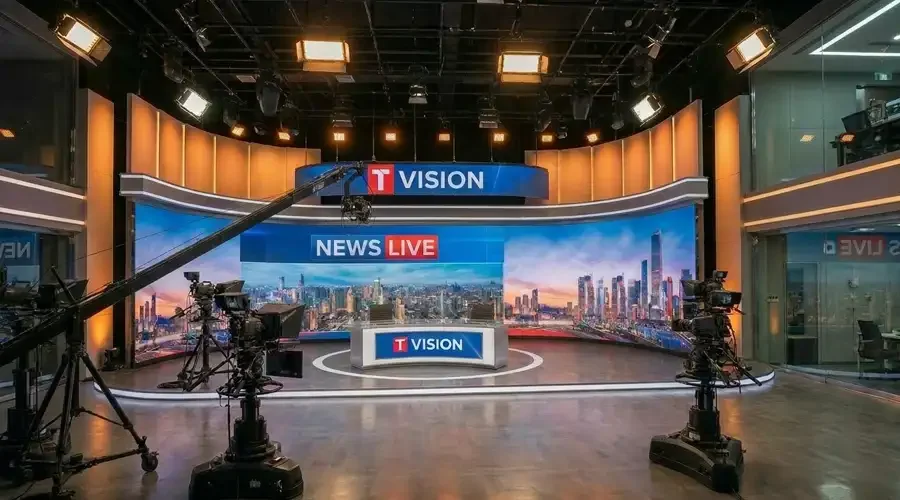
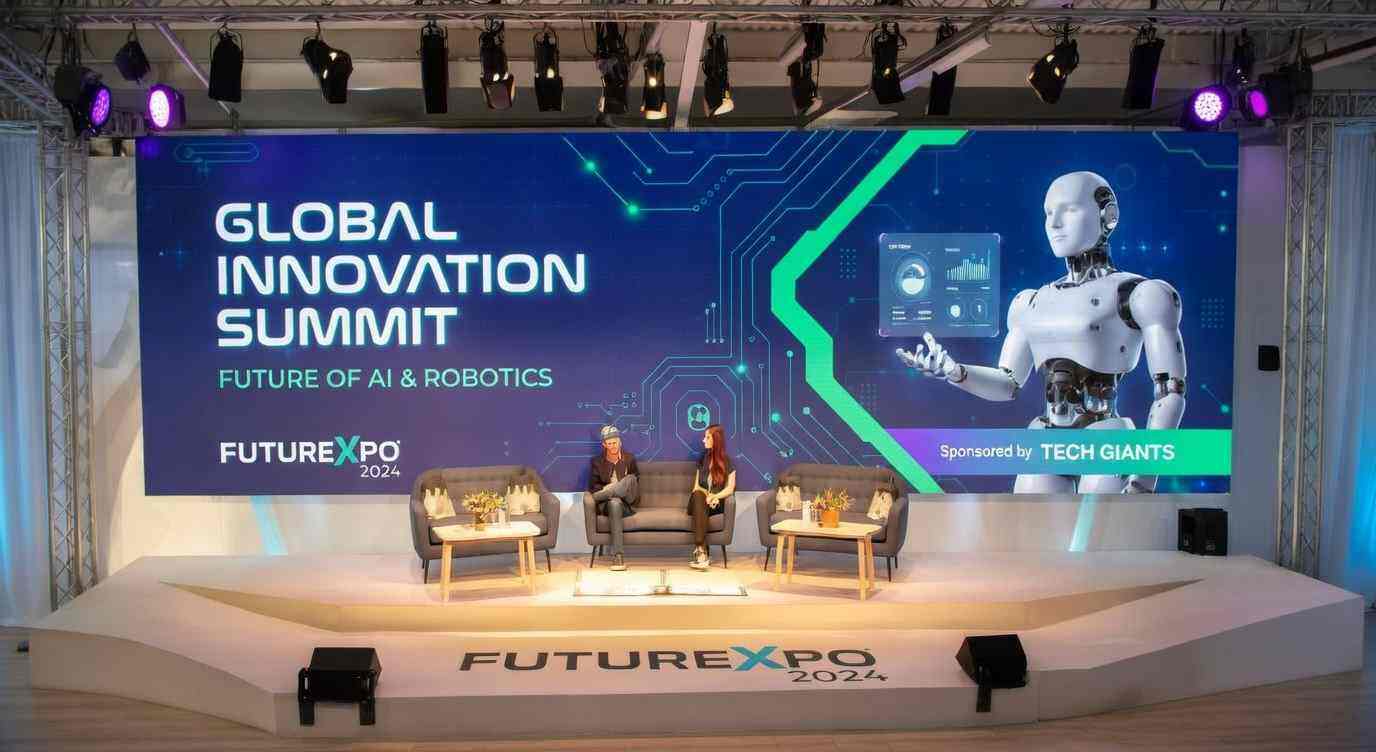
Entertainment and Live Events
Concerts, festivals, and theaters rely on curved or freeform LED screens to enhance stage presence. These displays create immersive experiences for audiences, combining high brightness, clarity, and motion performance.
Transportation Hubs and Public Spaces
Airports, train stations, and stadiums use custom LED solutions to display schedules, alerts, and advertisements. High brightness, wide viewing angles, and weatherproof designs ensure legibility in all conditions.
Architectural and Public Art
Urban architects and artists use LED facades and mesh screens to create dynamic building exteriors. Custom LED installations allow for animated content, interactive patterns, and artistic designs, transforming buildings into visual landmarks.
Understanding LED Display Technology
Pixel Pitch
Pixel pitch is the distance between adjacent LED pixels, usually measured in millimeters. Smaller pixel pitches deliver sharper images, which is critical for close-up viewing indoors, while larger pitches suit long-distance outdoor viewing.
Indoor Displays: 0.9mm – 3mm pixel pitch
Outdoor Displays: 4mm – 20mm pixel pitch
Choosing the right pixel pitch ensures clear and crisp visuals while optimizing cost and performance.
LED Types: SMD vs. DIP
SMD (Surface-Mounted Device): Ideal for indoor environments, SMD LEDs offer wider viewing angles and smoother visuals.
DIP (Dual In-line Package): Suited for outdoor use, DIP LEDs are high-brightness, durable, and weather-resistant.
Refresh Rate and Frame Performance
High refresh rates improve motion clarity, reduce flicker, and enhance camera capture quality. ReissOpto displays offer rates above 1920Hz, ideal for both live events and broadcasting.

Selecting the Right Custom LED Display
Viewing Distance
Calculate the optimal pixel pitch using the formula:
Optimal viewing distance (meters) ≈ pixel pitch (mm) × 1.5
This ensures visuals remain sharp without overspending on unnecessary resolution.
Environmental Considerations
Indoor: Focus on tighter pixel pitch, lighter modules, and low-noise operation.
Outdoor: Prioritize brightness (5000–8000 nits), waterproofing, and anti-corrosion features.
Content Requirements
Assess whether the display will feature static graphics, videos, live streams, or interactive content. Choose a control system that allows real-time updates, multi-source input, and remote scheduling.
Installation and Maintenance
Evaluate structural support, accessibility for servicing, and modularity. Efficient power and cable management will reduce operational issues over time.
Energy Efficiency
LED displays consume significant power, particularly large outdoor setups. ReissOpto incorporates intelligent power-saving circuits, brightness dimming, and efficient thermal management.
Installation and Planning Best Practices
Site Survey
Conduct a thorough survey of the site, measuring dimensions, noting obstacles, and analyzing ambient light. Accurate data ensures proper fabrication and installation.
Structural Design
Custom LED screens may require special frameworks or mounting solutions, especially for curved or irregular installations. ReissOpto collaborates with engineers to guarantee structural integrity.
Electrical and Data Infrastructure
Proper wiring and surge protection are critical. High-bandwidth data connections (fiber or Ethernet) ensure smooth content delivery across all panels.
Panel Assembly and Calibration
Each module undergoes color and brightness calibration for uniformity. Professional calibration ensures consistent image quality across the entire screen.
Quality Assurance
Before launch, ReissOpto performs extensive testing:
Pixel and color uniformity checks
Signal and latency testing
Environmental stress tests
Redundancy verification
Maintenance and Longevity
Cleaning
Dust and pollution reduce visual performance. Use soft brushes, air blowers, or mild detergents for regular maintenance.
Software Updates
ReissOpto provides firmware and control software updates to enhance performance, add features, and maintain compatibility.
Temperature and Humidity Management
Ensure proper airflow for indoor installations and verify cooling systems in outdoor units to prevent overheating.
Component Replacement
Modular design allows for quick replacement of malfunctioning panels without affecting the rest of the screen.

Innovative Trends in LED Displays
Flexible and Transparent LEDs
Flexible LED screens can curve around architectural elements, while transparent displays combine light and visuals without blocking natural light.
Interactive LED Screens
Touch and gesture-enabled LEDs enhance engagement in retail and public spaces.
AI-Based Optimization
Advanced AI algorithms automatically adjust brightness, contrast, and color based on ambient lighting, improving visual quality with minimal manual intervention.
Mini and Micro LEDs
Miniaturized LED technologies allow ultra-high-resolution displays, achieving near-4K or 8K visuals even on very large walls.
Real-World Applications by ReissOpto
Retail Video Walls: Curved LED archways for immersive brand storytelling
Stadium Scoreboards: High-brightness, weatherproof, and camera-friendly displays
Architectural LED Facades: Transparent or mesh screens for interactive public art
These projects showcase ReissOpto’s commitment to custom solutions, integrating design, technology, and durability.
Conclusion: Why Choose ReissOpto for Custom LED Displays
ReissOpto is more than an LED manufacturer—it is a partner in creating dynamic visual experiences. Custom LED displays allow businesses and organizations to communicate effectively, attract attention, and engage audiences. With ReissOpto, each project is fully tailored, combining high-quality components, advanced technology, and flexible design to deliver visually stunning results that last.
Whether for retail, corporate, entertainment, public, or architectural applications, ReissOpto’s custom LED displays transform spaces, captivate audiences, and set new standards for visual communication.
Frequently Asked Questions About Custom LED Display Screens
1. What is a custom LED display screen?
A custom LED display screen is an LED video wall designed and manufactured to specific size, shape, resolution, and installation requirements, rather than standard fixed formats. It can be tailored for indoor or outdoor use, curved surfaces, irregular structures, and specialized viewing distances.
2. How do I choose the right pixel pitch for a custom LED screen?
Pixel pitch is selected based on viewing distance and image detail. Fine pitch (0.9–1.5mm) suits close-range indoor viewing, medium pitch (2.5–3.9mm) fits halls and malls, while larger pitch (4mm and above) is used for outdoor and long-distance viewing.
3. Can custom LED displays be made in curved or special shapes?
Yes. Custom LED screens can be built as curved, cylindrical, circular, or irregular forms. Special cabinets and mounting structures are engineered to maintain uniform brightness and seamless visual continuity across complex geometries.
4. What is the difference between indoor and outdoor custom LED displays?
Indoor displays focus on high resolution, lower brightness, and lightweight structures. Outdoor displays require high brightness, waterproof and dustproof protection, UV resistance, and robust frames to operate reliably in sunlight and harsh weather.
5. How long does a custom LED display screen typically last?
High-quality LED displays usually offer a service life of 80,000 to 100,000 hours. Proper cooling, stable power supply, and regular maintenance help maintain long-term performance.
6. Can a custom LED display system be expanded or upgraded later?
Yes. Modular design allows future expansion, resolution upgrades, and control system updates. Additional panels can be added to increase screen size while maintaining visual uniformity and system compatibility.
Frequently Asked Questions
What is a custom LED display screen?
A custom LED display screen is an LED video wall designed and manufactured to specific size, shape, resolution, and installation requirements, rather than standard fixed formats. It can be tailored for indoor or outdoor use, curved surfaces, irregular structures, and specialized viewing distances.
How do I choose the right pixel pitch for a custom LED screen?
Pixel pitch is selected based on viewing distance and image detail. Fine pitch (0.9–1.5mm) suits close-range indoor viewing, medium pitch (2.5–3.9mm) fits halls and malls, while larger pitch (4mm and above) is used for outdoor and long-distance viewing.
Can custom LED displays be made in curved or special shapes?
Yes. Custom LED screens can be built as curved, cylindrical, circular, or irregular forms. Special cabinets and mounting structures are engineered to maintain uniform brightness and seamless visual continuity across complex geometries.
What is the difference between indoor and outdoor custom LED displays?
Indoor displays focus on high resolution, lower brightness, and lightweight structures. Outdoor displays require high brightness, waterproof and dustproof protection, UV resistance, and robust frames to operate reliably in sunlight and harsh weather.
How long does a custom LED display screen typically last?
High-quality LED displays usually offer a service life of 80,000 to 100,000 hours. Proper cooling, stable power supply, and regular maintenance help maintain long-term performance.
Can a custom LED display system be expanded or upgraded later?
Yes. Modular design allows future expansion, resolution upgrades, and control system updates. Additional panels can be added to increase screen size while maintaining visual uniformity and system compatibility.
Related Display Products
-
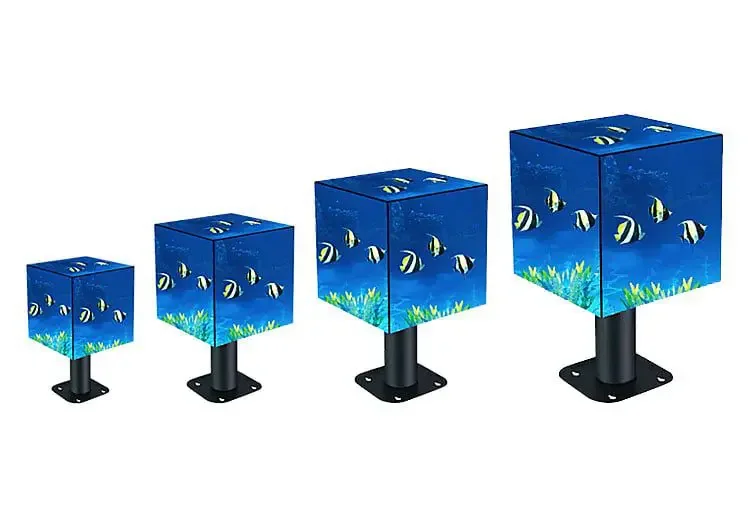 Cube LED Display Screen | 360° Creative LED Cube Video Wall
Cube LED display screen with 4/5/6 seamless sides, high brightness, wide viewing angle and custom sizes—360° creative LE
-
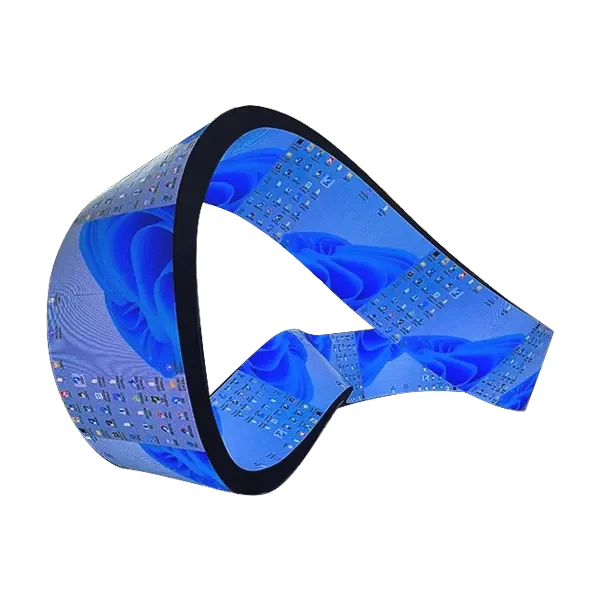 Curved LED Display | Flexible & Mobius Ring LED Screen
Curved LED display and Mobius Ring LED display create immersive visuals with seamless curves, high brightness, and
-
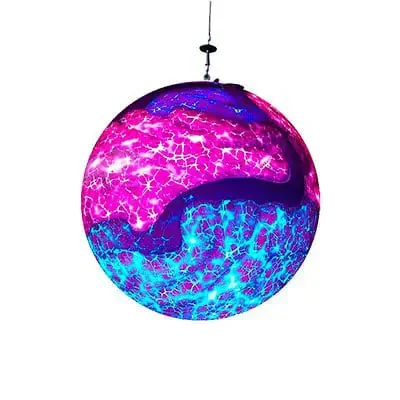 Sphere LED Display Screen | Spherical LED Ball Screen
Sphere LED Display in P1.8–P4 pixel pitch, 0.8–6 m customizable diameter, 360° seamless imaging, up to 5000 cd/m², IP65