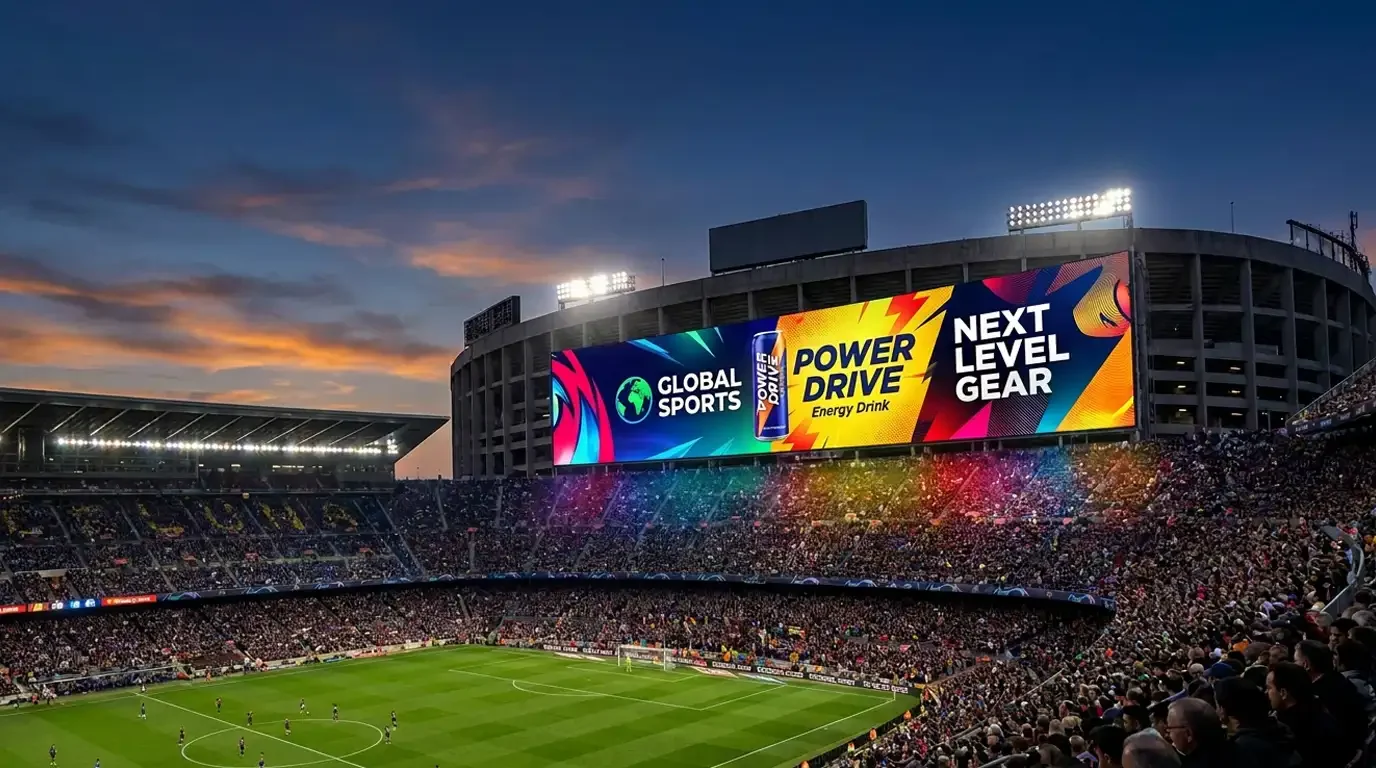



































Highway LED Billboard Display
Highway advertising has always been one of the most effective ways to reach drivers, passengers, commuters, and long-distance travelers. Compared with traditional static billboards, a highway LED billboard display offers dynamic video content, stronger visual impact, flexible advertising updates, and higher commercial value. It is widely used beside highways, expressways, main roads, toll stations, service areas, and high-traffic transportation routes.
A large pole-mounted LED billboard is not just an outdoor screen. It is a complete advertising display system that requires professional planning in screen size, brightness, pixel pitch, steel structure, wind load, waterproof protection, power distribution, control system, maintenance access, and long-term safety. A successful highway LED billboard project must balance visibility, reliability, operating cost, and advertising return.
This solution focuses on professional large pole-mounted LED billboard displays for roadside and highway advertising applications.

Project Background
Highways and main roads have long viewing distances, fast-moving audiences, wide open environments, and strong outdoor weather challenges. Drivers usually see the screen from a distance and only have a short time to receive the advertising message. Therefore, the LED billboard must be bright, clear, simple, and visually powerful.
Typical application locations include:
Highway roadside advertising.
Expressway advertising boards.
Main road pole-mounted billboards.
Toll station advertising screens.
Service area digital billboards.
City entrance advertising displays.
Bridge-side advertising displays.
Transportation route media screens.
Outdoor commercial advertising networks.
For this type of project, the screen needs to operate stably for long hours every day and maintain good visibility under sunlight, rain, wind, dust, and temperature changes.
Why Choose LED Billboard Displays for Highway Advertising?
Traditional billboards can only show one fixed image for a long time. Once the advertising content needs to change, printing, transport, and manual replacement are required. For highway media operators, this increases both cost and time.
A highway LED billboard display solves this problem by allowing digital content updates. Advertising operators can display multiple brands on one screen, schedule different ads by time period, and update content remotely. This makes the LED screen more flexible and profitable.
Main advantages include:
Dynamic video advertising.
High brightness for long-distance visibility.
Multiple ads on one screen.
Remote content update.
Strong visual impact.
High advertising turnover rate.
Better use of roadside media space.
Long-term commercial value.
Suitable for 24/7 outdoor operation.
More attractive than static billboards.
For media companies, a digital LED billboard can generate continuous advertising income. For brands, it provides stronger exposure and more memorable visual communication.

High Brightness for Long-Distance Viewing
Brightness is one of the most important factors for highway LED billboard displays. Since the screen is installed outdoors and often exposed to direct sunlight, it must provide enough brightness to ensure the content remains visible during the day.
For highway applications, high brightness helps the advertisement stand out from the surrounding environment. However, brightness should also be automatically adjustable. Excessive brightness at night may cause glare and reduce driving comfort.
A professional highway LED billboard should support:
High daytime brightness.
Automatic brightness adjustment.
Nighttime brightness reduction.
Energy-saving operation.
Better image visibility.
Reduced light pollution.
Compliance with local display requirements.
The goal is to achieve clear visibility without affecting road safety. A smart brightness sensor can adjust the screen according to ambient light, ensuring good performance in both daytime and nighttime conditions.
Recommended Pixel Pitch for Highway LED Billboards
Pixel pitch selection depends on viewing distance, screen size, road speed, and advertising content. Since highway audiences usually view the screen from a longer distance and vehicles move quickly, ultra-fine pixel pitch is usually not necessary. A larger pixel pitch can provide a better balance between visibility and cost.
Common options for highway LED billboard displays include:
P6 for medium-distance roadside advertising.
P8 for highways and main roads.
P10 for large outdoor billboards.
P12 or P16 for very long-distance viewing.
P20 for extra-large outdoor advertising displays.
For most highway and expressway projects, P8, P10, and P16 are common choices. They provide clear visibility from long distances while keeping the project cost reasonable.
The content design also matters. Highway advertising should use large fonts, simple graphics, strong contrast, and short messages. Even a high-resolution screen cannot perform well if the content is too complex for fast-moving viewers.
Pole-Mounted Steel Structure Design
A highway LED billboard display is often installed on a large steel pole or double-pole structure. Structural safety is critical because the screen is large, elevated, and exposed to strong wind.
The steel structure must be professionally designed according to:
Screen size and weight.
Installation height.
Wind load requirements.
Local climate conditions.
Foundation depth.
Soil conditions.
Pole diameter and thickness.
Maintenance platform design.
Cable routing.
Safety standards.
A professional structure should include the main pole, support frame, screen mounting frame, maintenance ladder, platform, grounding system, and foundation design. For large screens, wind resistance is especially important. The structure must remain stable during storms and long-term outdoor operation.
Before installation, engineers should conduct site evaluation and provide a suitable structure plan. A good LED screen supplier can cooperate with local structural engineers to ensure safety and compliance.
Weatherproof and Dustproof Outdoor Performance
Highway LED billboards face harsh outdoor conditions. They are exposed to rain, dust, sunlight, wind, humidity, and temperature changes throughout the year. Therefore, waterproof and dustproof performance directly affects service life.
A reliable outdoor LED billboard should include:
IP65 or higher front protection.
Waterproof LED modules.
Sealed cabinets.
Waterproof power connectors.
Anti-corrosion cabinet treatment.
UV-resistant materials.
Good heat dissipation.
Drainage design.
Lightning protection.
Stable grounding.
For roadside and highway environments, dust and exhaust pollution can also accumulate on the screen surface. The display should be designed for easy cleaning and maintenance.
Long-term outdoor stability is more important than only focusing on low price. Poor waterproof design can lead to frequent module failure, power failure, and higher maintenance costs.

Reliable Power and Control System
Large highway LED billboard displays require stable power distribution and professional control systems. Since they often operate for long hours, the system must be safe, efficient, and easy to manage.
A complete power and control system may include:
Distribution cabinet.
Surge protection.
Circuit breakers.
Grounding protection.
Industrial power supplies.
Receiving cards.
Video processor.
Media player.
Brightness sensor.
Remote monitoring system.
Network or 4G/5G control.
Remote control is especially useful for highway billboards because the installation location may be far from the office. Operators can update content, schedule ads, monitor screen status, and check faults remotely.
If the screen is part of a multi-location advertising network, centralized content management can help manage all screens from one platform.
Energy Efficiency and Operating Cost
A large outdoor LED billboard consumes power every day. For media operators, electricity cost is an important part of long-term operation. Energy-efficient LED technology can reduce operating expenses and improve project profitability.
Energy-saving measures include:
High-efficiency LED chips.
Common cathode technology.
Smart brightness adjustment.
Scheduled power operation.
Efficient power supplies.
Good heat dissipation.
Optimized content brightness.
Automatic nighttime dimming.
For highway advertising, the screen does not always need to run at full brightness. Intelligent brightness adjustment can significantly reduce power consumption, especially at night or on cloudy days.
A professional solution should provide estimated power consumption and help the client calculate long-term operating cost.
Content Strategy for Highway Advertising
Highway LED billboard content must be different from indoor commercial screen content. Since viewers are moving fast, the message should be clear and easy to understand within a few seconds.
Effective highway LED billboard content should use:
Short text.
Large fonts.
Strong contrast.
Clear brand logo.
Simple product image.
Bright colors.
Slow and smooth animation.
Limited visual elements.
Clear call-to-action.
Short video loops.
Avoid small text, complex graphics, fast flashing effects, and too much information. The purpose is to make the advertisement easy to read and remember quickly.
For safety, the content should also avoid overly distracting visuals that may affect drivers.
Maintenance Design and Service Access
Maintenance access is very important for pole-mounted highway LED billboards. Since the screen is installed high above the ground, service work must be safe and efficient.
A professional maintenance design may include:
Rear maintenance cabinet.
Front maintenance module option.
Maintenance platform.
Safety ladder.
Fall protection points.
Easy module replacement.
Spare parts package.
Remote fault diagnosis.
Modular cabinet design.
For large pole-mounted billboards, rear maintenance is commonly used if enough space is available. For some special structures, front maintenance can reduce service difficulty.
Good maintenance design reduces downtime and helps operators keep the advertising business running smoothly.
Safety and Compliance Considerations
Highway LED billboards are installed in public outdoor environments. Safety and compliance are essential. The project should follow local requirements for outdoor advertising, electrical safety, structural engineering, brightness control, and road visibility.
Important considerations include:
Outdoor advertising permit.
Structural safety approval.
Electrical safety standards.
Wind load calculation.
Foundation design approval.
Brightness and light pollution control.
Traffic safety requirements.
Maintenance safety plan.
Lightning protection and grounding.
Emergency power-off system.
Before installation, the project owner should check local regulations and obtain necessary approvals. A professional LED screen solution can provide technical documents to support the approval process.
Suitable Applications
Highway LED billboard displays can be used in many roadside advertising scenarios.
Highway Roadside Advertising
Installed along highways and expressways to display brand campaigns, product ads, and commercial promotions.
Toll Stations
Used near toll gates to show advertisements, public information, traffic reminders, and service messages.
Service Areas
Installed at highway service areas to promote restaurants, shops, hotels, vehicle services, and local tourism.
City Entrance Roads
Used on main roads entering cities to display landmark advertisements, business promotions, and public messages.
Outdoor Media Networks
Advertising companies can build multiple LED billboards in different locations and manage them as a digital media network.
Project Implementation Process
A professional highway LED billboard project usually includes the following steps:
Site survey and location analysis.
Viewing distance and traffic flow evaluation.
Screen size and pixel pitch recommendation.
Steel structure and foundation design.
Electrical and control system planning.
LED screen production.
Aging test and quality inspection.
Shipping and installation support.
Screen assembly and wiring.
Control system configuration.
Brightness and color calibration.
Content playback testing.
Operator training.
Maintenance and spare parts support.
Each step affects the final project result. A complete solution helps reduce risk and ensures stable long-term operation.
How to Choose the Right Supplier for Highway LED Billboards
Selecting a professional supplier is crucial for projects of this nature. The supplier should possess expertise in outdoor LED display technology, highway advertising regulations, structural installation, and long-term maintenance requirements.
As a premium supplier, REISSOPTO provides the following:
Outdoor LED billboard product solutions.
Pixel pitch recommendations.
Brightness and viewing distance analysis.
Cabinet and module specifications.
Power consumption calculations.
Control system solutions.
Structural installation advice.
Waterproofing and thermal management designs.
Spare parts and maintenance support.
Project case studies.
Technical documentation for regulatory approval.
When undertaking highway LED billboard projects, price should not be the sole deciding factor. In terms of long-term advertising value, stability, safety, brightness, waterproofing, structural design, and after-sales support are far more important.
Frequently Asked Questions
-
 Outdoor 3D LED Display | Glasses-Free 3D Advertising Screen
Outdoor 3D LED display delivers glasses-free naked-eye 3D visuals, up to 10,000 nits brightness, IP66 protection and fro...
-
 P4.81 Outdoor LED Display - Outdoor High Resolution Display
P4.81 outdoor LED display with IP66 waterproof design, up to 6500 nits brightness, 500×1000mm cabinet and front/rear ser...
-
 P3.91 Outdoor LED Screen - High-Brightness IP65 Waterproof Display for Outdoor Advertising
P3.91 LED display delivers clear outdoor visuals, high brightness, vivid colors, and stable performance for advertising,...