Table of Contents
Hot Recommendations
Get a Free Quote Instantly!
Talk to Our Sales Team Now.
Outdoor LED displays are large-format digital screens designed for open-air environments, capable of delivering high-brightness, high-contrast visual content that remains clearly visible under direct sunlight, extreme weather conditions, and long-distance viewing scenarios. These display systems are widely used for advertising, information broadcasting, sports events, public spaces, and architectural media facades.
Built with weather-resistant structures, high-luminance LED modules, and advanced control systems, outdoor LED displays combine durability with visual performance, making them one of the most effective visual communication tools in modern urban environments.
An outdoor LED display is a self-emissive digital screen composed of light-emitting diode modules, specifically engineered for outdoor use, featuring high brightness, wide viewing angles, and protective enclosures that withstand rain, dust, heat, wind, and ultraviolet radiation.
Also commonly referred to as:
Outdoor digital billboards
Large-format LED video walls
Weatherproof LED signage
Outdoor advertising displays
Unlike indoor screens, outdoor LED displays are optimized for long-distance visibility and environmental resilience, making them suitable for 24/7 operation in public and commercial outdoor spaces.
Outdoor LED display systems are defined by a combination of optical performance, mechanical protection, and electronic stability. The most critical features include:
Brightness levels typically range from 5,000 to over 10,000 nits, ensuring clear visibility even under direct midday sunlight.
Horizontal and vertical viewing angles commonly exceed 140°, allowing consistent image quality for large audiences.
IP65 or higher protection ratings safeguard the screen from rain, dust, humidity, and airborne particles.
Cabinet-based construction enables large-scale splicing without visible gaps, forming continuous video walls.
Outdoor-grade coatings and aluminum or magnesium alloy cabinets prevent aging and color degradation.
Service access from both sides supports flexible installation in different environments.
Refresh rates above 3,840Hz ensure flicker-free video for live broadcasting and camera shooting.
Automatic sensors adjust luminance according to ambient light, reducing power consumption and visual fatigue.
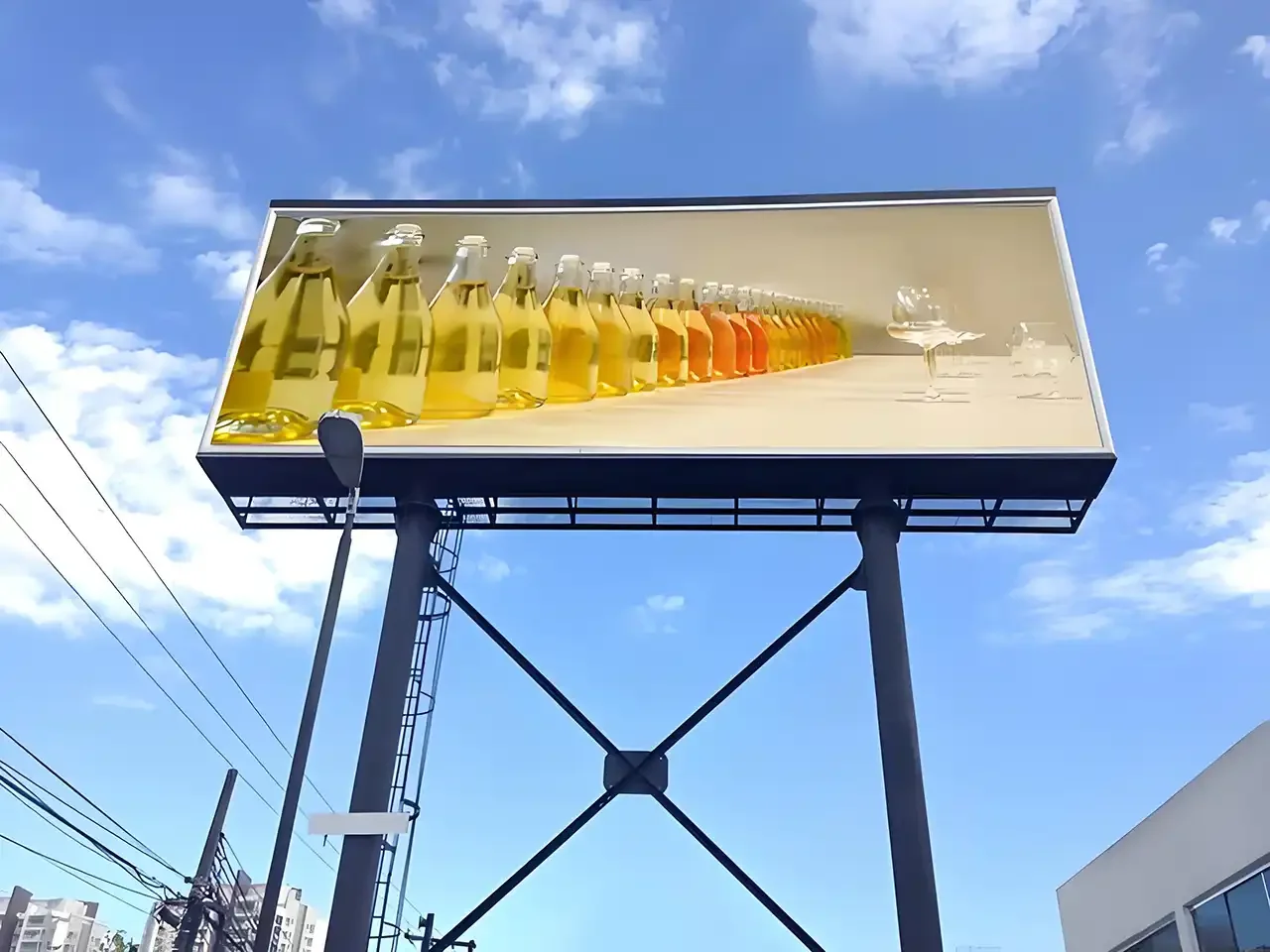
Pixel pitch defines the distance between adjacent LED pixels and directly determines resolution, clarity, and optimal viewing distance.
| Pixel Pitch | Typical Viewing Distance | Application Scenario |
|---|---|---|
| P2.5 – P3 | 2.5m – 10m | Commercial plazas, close-range advertising |
| P4 – P5 | 5m – 25m | Shopping malls, building facades |
| P6 – P8 | 8m – 40m | Roadside billboards, stadiums |
| P10 and above | 10m – 80m+ | Highways, large public squares |
Smaller pixel pitch provides higher resolution and sharper images at close viewing distances, while larger pitch reduces cost for long-range visibility.
Outdoor LED displays are deployed across a wide range of industries and public environments, serving both commercial and informational purposes.
Used for brand promotion, product launches, and dynamic advertising campaigns in high-traffic areas.
Installed as perimeter boards, scoreboards, and live video walls for real-time broadcasting and audience engagement.
Facade-mounted LED walls attract attention and enhance the visual identity of retail spaces.
Airports, railway stations, and metro stations use outdoor LED screens for announcements and guidance.
Architectural LED displays transform building exteriors into large-scale visual landmarks.
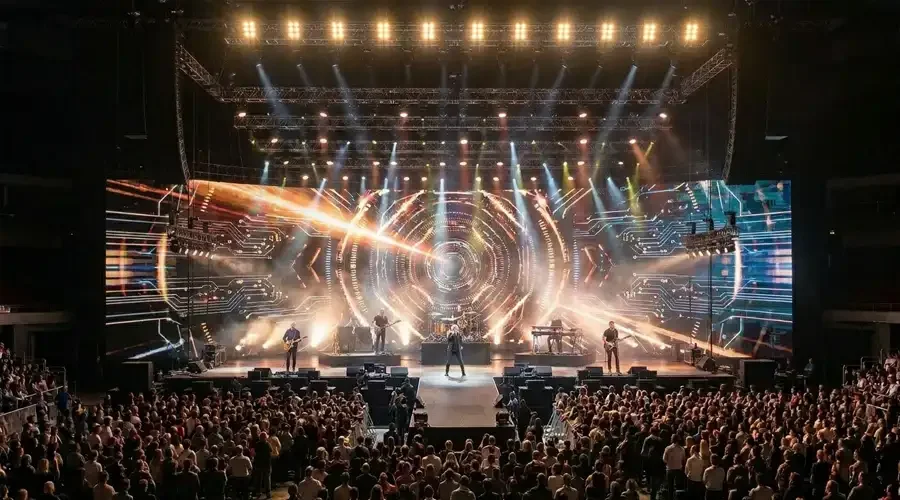
Concerts, festivals, and public ceremonies rely on high-brightness LED screens for live visuals.
Municipal authorities use outdoor LED signage for traffic updates and public notifications.
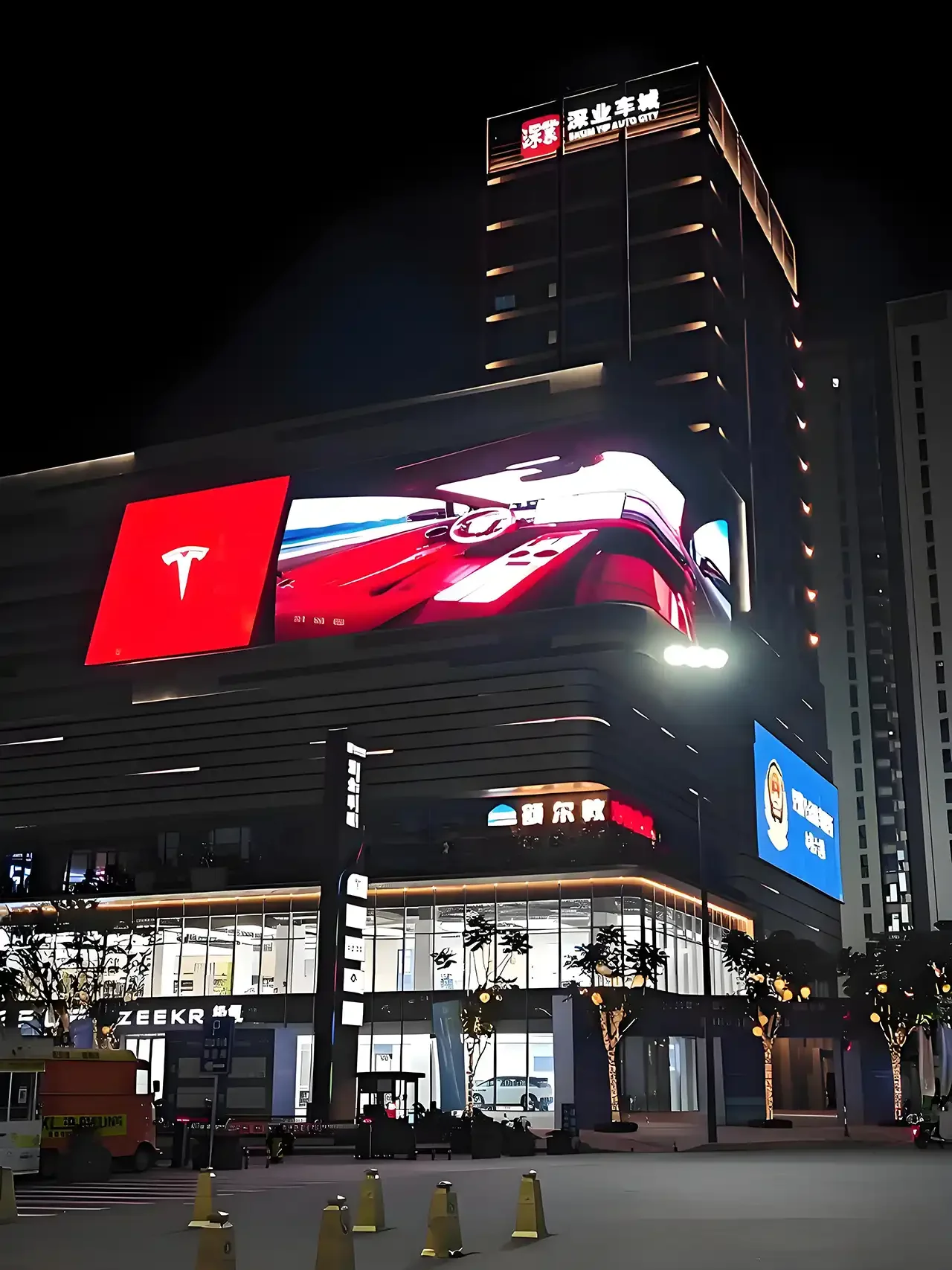
Outdoor LED displays operate at luminance levels several times higher than indoor screens. Typical brightness ranges:
Commercial advertising: 5,500–7,000 nits
Stadium and roadside screens: 6,500–10,000 nits
High-sunlight regions: up to 12,000 nits
High contrast enhances image depth and legibility, especially in daylight. Advanced black-mask LED technology improves contrast by reducing light reflection.
Factory calibration and on-site adjustment ensure consistent color temperature, grayscale accuracy, and uniform brightness across the entire display surface.
Modern outdoor LED systems support high dynamic range processing, allowing richer colors and clearer details in both bright and dark content.
Outdoor LED displays are designed for continuous exposure to harsh environmental conditions.
IP65 or IP67-rated cabinets prevent water penetration and dust accumulation.
Operating ranges typically span from –20°C to +60°C, ensuring stable performance in extreme climates.
Special surface coatings and sealed components resist ultraviolet radiation, salt spray, and industrial pollution.
Wind-load-resistant frames and reinforced mounting systems secure displays in typhoon-prone or high-altitude areas.
High-quality LED chips and power supplies support lifespans exceeding 100,000 operating hours.
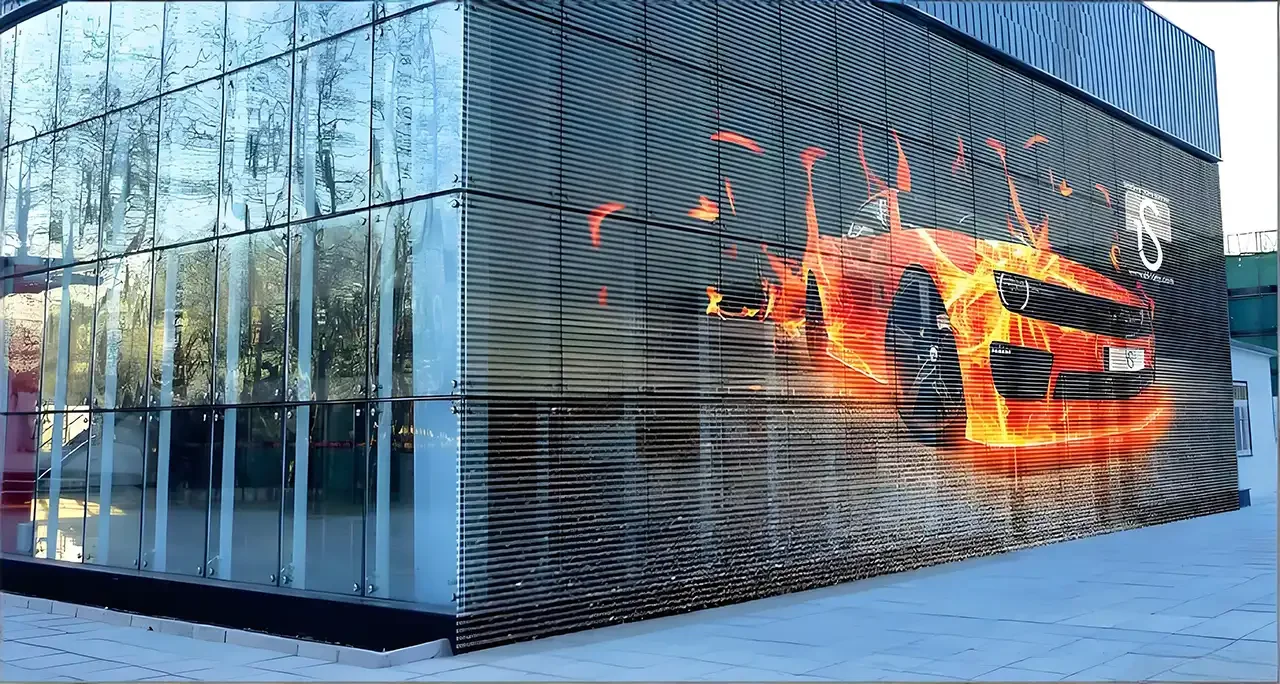
Outdoor LED displays can be installed in various structural configurations depending on location and application.
Attached directly to building facades for advertising and branding.
Installed on standalone columns along roads and highways.
Positioned on building tops for long-distance visibility.
Used for temporary events, roadshows, and outdoor promotions.
Custom-shaped LED walls for architectural and artistic designs.
Wraparound installations enhancing visibility from multiple directions.
Outdoor LED displays rely on advanced control architectures to ensure stable signal transmission, real-time playback, and remote content management across large-scale screen networks.
Synchronous systems receive video signals directly from media processors or broadcast sources, enabling real-time playback for live events, sports broadcasting, and stage performances.
Asynchronous systems store content locally and play it according to preset schedules, widely used for advertising billboards and information displays.
Modern LED display networks adopt cloud platforms for:
Remote content uploading
Multi-screen group control
Playback scheduling
Brightness and status monitoring
Fault diagnosis and alerts
Professional video processors support 4K/8K input, HDR decoding, frame synchronization, and dual-signal backup to ensure uninterrupted operation.
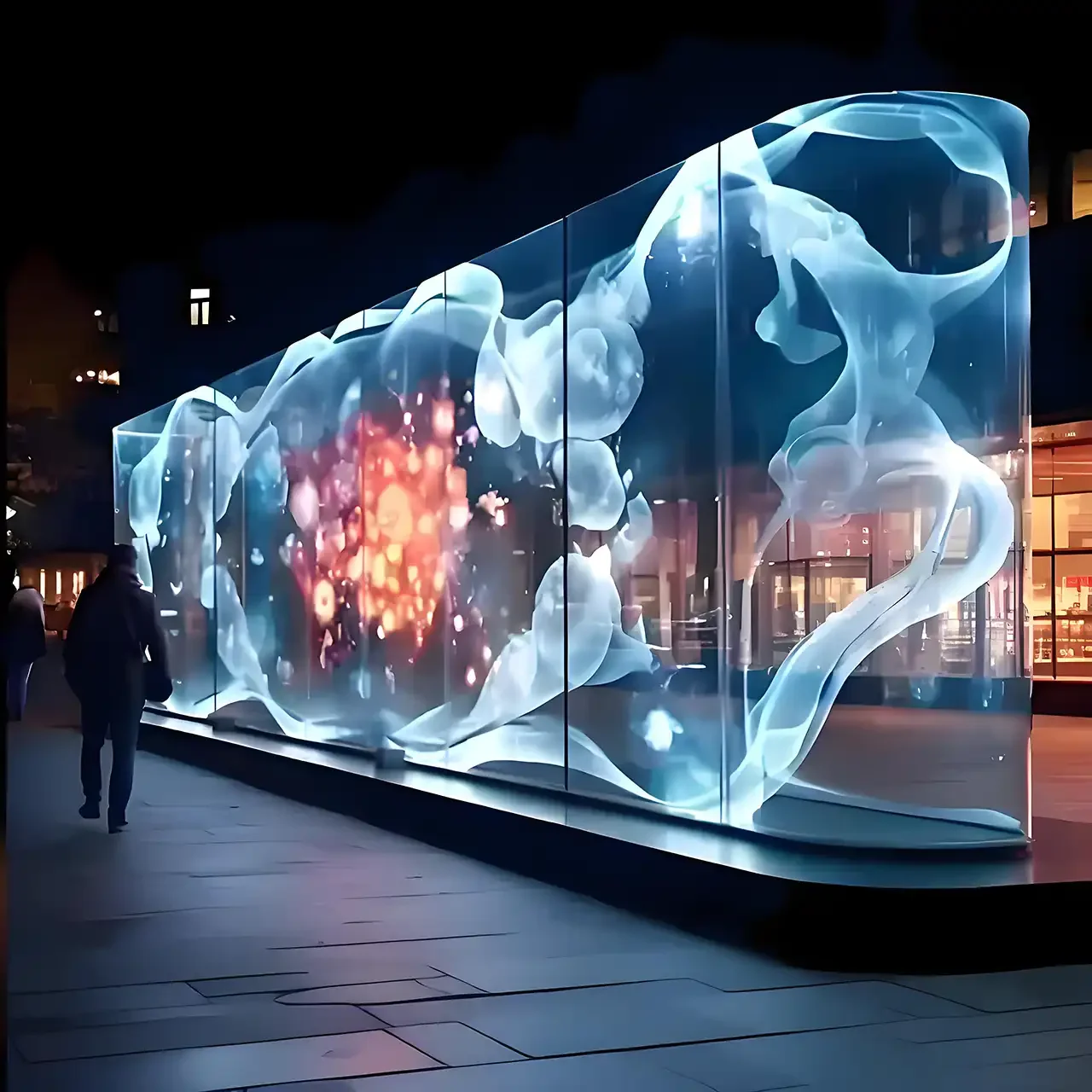
Energy efficiency has become a critical factor in large-scale outdoor LED installations.
New-generation LEDs convert electrical energy into light more efficiently, reducing heat generation and power waste.
Ambient light sensors dynamically regulate screen luminance, maintaining visibility while lowering power usage at night or in cloudy conditions.
Advanced driver integrated circuits reduce current loss and improve grayscale performance.
Typical outdoor LED displays consume:
200–350 W/m² in normal operation
600–800 W/m² at maximum brightness
Energy-saving modes can reduce total electricity costs by 30% or more over long-term operation.
Selecting an appropriate outdoor LED display involves evaluating multiple technical and environmental factors.
Match pixel pitch to audience distance to ensure clarity without unnecessary cost.
Consider ambient light intensity and screen orientation to select suitable luminance levels.
Analyze wind load, temperature range, humidity, and structural support conditions.
Calculate optimal display dimensions based on content format and available space.
Decide between synchronous or asynchronous operation according to application type.
Select front or rear service structures based on installation constraints.
Include power consumption, spare parts, and service life in total cost evaluation.
The total investment for outdoor LED displays is influenced by several components:
Includes LED modules, cabinets, power supplies, receiving cards, and control systems.
Smaller pitch increases pixel density and manufacturing cost.
Steel structures, mounting frames, cranes, and labor vary by location and height.
Video processors, fiber transmission systems, and backup solutions add to system cost.
Spare parts, routine inspection, and calibration contribute to long-term expenditure.
Defective LED modules or power units can be replaced individually without dismantling the entire screen.
Regular checks of ventilation, waterproof seals, and connectors ensure stable operation.
Software tools maintain color uniformity and brightness consistency over time.
High-quality outdoor LED displays typically achieve:
80,000–100,000 hours of LED lifetime
7–10 years of stable commercial operation
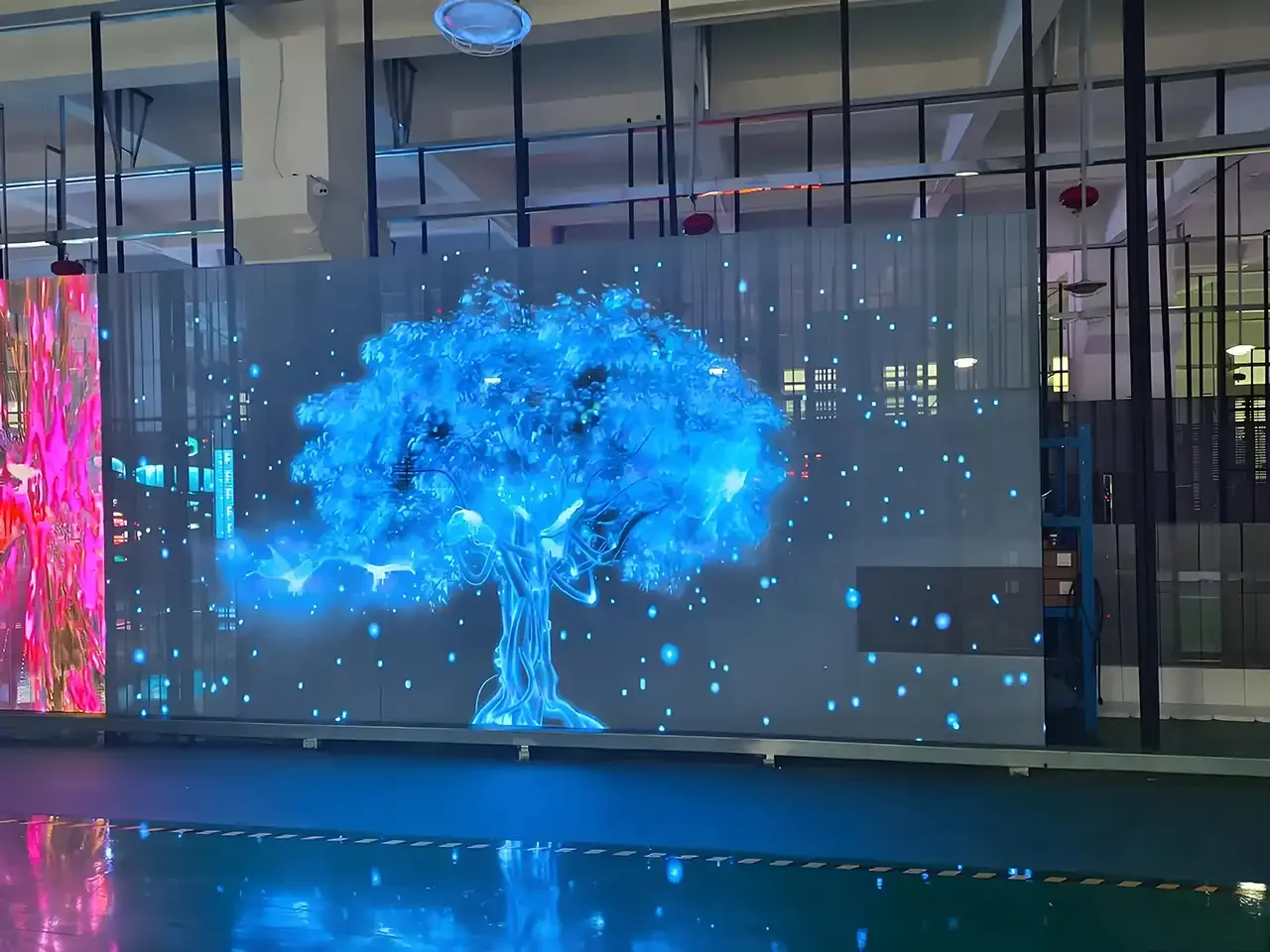
| Feature | Outdoor LED Display | LCD Video Wall |
|---|---|---|
| Brightness | 5,000–12,000 nits | 500–1,500 nits |
| Weather Resistance | IP65+ outdoor rated | Indoor use only |
| Seamless Splicing | Yes | Visible bezels |
| Viewing Distance | Long and short range | Short to medium |
| Lifespan | 80,000+ hours | 50,000–60,000 hours |
| Installation Area | Open-air environments | Enclosed spaces |
Outdoor LED displays are superior for high-brightness, large-scale, and weather-exposed applications.
Advancements in mini-LED and micro-LED packaging enable higher resolution at closer viewing distances.
Lower power consumption and recyclable materials support sustainable deployment.
Outdoor LED displays are increasingly connected to urban information systems and IoT platforms.
Curved and corner LED screens create immersive, glasses-free 3D content for advertising and landmarks.
Enhanced motion performance supports live broadcasting and high-speed video playback.
Most outdoor applications require at least 5,500 nits, while high-exposure areas may need over 8,000 nits.
They are designed for 24/7 operation with industrial-grade components and thermal management.
P6 to P10 are commonly selected depending on viewing distance and screen size.
Yes, professional systems feature IP65 or higher protection against rain and dust.
Depending on pixel pitch and brightness, clear visibility can range from a few meters to several hundred meters.
They typically operate reliably from –20°C to +60°C with proper cooling and heating design.
Routine inspection, cleaning, and occasional module replacement ensure long-term stability.
Content can be uploaded remotely through network-based control systems and cloud platforms.
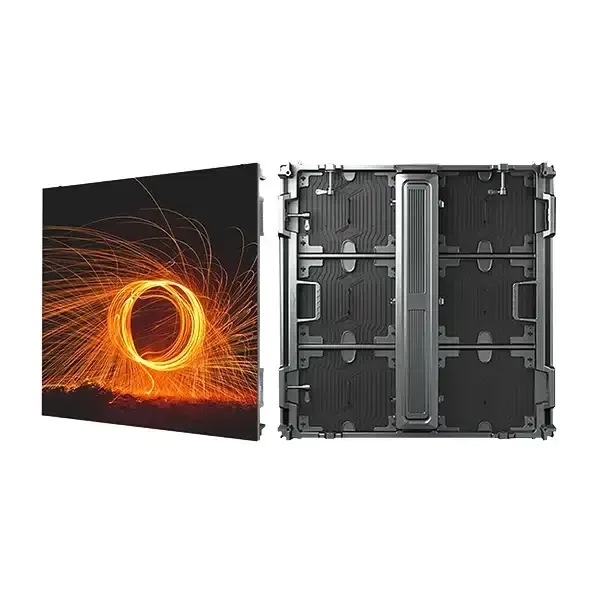
P8 outdoor LED screen delivers high-visibility outdoor advertising with strong brightness, weatherproof design, and stab...
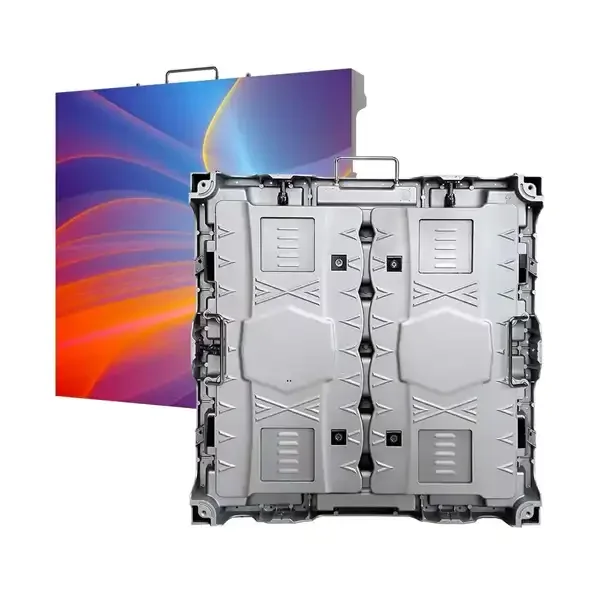
P4 outdoor LED screen with 4mm pitch, 6000 -10000nits brightness, IP65 waterproof cabinet & 7680Hz refresh—HD outdoo...

P6 outdoor LED screen with 6mm pixel pitch, ≥6500 nits brightness, IP65 waterproof 960×960mm cabinet, and stable perform...

If you are interested in our products, please contact us promptly
Reach out to our sales team to explore customized solutions that perfectly meet your business needs and address any questions you may have.
Email Address:info@reissopto.comFactory Address:Building 6, Huike Flat Panel Display Industrial Park, No. 1, Gongye 2nd Road, Shiyan Shilong Community, Bao'an District, Shenzhen city , China
whatsapp:15217757270