


































Outdoor LED screen Details
High-Brightness Weatherproof Outdoor LED Screen for Advertising
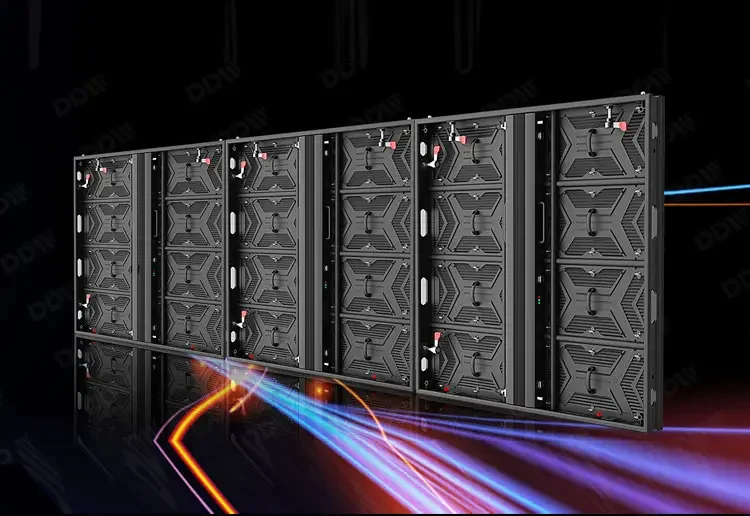
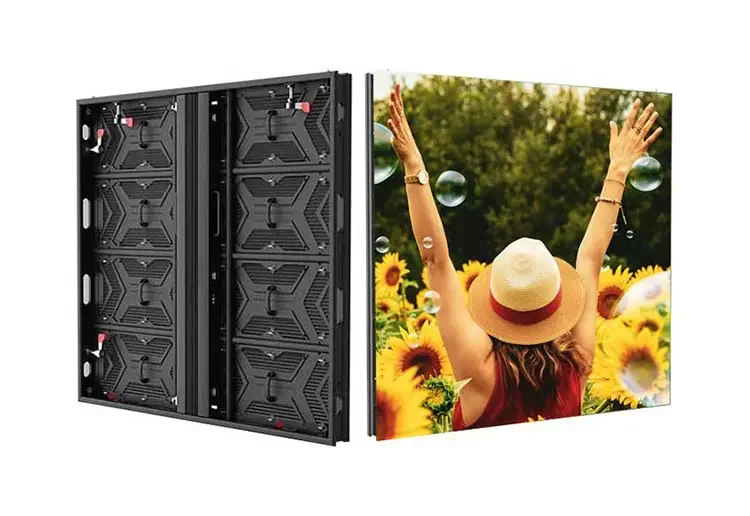
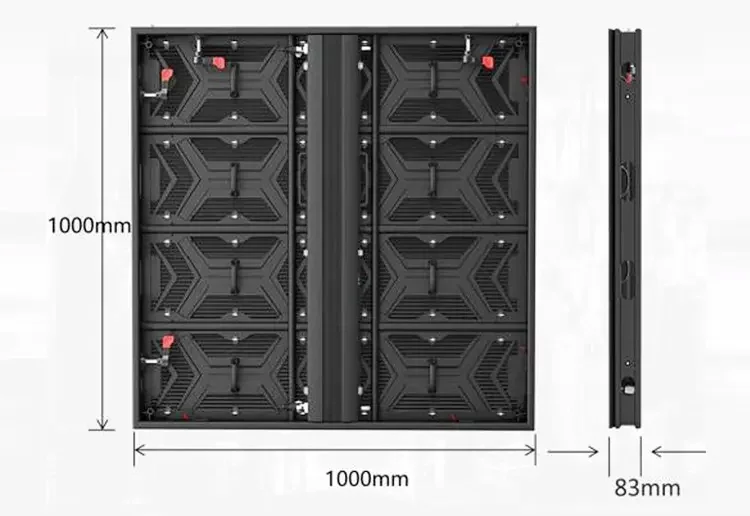
The REISSOPTO OF-BF outdoor LED screen is a high-brightness, weatherproof LED display engineered for reliable 24/7 outdoor operation. Available in pixel pitches from P3.91 to P10.4, it delivers up to 6500 nits brightness for clear visibility in direct sunlight, an IP65-rated front-and-rear sealed structure against rain and dust, and a lightweight all-aluminum 1000×1000mm cabinet weighing only 23kg. It is widely used for outdoor advertising, billboards, stadiums, building façades, and commercial signage.
Up to 6500 Nits Brightness for Clear Daylight Visibility
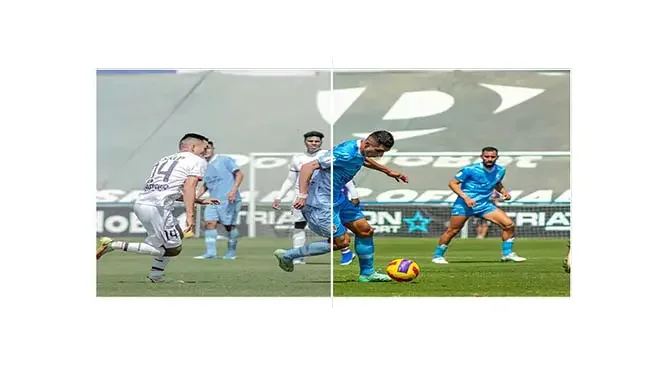
With brightness ranging from ≥5000 nits at P3.91 up to ≥6500 nits at P10.4, the OF-BF outdoor screen stays vivid and readable even under strong direct sunlight. A ≥3840Hz high refresh rate ensures flicker-free performance on camera, while the 140°/140° wide viewing angle keeps images clear and consistent from every direction.
IP65 Front & Rear Waterproof Protection
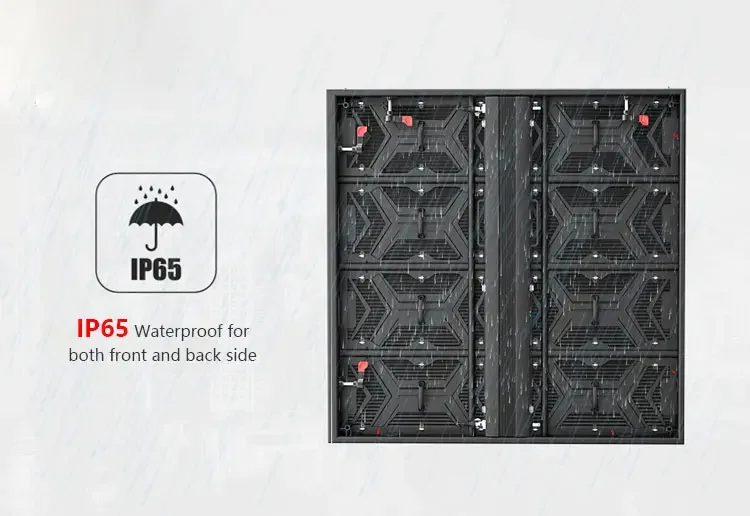
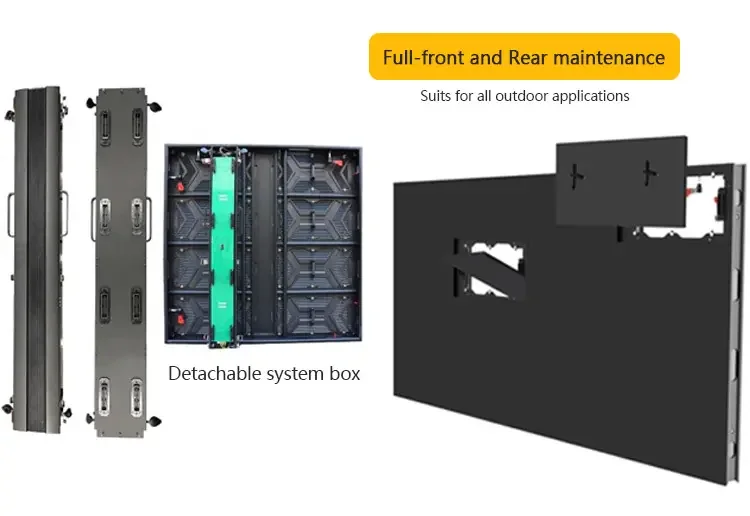
The OF-BF series adopts an IP65 double-sided protection design that fully isolates electronic components from moisture and dust. The power supply, hub card, and receiving card are integrated into a sealed, removable module enclosure, allowing the screen to withstand heavy rain, strong wind, and harsh outdoor conditions for stable long-term operation.
Lightweight All-Aluminum Cabinet with Front & Rear Maintenance
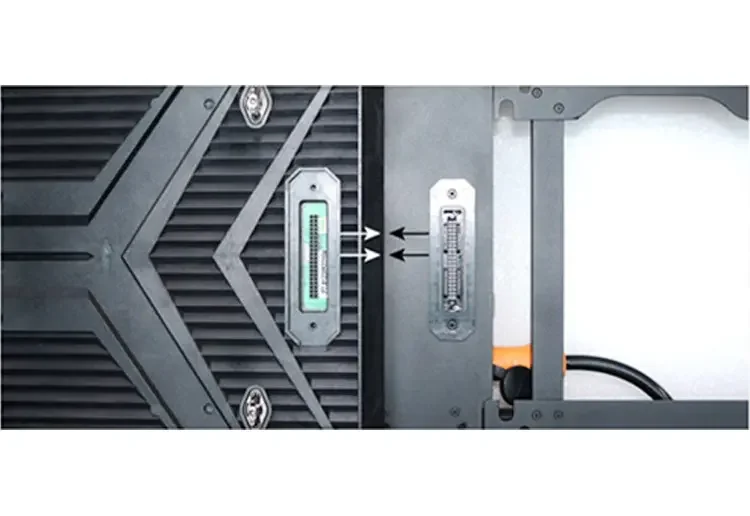
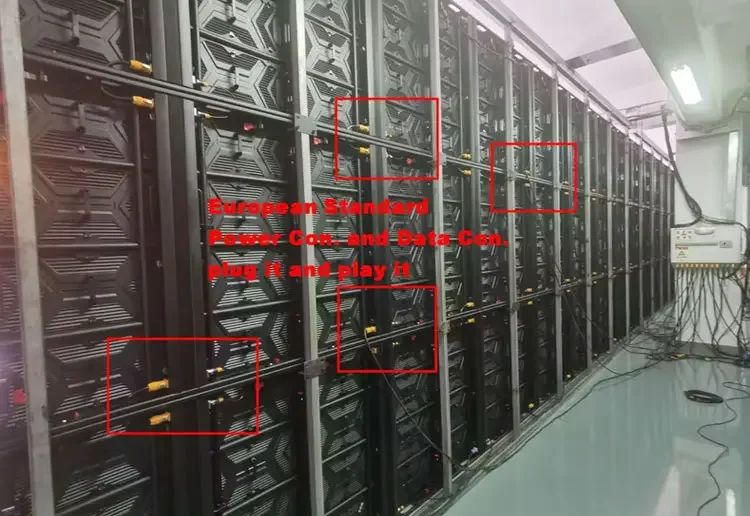
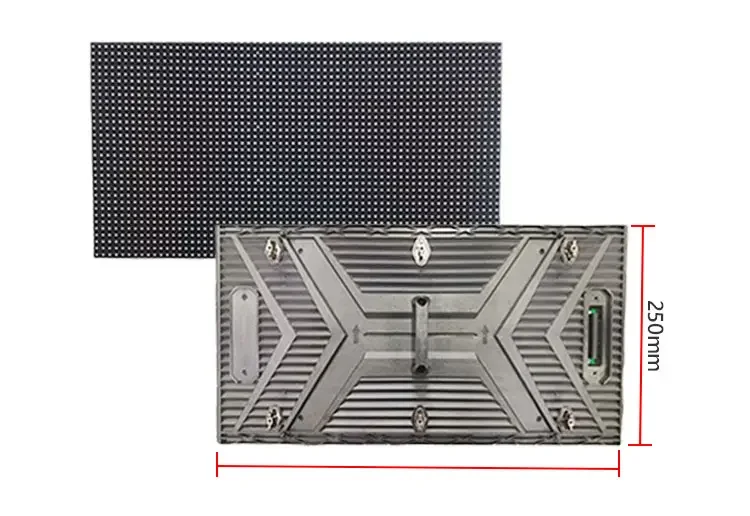
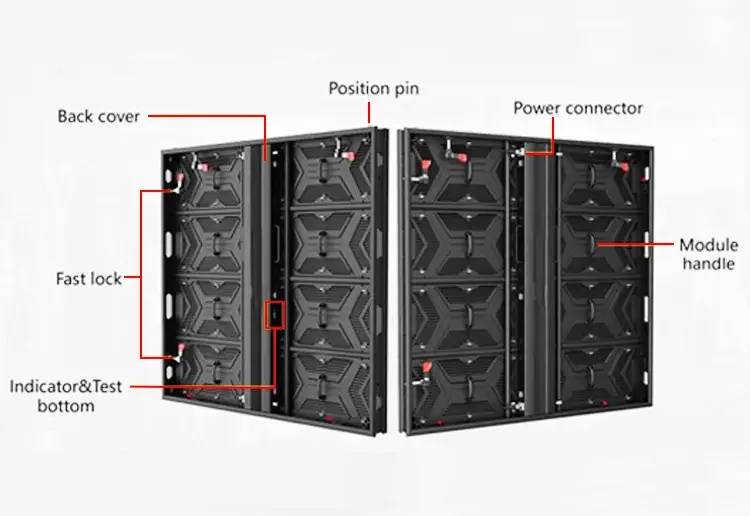
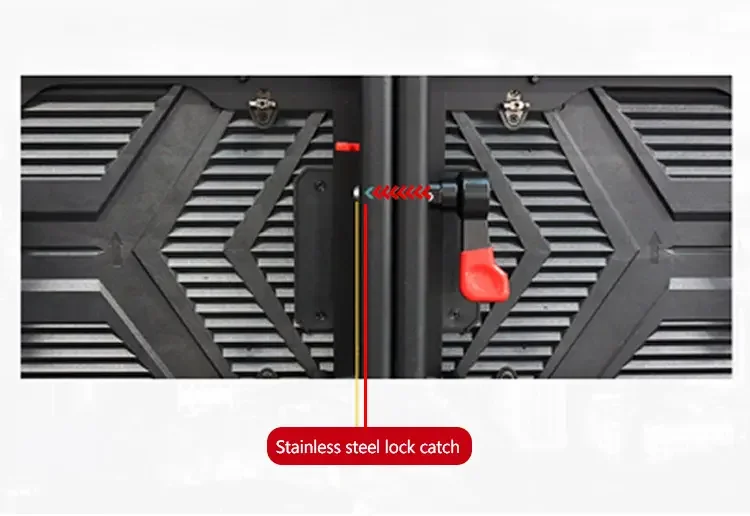
Each OF-BF cabinet uses durable all-aluminum construction and weighs only 23kg, far lighter and more stable than traditional steel. Available in 1000×1000mm, 1000×500mm, 1500×1000mm, and 1500×500mm sizes, it supports both front and rear maintenance. A quick-lock, cable-free HUB design lets a single technician install or service modules quickly without tools.
Energy-Saving Design with Seamless Splicing
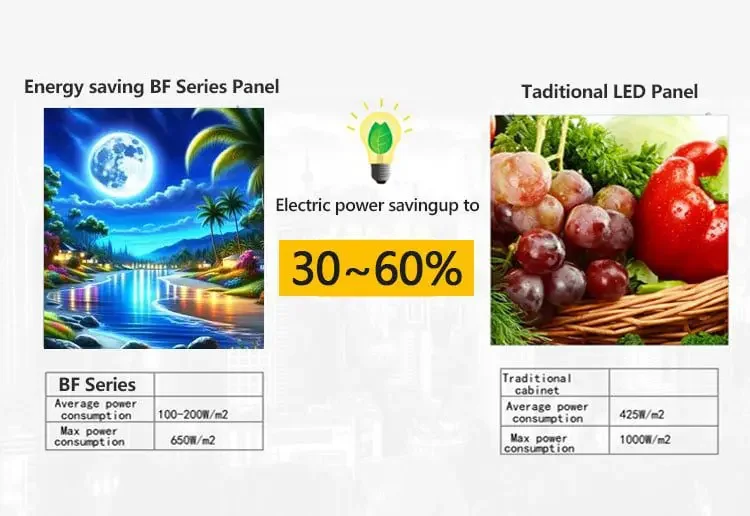
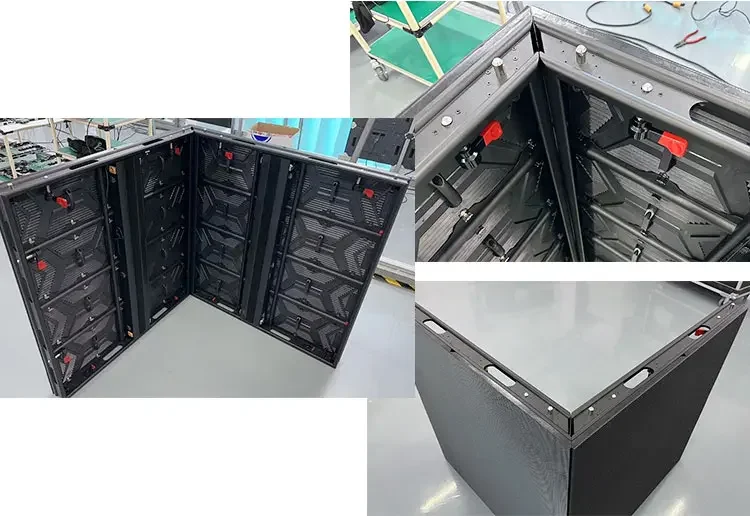
The OF-BF outdoor screen uses a fan-free, low-heat design that saves 30–60% energy compared with conventional outdoor displays, with no air conditioning required. Its high-precision cabinets splice together seamlessly for large-format video walls, and the 90-degree corner solution enables creative right-angle and curved installations.