Table of Contents
Hot Recommendations
Get a Free Quote Instantly!
Talk to Our Sales Team Now.
Outdoor transparent LED advertising displays are becoming an increasingly popular solution for brands, property owners, retail stores, shopping malls, and commercial buildings that need high-impact digital advertising without blocking natural light or architectural visibility. Unlike traditional LED billboards, transparent LED displays combine visual communication with see-through design, making them ideal for glass facades, storefront windows, building exteriors, and urban commercial spaces.
A professional outdoor transparent LED advertising display solution should not only focus on brightness and transparency, but also consider structural safety, waterproof performance, installation method, viewing distance, maintenance access, content control, and long-term operating reliability.
For advertisers and project owners, choosing the right transparent LED display can help create a modern digital advertising platform while maintaining the original appearance and openness of the building.
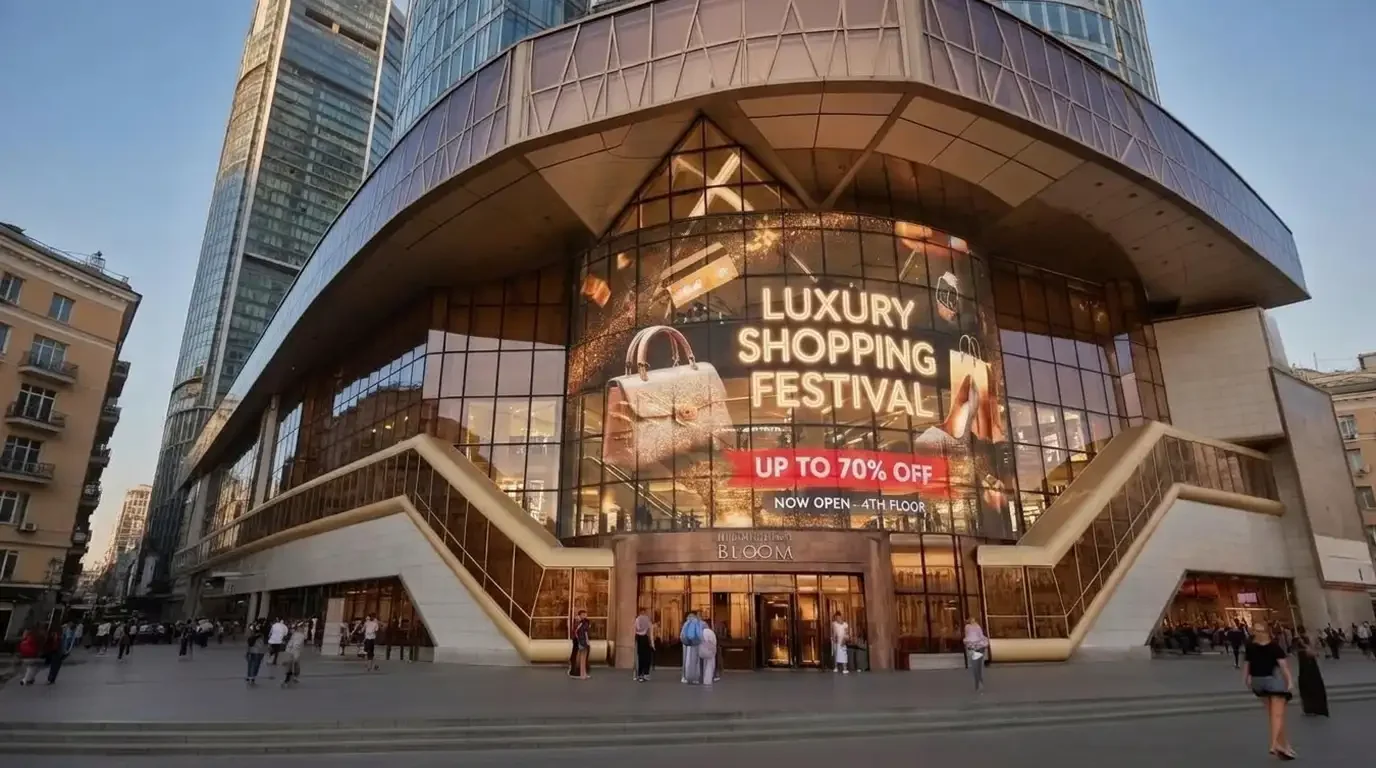
An outdoor transparent LED advertising display is a digital LED screen designed to show videos, images, text, and advertising content while allowing light and visibility to pass through the screen structure. It is usually installed on glass curtain walls, shop windows, building facades, exhibition spaces, transportation hubs, and commercial outdoor environments.
The display uses special LED strip or hollow structure technology to reduce visual obstruction. When the screen is playing content, it creates bright and dynamic visual effects. When the screen is off or showing dark content, people can still see through the glass or display area.
A complete outdoor transparent LED advertising display system normally includes:
Transparent LED modules or LED strips
Lightweight aluminum cabinet or frame
Outdoor waterproof protection
Power supply system
Control system
Video processor
Receiving cards
Signal and power cables
Mounting structure
Content management software
Optional brightness sensor and remote monitoring system
One of the biggest advantages of transparent LED displays is their see-through effect. They allow natural light to enter the building and help maintain the visibility of glass facades or window displays.
This is especially important for retail stores, car showrooms, shopping malls, and commercial buildings where interior visibility and architectural design need to be preserved.
Outdoor transparent LED advertising screens deliver dynamic digital content that attracts more attention than traditional posters, static banners, or printed window graphics. Moving visuals, colorful videos, and scheduled campaigns can create stronger engagement with pedestrians and drivers.
Compared with conventional outdoor LED billboards, transparent LED displays are generally lighter and thinner. This makes them more suitable for glass curtain walls and building facades where structural load must be carefully controlled.
A professional solution should always evaluate the building structure, installation surface, wind load, and maintenance access before confirming the final design.
With a remote content management system, operators can update advertising videos, promotions, public information, and brand campaigns quickly. This reduces printing costs and allows multiple advertisements to be displayed on the same screen at different times.
Transparent LED displays create a futuristic and premium look. They are widely used by fashion brands, technology stores, automotive showrooms, shopping centers, entertainment venues, and landmark commercial buildings.
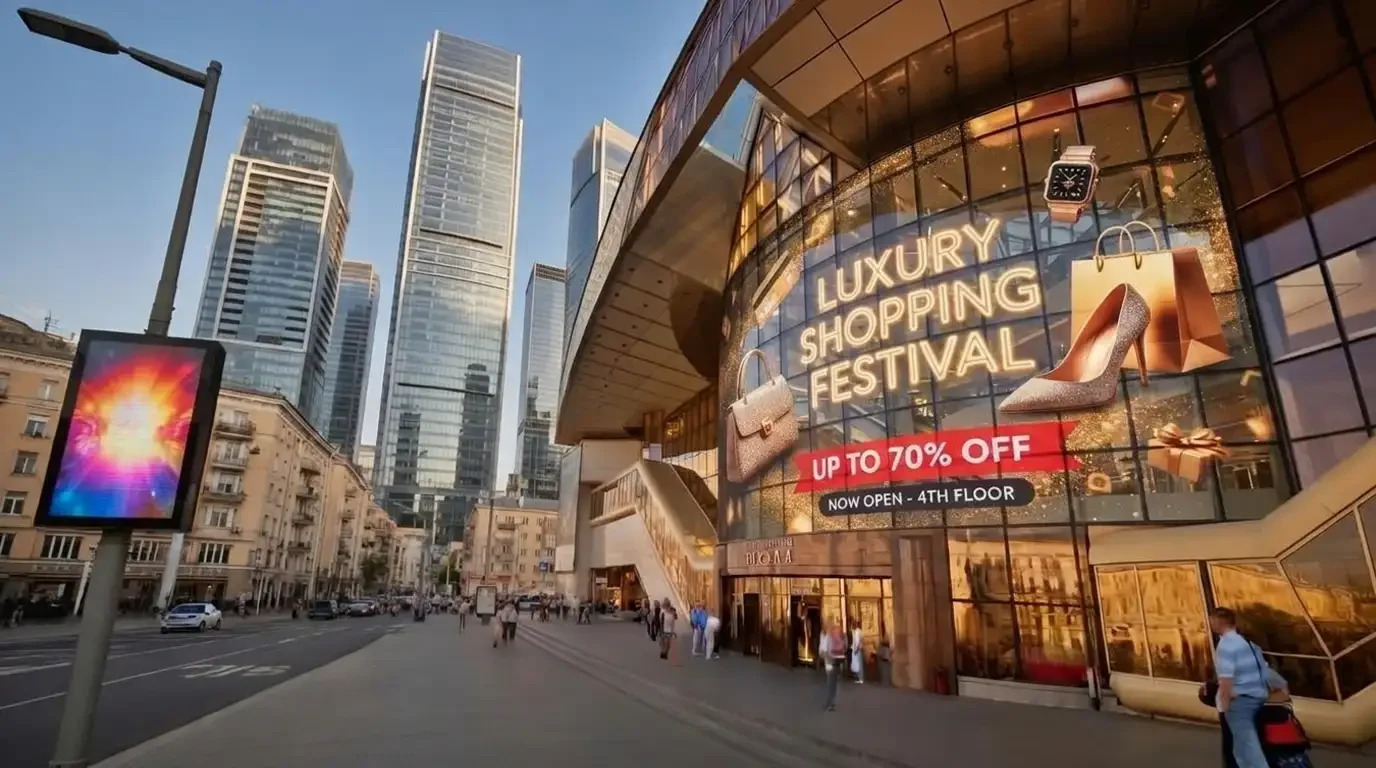
Transparent LED screens are ideal for retail windows because they can display promotional content while keeping the store interior visible. Brands can show product videos, seasonal campaigns, discount messages, or interactive visual content to attract passersby.
For commercial buildings and shopping malls, transparent LED displays can turn glass facades into large-scale digital media surfaces. They provide advertising value without completely covering the building exterior.
Shopping malls can use transparent LED advertising displays on entrance glass walls, atriums, outdoor corridors, and exterior facades to promote events, brands, restaurants, entertainment zones, and tenant campaigns.
Car dealerships and automotive showrooms often use transparent LED displays to show vehicle promotions, launch videos, financing offers, and brand content while keeping cars visible behind the glass.
Airports, railway stations, metro entrances, and bus terminals can use outdoor transparent LED displays for advertising, public guidance, schedules, commercial messages, and emergency notices.
Transparent LED displays can be integrated into building design to create attractive media facades. They are suitable for hotels, cultural centers, office towers, exhibition halls, and city landmark projects.
Transparency rate determines how much light and visibility can pass through the display. A higher transparency rate provides better see-through performance, while a lower transparency rate may offer stronger image density and brightness.
The right balance depends on the project purpose. For retail windows, higher transparency is often preferred. For large outdoor advertising facades, brightness and visual impact may be more important.
Pixel pitch affects image clarity and viewing distance. For outdoor transparent LED advertising displays, common pixel pitch options may include P3.91, P7.81, P10.42, P15.625, or other customized specifications depending on product structure.
Smaller pixel pitch provides better image detail but increases cost and may reduce transparency. Larger pixel pitch provides higher transparency and is suitable for long-distance viewing.
Outdoor environments require high brightness to keep content visible during daytime. The required brightness depends on installation direction, sunlight exposure, viewing angle, and surrounding light conditions.
For glass facade installations, brightness control is also important to avoid excessive glare at night. A professional system should support automatic or scheduled brightness adjustment.
Outdoor transparent LED displays must be designed for rain, humidity, dust, and temperature changes. Waterproof performance should cover the LED modules, power connections, signal interfaces, and cabinet structure.
For fully outdoor installations, the design should use appropriate sealing, drainage, anti-corrosion materials, and weatherproof connectors.
Because transparent LED displays are often installed on building facades or glass structures, wind load calculation is very important. The mounting system should be designed according to local wind conditions, screen size, installation height, and building structure.
A safe solution should include professional structural evaluation and reliable fixing methods.
Long-term outdoor operation creates heat from LED lamps, power supplies, and control systems. Good heat dissipation helps maintain brightness stability and extend product lifespan.
Transparent LED screens often use open or semi-open structures, which can improve natural ventilation. However, power boxes and control parts still need proper thermal design.
Maintenance access should be considered before installation. Depending on the project, the screen may require front maintenance, rear maintenance, modular replacement, or accessible service platforms.
For glass curtain wall projects, front maintenance is often more convenient and reduces future service difficulty.
Outdoor advertising projects usually require flexible content scheduling. A professional control system should support video playback, image display, timed publishing, brightness adjustment, remote monitoring, and multi-screen management.
Network options may include LAN, Wi-Fi, 4G, 5G, or cloud-based control depending on the site environment.
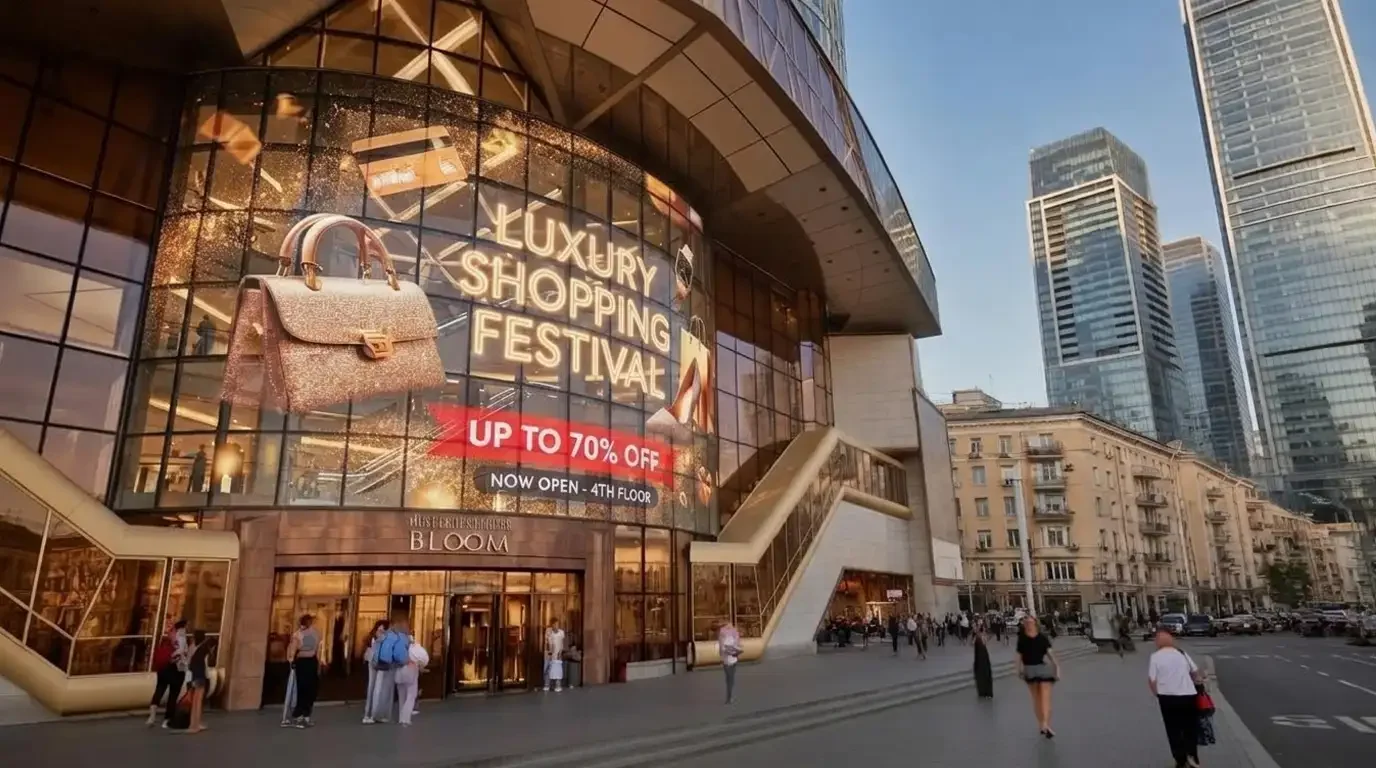
Before selecting a display, confirm whether the screen will be installed behind glass, on the outside of a glass wall, on a building facade, or inside a semi-outdoor area. This affects waterproof level, brightness requirement, cabinet design, and maintenance method.
Viewing distance helps determine pixel pitch. Close viewing requires smaller pixel pitch, while large building facades viewed from far away can use larger pixel pitch for better transparency and cost control.
Higher transparency is not always the best choice if the advertising content requires strong image detail. The best solution should balance transparency, brightness, resolution, and project budget.
Transparent LED displays are lighter than traditional LED screens, but structural safety is still essential. The mounting frame, glass wall, steel structure, and fixing points should be reviewed before installation.
Transparent LED screens perform best with high-contrast visual content, bold text, bright graphics, and simple motion effects. Content should be designed according to screen resolution, viewing distance, and transparency characteristics.
A reliable LED display manufacturer can provide product selection, technical drawings, installation guidance, control system support, and after-sales service. This is especially important for outdoor transparent LED advertising projects where waterproofing, structure, and long-term operation must be carefully managed.
REISSOPTO provides professional transparent LED display solutions for outdoor advertising, retail storefronts, shopping malls, glass curtain walls, commercial buildings, and creative architectural displays. Our solutions focus on transparency, brightness, lightweight design, stable performance, and project customization.
We support different pixel pitches, screen sizes, cabinet structures, installation methods, and control system options according to project requirements. Whether your project is a retail window display, a glass facade advertising screen, or a large commercial building media wall, REISSOPTO can provide practical product recommendations and technical support.
Our outdoor transparent LED advertising display solutions are designed for:
High transparency and modern visual appearance
Bright image performance for outdoor advertising
Lightweight structure for glass facade applications
Weather-resistant outdoor operation
Flexible installation and maintenance
Remote content publishing and screen management
Customized solutions for commercial and architectural projects
The display structure allows light and visibility to pass through, helping maintain the openness of glass walls and storefronts while delivering dynamic advertising content.
High-brightness LED performance ensures clear visibility in outdoor and semi-outdoor environments, making the screen suitable for commercial advertising and public display.
The slim and lightweight design reduces building load pressure and makes installation easier on glass facades, windows, and exterior structures.
Outdoor transparent LED displays are designed with waterproof protection, durable materials, and stable electrical components for reliable long-term use in outdoor environments.
Different pixel pitch options are available to match viewing distance, transparency requirements, content clarity, and project budget.
Operators can update advertisements, schedules, videos, and public messages remotely, improving operating efficiency and reducing manual maintenance.
Modular design and practical maintenance access help reduce downtime and simplify future service work.
An outdoor transparent LED display is a see-through LED screen designed for outdoor advertising, glass walls, storefronts, building facades, and commercial spaces. It shows dynamic digital content while allowing light and visibility to pass through the screen
Outdoor transparent LED displays are widely used for retail windows, shopping malls, glass curtain walls, commercial buildings, automotive showrooms, hotels, airports, transportation hubs, and outdoor advertising projects.
A transparent LED advertising display offers high transparency, bright visual performance, lightweight structure, flexible installation, remote content updates, modern appearance, and strong advertising impact without fully blocking the building view.
Pixel pitch should be selected based on viewing distance, screen size, image clarity, transparency requirement, and budget. Smaller pixel pitch is suitable for closer viewing, while larger pixel pitch is better for long-distance building facade displays.
Yes. A professional outdoor transparent LED display should use waterproof modules, sealed power and signal connections, weather-resistant materials, and a reliable cabinet structure to support long-term outdoor operation.
Yes. Outdoor transparent LED displays can support remote content management through LAN, Wi-Fi, 4G, 5G, or cloud-based control systems, allowing users to update advertising content, schedule playback, adjust brightness, and monitor screen status.

Transparent holographic LED film screen adheres directly to glass, delivering up to 90% see-through 3D visuals, ultra-th...
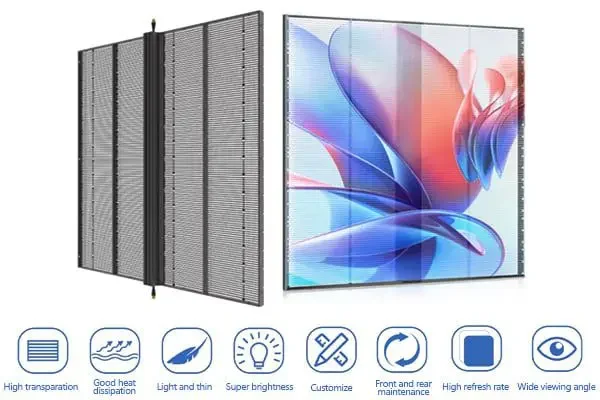
Transparent LED display screen with up to 90% see-through rate, vivid full-color RGB visuals, slim lightweight panels, a...
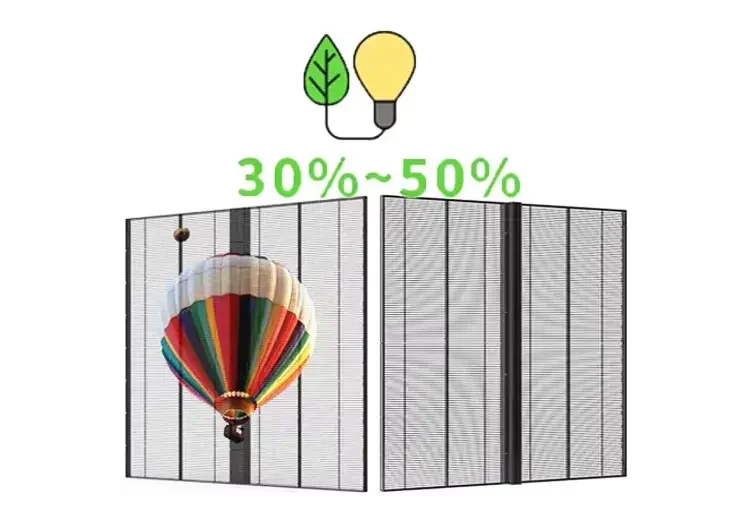
LED transparent screen offers high transparency, vivid visuals, slim design, and bright display performance for glass wa...


If you are interested in our products, please contact us promptly
Reach out to our sales team to explore customized solutions that perfectly meet your business needs and address any questions you may have.
Email Address:info@reissopto.comFactory Address:Building 6, Huike Flat Panel Display Industrial Park, No. 1, Gongye 2nd Road, Shiyan Shilong Community, Bao'an District, Shenzhen city , China
whatsapp:15217757270