

































Bowling LED Display Screen
Bowling LED Display: A Comprehensive Guide
Bowling LED displays are an essential component of modern bowling alleys, offering real-time scoring, animated visuals, advertising opportunities, and an engaging atmosphere for players. These displays enhance the overall bowling experience with entertainment-focused features, while also providing operational benefits for the business.
This guide covers the types, features, benefits, applications, and costs of LED displays for bowling centers.
Types of Bowling LED Displays
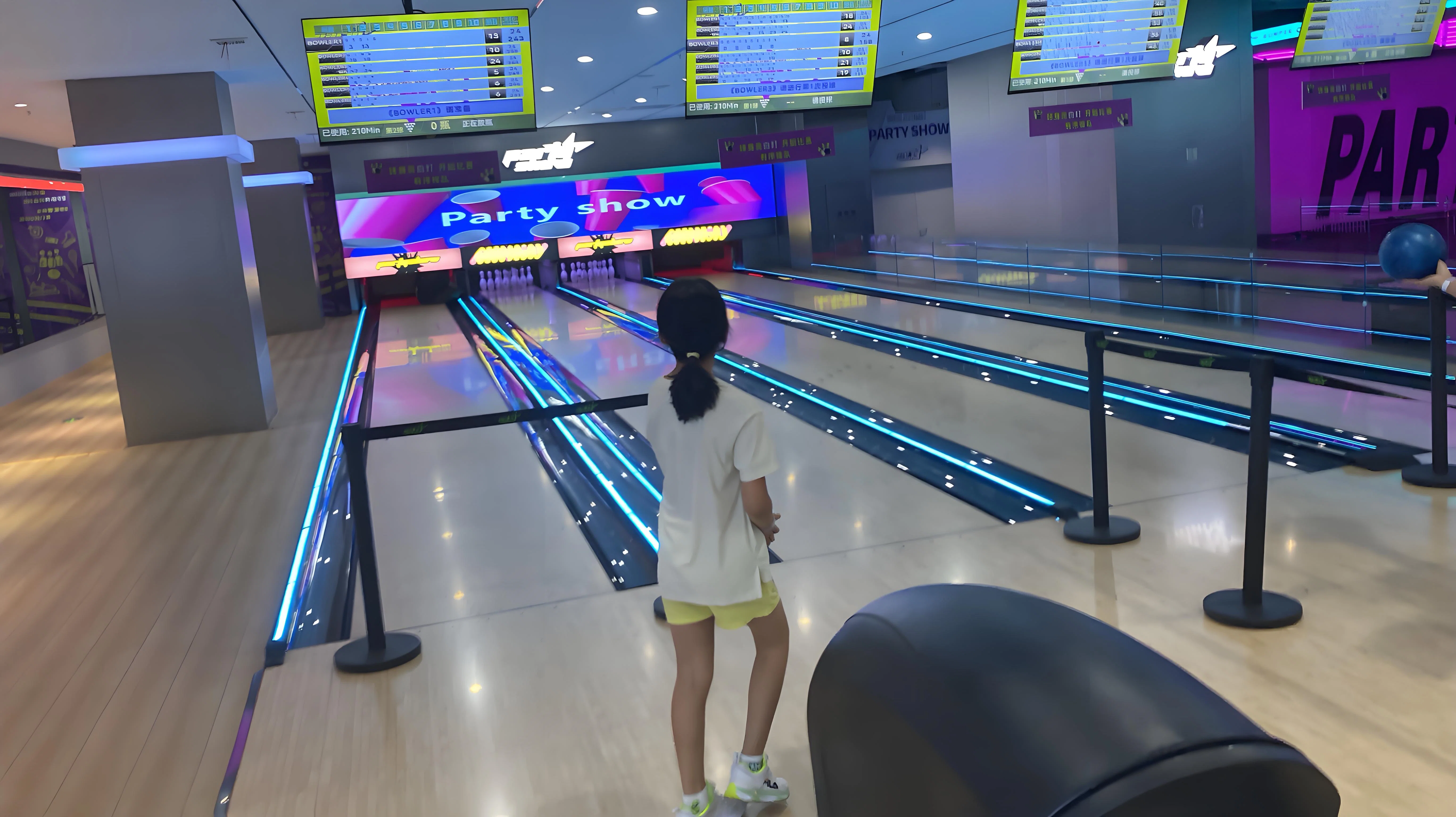
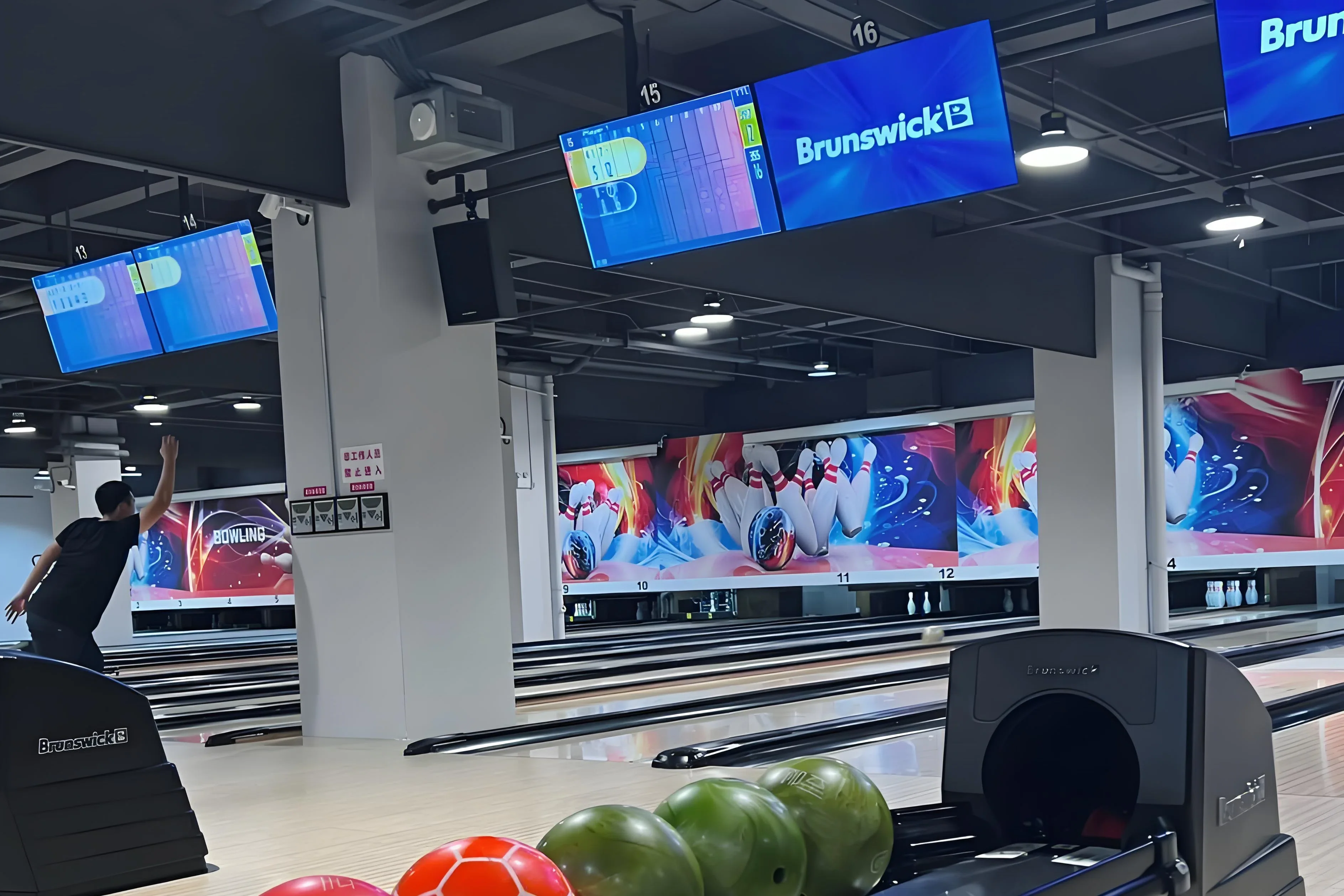
1. Overhead Scoring Displays
Location: Mounted above the bowling lanes.
Purpose: Show real-time player scores, strike animations, and lane-specific information.
Features:
High-resolution displays for text, graphics, and animations.
Multiple screens can cover several lanes simultaneously.
2. Front-of-Lane Displays
Location: Positioned near the end of bowling lanes.
Purpose: Provide lane status, advertisements, or animated effects when pins are knocked down.
Features:
Durable construction to withstand impact from bowling balls.
Bright and clear visuals for visibility across the bowling alley.
3. Wall-Mounted Video Walls
Location: Installed on the walls of the bowling center.
Purpose: Create a dynamic atmosphere with entertainment visuals, promotions, or live broadcasts.
Features:
Large, seamless LED video walls for high-impact visuals.
Supports live feeds, music videos, or custom branding.
4. Advertising and Digital Signage Displays
Location: Throughout the bowling alley (entrance, snack bars, or waiting areas).
Purpose: Showcase promotions, sponsorship ads, or event schedules.
Features:
Dynamic content support for videos, images, and text-based announcements.
Energy-efficient panels for 24/7 operation.
5. Interactive LED Displays
Location: Installed in arcade or entertainment areas within the bowling center.
Purpose: Allow users to engage with touch-based games, interactive scoring systems, or photo walls.
Features:
Responsive touch functionality.
Customizable software for interactive games and features.
Key Features of Bowling LED Displays
| Feature | Description |
|---|---|
| High Resolution | Pixel pitches ranging from P2–P5, delivering sharp and clear visuals. |
| Dynamic Content Support | Capable of displaying real-time scores, animations, videos, and ads. |
| Durable Construction | Designed to withstand accidental impacts or frequent use. |
| Wide Viewing Angles | Up to 160° horizontal, ensuring visibility from anywhere in the bowling alley. |
| Custom Sizes | Modular panels allow for custom dimensions, fitting various spaces. |
| Seamless Integration | Compatible with bowling scoring systems (e.g., QubicaAMF, Brunswick). |
| Energy Efficiency | Low power consumption for long-term operation. |
| Interactive Capabilities | Available for touch-based displays and interactive scoreboards. |
| High Refresh Rate | Smooth visuals for animations and video playback. |
Benefits of Bowling LED Displays
1. Improved Player Engagement
Display real-time scores, fun animations, and player statistics, keeping bowlers entertained and informed.
2. Enhanced Atmosphere
LED displays create a vibrant and modern ambiance, with dynamic visuals and promotional content.
3. Additional Revenue Streams
Use displays for advertising sponsorships, event promotions, and menu boards to generate extra income.
4. Seamless Integration with Scoring Systems
Fully compatible with popular bowling scoring platforms, ensuring automatic updates of game information.
5. Versatility
Displays can be used for non-bowling events, such as birthday parties, corporate events, or sports broadcasts.
6. Low Maintenance
LED screens are built for durability and are easy to maintain, with front-serviceable panels for quick repairs.
Applications of Bowling LED Displays
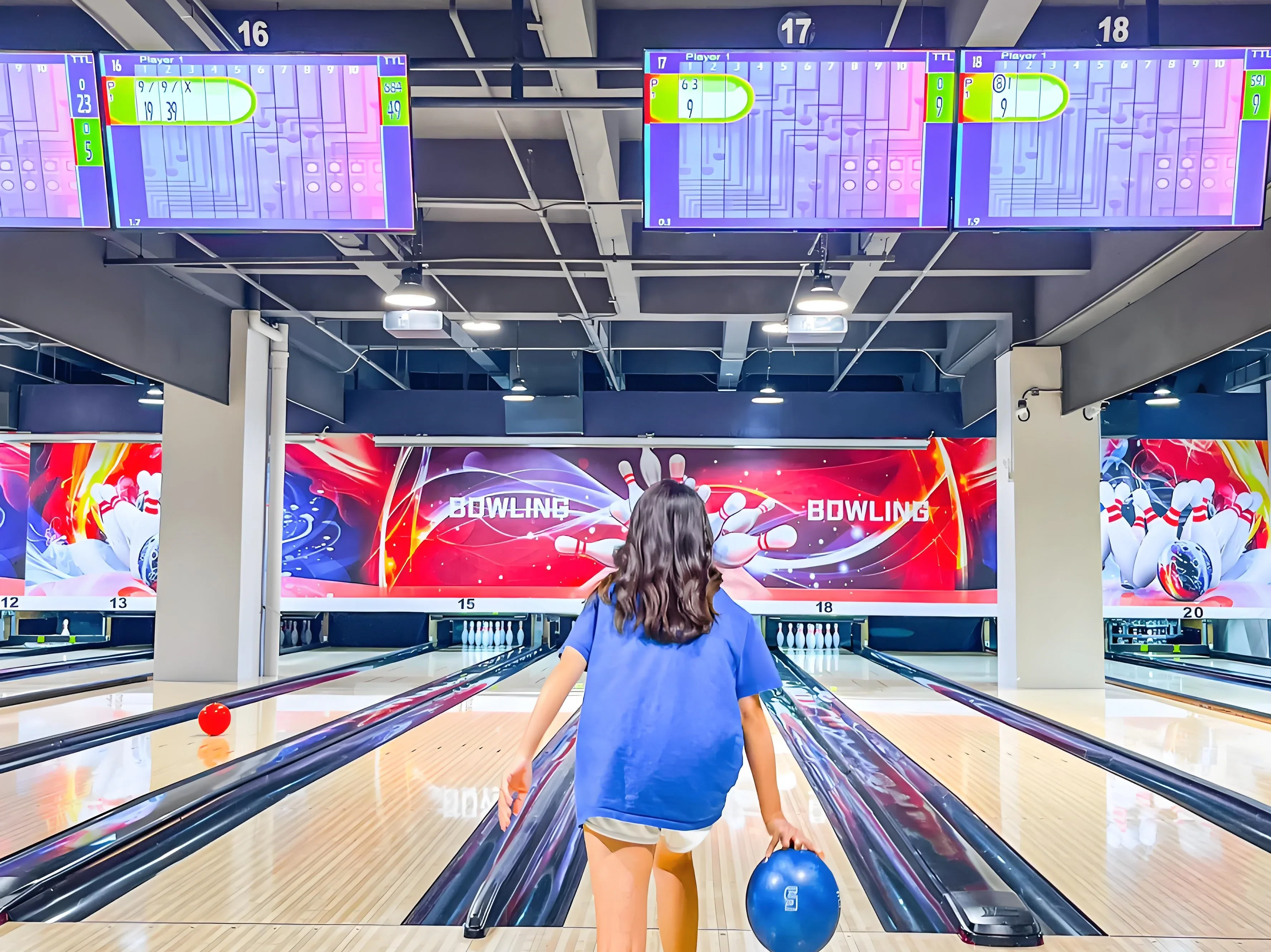
1. Real-Time Scoring Systems
Display scores, player names, and team rankings for each lane.
2. Entertainment and Animations
Show fun animations for strikes, spares, and gutter balls to keep the experience lively and enjoyable.
3. Advertising and Promotions
Showcase sponsor ads, upcoming events, or special offers during gameplay or in lobby areas.
4. Themed Events
Adapt the visuals for cosmic bowling nights, holiday events, or corporate tournaments.
5. Digital Menu Boards
Use displays in snack bars or cafes to highlight food and drink menus, specials, and combo offers.
6. Live Broadcasts
Turn the bowling alley into a multi-purpose entertainment space by broadcasting sports games, concerts, or movies on wall-mounted LED screens.
Pixel Pitch for Bowling LED Displays
Choosing the right pixel pitch ensures clear and sharp visuals based on the viewing distance. Here’s a quick guide:
| Pixel Pitch | Viewing Distance | Best Use Case |
|---|---|---|
| P2–P3 | 1–5 meters | Overhead scoring screens, interactive displays, or menu boards. |
| P4–P5 | 5–10 meters | Wall-mounted video walls or lane-end displays. |
Cost of Bowling LED Displays
The cost of bowling LED displays varies depending on the size, resolution, features, and quantity purchased. Below is a general price guide:
| Screen Type | Pixel Pitch | Size | Price Range (USD) | Best Use Case |
|---|---|---|---|---|
| Overhead Scoring Displays | P2–P3 | 2m x 1m | $5,000–$10,000 | Real-time scoring above lanes. |
| Front-of-Lane Displays | P3–P4 | 3m x 2m | $8,000–$15,000 | Lane-end animations and messages. |
| Wall-Mounted Video Walls | P4–P5 | 5m x 3m | $20,000–$50,000 | Entertainment and branding visuals. |
| Digital Signage Displays | P2–P4 | 1.5m x 1m | $2,000–$7,000 | Advertising and promotional boards. |
| Interactive LED Displays | P2–P3 | 2m x 1.5m | $10,000–$20,000 | Touch-based games and interactive scoring. |
Additional Costs to Consider
Installation
Professional mounting and wiring can cost $2,000–$10,000, depending on complexity.
Content Management System (CMS)
Software for managing content and scoring integration costs $1,000–$5,000.
Maintenance
Annual maintenance costs range from 5–10% of the screen price.
How to Choose the Right Bowling LED Display
1. Define Your Needs
Determine if the display will be used for scoring, advertising, or entertainment.
Choose a pixel pitch and size suitable for the viewing distance.
2. Check Compatibility
Ensure the display integrates seamlessly with your bowling scoring system (e.g., QubicaAMF, Brunswick).
3. Consider Durability
For lane-end displays, ensure the screens are impact-resistant and built for long-term use.
4. Plan for Installation
Work with professional installers to ensure proper mounting, calibration, and wiring.
5. Budget for Maintenance
Factor in regular cleaning, diagnostics, and potential repairs to keep displays running smoothly.