



































Buy LED Display Screen for Indoor and Outdoor Use: Complete Guid
The demand for LED display screens has grown exponentially across commercial, corporate, and public spaces. From conference rooms to stadiums, from retail showrooms to public outdoor advertising, LED displays offer unmatched brightness, flexibility, and durability. Whether you are looking to buy LED display screen for indoor or outdoor use, understanding key features, applications, and installation considerations is crucial to make an informed decision.
What is an LED Display Screen?
An LED display screen is an electronic display module that uses light-emitting diodes to display content such as images, videos, and text. Compared to traditional displays like LCD or projector screens, LED panels provide:
High brightness for visibility in daylight
Wide viewing angles for consistent image quality
Long lifespan with low maintenance requirements
Scalability to build large-format screens without visible seams
Indoor and outdoor LED displays share these core features but differ in design specifications, including brightness, pixel pitch, and durability.
Indoor vs Outdoor LED Display Screens
Indoor LED Display Screens
Indoor LED displays are optimized for closer viewing distances and controlled lighting environments. Key features include:
Small pixel pitch (P0.9, P1.2, P1.5) for higher resolution
Lower brightness (typically 600–1200 nits) to avoid glare
Lightweight, modular design for easy installation and maintenance
Applications: conference rooms, control centers, retail displays, classrooms, and auditoriums.
Outdoor LED Display Screens
Outdoor LED displays are built to withstand harsh environmental conditions and long viewing distances. Key features include:
High brightness (up to 8000 nits) for visibility under direct sunlight
Weatherproof design (IP65 or higher) to resist rain, dust, and wind
Larger pixel pitch (P4, P6, P8) for distant viewing
Robust structure to handle long-term continuous operation
Applications: billboards, stadiums, transportation hubs, outdoor events, and public signage.
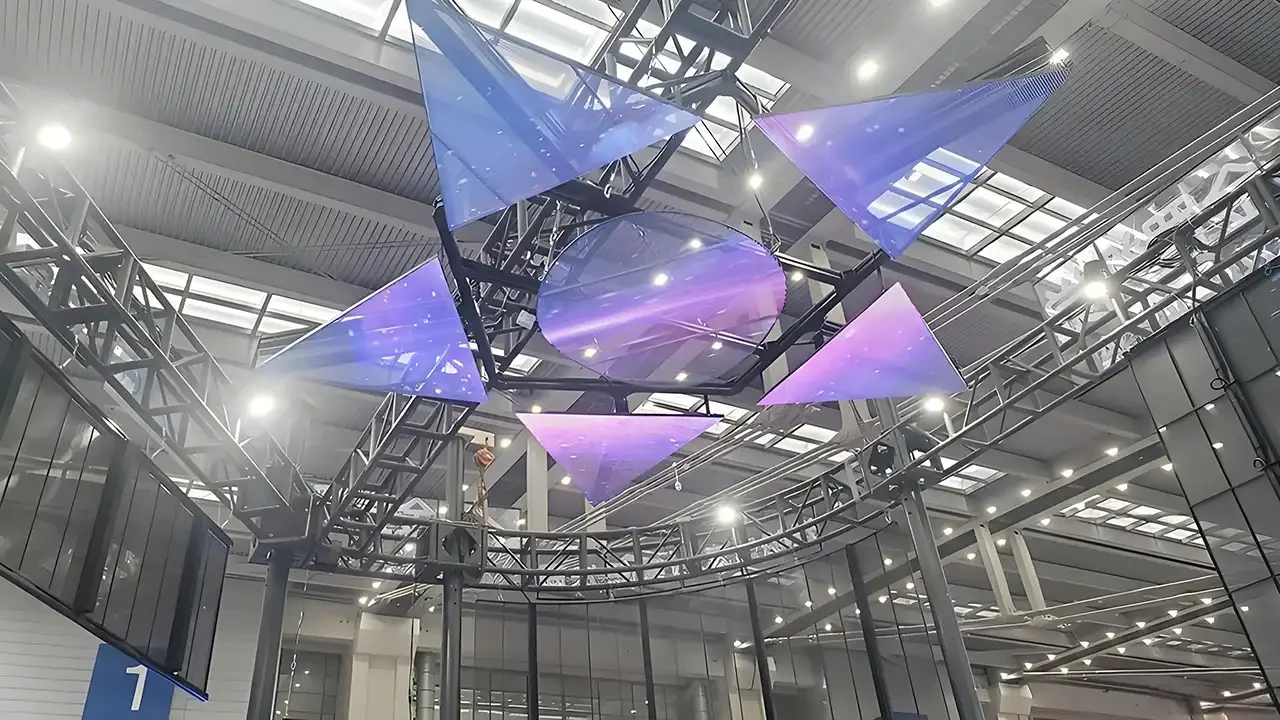
Key Features to Consider Before Buying
1. Pixel Pitch
Pixel pitch determines the distance between LED diodes and directly affects image clarity. Indoor displays require smaller pixel pitches for detailed visuals, while outdoor displays can use larger pitches to reduce cost while maintaining visibility from a distance.
2. Brightness and Contrast
Indoor screens: moderate brightness to match room lighting
Outdoor screens: high brightness to remain visible in daylight
Contrast ratio ensures images are vivid and colors accurate
3. Refresh Rate
A higher refresh rate reduces flickering and ghosting, crucial for broadcasting, video walls, or events where cameras record the display.
4. Viewing Angle
Wide viewing angles allow consistent visibility for audiences from different positions.
5. Durability and Maintenance
Outdoor displays need waterproof, dustproof, and UV-resistant components. Modular designs simplify maintenance and minimize downtime.
Applications of Indoor and Outdoor LED Displays
Corporate Spaces: Meeting rooms, boardrooms, and multipurpose halls
Retail and Advertising: Showrooms, malls, and outdoor billboards
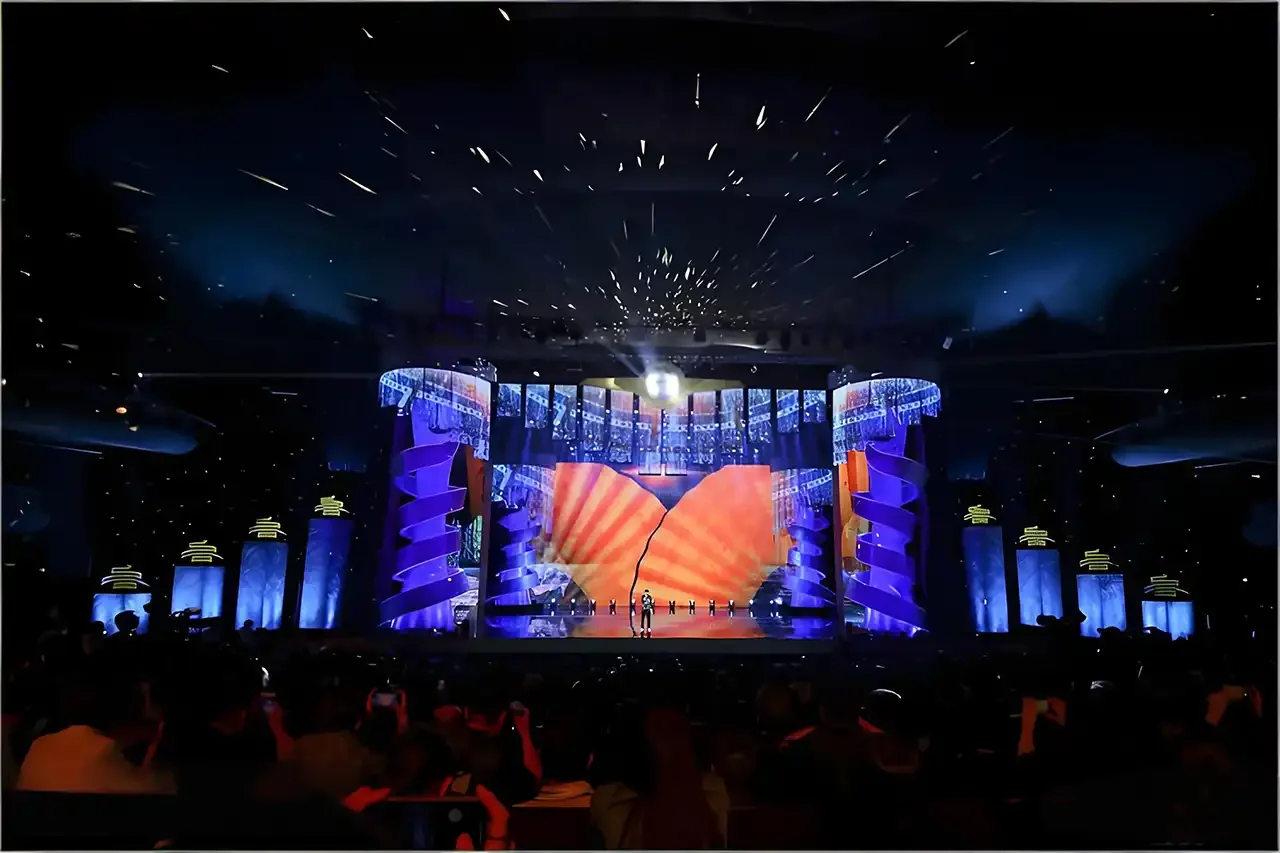
Sports and Entertainment: Stadium screens, concert backdrops
Education and Training: Classrooms, lecture halls, and interactive displays
Control Centers: Surveillance, monitoring, and operation rooms
Advantages of LED Display Screens
Flexibility: Scalable panels for various sizes and shapes
High Visual Quality: Bright, sharp, and seamless images
Energy Efficiency: Lower power consumption than traditional displays
Long Lifespan: Typically over 100,000 hours of operation
Low Maintenance: Modular designs allow easy replacement of damaged modules
How to Choose the Right LED Display Screen
Define Your Use Case: Indoor or outdoor, short or long viewing distance
Determine Size and Resolution: Based on space dimensions and audience distance
Check Environmental Requirements: Waterproofing, temperature range, and structural support
Evaluate Manufacturer Reliability: Choose experienced LED display manufacturers for warranty, support, and installation services
Consider Total Cost of Ownership: Include installation, maintenance, and energy consumption
Reissopto Brand Advantages
As a professional LED display manufacturer, Reissopto provides high-quality indoor and outdoor LED screens with superior performance and reliability. Key advantages include:
Complete Manufacturing Chain: From LED module production to full-screen assembly and calibration
Versatile Product Range: Multiple pixel pitch options for indoor and outdoor applications
Project Experience: Expertise in installations across corporate, retail, and public environments
Long-Term Reliability: Stable performance under extended operation and varied environmental conditions
Frequently Asked Questions (FAQ)
1. Can LED display screens be used both indoors and outdoors?
Yes, but indoor and outdoor displays have different specifications, such as brightness, pixel pitch, and weatherproofing.
2. How do I choose the right pixel pitch?
Pixel pitch should match the viewing distance: smaller pitches for close-range indoor viewing, larger pitches for outdoor distance viewing.
3. What is the typical lifespan of an LED display screen?
High-quality LED displays can last over 100,000 hours, depending on usage, environmental conditions, and maintenance.
4. Are LED display screens energy efficient?
Yes, LED displays consume less power compared to projectors and LCD video walls while delivering high brightness.
5. How is maintenance handled for LED screens?
Most professional LED displays are modular, allowing easy replacement of faulty modules without affecting the entire screen.
6. Can outdoor LED displays withstand extreme weather?
Outdoor LED screens are built with waterproof, dustproof, and UV-resistant components to ensure reliability in various weather conditions.
Conclusion
Buying an LED display screen for indoor or outdoor use requires understanding technical specifications, environmental factors, and intended applications. Choosing a reliable manufacturer ensures high-quality performance, long-term stability, and minimal maintenance. By considering pixel pitch, brightness, viewing distance, and durability, you can select the perfect LED display screen for your specific needs.