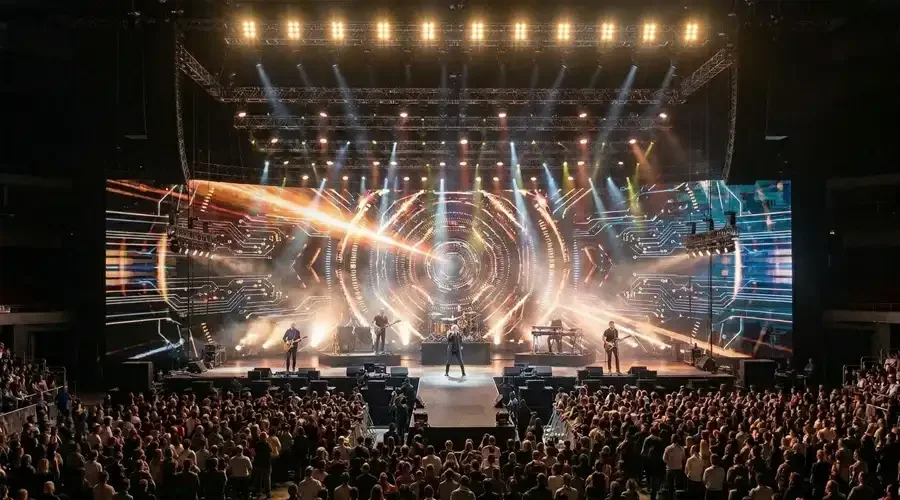



































Ultimate Guide to LED Dance Floor
LED dance floors have revolutionized the way venues and events engage audiences. From weddings and corporate functions to nightclubs and art exhibitions, these luminous platforms combine technology, aesthetics, and interactivity, offering an unforgettable experience. This guide explores every aspect of LED dance floors: their types, benefits, installation, maintenance, and creative applications, providing a complete reference for anyone looking to enhance an event space with light and motion.
What Is an LED Dance Floor?
An LED dance floor is a specialized flooring system embedded with light-emitting diodes (LEDs). These floors can display vivid colors, dynamic patterns, and animations, often synchronized with music or interactive motion sensors. Unlike traditional floors or static lighting, LED dance floors offer an immersive visual and interactive experience, making them a centerpiece for entertainment and events.
The energy-efficient LEDs used in these floors provide long-lasting performance while allowing complete control over color schemes and visual effects. From soft glows to bold, animated sequences, LED dance floors adapt to any design vision.
The Rise of LED Dance Floors in Event Spaces
Events are increasingly seeking memorable experiences. Traditional lighting and décor no longer suffice in engaging guests fully. LED dance floors provide:
Visual spectacle: A dazzling effect that draws attention.
Interactivity: Floors respond to movement, creating a dynamic environment.
Versatility: Suitable for weddings, nightclubs, corporate events, and installations.
Customization: Patterns, logos, and brand motifs can be integrated.
Seamless integration: Sync with music and other lighting systems for immersive experiences.
LED dance floors transform ordinary venues into spaces of energy, excitement, and elegance, turning every step into a visual show.

Benefits of LED Dance Floors
Visual Impact That Captivates
An LED floor immediately transforms the atmosphere. Dynamic lighting enhances the mood, whether it’s romantic tones for weddings or high-energy illumination for clubs and parties.
Customization and Branding
Advanced LED floors allow full customization:
Colors and gradients
Dynamic animations
Logos or personalized graphics
Themed patterns for special events
Custom designs ensure that every event is unique and memorable.
Guest Engagement and Interaction
Interactive floors respond to foot traffic and music, creating a more engaging experience than static lighting. This encourages dancing and participation, heightening the energy of any event.
Energy Efficiency
LED technology consumes significantly less power compared to traditional lighting. Even large-scale installations remain cost-effective.
Durability and Longevity
High-quality LED floors withstand heavy foot traffic and repeated use. With proper maintenance, these floors remain functional for thousands of hours, making them suitable for both temporary and permanent installations.
Types of LED Dance Floors
Modular LED Panels
Individual panels are linked to create a customizable surface. Modular designs make installation and storage convenient, ideal for venues requiring flexibility.
Interactive LED Floors
Motion or pressure sensors trigger responsive lighting effects, creating a dynamic, interactive environment for dancers.
Transparent LED Floors
These floors combine glass or acrylic with underlying LEDs, allowing light to shine through and creating a modern, sophisticated appearance.
Wireless LED Floors
Wireless LED floors reduce cable clutter, simplifying setup. They are perfect for temporary installations or portable events.
Custom-Shaped LED Floors
Curved, circular, or uniquely shaped LED floors allow designers to tailor the space to match the event theme or artistic vision.

Features to Consider When Selecting an LED Dance Floor
Brightness and Color Options
Brightness ensures visibility in various lighting conditions, while an extensive color range expands creative possibilities.
Refresh Rate
A high refresh rate ensures smooth transitions and prevents flicker, especially important for live video recording or photography.
Durability and Weight Capacity
Ensure the floor can safely support multiple dancers and frequent use without damaging LEDs.
Control Systems
User-friendly control systems allow event managers to program lighting sequences, animations, and music synchronization easily.
Integration With Audio and Lighting
Seamless integration with music and venue lighting systems enhances the overall immersive experience.
How LED Dance Floors Work
LED dance floors combine hardware and software systems:
LED Modules – Panels embedded with LEDs form the surface.
Control Software – Directs colors, patterns, and animations.
Sensors (Optional) – Trigger effects based on movement or pressure.
Power and Connectivity – Panels are powered and may connect to DMX controllers or computers.
This combination allows floors to create dynamic, interactive visual experiences.
Creative Applications of LED Dance Floors
Weddings
Use LED floors to display romantic patterns, monograms, or themed colors, creating a memorable atmosphere for the celebration.
Nightclubs
High-energy floors synchronized with music enhance guest engagement and maintain lively energy on the dance floor.
Corporate Events
LED floors display branding, logos, or product visuals, making a strong impact during launches or promotional events.
Fashion Shows
Runways can integrate LED panels to highlight designs, adding a futuristic aesthetic.
Art Installations
Artists and designers use LED floors for interactive exhibits, blending technology with visual arts.
Installation Guide
Step 1: Measure the Venue
Accurate measurements ensure proper panel count and avoid gaps in the floor surface.
Step 2: Ensure Structural Support
Confirm that the subfloor can support the panels and crowd weight.
Step 3: Prepare the Base
A level and stable base is essential for panel alignment and long-term durability.
Step 4: Connect Power and Controls
Secure wiring, power supplies, and software controllers for proper operation.
Step 5: Test the System
Run full diagnostics of panels, sensors, and software before the event.
Step 6: Sync With Music or Effects
For synchronized effects, calibrate lighting sequences with audio tracks.
Step 7: Conduct Safety Checks
Secure all edges and cables to prevent tripping or electrical hazards.
Maintenance Tips
Clean surfaces using non-abrasive cleaners.
Inspect LED modules for dimming or failures.
Keep software updated for optimal performance.
Store modular panels safely between events.
Check connections regularly to maintain smooth operation.

LED Dance Floor Cost Overview
Pricing depends on size, complexity, and features:
| Component | Typical Price Range |
|---|---|
| Modular Panels | $50–$150 each |
| Control Software | $100–$500 |
| Motion Sensors | $50–$200 per unit |
| Installation | $500+ depending on complexity |
| Custom Graphics | $200–$1,000+ |
Costs vary depending on whether the installation is temporary or permanent.
Safety Guidelines
Use certified power sources and avoid water exposure.
Ensure weight capacity for all participants.
Secure cables and panel edges to prevent accidents.
Confirm indoor or outdoor ratings for the specific floor type.
Frequently Asked Questions (FAQ)
1. What is an LED dance floor?
A floor embedded with LEDs that displays colors, patterns, and animations, often synchronized with music or motion.
2. Where can LED dance floors be used?
Suitable for weddings, nightclubs, corporate events, fashion shows, and art installations.
3. How do LED dance floors work?
LED panels connect to a control system that manages lighting effects; optional sensors can trigger animations based on movement or music.
4. Are LED dance floors safe to walk on?
Yes, when installed correctly, high-quality floors are durable and support crowd weight safely.
5. Can LED dance floors be customized?
Yes, including colors, patterns, graphics, and logos for branding or event themes.
Future Trends in LED Dance Floor Technology
AR and VR Integration – Floors respond to augmented reality apps.
Haptic Feedback – Floors provide tactile interaction.
AI-Driven Patterns – Automated lighting effects adapting to music or movement.
Wireless Connectivity – Simplifies installation and mobility.
These trends point toward more immersive, intelligent, and interactive floors.
Choosing the Right LED Dance Floor
Determine event type and size.
Check whether the floor is for indoor or outdoor use.
Consider the number of participants.
Decide if music synchronization is required.
Evaluate whether custom graphics or logos are needed.
Conclusion
LED dance floors are more than just illuminated surfaces. They create immersive, interactive environments that enhance guest experience and elevate any event space. With customizable designs, motion-responsive effects, and endless creative possibilities, LED dance floors transform ordinary venues into dynamic, unforgettable experiences.
By integrating LED dance floors into weddings, nightclubs, corporate events, or art installations, every step becomes part of the visual show, leaving lasting impressions for attendees.