
Most LED display specifications are written for darkness, or at least for the kind of controlled ambient light that indoor arenas and evening events provide. A large-scale outdoor summer concert in the United States — running from early afternoon through to late evening under direct sun — is a fundamentally different operating environment.
Brightness figures that look impressive on a specification sheet disappear quickly when a screen is competing with 100,000 lux of direct sunlight in the middle of a July afternoon.
This is where most standard rental LED configurations fall short. And it is the reason this production required a different approach.
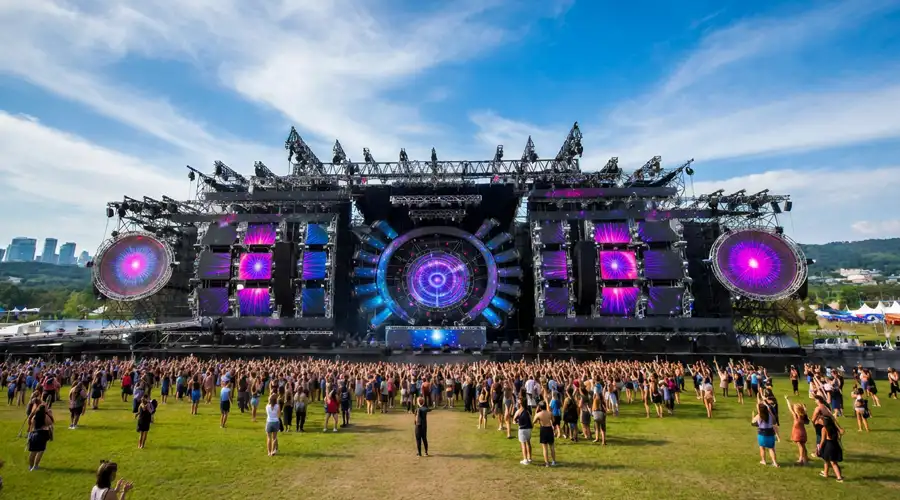
The production team evaluated several conventional rental LED configurations during the pre-production phase. The core issue was consistent: panels that perform adequately at night or in shaded conditions simply cannot sustain the brightness output needed for visible, high-quality image reproduction under direct overhead summer sun. Content washes out. Colors flatten. The visual experience the audience paid for disappears.
The specification needed to start from outdoor daytime performance — not indoor performance with outdoor conditions added as an afterthought.
For a large-scale outdoor stage in full summer sun, the main display system was specified at high-brightness output — sustaining consistent visibility across the full afternoon and early evening program before transitioning into the higher-contrast conditions of the night headliners.
Brightness uniformity across the full screen surface was equally critical. A display that hits peak brightness at its centre but rolls off toward the edges creates visible inconsistency that broadcast cameras expose immediately. The system deployed here maintained tight uniformity tolerance across the entire display area throughout the full operating day.
Pixel pitch selection for large outdoor concert environments is determined primarily by minimum audience viewing distance and content type. At the viewing distances typical of a major festival main stage — where the furthest audience positions can extend several hundred metres from the screen — the selected pitch delivered clean, readable image reproduction for both live camera feeds and motion graphic content without unnecessary over-specification that would have added cost and weight without visible benefit.
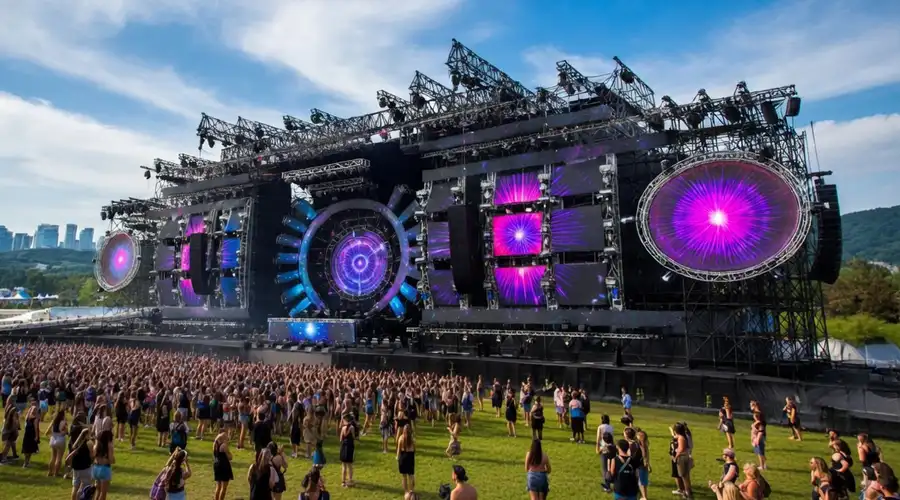
An outdoor LED display running at high brightness output in direct summer sun is managing two simultaneous heat loads: the ambient temperature of the environment and the thermal output of the display itself. In the southern United States in July, ambient temperatures regularly exceed conditions that standard display thermal management systems are designed around.
The display system deployed here incorporated active thermal management rated for sustained high-temperature operation — maintaining stable performance and consistent color output from the first content playback in the early afternoon through to the final headline act after dark.
A consistent issue with under-specified outdoor display systems in high-heat environments is thermal throttling — where the display system reduces brightness output automatically to protect components during peak temperature periods. This typically occurs precisely when the display is under the highest ambient light load and needs maximum brightness most.
The system here logged no thermal events across the full operating day. Brightness output remained consistent from load-in through to show close.
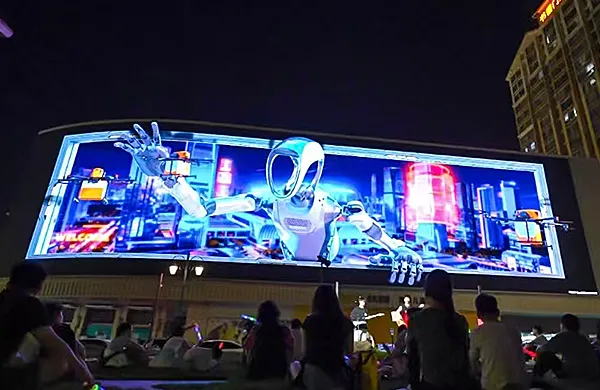
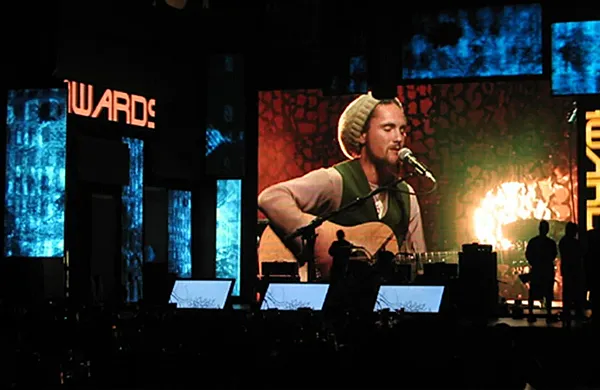
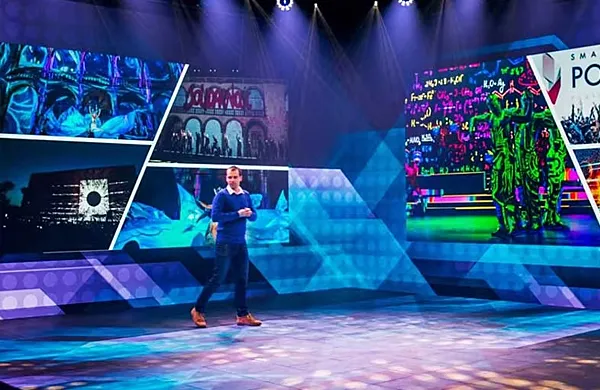
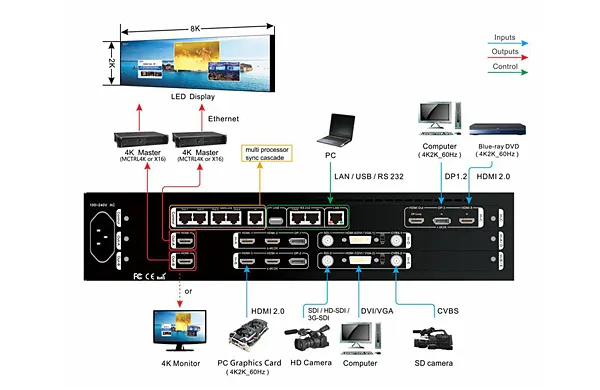
The full display infrastructure covered the main stage screen, two large-format side screens for wide-angle audience viewing, and a series of delay screens positioned further back in the audience area to serve the full site. All screens operated on a synchronised content management system, allowing the production's video director to push live camera feeds, pre-produced content, and real-time graphics simultaneously across all display surfaces.
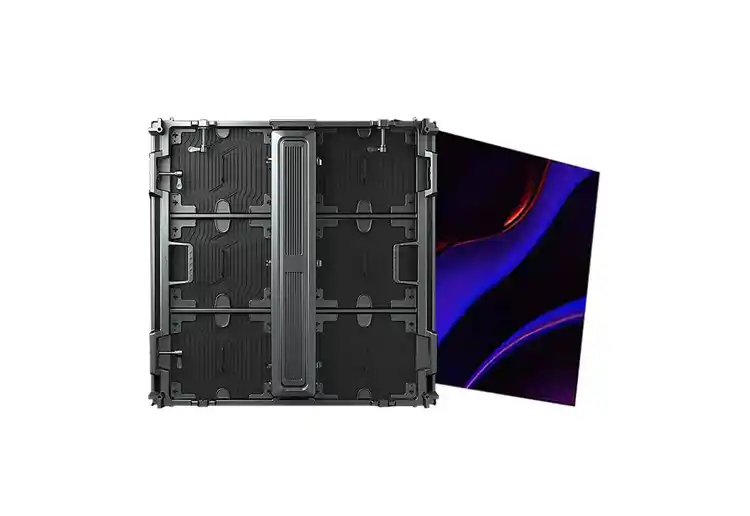
Festival production schedules leave no room for extended installation windows. The modular panel system was designed for rapid assembly and rigging — with the full main stage screen and both side screens completed within the allocated build time and signed off for rehearsal the evening before doors opened.
The concert included live broadcast coverage, placing additional technical requirements on the display system beyond what a non-broadcast production would demand. High refresh rate specification ensured clean, flicker-free capture across all camera configurations used by the broadcast crew — including high-speed cameras deployed for slow-motion replay content during the broadcast production.
Color accuracy across the transition from bright afternoon sunlight into artificial stage lighting and eventually full darkness required the display system to maintain calibrated performance across a significant range of ambient conditions in a single operating day. The system held calibration throughout without manual intervention between program segments.
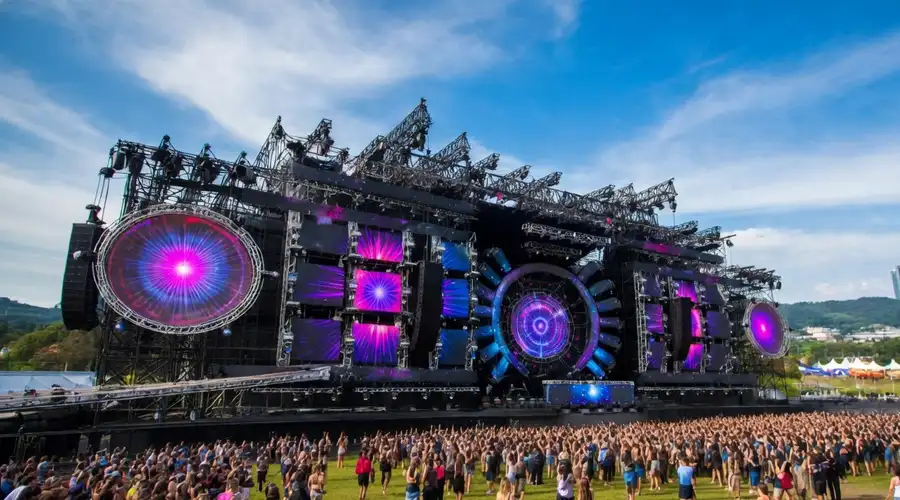
The consistent lesson from large-scale outdoor summer concert deployments in the United States is that display system selection cannot be driven by price-per-panel figures derived from indoor or evening-use specifications. The operating environment — direct sun, sustained heat, extended operating hours, and live broadcast requirements — demands hardware that is specified and tested for exactly those conditions.
Productions that have experienced the visibility and reliability gap between standard rental LED and high-brightness outdoor-rated systems rarely return to under-specified configurations for major outdoor events. The audience experience difference is visible from the back of the field. The broadcast quality difference is visible on every camera cut.
For production teams planning large-scale outdoor summer events in the United States, direct sunlight brightness performance, thermal stability, and broadcast refresh rate compliance are the three specifications that determine whether the display system delivers — or becomes the problem the production manager is managing all day.
Hot Empfehlungen
Hot Produkter
Kritt direkt e gratis Devis!
Schwätzt elo mat eisem Verkafsteam.
Wann Dir un eise Produkter interesséiert sidd, kontaktéiert eis w.e.g. direkt
Kontaktéiert eis Verkafséquipe fir personaliséiert Léisungen ze entdecken, déi perfekt op Är Geschäftsbedürfnisser zougeschnidden sinn, an all Froen ze beäntwerten, déi Dir hutt.
E-Mailadress:info@reissopto.comFabréck Adress:Gebai 6, Huike Flat Panel Display Industriepark, Nr. 1, Gongye 2. Strooss, Shiyan Shilong Gemeinschaft, Bao'an Distrikt, Shenzhen Stad, China
WhatsApp:+8615217757270

 En
En  ZH
ZH
 am
am  ar
ar  hy
hy  az
az  be
be  bn
bn  bs
bs  bg
bg  my
my  cs
cs  da
da  de
de  dv
dv  el
el  et
et  fil
fil  fi
fi  fr
fr  ga
ga  gl
gl  gn
gn  he
he  hi
hi  km
km  hr
hr  hu
hu  is
is  id
id  it
it  ja
ja  kn
kn  rw
rw  ko
ko  lo
lo  lv
lv  lt
lt  lb
lb  lg
lg  mi
mi  ms
ms  mt
mt  ne
ne  nl
nl  no
no  ny
ny  or
or  om
om  pl
pl  pt
pt  ro
ro  ru
ru  sa
sa  sk
sk  so
so  es
es  sr
sr  sw
sw  sv
sv  ta
ta  th
th  tr
tr  uk
uk  ur
ur  vi
vi  cy
cy  xh
xh